The Potential Halt of Ultra-Premium Smartphones and Its Broader Market Implications

A significant shift may be underway in the competitive smartphone industry, as a recent industry report suggests that several prominent Chinese smartphone manufacturers are actively considering a temporary cessation in the production of their "Ultra" flagship smartphone lines. This strategic re-evaluation is primarily driven by the persistent global ‘chipflation’ phenomenon, characterized by escalating costs for essential components such as semiconductor chips and RAM. Compounding this development, preliminary consumer sentiment, as gauged by recent public polls, indicates a notable degree of indifference among potential buyers regarding the potential discontinuation of these ultra-premium devices, prompting a closer examination of market dynamics and evolving consumer preferences.
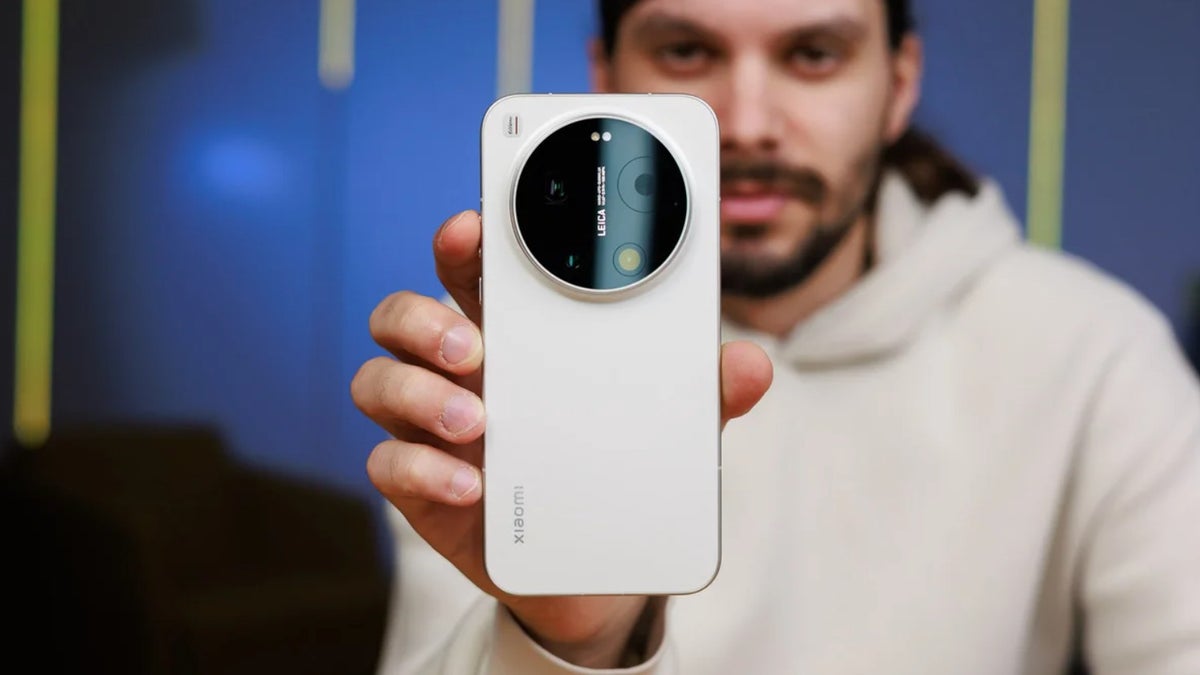
The "Ultra" category of smartphones represents the zenith of mobile technology, typically featuring the most advanced processors, sophisticated camera systems, cutting-edge display technologies, and premium build materials. These devices are strategically positioned at the highest price points within a brand’s portfolio, often exceeding $1,200 and sometimes approaching $2,000. They are primarily designed to appeal to a niche demographic of early adopters and tech enthusiasts who prioritize bleeding-edge innovation and are willing to invest a substantial premium for the absolute best specifications and features available. This segment often serves as a showcase for manufacturers’ technological prowess and a testbed for future mainstream features.
The Genesis of Ultra-Premium Devices and Market Segmentation
The evolution of smartphone categories has seen a gradual segmentation over the past decade. Initially, the market broadly comprised entry-level, mid-range, and premium flagship models. However, as technological advancements accelerated and consumer demand for differentiation grew, manufacturers began to introduce sub-categories. The "Pro" designation emerged to denote enhanced versions of standard flagships, offering improvements in areas like camera performance, battery life, or display quality. Subsequently, the "Ultra" tier materialized, pushing the boundaries even further.
Samsung’s introduction of the Galaxy S20 Ultra in 2020 is often cited as a pivotal moment in solidifying this distinct category. Other manufacturers, particularly those from China like Xiaomi, Huawei, and OnePlus, quickly followed suit, launching their own "Ultra" or "Pro+" variants to compete at the very top of the market. These devices were conceived not just as profit centers, but as "halo products" designed to elevate brand perception, demonstrate engineering capabilities, and create aspirational benchmarks for their entire product lineup. They often featured experimental technologies, such as periscope zoom lenses with extreme magnification, unprecedented megapixel counts, or novel cooling systems, which would later trickle down to less expensive models.
The Economic Headwinds: ‘Chipflation’ and Supply Chain Pressures
The primary catalyst for this potential strategic pivot by Chinese manufacturers is the ongoing ‘chipflation.’ This term describes the sustained increase in the cost of semiconductor chips and other critical electronic components, which began to escalate significantly around 2020-2021. The phenomenon was triggered by a confluence of factors:
- COVID-19 Pandemic: Initial factory shutdowns disrupted supply chains, followed by a surge in demand for personal electronics (laptops, gaming consoles, smartphones) as remote work and entertainment became prevalent.
- Global Semiconductor Shortage: Foundries, already operating near capacity, struggled to meet the sudden spike in demand, leading to bottlenecks in production.
- Increased Demand from Other Sectors: The automotive industry, data centers, and Internet of Things (IoT) devices also experienced exponential growth, intensifying competition for limited chip supplies.
- Geopolitical Tensions: Trade disputes and nationalistic policies further complicated the global supply chain, leading to increased costs and uncertainty.
- Inflationary Pressures: Broader economic inflation has also contributed to rising raw material costs, labor expenses, and logistics fees.
For smartphone manufacturers, particularly those in the "Ultra" segment, these rising costs are profoundly impactful. Ultra phones integrate the highest-end, most specialized, and often custom-designed components, which are inherently more expensive to produce. A single advanced camera sensor, a custom-designed application processor, or high-density, low-latency RAM modules can significantly drive up the bill of materials (BOM). When these component costs increase by even a small percentage, the cumulative effect on the already razor-thin profit margins of a low-volume, high-cost device can be substantial, transforming potential profit into financial risk.
Consumer Indifference: A Poll Reveals Disconnect
The initial report that sparked this discussion was recently covered by industry publications, including a story on PhoneArena, which featured a poll asking readers for their thoughts on the potential discontinuation of high-end "Ultra" models. The results of this poll were striking and indicative of a broader market sentiment. At the time of the analysis, with 419 votes cast, more than 50% of respondents indicated that they "really don’t care about this decision at all." This significant majority suggests a disconnect between the manufacturers’ vision for the "Ultra" segment and the practical priorities of the average smartphone user.
This indifference is not without precedent. Industry analysts have long noted that while the premium smartphone market (devices priced above $800) has seen consistent growth, the ultra-premium sub-segment (often above $1,200 or $1,500) remains a niche. According to reports from market research firms like Counterpoint Research and IDC, the vast majority of smartphone sales still occur in the mid-range and upper-mid-range categories, where consumers seek a balance of features, performance, and affordability. The "Ultra" segment, while generating buzz and showcasing innovation, contributes a disproportionately small volume to overall sales figures.
Why Chinese Brands Are Particularly Affected
The report specifically highlights Chinese smartphone makers as those contemplating this pause, excluding global giants like Apple, Google, and Samsung. Several factors contribute to this distinction:
- Market Dynamics: Chinese brands operate in a highly competitive domestic market with numerous players vying for market share. This often leads to aggressive pricing strategies and thinner profit margins compared to Apple or Samsung, which command significant brand loyalty and pricing power globally.
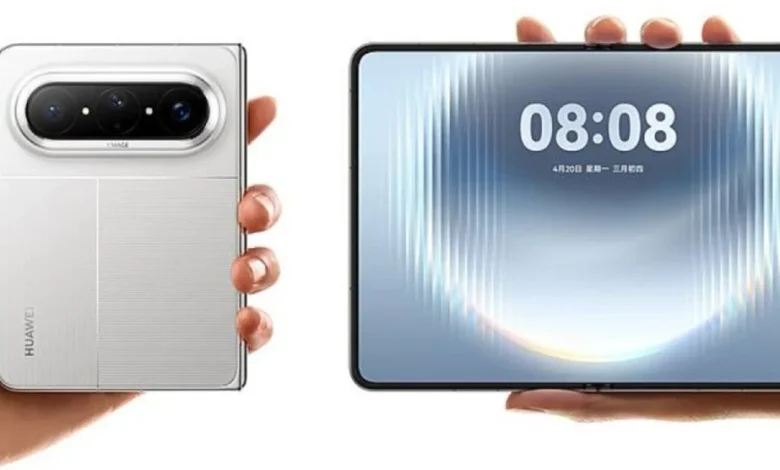
- Global Reach Limitations: While many Chinese brands have expanded internationally, some of their most premium "Ultra" devices, like the Huawei Pura X Max (priced at approximately $1,615 through direct conversion from CNY), often have limited global availability or are primarily launched in specific Asian markets. This restricted distribution significantly curtails their addressable market and the ability to achieve economies of scale necessary to offset high R&D and manufacturing costs.
- Component Dependency: Many Chinese manufacturers rely heavily on external suppliers for key components, including high-end chips from companies like Qualcomm, MediaTek, and various memory providers. This dependency makes them more vulnerable to price fluctuations and supply chain disruptions than companies like Apple, which design many of their core chips in-house, or Samsung, which has extensive vertical integration capabilities.
- Brand Perception: While Chinese brands have made significant strides in quality and innovation, some may still face challenges in commanding the same premium pricing power as established Western or Korean brands in certain global markets, making it harder to pass on increased costs to consumers without losing market share.
The Overwhelming Influence of Pricing
The most apparent reason for widespread consumer indifference to the potential disappearance of Ultra phones is their exorbitant price tag. For instance, the Huawei Pura X Max, while featuring cutting-edge technology, carries a price equivalent to over $1,600. This places it well beyond the budget of most consumers globally. When combined with often limited global availability, the value proposition diminishes significantly for a broad audience.
Consumers are increasingly discerning about where they allocate their disposable income. While a new smartphone is a necessity for many, the marginal utility gained from an "Ultra" model over a high-end "Pro" or even a top-tier mid-range device often does not justify the additional cost. The economic climate, marked by inflation and uncertainty, further exacerbates price sensitivity, leading consumers to seek maximum value for their money.
The Rise of "Good Enough" Mid-Range and Pro Flagships
Another crucial factor contributing to consumer indifference is the remarkable advancement of mid-range and upper-mid-range smartphones. Today’s devices in these categories offer performance, features, and user experiences that were once exclusive to only the most premium flagships.
For example, a phone like the OnePlus 12R (or comparable models in the upper-mid-range segment) often provides excellent battery life, handles resource-intensive applications with ease, and captures high-quality photographs that are more than sufficient for social media and personal use. These devices check all the essential boxes for the majority of users, delivering a compelling overall package at a fraction of the cost of an "Ultra" model.
The "diminishing returns" principle applies strongly here. While an "Ultra" phone might boast a 200MP camera sensor or an advanced periscope lens with 100x digital zoom, very few users genuinely require or know how to fully utilize such professional-grade capabilities. The difference in image quality between a top-tier mid-range phone and an "Ultra" flagship, while measurable in lab tests, is often imperceptible to the average user in everyday scenarios. Similarly, while "Ultra" phones often feature bleeding-edge AI capabilities (such as specialized on-device AI features), these are frequently niche or have not yet demonstrated widespread, indispensable utility for the general consumer.
The market is also saturated with robust alternatives in the premium segment that are not classified as "Ultra." Devices like the Samsung Galaxy S24/S24+, Google Pixel 8 Pro, or OnePlus 12 offer premium experiences, powerful processors, excellent cameras, and advanced software features at a price point that, while still high, is considerably more accessible than the extreme "Ultra" tier. These phones satisfy the demands of even discerning users without the added financial burden of an "Ultra" designation.
Implications for the Smartphone Industry and Consumers
The potential withdrawal of "Ultra" flagship phones by Chinese manufacturers carries several significant implications:
For Manufacturers:
- Strategic Re-focus: Companies may reallocate R&D and marketing resources towards the more profitable and higher-volume "Pro" and upper-mid-range segments. This could lead to an acceleration of innovation in these categories, bringing premium features to a wider audience faster.
- Innovation Pace: While the "Ultra" tier often served as a platform for showcasing experimental technologies, its pause might not necessarily halt innovation. Instead, it could shift the focus towards more practical, mass-market-applicable innovations that provide tangible benefits to a larger consumer base.
- Brand Perception: For brands that relied on "Ultra" models to convey technological leadership, a pause could temporarily impact their prestige. However, it could also be spun as a pragmatic move, emphasizing value and responsiveness to market realities.
- Market Consolidation: This move might contribute to a slight consolidation at the very top end of the market, potentially leaving Apple and Samsung as the primary global players consistently offering devices at the absolute highest price points, even if they don’t explicitly use the "Ultra" moniker for all their top-tier models.
For Consumers:
- Simplified Choices: A reduction in the number of hyper-specialized, ultra-expensive models could simplify the purchasing decision process, making it easier for consumers to navigate the premium segment.
- Enhanced Value: Consumers might find even better value in the "Pro" and upper-mid-range categories, as manufacturers pour more resources into making these devices even more compelling.
- Accessibility of Features: Cutting-edge features that would traditionally debut in "Ultra" models might find their way into "Pro" or even high-end standard flagships more quickly, making advanced technology accessible to a broader user base.
- Potential for Price Stability/Increase: If ‘chipflation’ persists, the underlying cost pressures could still lead to price increases or a deceleration of upgrades even in the remaining flagship tiers, as hinted in the original report. Consumers might face a scenario where phones become more expensive without commensurate upgrades, or where innovation slows down due to cost constraints.
Conclusion
The reported consideration by Chinese smartphone manufacturers to pause the production of "Ultra" flagship phones is a clear indicator of the dynamic interplay between technological ambition, economic realities, and evolving consumer demands. Driven by the significant financial pressures of ‘chipflation’ and the realization that the value proposition of these ultra-expensive, low-volume devices is not resonating with the broader market, this potential strategic shift reflects a pragmatic adaptation to current market conditions.
While the absence of these extreme high-end devices might slightly alter the landscape of bleeding-edge innovation, it is unlikely to deter the overall progress of smartphone technology. Instead, it could herald a renewed focus on delivering exceptional value and practical advancements across the more accessible premium and mid-range segments. The future of the "Ultra" segment, and indeed the broader smartphone market, will undoubtedly hinge on the global economic recovery, the stabilization of component supply chains, and manufacturers’ ability to continuously align their offerings with the evolving needs and purchasing power of consumers worldwide.