Meta is Reportedly Preparing to Launch Camera-Free Smart Glasses Amid Growing Privacy Scrutiny


Technology conglomerate Meta Platforms is reportedly preparing to expand its wearable technology portfolio by introducing a new category of smart glasses that intentionally omits integrated cameras. According to industry reports, this strategic shift aims to address mounting privacy concerns and public scrutiny that have persistently shadowed camera-equipped wearable devices. Citing internal sources familiar with the project, the upcoming line—reportedly codenamed "Luna"—is expected to make its debut as early as next month, potentially coinciding with the company’s annual Connect developer conference.
The evolution of smart glasses over the past several years has transformed the wearable technology landscape. Devices featuring built-in optical sensors have unlocked innovative ways to capture photographs, record video clips, and interact with artificial intelligence assistants on the go. However, these capabilities have simultaneously sparked intense debates concerning public surveillance, consent, and personal privacy. Bystanders have frequently expressed unease over the presence of lenses on consumer eyewear, fearing clandestine recordings in private and public spaces alike.
In response to these anxieties, manufacturers have implemented various safeguards. Meta, for its part, introduced prominent capture LED indicator lights designed to illuminate when recording is active. The company also rolled out software countermeasures intended to disable the recording functionality if users attempt to obscure or tamper with the indicator light. Despite these technological interventions, consumer skepticism remains widespread. The perception that wearable cameras pose an inherent risk to personal privacy has continued to stall broader market adoption among demographic segments that prioritize discretion and confidentiality.
By stripping away the camera hardware entirely, Meta appears to be targeting a different consumer base—one that values the utility of ambient computing and voice-activated artificial intelligence without the baggage of optical recording capabilities.
Chronology of Meta’s Wearable Strategy and the Path to Luna
The development of the Luna project reflects a broader trajectory in Meta’s hardware roadmap, which has evolved significantly since the company’s initial foray into smart eyewear in partnership with EssilorLuxottica.
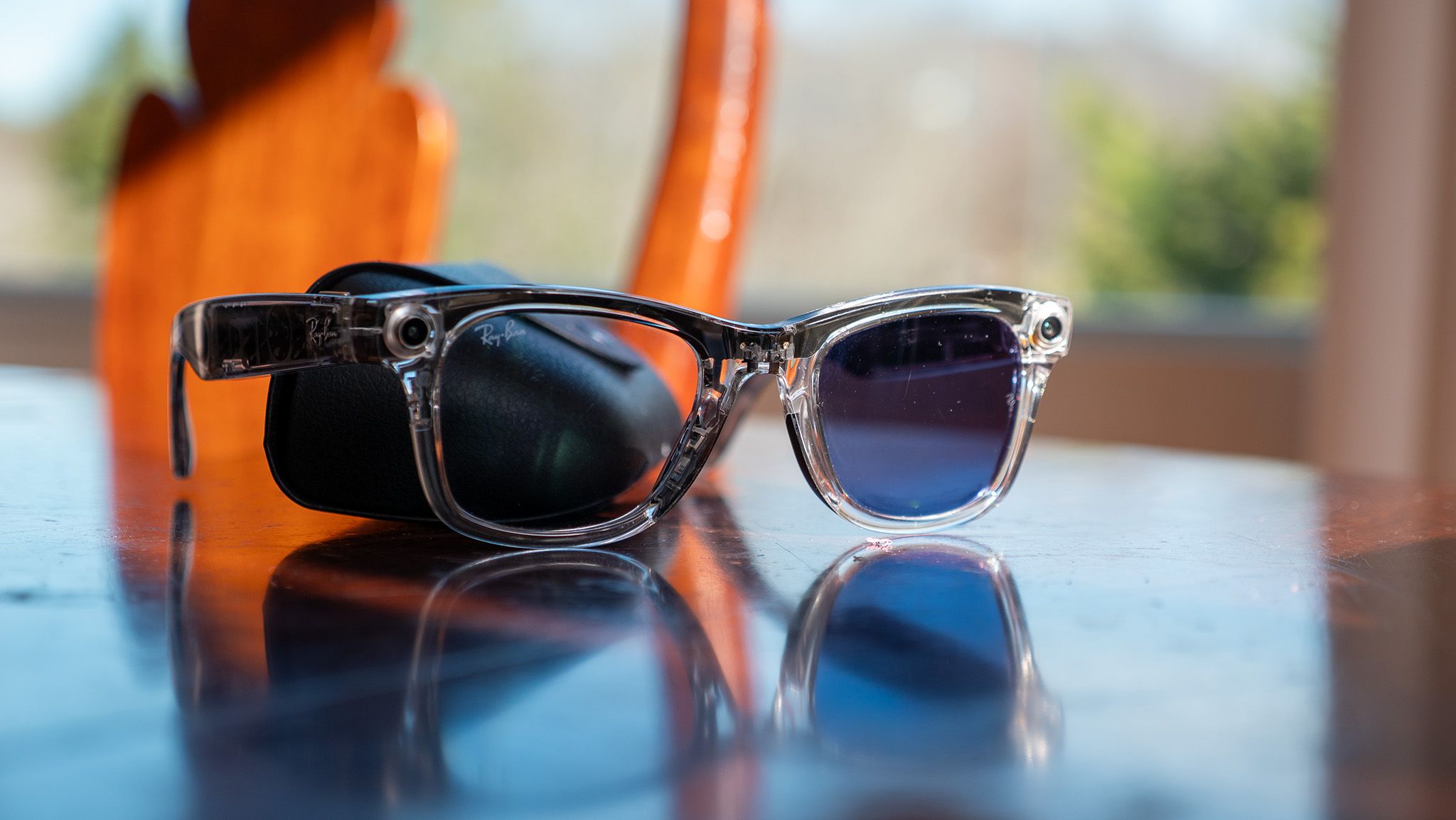
- 2021: Meta launched its first-generation Ray-Ban Stories smart glasses, establishing a commercial blueprint for stylish, connected eyewear equipped with basic audio and camera functions.
- 2023: The company introduced the second-generation Ray-Ban Meta Smart Glasses, significantly upgrading audio quality, processing power, and integration with generative artificial intelligence models. These models achieved stronger commercial traction but faced renewed scrutiny over privacy implications.
- Late 2023 to 2024: As regulatory interest and public debate surrounding wearable surveillance grew, Meta explored architectural alternatives to decouple AI assistance from optical capture technology.
- September 2024 (Anticipated): Industry reports indicate that Meta will formally unveil the camera-free Luna smart glasses at the upcoming Connect developer conference, with commercial availability expected shortly thereafter.
Hardware Specifications and Design Philosophy
While the Luna smart glasses will lack an optical sensor, reports indicate that they will be heavily optimized for audio-driven interactions and voice-activated artificial intelligence. Rather than functioning as a visual capture device, Luna is engineered to serve as a seamless, hands-free conduit to Meta AI.
To achieve this, the hardware configuration centers heavily on acoustic performance. The glasses are expected to feature an array of six microphones designed to accurately capture voice commands in noisy environments, paired with a sophisticated six-speaker setup directed toward the user’s ears. This configuration ensures clear audio playback for conversational AI responses, media consumption, and phone calls without requiring traditional headphones or earbuds.
Furthermore, the hardware suite is anticipated to retain a dedicated physical control button located on the frame’s temple, enabling users to summon Meta AI instantaneously without reaching for a smartphone.
The removal of camera modules, image sensors, and associated circuit boards yields significant mechanical advantages. Without the spatial and thermal constraints imposed by high-resolution camera hardware, Meta’s engineering teams were able to significantly slim down the chassis. Consequently, the Luna models—reportedly arriving in distinct aesthetic profiles known as Clubmaster and Burbank—are expected to closely mirror the weight, thickness, and comfort of traditional, non-smart eyewear. This reduction in bulk is anticipated to enhance consumer appeal, particularly among professionals and everyday users who reject the heavier, more conspicuous footprint of camera-laden frames.
Broader Horizon: The Phoenix Augmented Reality Initiative
Luna represents only one component of Meta’s multi-tiered hardware strategy for the coming years. Alongside its audio-first smart glasses, the company is actively developing a more advanced category of augmented reality (AR) hardware internally designated as "Phoenix."
Unlike audio-centric wearables or simple heads-up displays, the Phoenix project aims to deliver true optical see-through augmented reality. Reports suggest that Meta is preparing substantial demonstrations for Phoenix, showcasing novel paradigms for digital communication, such as advanced holographic video calling. Furthermore, the AR glasses are projected to support immersive productivity features, including scalable virtual workspaces and large, high-definition virtual movie screens projected into the user’s field of view.
However, the realization of the Phoenix hardware platform remains further out on the technological horizon. Industry analysts and supply chain indicators suggest that Meta’s consumer-ready AR glasses will likely not reach the market until sometime around 2027, as engineers continue to grapple with the immense challenges of miniaturizing optical waveguides, reducing thermal output, and extending battery life within a standard glasses form factor.
Market Implications and Competitive Landscape
The introduction of a camera-free smart glasses line carries significant strategic implications for the wearable technology sector. By diversifying its product offerings, Meta is effectively bifurcating its strategy to address two distinct market segments:
- Content Creators and Visual Technologists: Users who desire active media capture, live-streaming capabilities, and visual AI analysis will continue to gravitate toward camera-equipped models like the existing Ray-Ban Meta portfolio.
- Privacy-Conscious Professionals and General Consumers: Users who prioritize digital assistance, audio utility, and traditional aesthetics—while actively avoiding the social friction and regulatory exposure of cameras—represent the primary target audience for the Luna series.
This segmentation allows Meta to mitigate reputational risks associated with privacy backlash while capturing market share among cautious consumers who might otherwise reject smart eyewear entirely. Competitors in the wearable ecosystem, including audio-focused brands and rival consumer electronics giants, are expected to monitor the commercial reception of Luna closely. If consumer demand for camera-free AI glasses proves robust, it could prompt a broader industry-wide pivot toward audio-and-assistant-only smart eyewear.
As the official unveiling at the Meta Connect conference approaches, industry observers will look for definitive confirmation regarding pricing, battery performance, regional availability, and the precise depth of integration between the Luna hardware and Meta’s expanding suite of artificial intelligence tools.