The best Dell laptops of 2025: A comprehensive guide to the brand’s new era of computing


When considering the history of the personal computer, few brands have maintained as consistent a presence in the global market as Dell. From the cultural ubiquity of the “Dude, you’re getting a Dell” advertising campaign of the early 2000s to the enduring legacy of the Inspiron series, the Texas-based manufacturer has defined the computing experience for generations. However, as 2025 progresses, the company is undergoing its most significant structural shift in decades, moving away from legacy branding toward a streamlined, simplified naming convention that mirrors the modern industry trend of tiered, simplified product identification.

The evolution of Dell’s product lineup is not merely cosmetic. It reflects a strategic response to a changing market where consumers prioritize performance-per-watt, battery efficiency, and display quality over traditional, often confusing, model numbers. As of early 2025, the company has begun phasing out iconic labels like Inspiron, XPS, Precision, and Latitude in favor of a unified “Dell” brand identity, categorized by performance tiers: Dell, Dell Plus, Dell Pro, and Dell Pro Max. This shift is intended to clarify the value proposition for buyers, helping them distinguish between entry-level productivity machines and high-end professional workstations.
A New Chapter in Naming and Strategy
The decision to rebrand the entire portfolio was announced in January 2025, marking a departure from the multi-decade naming conventions that defined Dell’s market dominance. For the consumer, the transition is straightforward: the familiar Inspiron line is now simply “Dell,” while the performance-oriented Inspiron Plus is now “Dell Plus.” The industry-leading XPS line has been rebranded as “Dell Premium,” positioning it as the direct competitor to premium offerings from rivals like Apple and ASUS.
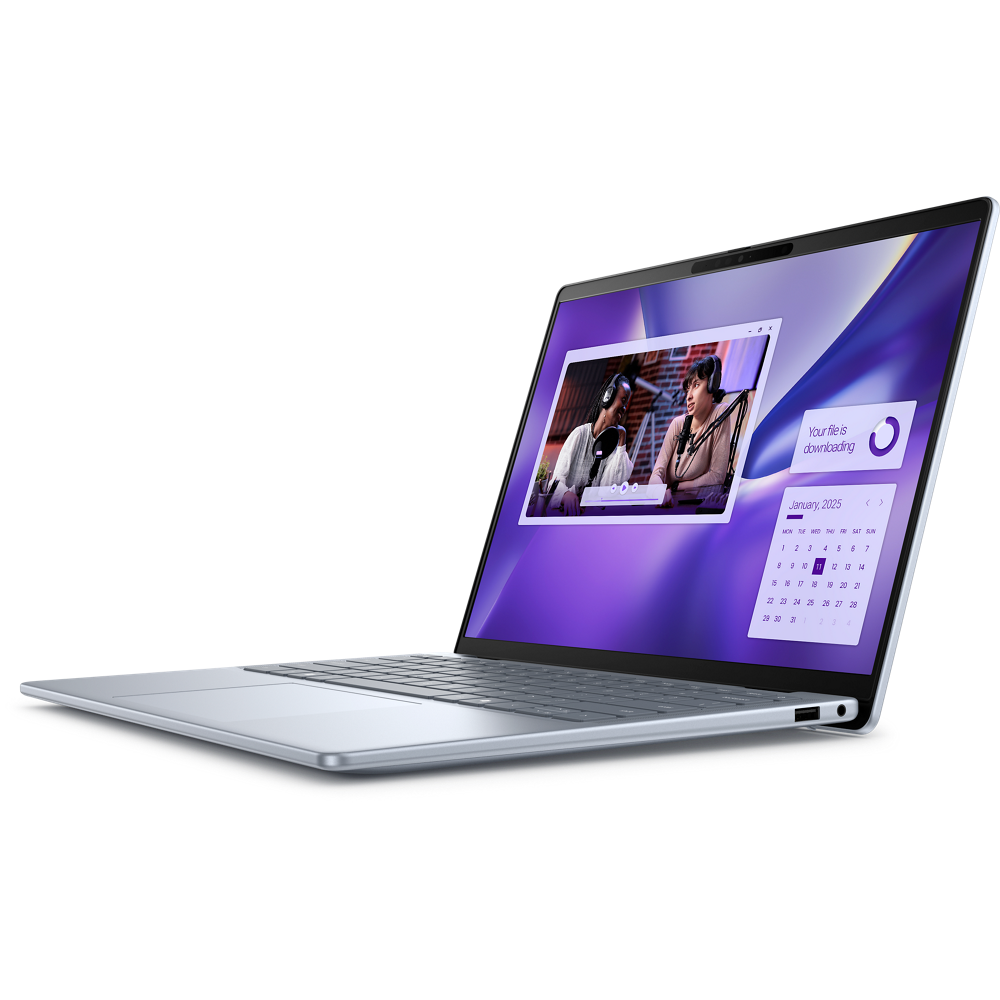
For the enterprise sector, the changes are more granular. The long-standing Latitude business series is now the “Dell Pro” line, subdivided into Pro, Pro Plus, and Pro Premium. The high-performance Precision workstations, essential for 3D rendering and complex simulations, are now under the “Dell Pro Max” umbrella. While the underlying chassis and internal components remain largely consistent with previous iterations, the move is designed to simplify the purchasing funnel for both IT departments and individual consumers.
Performance Benchmarks and Hardware Evolution
The modern Dell laptop portfolio is characterized by a significant leap in silicon performance. The integration of Qualcomm’s Snapdragon X series processors and the latest generation of Intel’s Lunar Lake architecture has fundamentally altered the battery life expectations for Windows-based laptops.
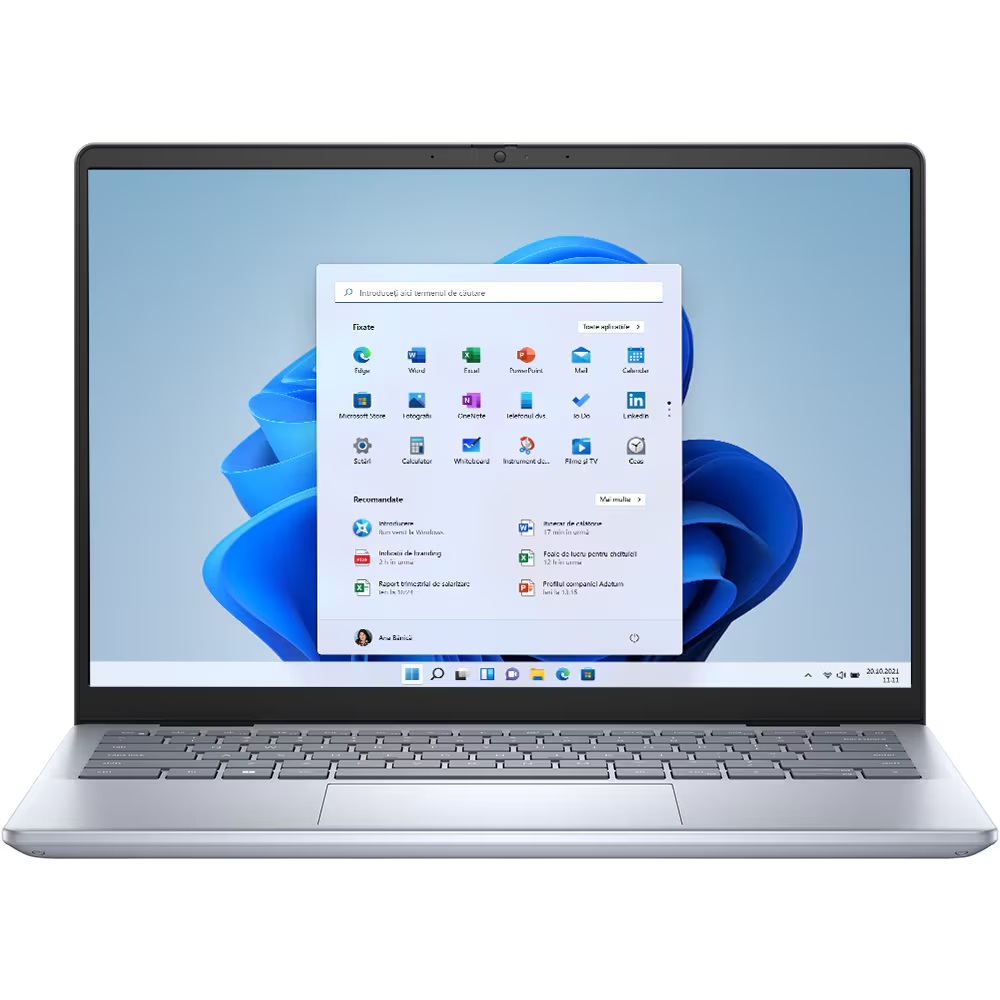
In rigorous testing at the Laptop Mag laboratories, the Snapdragon-powered Dell Inspiron 14 Plus (7441) demonstrated this shift, delivering over 18 hours of continuous web surfing. This represents a departure from traditional x86-based performance, where heat and power consumption were often the primary constraints. The Geekbench 6 multi-core scores for these newer units consistently outperform the average premium laptop, with scores often exceeding 13,000, signaling a robust capability for heavy multitasking, including concurrent video streaming and high-intensity productivity suites.
The Best of the Current Lineup
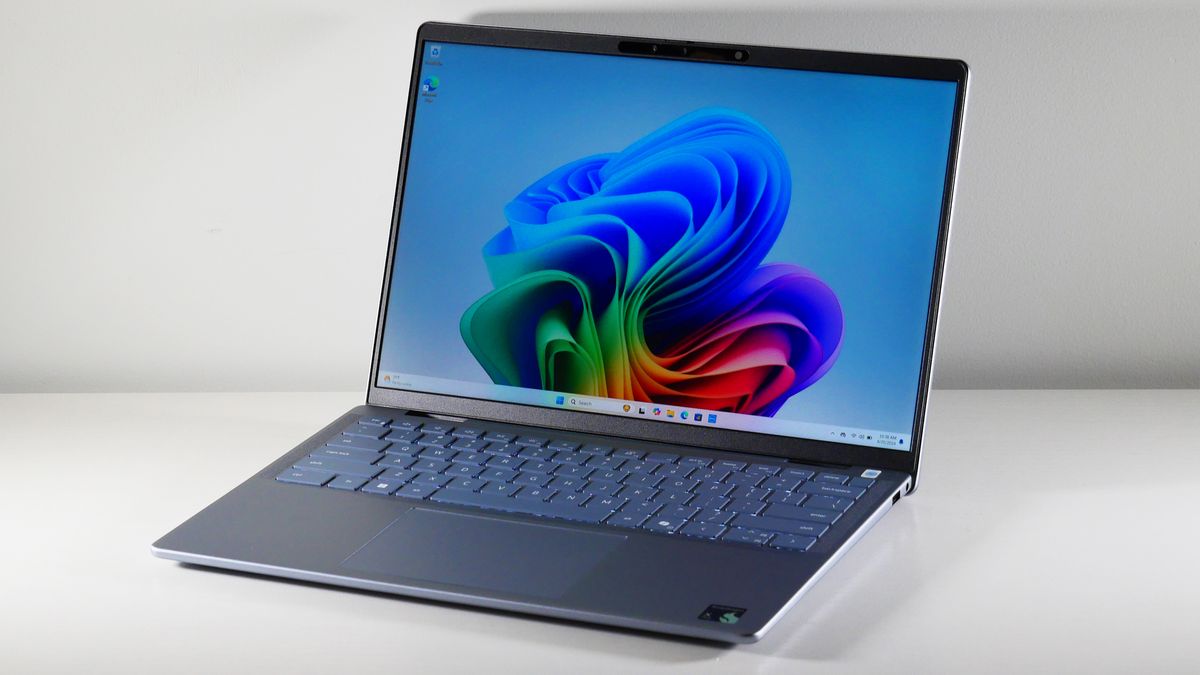
For the average consumer, the Dell Inspiron 14 Plus (7441) stands out as the most balanced option currently available. By utilizing the Qualcomm Snapdragon X Plus chip, the device manages to maintain a thin, lightweight profile without sacrificing thermal efficiency. Surfaces remain cool under load, a common pain point for previous generations of thin-and-light laptops.
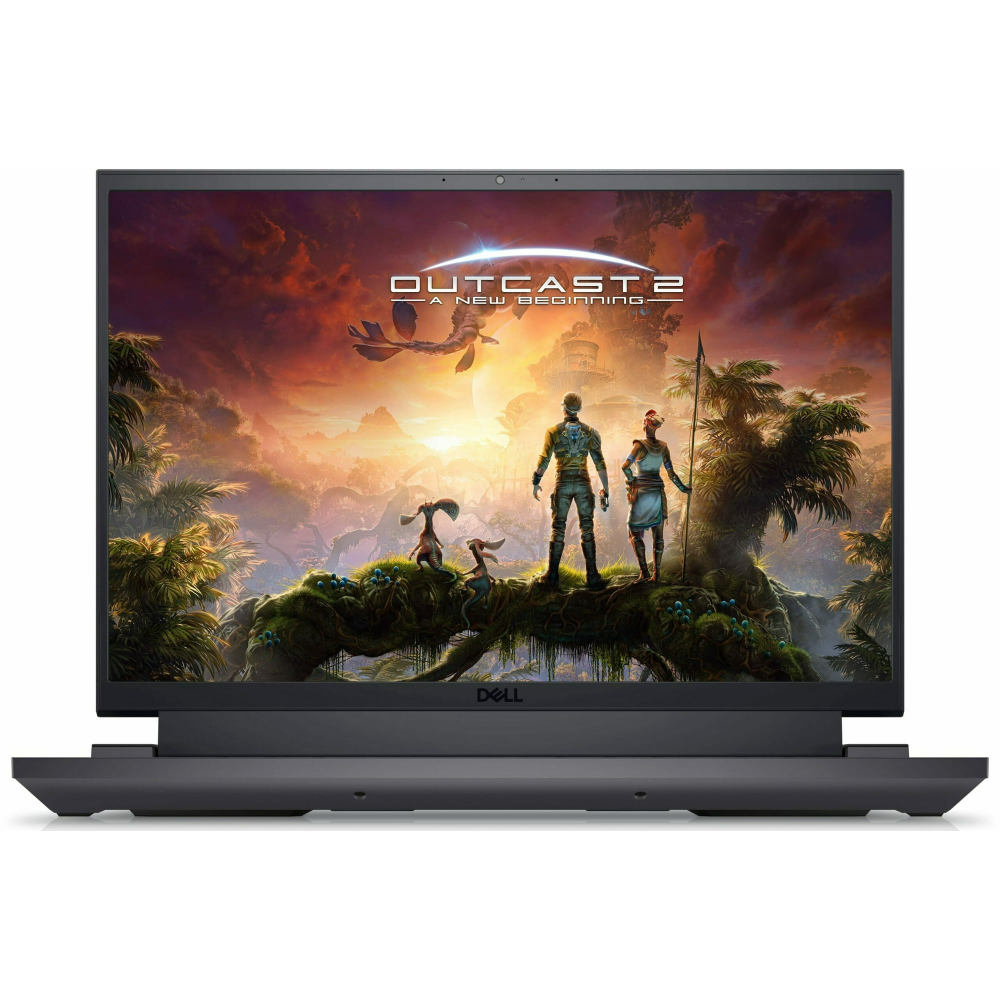
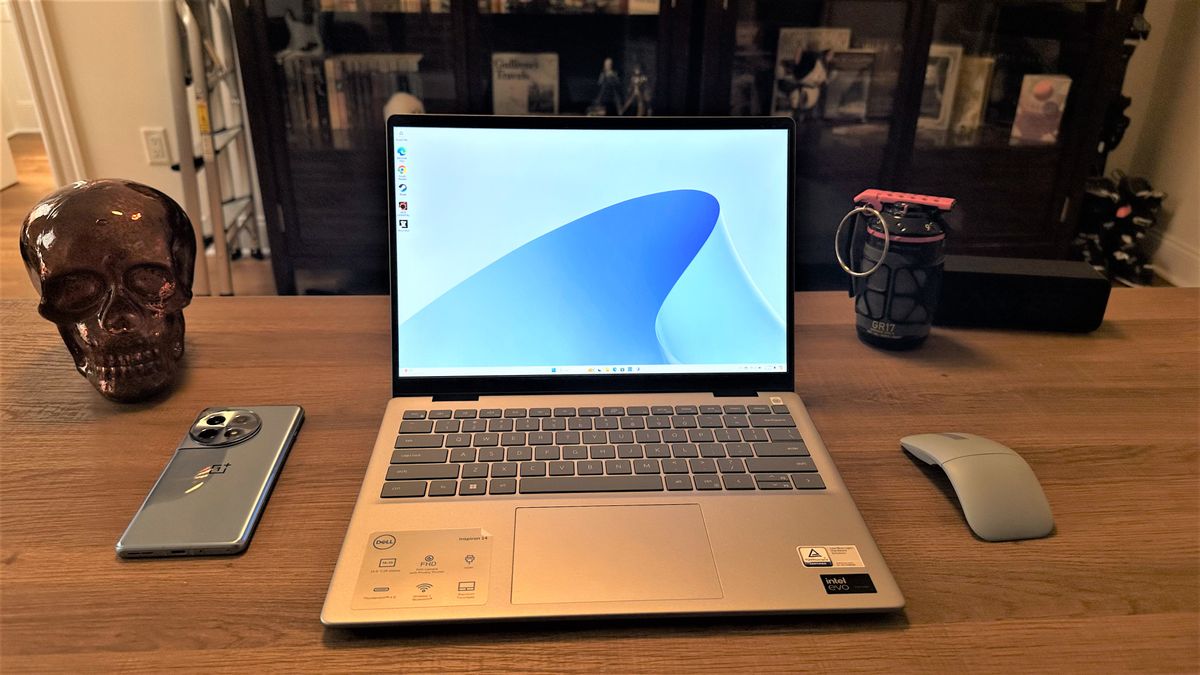
For those requiring more graphical power, the Intel-based Inspiron 14 Plus (7440) remains the budget-conscious champion. While it does not reach the 18-hour battery benchmarks of the Snapdragon models, it provides significantly better performance in gaming and creative applications, thanks to Intel’s Arc integrated graphics. During testing, this model achieved a 27% higher score in 3DMark’s Fire Strike benchmark compared to its ARM-based counterpart, proving that traditional architecture still holds an advantage for users who occasionally engage in light gaming or GPU-accelerated tasks.
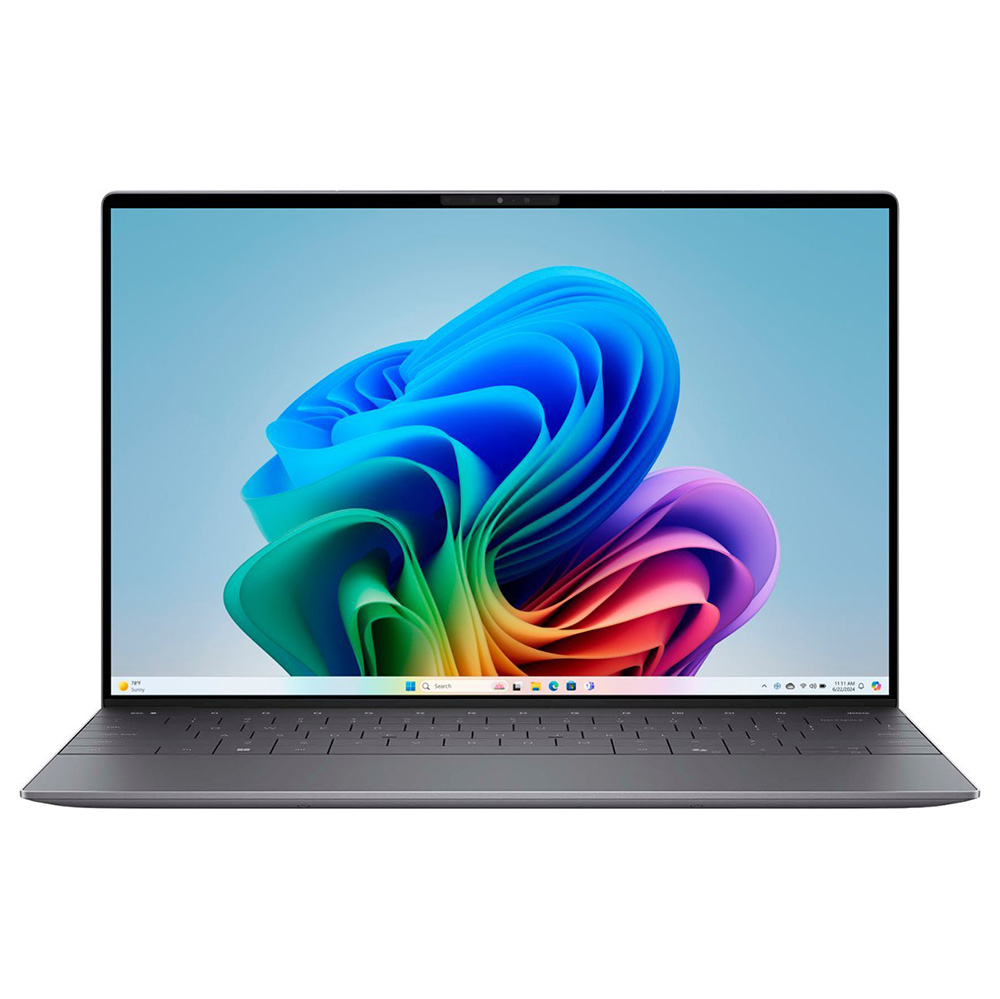
At the high end of the market, the Dell XPS 13 (rebranded as Dell Premium) continues to set the standard for display technology. The inclusion of an optional Tandem OLED display provides color accuracy and vibrancy that few competitors can match, covering over 144% of the DCI-P3 color gamut. While the battery life on the OLED model is shorter than its IPS counterpart due to higher power draw, the visual fidelity makes it an essential tool for photographers and content creators.
Gaming and Professional Workstations
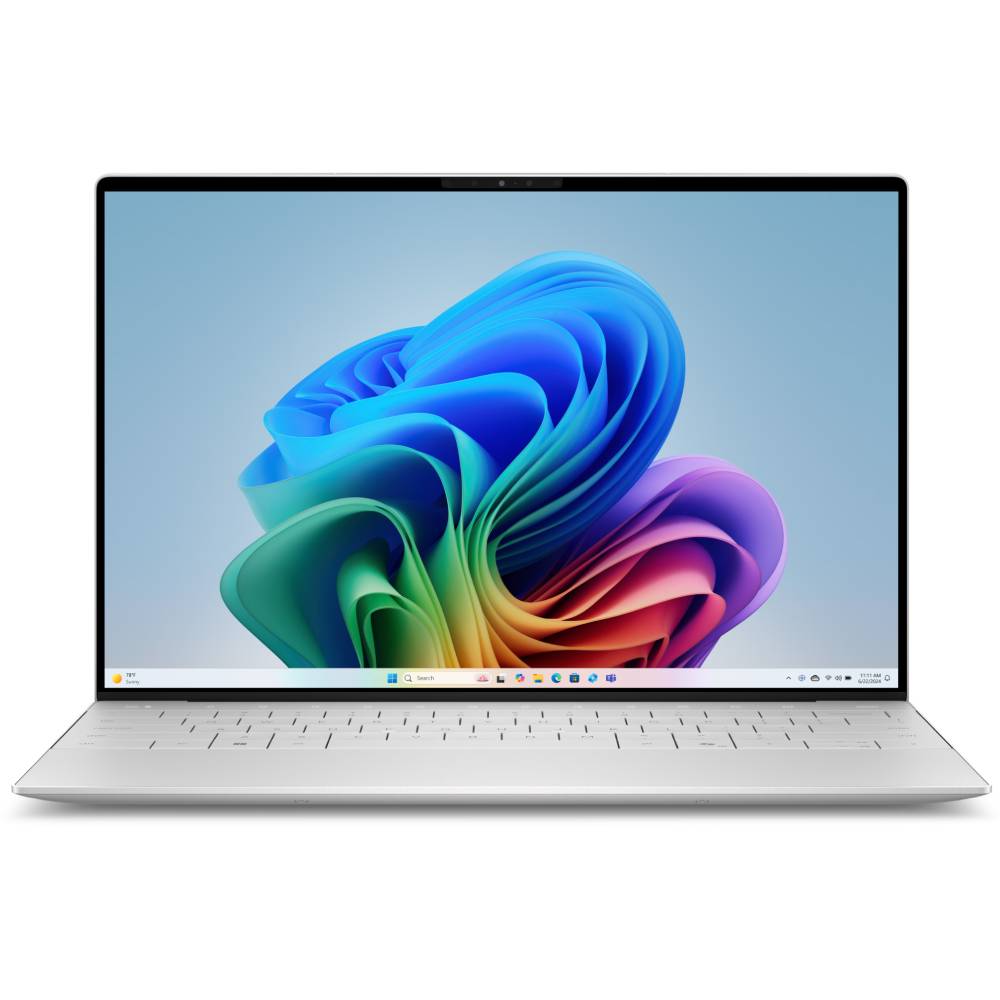
Dell’s G-series gaming laptops, such as the G16 (7630), have garnered attention for offering high-end features—such as mechanical keyboards with Cherry MX switches and 240Hz refresh rate displays—at a sub-$1,000 price point. This fills a critical void in the market as premium gaming laptops have seen a steady increase in pricing over the last three years. By prioritizing panel quality and tactile input, Dell has managed to maintain a competitive edge for gamers who do not wish to invest in top-tier desktop replacement systems.
For professional workflows, the transition to the Dell Pro Max (formerly Precision) line provides a clear roadmap for enterprise procurement. These systems are engineered for sustained performance, essential for rendering 8K video or running large-scale data simulations. With price points scaling from $1,300 to $4,000, the tier-based structure ensures that businesses can scale their hardware investments according to the specific needs of their engineering or creative departments.
Rigorous Testing Methodology
The assessment of these machines is rooted in a data-driven approach. Laptop Mag’s testing process includes the use of a Klein K10 colorimeter to evaluate display brightness and gamut coverage, ensuring that claims regarding visual quality are verified by independent measurements. Performance is stress-tested using Geekbench 6, while real-world viability is measured through a standardized 15-minute 4K video transcoding task and a 25GB file transfer, which evaluates the efficiency of the onboard SSD controllers.
Perhaps most critical is the thermal testing. By measuring surface temperatures during active use, the laboratory provides an objective metric for user comfort. A laptop that performs exceptionally well but causes thermal discomfort is downgraded, as ergonomics remain a foundational requirement for a "best-in-class" recommendation. Battery life is determined by continuous web surfing over Wi-Fi at 150 nits of brightness—a benchmark that ensures consistent, replicable results across diverse hardware platforms.

Broader Market Implications
The move toward this new branding and the rapid adoption of diverse chip architectures (Qualcomm vs. Intel) underscores a broader trend in the PC industry: the decline of the "one-size-fits-all" processor. Dell’s willingness to experiment with Windows on ARM while maintaining a robust Intel-based lineup indicates a strategy of diversification.
Furthermore, the shift toward a simpler, tiered naming structure is an acknowledgement that the average consumer is increasingly overwhelmed by technical specifications. By branding laptops based on their intended use-case (Dell, Dell Plus, Dell Pro, Dell Pro Max), the company is attempting to lower the barrier to entry for non-technical buyers. This is a direct competitive play against the simplified branding models used by Apple, which has long benefitted from a streamlined, easy-to-understand product hierarchy.
Future Outlook
As 2025 progresses, the industry expects further refinement of these tiers. The integration of AI-driven processing—often referred to as Neural Processing Units (NPUs)—is the next frontier for these product lines. As software applications increasingly rely on local AI acceleration for image generation, voice recognition, and background noise cancellation, the "Dell Pro" and "Dell Pro Max" tiers will likely see the most significant hardware upgrades.
For the consumer, the current moment represents a period of transition. While legacy models are still available and often marked down as retailers clear inventory, the new 2025 lineup offers substantial improvements in power efficiency and thermal management. Whether one is a student, a creative professional, or an enterprise user, the simplified Dell naming convention provides a more intuitive way to navigate the often-complex landscape of modern computing hardware.
The longevity of Dell’s success will ultimately depend on its ability to maintain the balance between these performance tiers. By delivering high-quality hardware across every price point, from the entry-level Dell machines to the high-performance Pro Max workstations, the company remains positioned to retain its leadership in the global laptop market. With a commitment to independent testing and a transparent, user-focused design philosophy, Dell continues to prove that even a decades-old brand can successfully adapt to the rapid, often disruptive, shifts of the 21st-century technology sector.