IPhone 18 Pro and iPhone 18 Pro Max shipping delays are mounting as consumer demand tests supply chain capacity

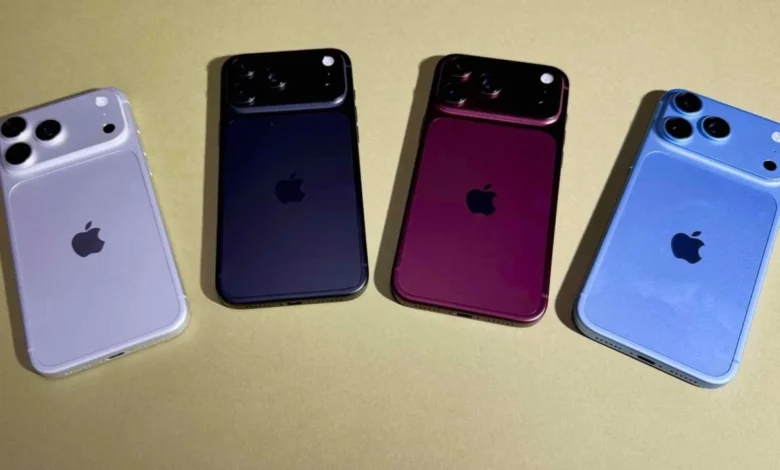
The official launch of the iPhone 18 Pro and iPhone 18 Pro Max has arrived, yet for many eager consumers, the excitement of the release is being tempered by significant shipping delays. While the formal retail availability date is set for September 18, a comprehensive survey of major telecommunications carriers and Apple’s direct retail channels reveals that supply chain constraints are forcing many customers to wait well into October, and in some specific configurations, November. This year’s rollout is particularly notable as it lacks a standard "iPhone 18" entry-level model, effectively funneling the entire market demand toward the Pro-tier devices. Additionally, the anticipation surrounding the upcoming iPhone Duo, which is not slated for pre-order until October 16, suggests that Apple’s ecosystem strategy is currently in a state of high-intensity transition.
The Landscape of Current Inventory Constraints
The surge in demand for the latest flagship handsets has created a tiered availability schedule across the United States. While early pre-orders generally see fulfillment within the initial delivery window, the logistics of global semiconductor distribution and assembly continue to impact secondary and tertiary waves of shipments.
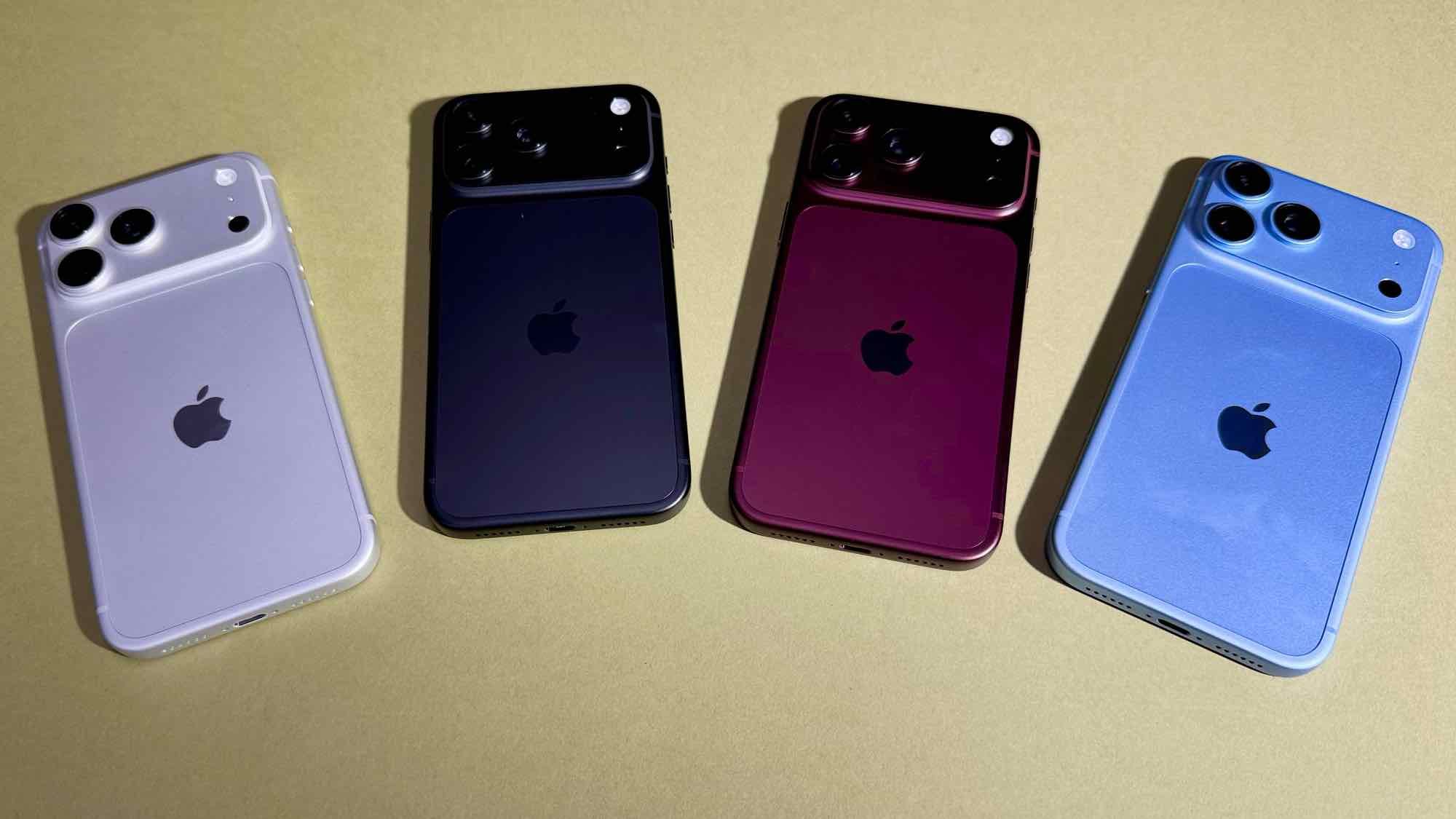
At T-Mobile, the base models of the iPhone 18 Pro are currently meeting the September 18 launch target. However, power users seeking the 1TB storage configuration in the Burgundy finish are facing substantial wait times, with shipments not expected to arrive until between October 31 and November 4. Similar bottlenecks are appearing in the iPhone 18 Pro Max inventory, where the base configurations for some colorways are showing availability gaps that stretch into early October.
Verizon, meanwhile, has adopted a more cautious approach to its delivery estimates. The carrier is currently reporting shipping windows ranging from September 18 through October 6 for the majority of the iPhone 18 Pro series. Analysts suggest that this "padding" of shipping dates is a strategic measure by the carrier to manage customer expectations amidst volatile supply chain variables. For those seeking the 2TB storage variant of the iPhone 18 Pro, wait times are even more pronounced, with some orders pushed toward the mid-October mark.
AT&T is experiencing a bifurcated supply chain situation. While the entry-level iPhone 18 Pro is largely on schedule, the broader portfolio, including the premium Pro Max models, is seeing delays that consolidate around the final week of September. This suggests that while Apple has prioritized the production of the standard Pro unit, the more complex, high-capacity storage models and the larger Max chassis are facing tighter assembly line constraints.
The most significant delays are currently concentrated at the Apple Store. As the primary point of purchase for many brand loyalists, the direct-to-consumer channel is effectively sold out of initial launch-day stock. Estimated delivery windows for virtually all models have drifted into the late-September to mid-October range. For the iPhone 18 Pro Max, the delay is most acute, with many configurations not expected to reach the consumer until the second or third week of October.
Chronology of the 2025 Product Launch
To understand the current state of affairs, one must examine the timeline leading up to this release. Apple’s strategy this year deviated from the traditional three-to-four-tier launch cadence. By omitting a standard "iPhone 18" model, the company effectively eliminated the device that typically serves as the volume leader. This decision placed immense pressure on the manufacturing lines dedicated to the Pro series.
- Announcement Phase: Following the product reveal, initial pre-order windows opened with high traffic volume, testing the resilience of digital storefronts.
- The "Gap" Strategy: The decision to delay the iPhone Duo launch until October 16 appears to be a calculated effort to prevent cannibalization of the Pro series, ensuring that consumers who prioritize performance have the first opportunity to purchase.
- Logistical Squeeze: As the September 18 retail date approaches, the intersection of limited manufacturing yield for the 2TB and 1TB NAND flash modules and the high consumer preference for specific colorways like the new "Burgundy" has created an inventory bottleneck.
Industry Implications and Supply Chain Dynamics
The phenomenon of "launch day delays" has become a hallmark of the premium smartphone sector. However, the scale of these delays in 2025 provides insight into broader macroeconomic trends. Firstly, the move toward higher storage tiers—such as the 1TB and 2TB options—reflects a shift in consumer behavior. Users are increasingly relying on their devices for high-resolution video capture and large-scale creative applications, driving demand for storage configurations that were once considered niche.
From a manufacturing perspective, the increased complexity of the iPhone 18 Pro’s internal architecture, specifically the thermal management systems required for the latest silicon, may be contributing to lower initial yield rates. When Apple experiences these delays, it typically indicates that the "ramp-up" phase of mass production is still stabilizing.
Furthermore, the price increases associated with this year’s generation have not appeared to dampen demand. On the contrary, the "Pro-only" strategy seems to have successfully segmented the market, driving a higher average selling price (ASP) while simultaneously highlighting the challenges of scaling production for high-end components.
Managing Expectations: A Guide for Consumers
For those currently navigating the preorder landscape, the data suggests that flexibility is key. Consumers who are set on specific storage capacities or finishes may find that they are forced to accept longer wait times. Conversely, opting for standard configurations or more readily available colorways can often shave weeks off the expected arrival date.
Industry experts recommend that if a consumer’s current device is nearing the end of its functional life, they should consider the following:
- Check Local Store Pickup: Often, inventory is diverted to physical retail locations. Even if online shipping is delayed, a device may be available for in-store pickup at a local Apple Store or authorized retailer.
- Monitor Carrier Restock Cycles: Carriers frequently receive "rolling" shipments. Checking inventory status on Tuesday or Wednesday mornings, when logistical updates are typically processed, can yield unexpected availability.
- Evaluate Pre-order Incentives: Many carriers are offering aggressive trade-in credits, sometimes reaching up to $1,200. These promotions often remain valid even if the specific device is currently on backorder, making the wait financially worthwhile for many users.
Looking Ahead: The October Outlook
As we move past the September 18 launch date, the focus will shift to how quickly Apple can stabilize its supply chain. Historical data suggests that by the time the iPhone Duo becomes available in mid-October, the production lines for the Pro series should reach a steady state of equilibrium.
The delay of the iPhone Duo until October 16 serves as a buffer in the release calendar. It allows Apple to manage the initial logistics of the Pro series without the added strain of a secondary, potentially high-volume launch. For the consumer, this means that while the immediate weeks post-launch may be characterized by "sold out" signs and shipping delays, the availability of devices is expected to improve significantly by the end of the fourth quarter.
The current situation is a testament to the enduring demand for Apple’s flagship products. Despite price adjustments and the omission of a lower-cost entry model, the consumer appetite for the latest hardware remains robust. As the company works through these initial supply constraints, the primary challenge remains the delicate balance between maintaining high-quality production standards and meeting the intense, concentrated demand of the early-adopter market. Whether these delays are merely a temporary hurdle or a reflection of long-term component shortages remains to be seen, but for the present moment, patience remains a necessary component of the iPhone 18 acquisition process.