Exploring the Customization Depth of the New Siri Modular Watch Face in watchOS 27

Apple has officially introduced its latest major software update for the Apple Watch lineup, bringing watchOS 27 to the forefront of wearable technology. Among the most prominent features highlighted in the release candidate software is a brand-new, highly anticipated watch face: Siri Modular. Designed to maximize information density while offering a sleek, modern aesthetic, Siri Modular is rolling out to both standard Apple Watch Series models and the rugged Apple Watch Ultra lineup. However, true to Apple’s tradition of tailoring software to hardware capabilities, the Apple Watch Ultra version unlocks a distinct set of advanced customization features, setting a new benchmark for how users interact with data on their wrists.
Main Facts of the watchOS 27 Update and Siri Modular
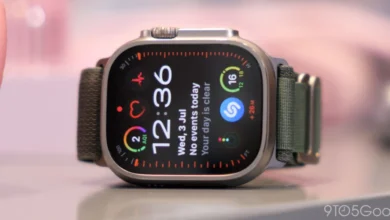
The debut of Siri Modular in watchOS 27 marks a significant addition to Apple’s growing catalog of watch faces. Both standard Series devices and the Ultra series share a foundational layout designed for optimal readability and swift data access. The interface features a top center-line complication, a centrally aligned time display, a wide horizontal complication spanning the lower section, and a neat row of three circular complications positioned near the bottom.

Despite this shared layout framework, Apple has ensured that the hardware differentiation of the Apple Watch Ultra is reflected in the software experience. While standard Apple Watch Series models receive robust customization tools—including typography adjustments and color themes—the Apple Watch Ultra gains exclusive bezel options that utilize its larger physical display real estate. Notably, none of the available configurations for Siri Modular support displaying current seconds as part of the primary clock, a design choice aimed at prioritizing contextual, glanceable data over granular timekeeping.
Chronology and Background Context of watchOS 27
The journey toward watchOS 27 follows Apple’s well-established annual software development lifecycle. Typically previewed at the Worldwide Developers Conference (WWDC) in June, new watchOS iterations undergo a rigorous summer testing phase through developer and public beta programs. As the software reaches its release candidate stage in September—traditionally aligning with the announcement of new hardware generations—features like Siri Modular are finalized for public consumption.
Historically, Apple Watch faces have evolved from simple analog replicas and basic activity rings to highly modular, data-rich command centers. The introduction of modular faces has consistently been a fan-favorite approach for power users who rely on their wrists for weather updates, fitness metrics, calendar appointments, and smart home controls. With watchOS 27, the inclusion of Siri Modular represents a refined evolution of the original Modular face, heavily leaning into predictive information retrieval and contextual awareness powered by Apple’s evolving suite of intelligent assistant capabilities.
Detailed Customization Styles and Typography Options
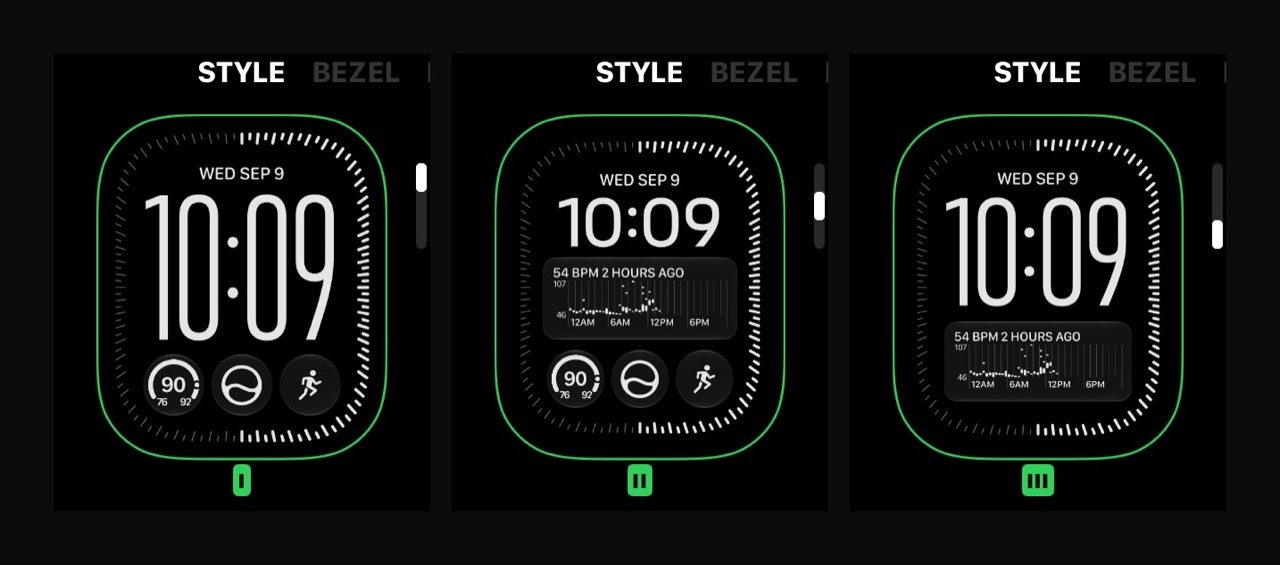
To accommodate diverse user preferences, Siri Modular introduces three distinct style configurations that dictate the physical scaling and arrangement of the clock and its surrounding complications.
The first style option features the tallest clock configuration paired with a row of three circular complications, making it ideal for users who prioritize bold time legibility alongside multiple quick-access metrics. The second style transitions to a more compact clock layout, integrating both the wide complication and the three circular complications to maximize the sheer volume of visible data. The third style offers a medium-sized clock paired exclusively with the wide complication, delivering a cleaner, more minimalist presentation for users who prefer fewer, more impactful data feeds.
Typography also plays a central role in the aesthetic personalization of the watch face. Both Series and Ultra hardware variants allow users to select from a variety of font options for the clock display. However, hardware-specific exclusivity applies here as well: while the standard Apple Watch Series models offer Classic, Modern, and Rounded font styles, the Apple Watch Ultra introduces an exclusive font option tailored specifically to its industrial design language, ensuring a cohesive visual identity across the larger casing.

Hardware Exclusivity: Apple Watch Ultra Bezel Configurations
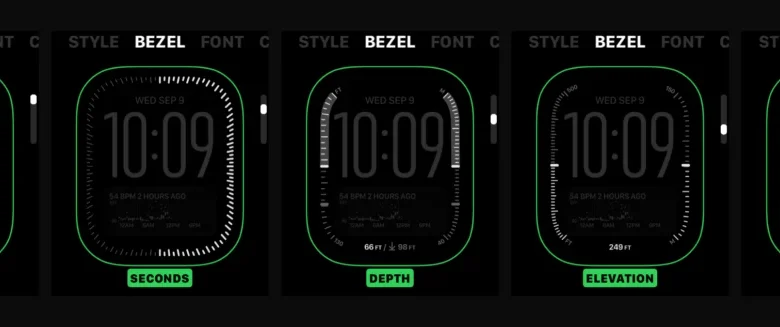
One of the most notable differentiators for the Apple Watch Ultra variant of Siri Modular is the inclusion of dedicated bezel options. Mirroring the treatment given to other Ultra-exclusive watch faces in previous watchOS iterations, these bezel settings allow users to utilize the outer perimeter of the larger display for additional data presentation or aesthetic framing.
This hardware-locked feature underscores Apple’s strategy of leveraging the physical advantages of the Ultra tier—such as a flat sapphire front crystal and a wider case diameter—to offer a more immersive user experience. For endurance athletes, outdoor adventurers, and power users who invested in the Ultra hardware, these bezel choices provide an added layer of personalization that cannot be replicated on standard-sized aluminum or stainless steel Series cases.
Color Palettes and Visual Aesthetics

Beyond layout, style, and typography, watchOS 27 expands the color customization spectrum for Siri Modular. Apple has introduced a rich array of new color options designed to complement various watch bands and personal styles. Among the standout additions are sophisticated hues such as Dark Bronze and Radiant Gold, alongside a broader palette of vibrant and muted tones. These colors dynamically tint the complications, time display, and UI accents, allowing users to seamlessly transition their watch from a professional daytime accessory to a vibrant athletic companion.
Official Responses and Industry Implications
While official statements from Apple executives typically accompany the broader keynote presentations of new watchOS updates, software engineers and design leads have consistently emphasized that watch faces are designed to be extensions of the user’s daily workflow. The creation of Siri Modular reflects a concerted effort to balance predictive artificial intelligence features with manual user customization, ensuring that the watch remains both a proactive assistant and a personalized timepiece.
From an industry perspective, the nuanced feature split between the Apple Watch Series and the Apple Watch Ultra highlights Apple’s ongoing commitment to hardware tiering. By reserving features like bezel configurations and exclusive typography for the Ultra model, Apple provides a tangible software incentive for consumers considering higher-end hardware purchases, further solidifying the Apple Watch Ultra as a distinct product category within the broader smartwatch market.

Broader Impact and User Implications
The rollout of watchOS 27 and the introduction of Siri Modular will directly impact millions of active Apple Watch users globally once the software becomes widely available. For developers and complication creators, the multi-tiered layout—spanning top-line text, wide central blocks, and circular icons—reinforces the need to design versatile, glanceable complication graphics that adapt gracefully to different style scales.
Ultimately, Siri Modular bridges the gap between traditional data-dense watch faces and modern, context-aware digital interfaces. By offering granular control over height, typography, color, and—in the case of the Ultra—bezel utilization, Apple has delivered one of its most flexible and customizable watch faces to date, ensuring that users can tailor their wrist-based computing experience precisely to their daily routines.