Samsung Galaxy Z Flip 8 vs. Galaxy Z Flip 6: A Detailed Pre-Release Comparison

Samsung’s foldable smartphone lineup continues to evolve, with anticipation building for the upcoming Galaxy Z Flip 8, poised to introduce significant advancements over its predecessors. This detailed comparison examines the expected features of the Galaxy Z Flip 8 against the capabilities of the Galaxy Z Flip 6, offering insights into Samsung’s ongoing commitment to innovation in the rapidly expanding foldable market. The Z Flip series has consistently aimed to blend cutting-edge technology with a stylish, compact form factor, catering to users who prioritize portability and unique user experiences.
Evolution and Market Context of Samsung’s Foldables
Since its inception, the Samsung Galaxy Z Flip series has been a cornerstone of the foldable smartphone market, popularizing the clamshell design and making foldable technology more accessible. The journey began with the original Galaxy Z Flip, demonstrating the feasibility of a vertically folding screen. Subsequent iterations, including the Z Flip 3, Z Flip 4, and Z Flip 5, have progressively refined the design, enhanced durability, and boosted performance, addressing early concerns about hinge robustness, screen crease visibility, and battery life. Each generation has seen iterative improvements in display technology, processing power, and camera capabilities, often introducing new software features optimized for the unique foldable form factor, such as Flex Mode.
The broader foldable market, though still a niche segment, is experiencing steady growth. Analysts predict that foldable shipments will continue to rise, driven by increasing consumer acceptance, improved manufacturing processes, and a wider array of competing models from various manufacturers. Samsung, as a pioneer, holds a substantial market share, and its strategy involves consistent innovation to maintain its leadership. The Z Flip series, in particular, appeals to a different demographic than the larger Z Fold series, focusing on fashion, compactness, and a more traditional smartphone experience that can be folded away. This positions the Z Flip 8 as a critical product for Samsung to solidify its standing and attract new users to the foldable ecosystem. The introduction of advanced AI capabilities, as expected in the Z Flip 8, signifies a strategic shift towards integrating intelligent features more deeply into the user experience, aligning with industry trends and consumer demand for smarter devices.
Price and Availability: Anticipating Market Dynamics
The launch of a new flagship device invariably brings questions about its market positioning and pricing strategy. The Galaxy Z Flip 8 is widely anticipated to debut later this year, with rumors suggesting a specific unveiling date around July 22, likely preceded by an official launch event in early July. This timeline aligns with Samsung’s historical release cadence for its foldable devices, typically held during the summer months to capture peak consumer interest.
Pricing remains a key area of speculation. The Galaxy Z Flip 7, its direct predecessor, reportedly launched with a starting price of $1,099. For the Z Flip 8, there is an industry-wide concern that current market conditions, particularly a global shortage and increased cost of RAM, could compel Samsung to adjust its pricing upwards. Experts suggest a potential price increase of $50 to $100. This increment could be a strategic decision to either offset rising component costs or to fund significant internal upgrades that would otherwise be economically unfeasible at the previous price point. Conversely, Samsung might choose to absorb some of these costs or minimize certain internal enhancements to maintain a competitive price, recognizing the sensitivity of consumers to price hikes in a competitive segment. This balancing act highlights the complex interplay between innovation, supply chain dynamics, and market demand.
In contrast, the Galaxy Z Flip 6 was noted to have launched on July 10, 2024, priced at $1,099, which was $100 above its own predecessor. This historical data provides a benchmark for Samsung’s pricing trends, indicating a pattern of incremental price adjustments with each generation. However, the Galaxy Z Flip 6 is now officially discontinued by Samsung, making new purchases directly from the manufacturer impossible. Prospective buyers seeking this model would need to explore refurbished units or check remaining stock at third-party retailers or carriers, often at a reduced price point. The discontinuation underscores the rapid lifecycle of smartphones, particularly in the foldable category where newer models frequently supersede older ones. The availability of refurbished Z Flip 6 units presents a cost-effective option for consumers prioritizing value over the absolute latest technology, especially given its robust feature set and extended software support.
Design and Hardware: Iterative Refinement Meets Performance Boost
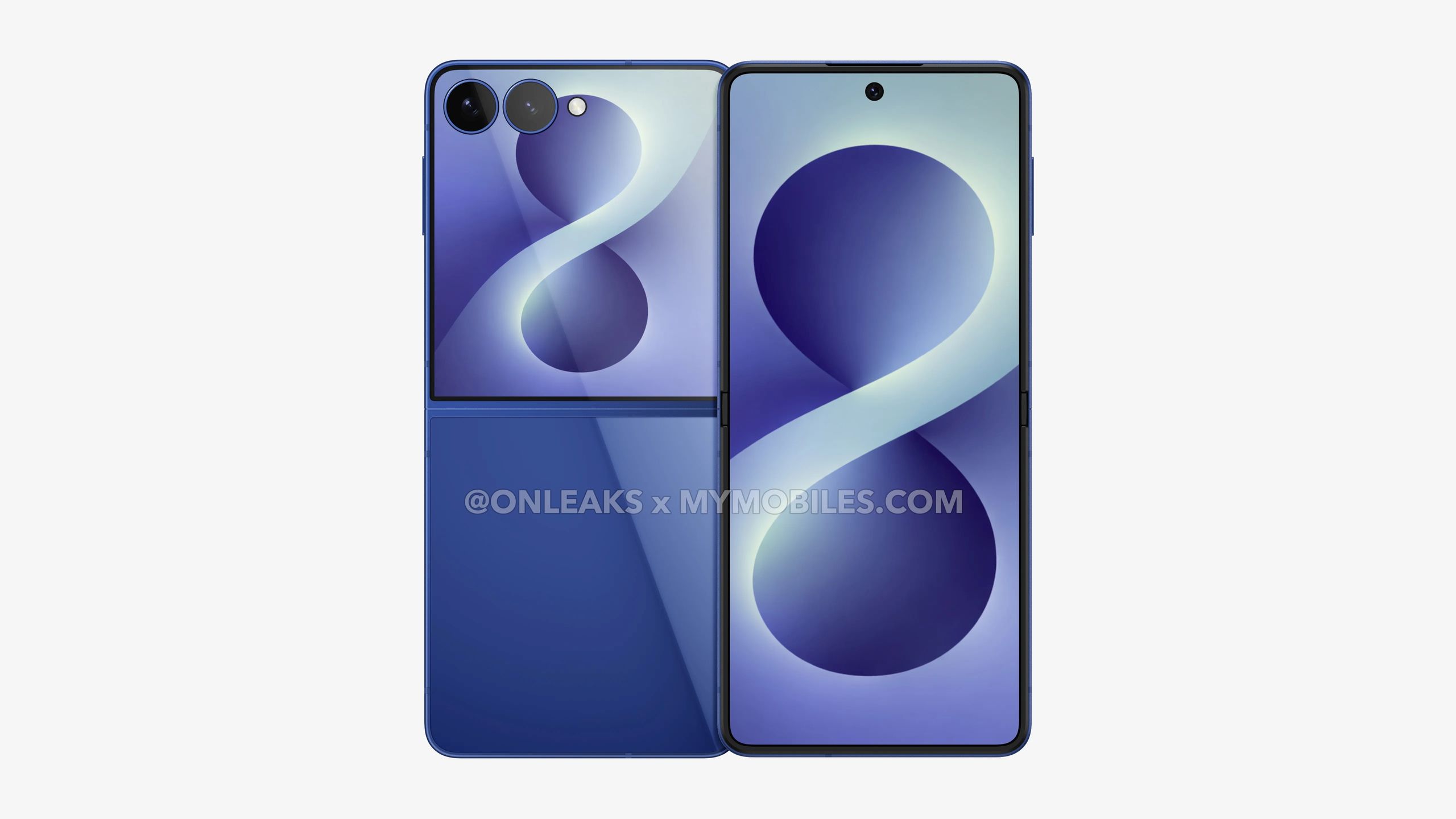
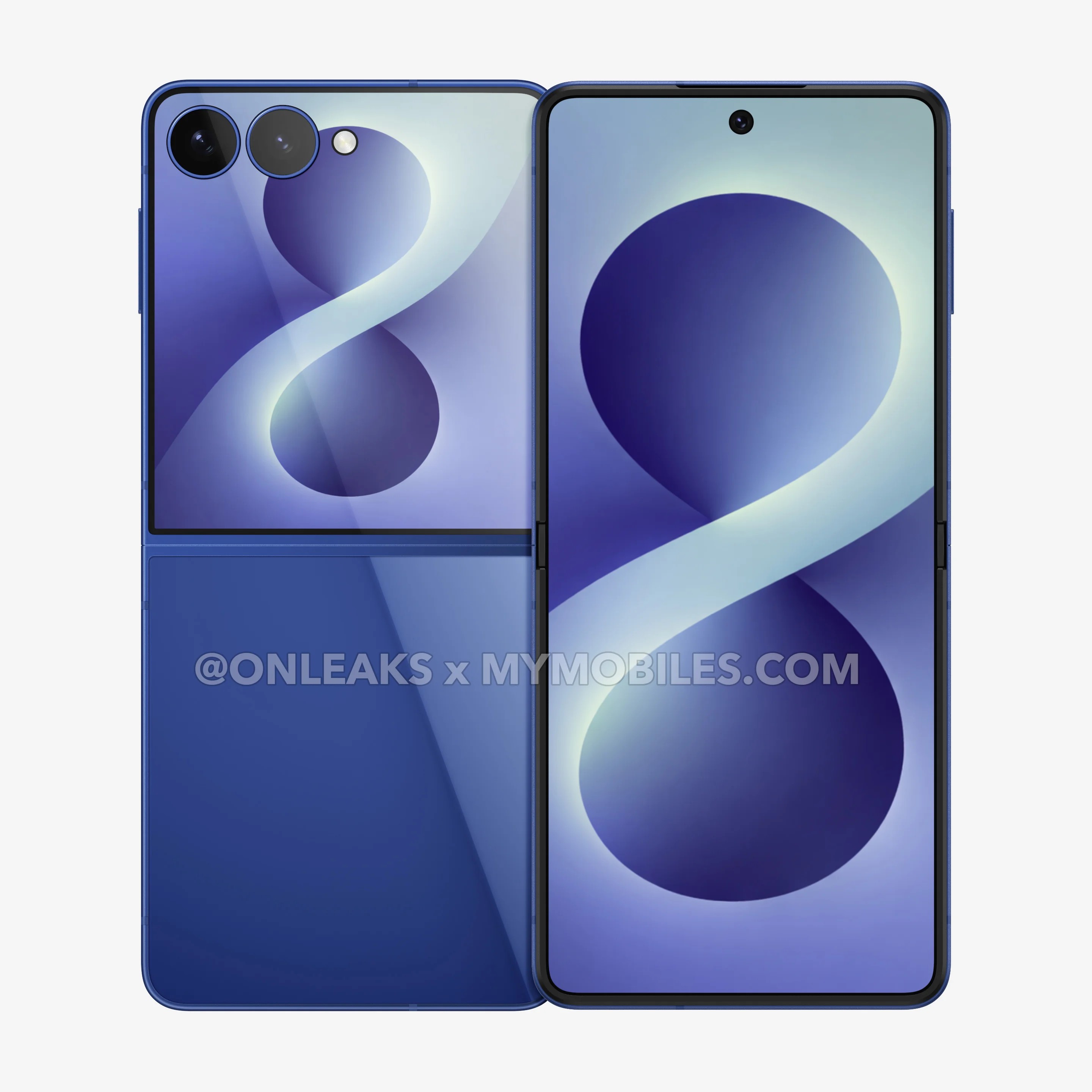
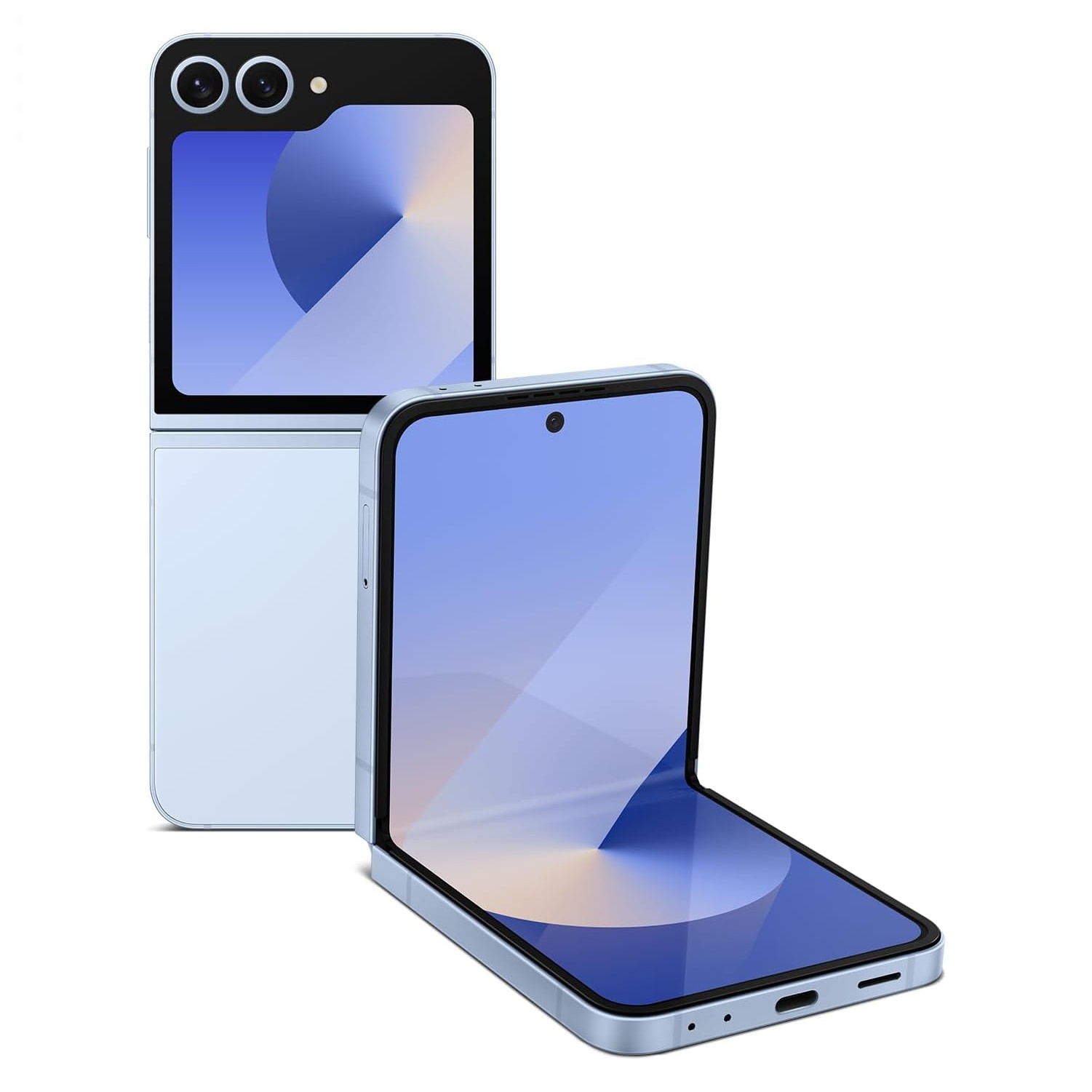
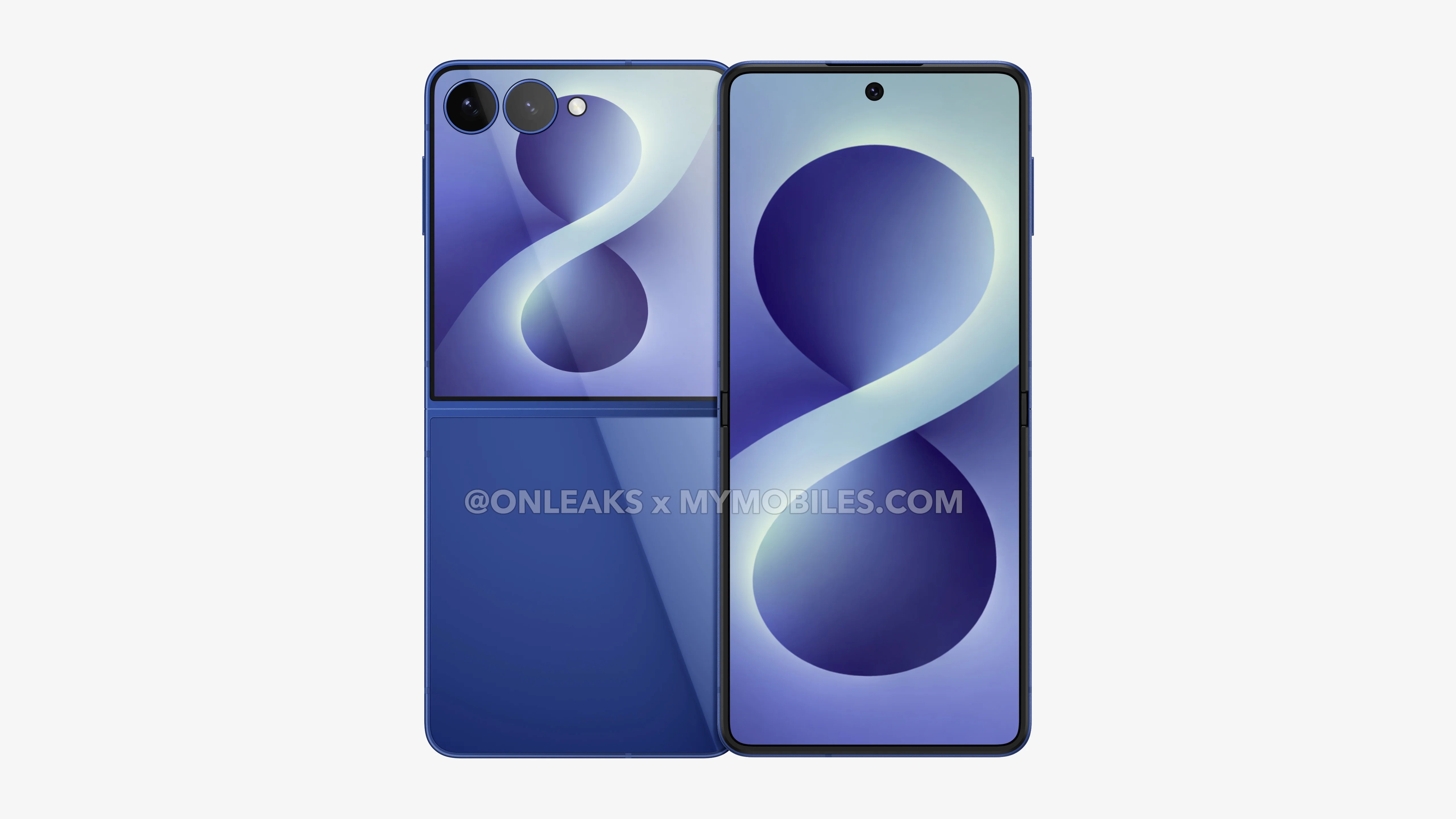
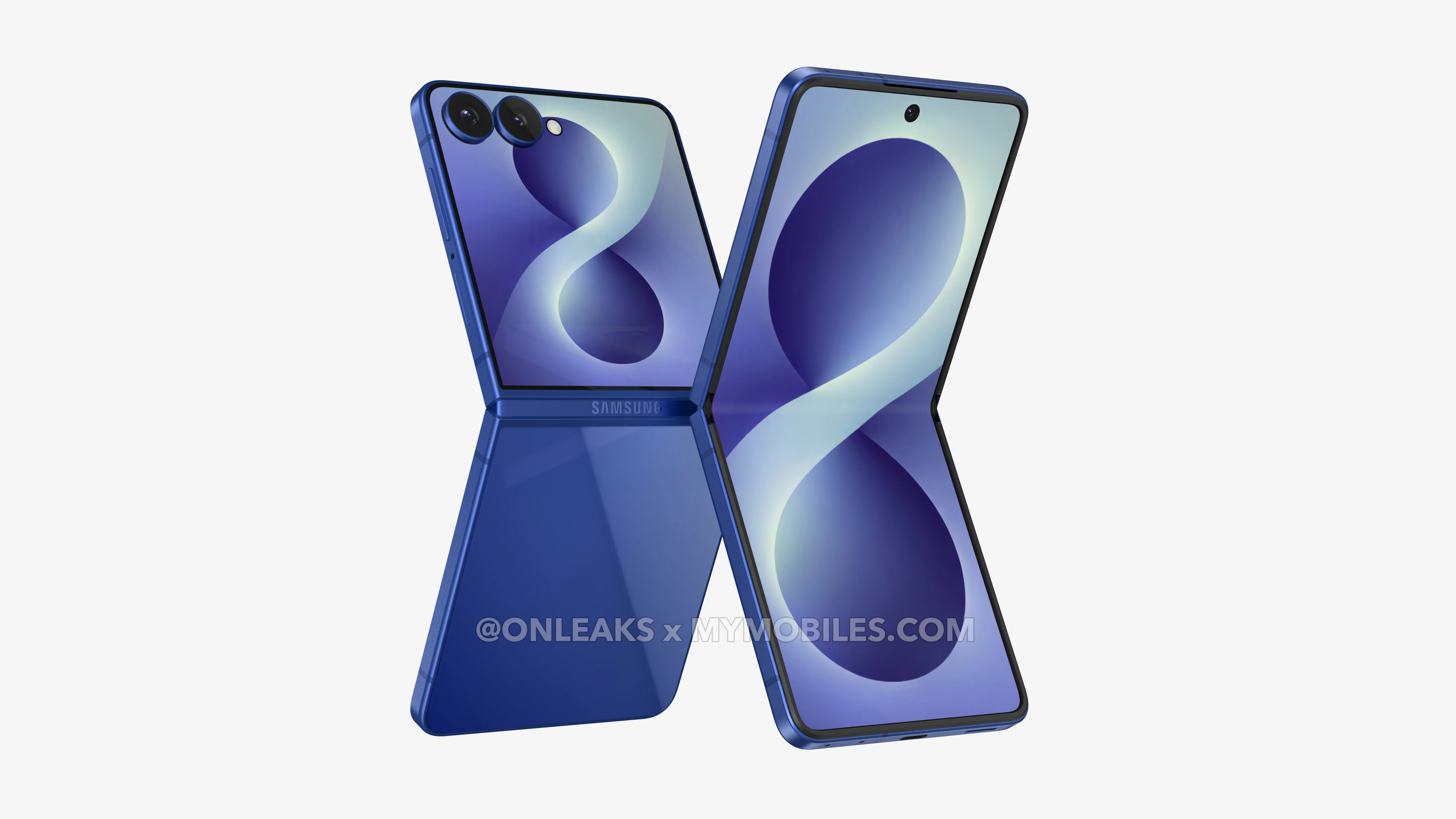
Samsung’s design philosophy for the Z Flip series has consistently favored a sleek, minimalist aesthetic, and the Galaxy Z Flip 8 is expected to continue this trend. Leaked renders suggest that the Z Flip 8 will largely retain the familiar form factor of the Z Flip 7, characterized by a relatively square body, a thin chassis, and a prominent cover screen. This continuity in design language reflects Samsung’s confidence in a winning formula that balances elegance with practicality. The primary physical distinction noted is a potential marginal increase in thickness for the Z Flip 8, estimated at just 0.1mm more than its predecessor. While seemingly minor, this slight change could be indicative of internal reconfigurations, such as accommodating a larger battery, although current rumors suggest the battery capacity might not see a substantial upgrade.
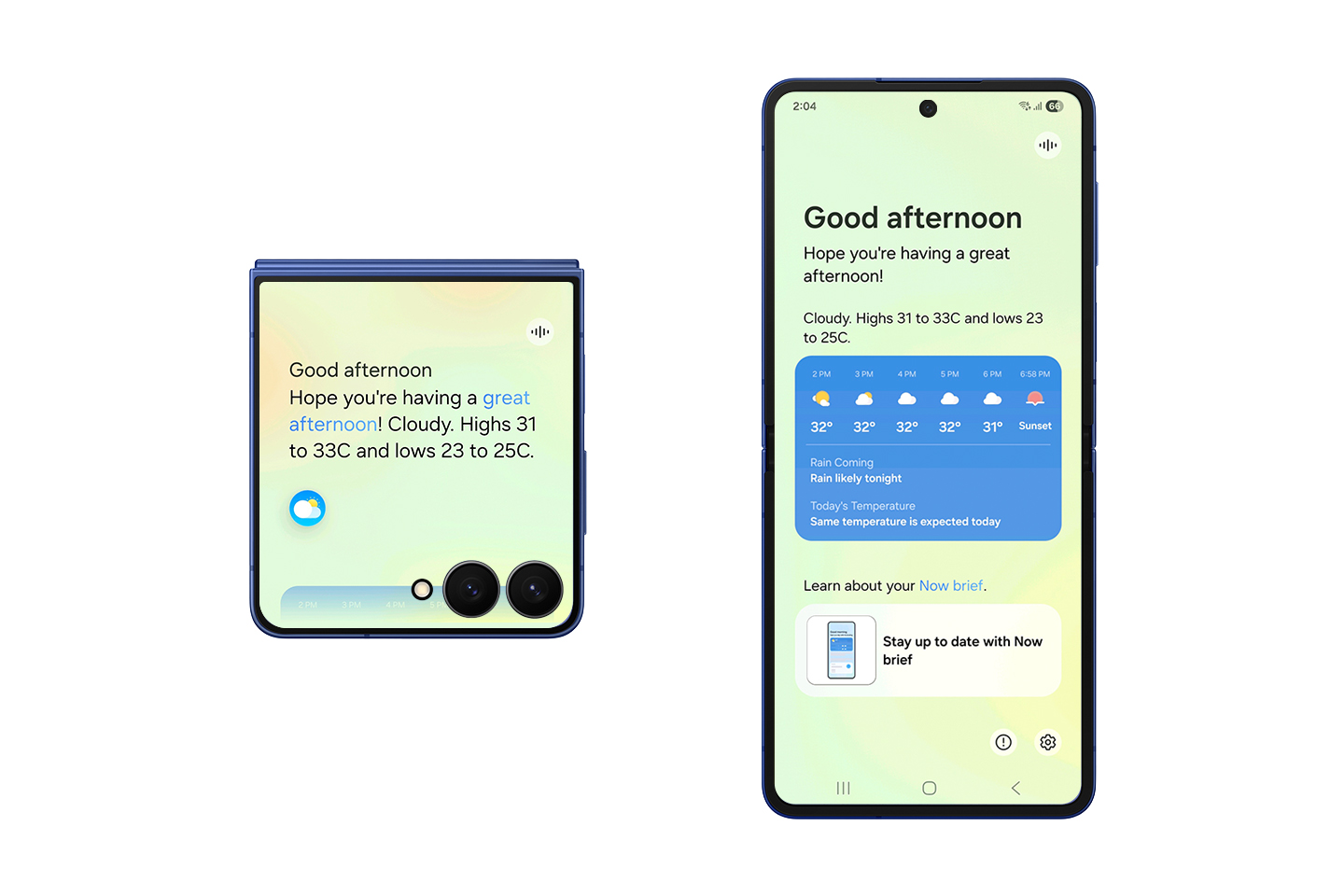
The Galaxy Z Flip 6, as the preceding model, features a similarly boxy design but is noted to be thicker than the anticipated Z Flip 8, measuring approximately 6.9mm when unfolded. This comparison highlights a general industry trend towards thinner foldable devices, driven by consumer preference for less bulky phones. A significant differentiator between the two generations lies in the cover screen. The Z Flip 6 sports a 3.4-inch cover display, whereas the Z Flip 8 is rumored to expand this to a more generous 4.1 inches. This larger external display on the Z Flip 8 would offer enhanced utility, allowing users to interact with more widgets, notifications, and quick settings without needing to unfold the main screen. Furthermore, the Z Flip 8 is expected to adopt a wider aspect ratio for its cover screen, which some users may find more comfortable and practical for tasks like responding to messages or viewing multimedia, contrasting with the taller aspect ratios often seen in flip phones, including the Z Flip 6.
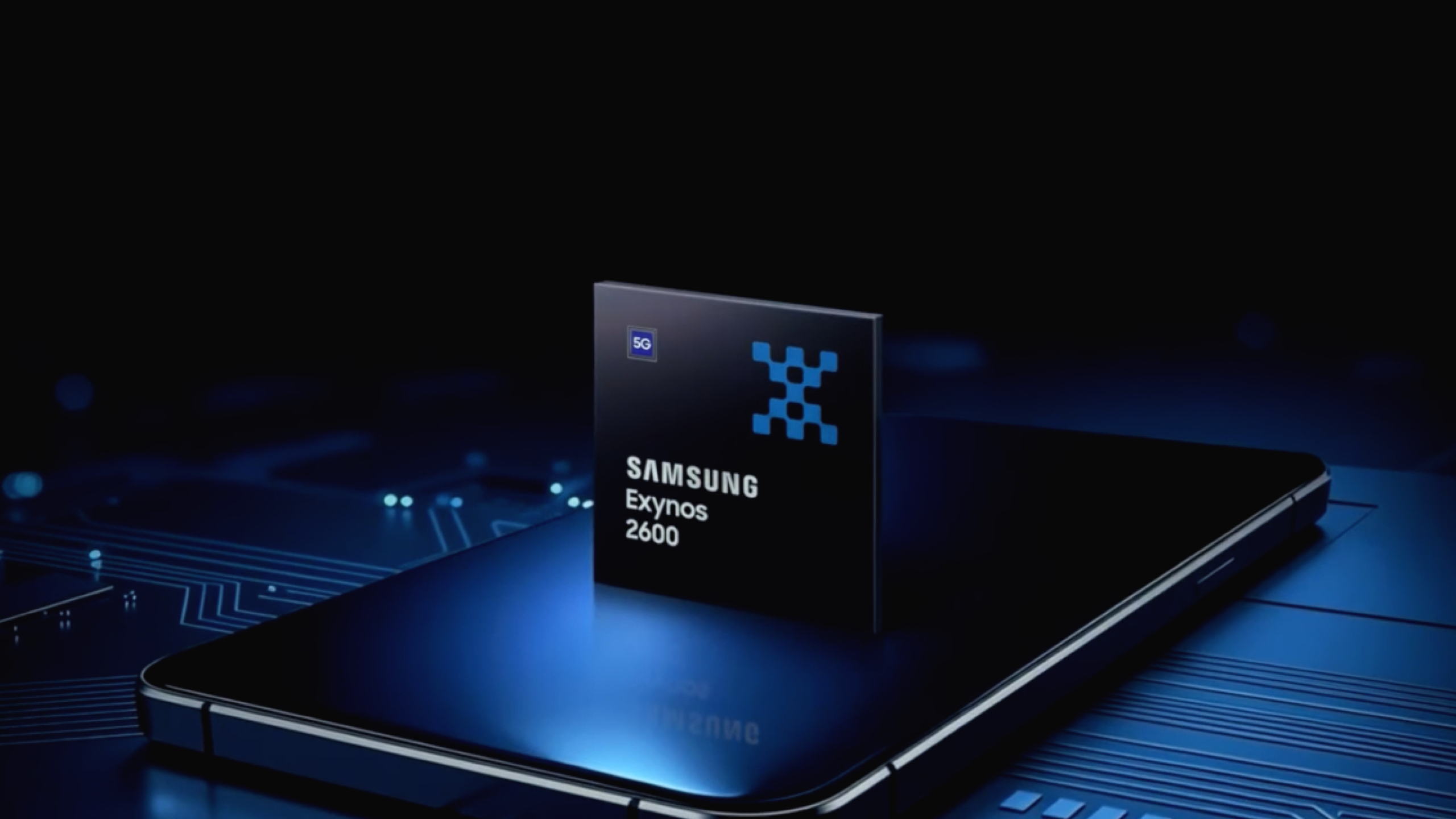
Under the hood, the Galaxy Z Flip 8 is projected to receive a substantial performance upgrade with the integration of the Exynos 2600 chipset. This advanced processor is also slated to power international variants of Samsung’s Galaxy S26 and S26 Plus flagship phones, signaling its high-performance capabilities. The Exynos 2600 is expected to deliver a significant boost in raw processing power and energy efficiency, largely attributed to its rumored 2nm manufacturing process. This would represent a notable leap over the Snapdragon 8 Gen 3 chipset, which powers the Galaxy Z Flip 6. The newer Exynos chip’s enhanced neural processing unit (NPU) is crucial for the Z Flip 8’s anticipated advanced AI features, enabling faster and more complex on-device AI computations.
In terms of memory, the Z Flip 8 is likely to maintain the 12GB of RAM found in the Z Flip 6. While an increase in RAM could further boost multitasking capabilities, the ongoing RAM crisis and its impact on manufacturing costs make it a challenging proposition. Samsung’s decision to retain 12GB of RAM would be a pragmatic choice to balance performance with cost-effectiveness, ensuring a smooth user experience without drastically inflating the device’s price. Storage options are expected to remain consistent with previous generations, likely starting at 256GB and extending to 512GB, utilizing the latest UFS (Universal Flash Storage) standards for rapid data access.
Battery life is a critical aspect for any smartphone, and foldables, with their dual screens and unique form factor, face particular challenges. The Galaxy Z Flip 8 is rumored to feature a 4,300mAh battery, a 300mAh increase over the Z Flip 6’s capacity. While this physical increase is welcome, the actual improvement in battery endurance will depend on the power efficiency of the new Exynos 2600 chip and the demands of its advanced features. Samsung aims for the Z Flip 8 to comfortably last a full day on a single charge under typical usage. The device is also expected to incorporate Qi2 wireless charging support, offering faster and more efficient wireless charging capabilities, though it is unlikely to include built-in magnets for MagSafe-style accessories. Wired charging speeds are anticipated to remain competitive, supporting rapid replenishment of the battery. Other hardware considerations include an improved hinge mechanism for enhanced durability and a flatter screen crease, as well as a robust IP water and dust resistance rating, critical for foldable devices. High-quality stereo speakers, improved haptic feedback, and advanced connectivity options like Wi-Fi 7 and Bluetooth 5.4 are also expected to round out the premium hardware experience.
Software and AI: The Intelligence Quotient
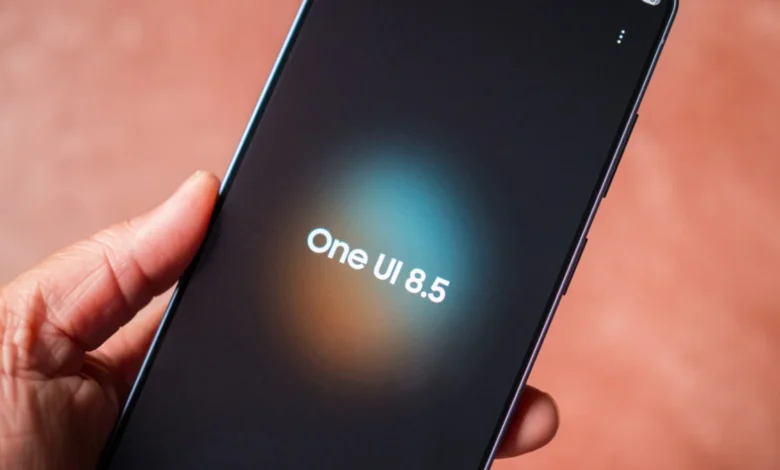
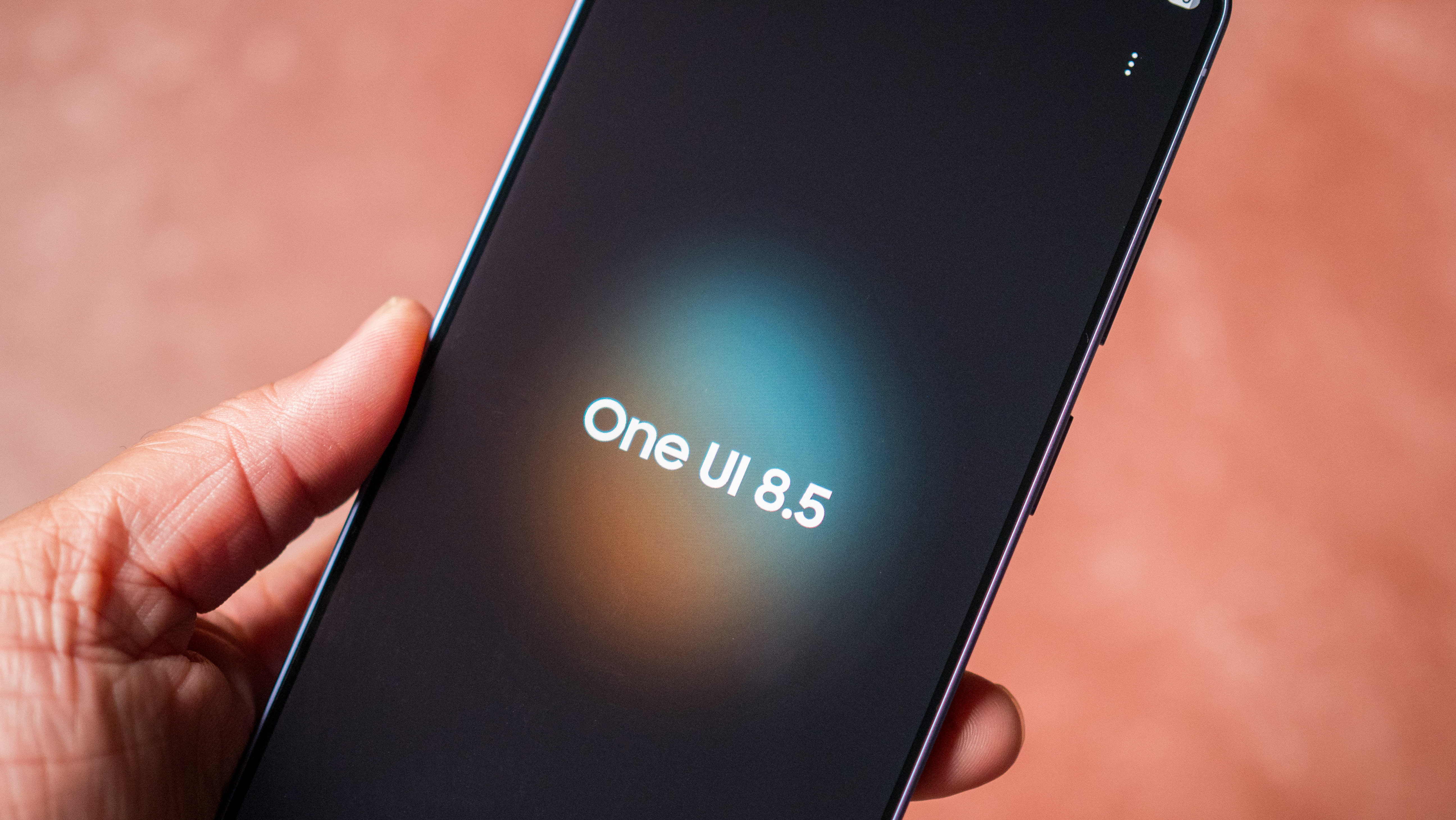
The software experience on a Samsung device is largely defined by its One UI overlay, built on top of Google’s Android operating system. The Galaxy Z Flip 8 is anticipated to launch with either One UI 8.5 based on Android 16 or potentially One UI 9 based on Android 17. The precise Android version depends on the final timing of its release, given that Android 17 is expected to launch sometime before July. Samsung has already initiated testing of its latest One UI versions on its devices, indicating a commitment to delivering the most current software.
Android 17 is poised to introduce a suite of new features and enhancements. Early builds have showcased innovations such as the "Tap to Share" functionality within Quick Share, enabling seamless content and contact information exchange by simply tapping phones together. Other rumored improvements include larger, more accessible controls within the Quick Settings panel and a broader range of accessibility features designed to enhance usability for all users. These foundational Android improvements will be augmented by Samsung’s proprietary One UI, which offers extensive customization options and features specifically tailored for foldables, such as Flex Mode, which optimizes app layouts when the phone is partially folded.
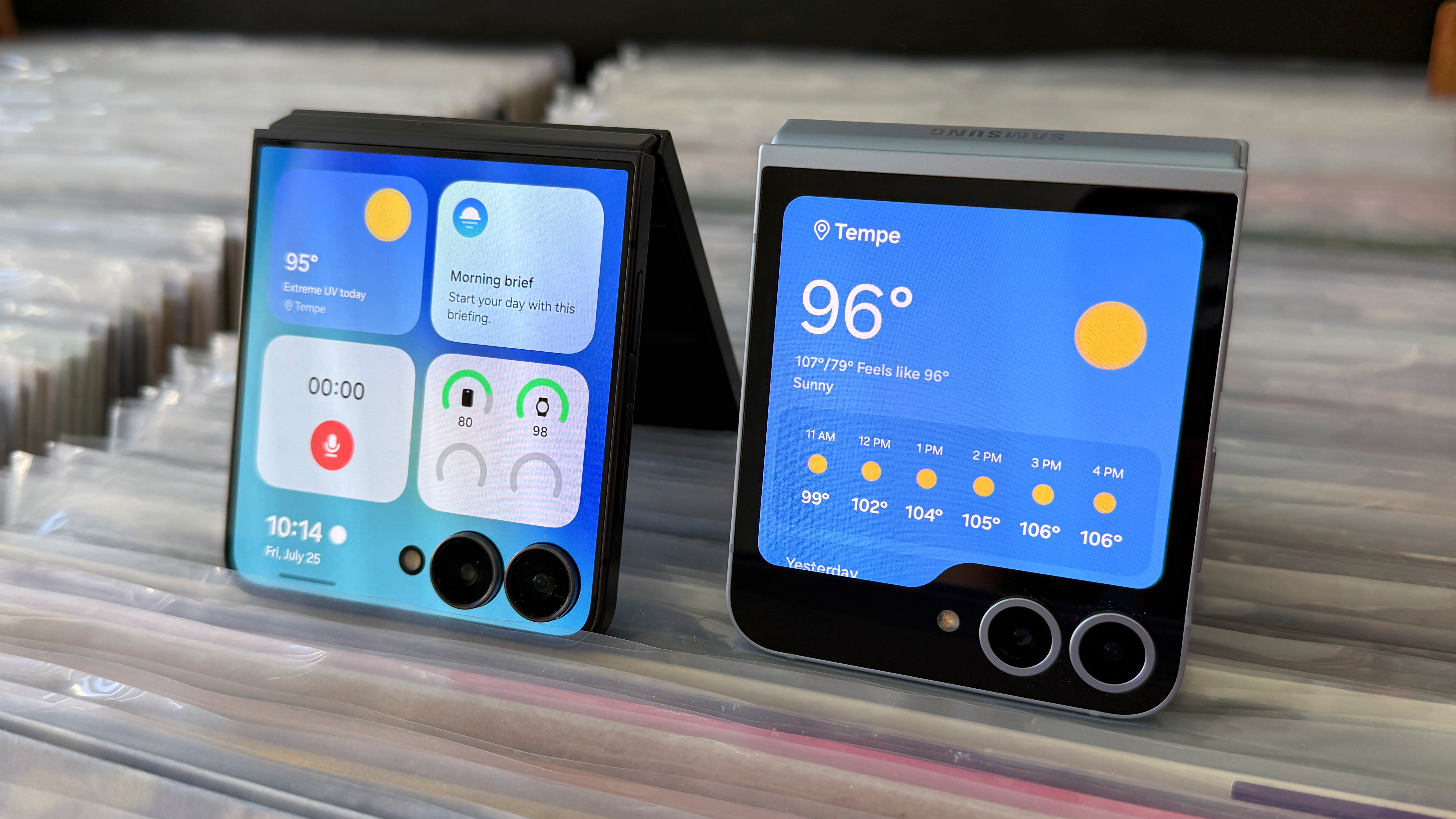
A significant highlight of the Z Flip 8’s software will be its deep integration of Galaxy AI features. Following the precedent set by Samsung’s recent flagships, the Z Flip 8 is expected to offer a comprehensive suite of AI capabilities, including Circle to Search, Live Translate for real-time communication, and advanced generative AI functions. The "Gemini screen automation" feature, for instance, could leverage Google’s AI models to automate complex tasks based on on-screen content, enhancing productivity and user convenience. The powerful Exynos 2600 chip, with its dedicated NPU, will facilitate efficient on-device AI processing, enabling faster responses and maintaining user privacy by reducing reliance on cloud-based AI.
In contrast, the Galaxy Z Flip 6, which launched with One UI 6.1.1 based on Android 14, has since received updates to Android 15 and is expected to get Android 16. A notable advantage of the Z Flip 6 is Samsung’s commitment to providing seven years of software updates, a policy that significantly extends the device’s lifespan and ensures continued access to the latest Android versions, including Android 17, when it becomes available. However, while the Z Flip 6’s Snapdragon 8 Gen 3 chipset is capable, its on-device AI processing capabilities are more limited compared to the anticipated Exynos 2600 in the Z Flip 8. This limitation means that some of the more complex, resource-intensive AI features might require a continuous internet connection for cloud processing or may operate at a slower pace on the Z Flip 6. Nevertheless, the prolonged software support ensures that the Z Flip 6 remains a viable and up-to-date device for many years to come, receiving security patches and core Android functionalities.
Cameras: Computational Photography at the Forefront
The camera systems in Samsung’s flip phones have consistently aimed to deliver reliable performance, leveraging both hardware and software optimizations. The Galaxy Z Flip 8 is expected to maintain the established camera hardware configuration, featuring a dual-rear camera setup comprising a 50MP primary sensor and a 12MP ultrawide lens, alongside a single front-facing selfie camera. This configuration has been adopted across several generations, including the Z Flip 6 and Z Flip 7, indicating Samsung’s satisfaction with its performance for the compact form factor. While the megapixel count may remain unchanged, the Z Flip 8 is likely to benefit from improvements in image processing due to its newer and more powerful Image Signal Processor (ISP) within the Exynos 2600 chipset. This can lead to subtle yet significant enhancements in image quality, including better dynamic range, improved low-light performance, and more accurate color reproduction, without necessitating a complete overhaul of the sensor technology.
The true innovation in the Z Flip 8’s camera experience will likely stem from its advanced AI capabilities. Features like "Photo Assist" are expected to empower users with sophisticated on-device photo editing, allowing for natural language commands to perform complex adjustments, such as object removal, background manipulation, and image remastering. This integration of generative AI directly into the camera and gallery applications simplifies professional-grade editing, making it accessible to a broader user base. The Z Flip’s unique form factor also enhances photography, allowing for hands-free shooting in Flex Mode, which can act as its own tripod for stable shots or unique angles.
The Galaxy Z Flip 6, with its 50MP+12MP rear camera setup, already offers a solid photographic experience. It is anticipated to receive new photo-editing features through software updates, including some AI-driven enhancements. However, due to its comparatively less powerful on-device AI processing capabilities (even with a Snapdragon 8 Gen 3), certain complex AI photo features might require a connection to Samsung’s cloud servers to function optimally, or processing times might be noticeably longer. Despite this, the Z Flip 6’s camera remains highly capable for everyday photography, benefiting from Samsung’s extensive experience in computational photography and image optimization. Both devices are expected to offer robust video recording capabilities, including high-resolution capture and advanced stabilization technologies, ensuring smooth and professional-looking footage.
Conclusion: Which Flip Phone to Choose?
The choice between the upcoming Galaxy Z Flip 8 and the preceding Galaxy Z Flip 6 hinges on several factors, including budget, desired features, and upgrade cycle. For current owners of the Galaxy Z Flip 6 (or any model preceding the Z Flip 7), the Galaxy Z Flip 8 represents a compelling upgrade. It promises a significantly faster and more AI-capable chipset in the Exynos 2600, a larger and more functional cover screen, a potentially thinner and refined chassis, and access to the very latest software innovations, including the full suite of Galaxy AI features. Furthermore, opting for the Z Flip 8 ensures eligibility for future Android versions for an extended period, maximizing the device’s longevity and feature set. The enhancements in processing power and AI integration alone make the Z Flip 8 a strong contender for those seeking the pinnacle of foldable technology.
For prospective buyers who do not currently own a Galaxy Z Flip device and are deciding between these two generations, the landscape is somewhat different. The Galaxy Z Flip 6 is officially discontinued by Samsung, meaning brand-new units are no longer readily available directly from the manufacturer. The primary avenues for acquiring a Z Flip 6 would be through refurbished markets or by locating residual stock from carriers or third-party retailers. While this might offer a more budget-friendly entry into the foldable segment, the availability is limited, and the warranty and support might vary. In this scenario, purchasing the newer Galaxy Z Flip 8 upon its launch might be a more straightforward and future-proof option, guaranteeing the latest hardware, software, and full manufacturer support. Alternatively, the Galaxy Z Flip 7, which would likely see price reductions following the Z Flip 8’s release, could present an attractive middle-ground, offering many modern features at a potentially lower cost.
Ultimately, the Galaxy Z Flip 8 is poised to continue Samsung’s legacy of innovation in the foldable space, pushing the boundaries of performance and intelligent features. Its anticipated advancements in AI, processing power, and user interface are designed to offer a more seamless and intuitive smartphone experience. The Galaxy Z Flip 6, despite being a previous generation, remains a formidable device, offering powerful specifications and an exceptional seven years of software support, making it a valuable option if found at a competitive price in the secondary market. Consumers prioritizing the absolute latest technology, cutting-edge AI, and guaranteed long-term official support should lean towards the Z Flip 8. Those on a tighter budget, who can find a well-maintained Z Flip 6, will still enjoy a premium foldable experience with extensive software longevity.