Smartwatch Evolution: A Decade of Iteration in Core Features Amidst Rapid Technological Advance

A decade after the initial wave of mainstream smartwatches began to hit the market, a critical examination reveals a compelling paradox: while the underlying technology has evolved at a breakneck pace, the fundamental user experience and the most valued core features have largely settled into established patterns. This observation, spanning from the launch of devices like the Samsung Gear Fit 2 in 2016 to the advanced wearables of 2026, suggests that the perceived "innovation" in smartwatches might be more about refinement and integration than revolutionary shifts in daily interaction.
The journey of smartwatches from niche gadgets to ubiquitous health and notification hubs has been marked by significant technological leaps. Yet, for many users, the essential attributes that define a good smartwatch remain strikingly consistent: supreme comfort, an ever-present display for immediate information, and a practical battery life that integrates seamlessly into daily routines. These pillars, often overlooked in the pursuit of novel features, are arguably the true differentiators in a crowded and competitive market.
The Foundational Importance of Comfort and Ergonomics
The initial foray into the smartwatch market by many users often begins with a focus on specifications and features. However, experience quickly teaches that the most profound aspect of a wearable device is its physical presence on the wrist. If a smartwatch is not comfortable, its utility, regardless of its technological prowess, rapidly diminishes. This insight, echoed by many long-term users, highlights comfort as a non-negotiable cornerstone of smartwatch design.
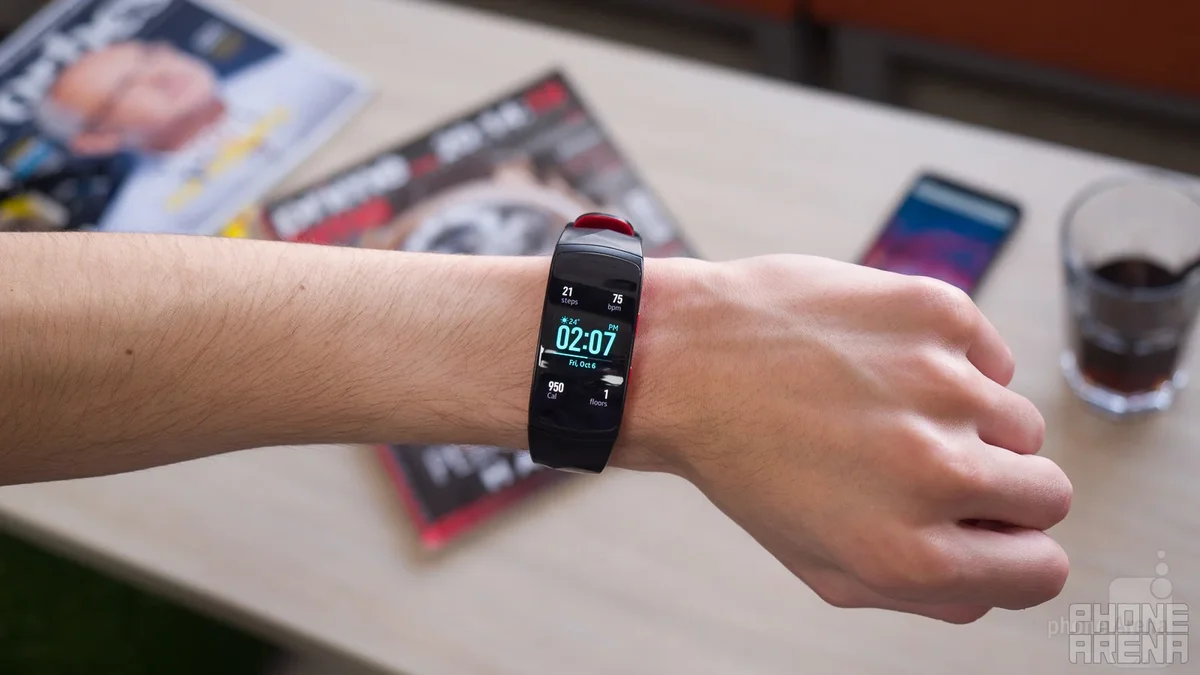
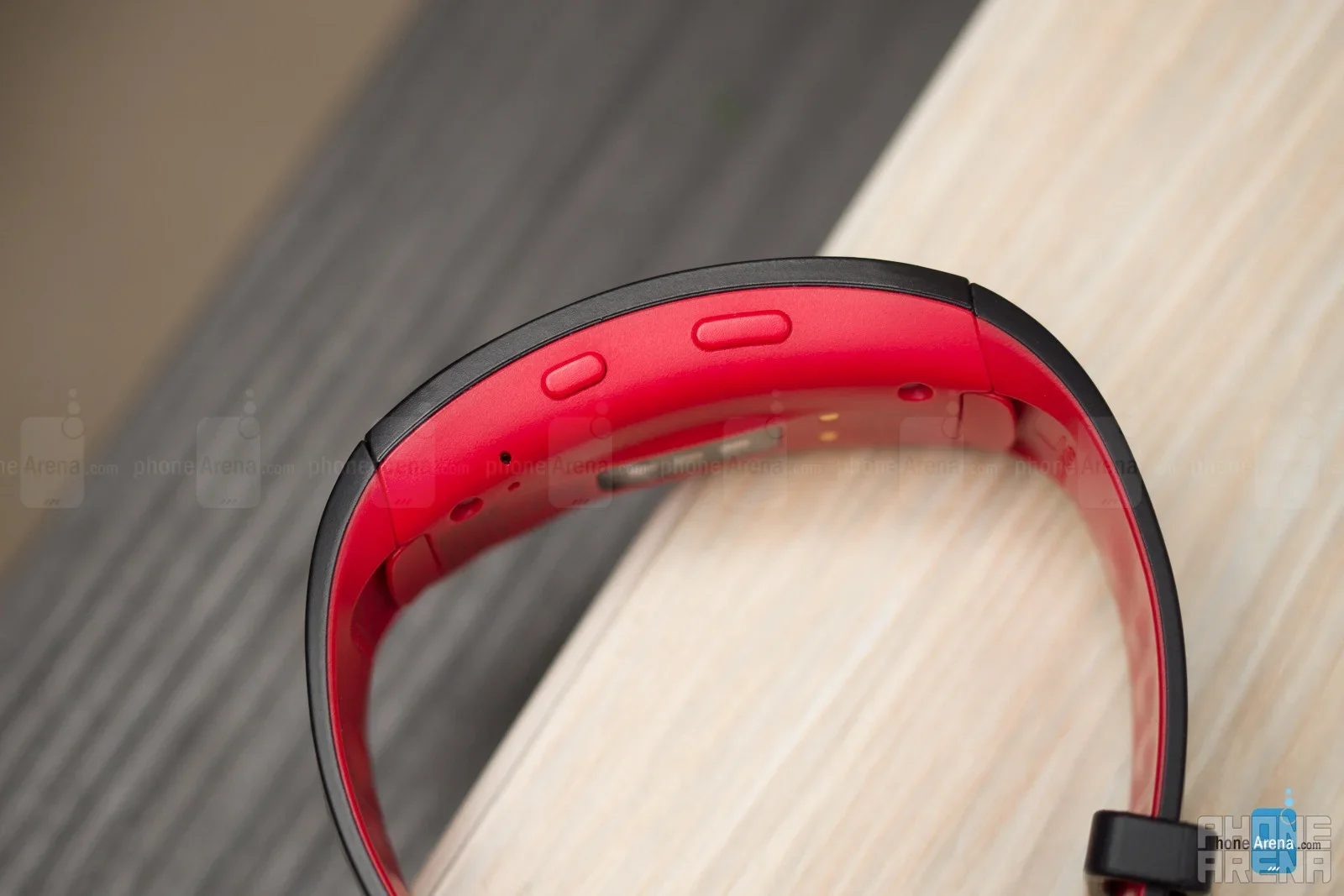
Early models like the Samsung Gear Fit 2, released in 2016, exemplified this principle with its ergonomic design. Featuring a curved OLED display and a body meticulously contoured to the wrist’s natural curvature, it weighed a mere 28 grams. This lightweight, form-fitting construction allowed users to frequently forget they were even wearing the device, a testament to superior ergonomic engineering. The plastic body and lightweight strap contributed significantly to this "invisible" experience, fostering continuous wear, which is crucial for consistent fitness and health tracking.
Even in 2026, despite advancements in materials and miniaturization, comfort remains a diverse landscape. While many modern smartwatches have become lighter and sleeker, some premium models, prioritizing robust materials like stainless steel or titanium, can still feel bulky or heavy on smaller wrists. The subtle art of distributing weight, crafting gentle curves, and selecting skin-friendly strap materials often receives less attention in product reviews than processor speeds or sensor counts, yet it profoundly impacts user adoption and satisfaction. Industry data consistently shows that comfort is a primary factor influencing long-term wearable usage. A 2023 consumer survey by TechInsights indicated that 45% of smartwatch owners cited "comfort for all-day wear" as a top-three purchasing criterion, slightly surpassing advanced health features for general users. This underscores the enduring relevance of tactile user experience over raw specifications.
The implication for manufacturers is clear: while integrating advanced health sensors and sophisticated software, the fundamental physical interface – how the device feels on the body – must not be compromised. The advice to "try before you buy" a smartwatch, if feasible, remains as pertinent in 2026 as it was in 2016. The subjective nature of comfort means that what works for one individual may not for another, making personal fitting an invaluable step in the purchasing process.
The Indispensable Nature of the Always-On Display (AOD)
The concept of an always-on display (AOD) for smartwatches initially sparked debates regarding its impact on battery life. However, a decade of use has firmly established AOD as a fundamental feature, transforming the smartwatch from a mere notification gadget into a genuine timepiece. The utility of a watch, fundamentally, is its ability to tell time at a glance without requiring explicit user interaction.
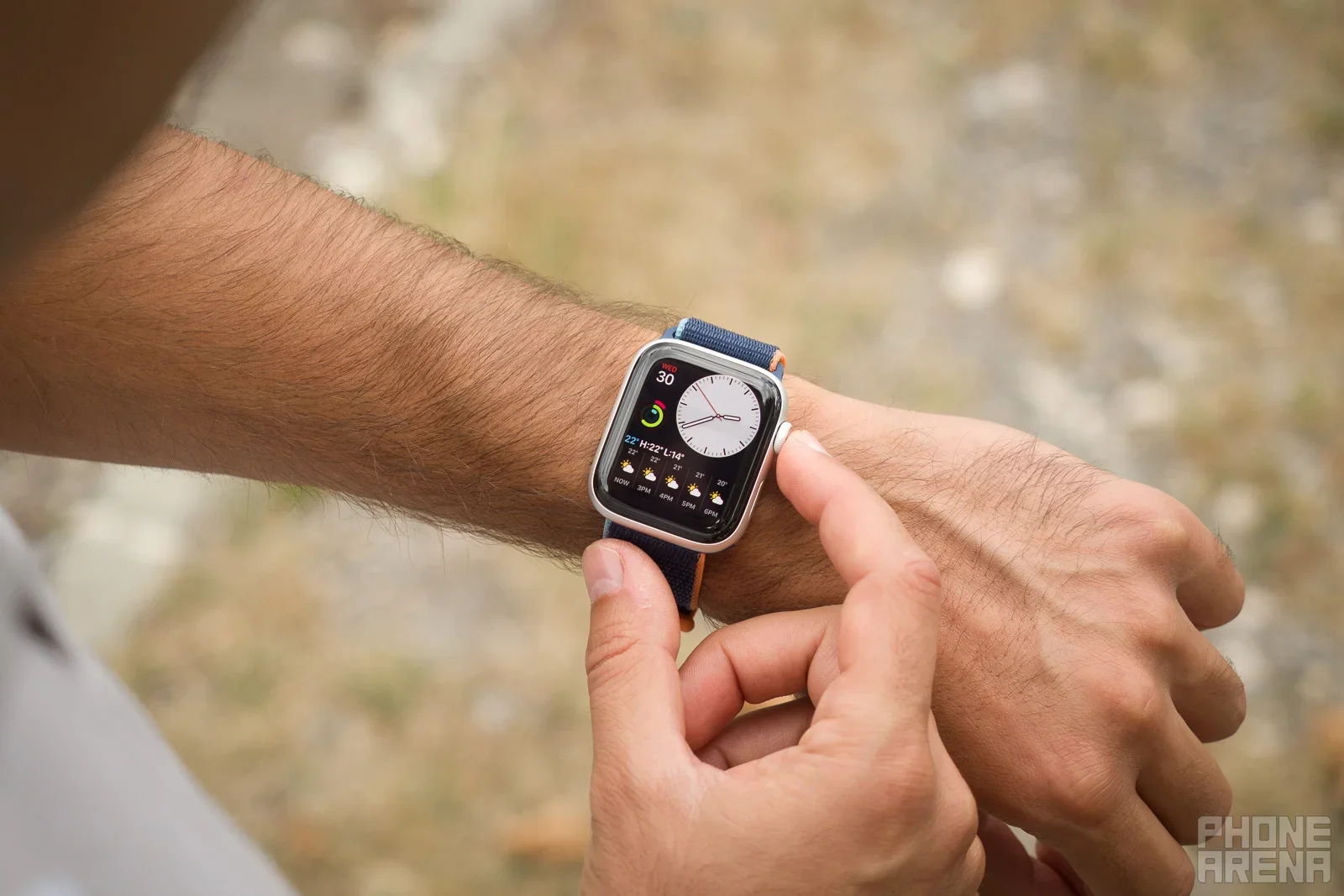
Early fitness trackers often relied on "lift-to-wake" gestures, which, while conserving battery, introduced a noticeable delay and a degree of annoyance. The transition to full-fledged smartwatches, even for fitness-focused devices like the Gear Fit 2, highlighted this deficiency. The shift in perspective was particularly evident for devices that initially omitted AOD, such as the Apple Watch SE upon its release in 2020. Users accustomed to instantaneous time-telling found the constant need to raise their wrist or tap the screen disruptive and counter-intuitive to the very purpose of wearing a watch.
Technologically, the widespread adoption of OLED and AMOLED displays has been pivotal for AOD. These display types allow individual pixels to be turned on or off, enabling the display of essential information (like time, date, or basic complications) with minimal power consumption, unlike traditional LCDs which require a full backlight. Advancements in low-power display drivers and adaptive refresh rates further optimized AOD performance, making it a standard feature across most mid-range and premium smartwatches by the mid-2020s.
Industry analysts, such as those at IDC, have noted the increasing consumer expectation for AOD. Reports indicate that smartwatches lacking this feature often face criticism for failing to deliver a core watch experience, potentially impacting sales in competitive segments. The implication is that manufacturers who prioritize battery life over AOD risk alienating a significant portion of the market that values the immediate, passive utility of a traditional wristwatch. The AOD’s evolution is a prime example of how user experience, rather than raw technical capability, often dictates feature priority and market success.
Rethinking Battery Life: Sufficiency Over Extremes
The discourse surrounding smartwatch battery life has often been polarized, with a strong emphasis on achieving multi-day longevity. However, practical user experience over the past decade has nuanced this perspective, revealing that "sufficient" battery life, tailored to individual routines, often holds more weight than absolute maximum duration for many users.
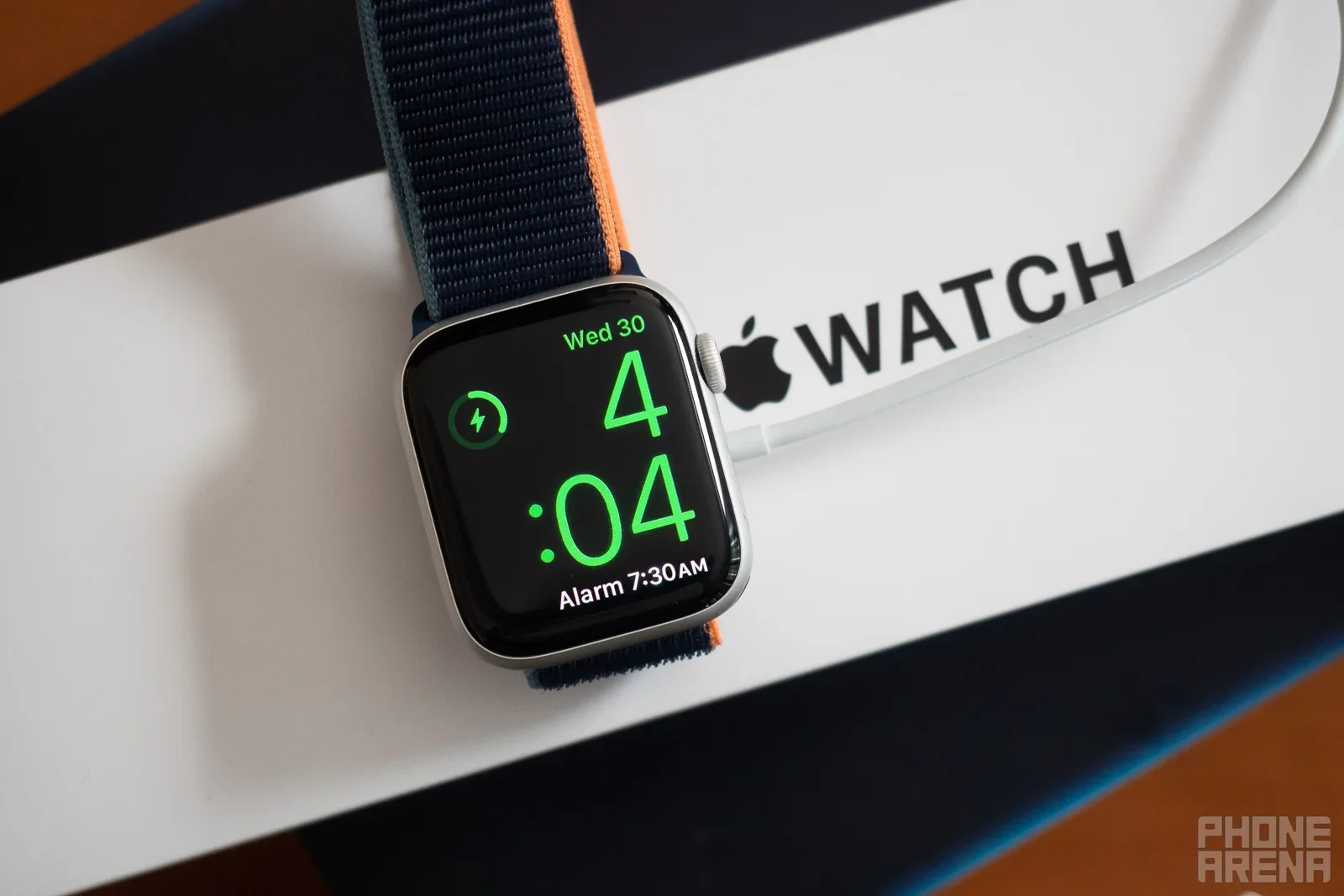
Initially, a device offering only 18 hours of battery life, such as many Apple Watch models, was viewed as a significant limitation. The perception was that daily charging constituted an inconvenience. Yet, for a large segment of the user base, this cycle has proven entirely manageable. For individuals who remove their watch at night, perhaps due to discomfort or simply as part of a winding-down routine, overnight charging integrates seamlessly. This pattern mirrors the charging habits established with smartphones, making it a familiar and often unconscious part of daily life.
The critical caveat here lies in specific use cases. For those who prioritize continuous health monitoring, particularly sleep tracking, or who engage in extended outdoor activities without access to charging, multi-day battery life (typically 2-5 days) remains a highly desirable, if not essential, feature. Devices from brands like Garmin, Huawei, and some Samsung models cater to this segment, leveraging larger batteries, more efficient chipsets, and often less power-hungry operating systems to achieve extended endurance.
However, market data suggests that for the average consumer, a full day’s charge (18-24 hours) is increasingly considered acceptable, especially when coupled with robust feature sets and seamless integration into a broader digital ecosystem. A 2024 survey by Counterpoint Research revealed that while 60% of users desired multi-day battery life, 85% found a single day’s charge "acceptable" if the device offered compelling features and a premium experience. This indicates a growing pragmatism among consumers, balancing battery endurance against overall functionality and integration.
The implication for manufacturers is to segment their offerings. While high-end, adventure-focused smartwatches should continue to push battery boundaries, mainstream devices can focus on optimizing the 18-24 hour window, ensuring reliable performance throughout a typical day, even with features like AOD enabled. This strategic approach acknowledges diverse user needs rather than applying a blanket standard for battery performance.
Price vs. Features: The Diminishing Returns of Premium Materials
A significant trend observed over the last decade is the increasing convergence of core smartwatch functionalities across vastly different price points. While premium smartwatches command higher prices, this premium is increasingly tied to build materials, brand prestige, and specialized sensors rather than fundamental daily features.
In 2016, the gap in capabilities between a basic fitness band and a high-end smartwatch was substantial. By 2026, this chasm has narrowed considerably for many essential functions. Entry-level fitness bands, priced as low as $49-$79, now routinely offer accurate step counting, heart rate monitoring, sleep tracking, and smartphone notifications. Many also include basic water resistance, robust battery life, and even rudimentary app support.
The inclusion of features like built-in GPS (for phone-free outdoor exercise tracking) and NFC (for contactless payments) has also trickled down to mid-range smartwatches, often available for $150-$250. This means that for the vast majority of everyday tasks – checking the time, receiving alerts, and passively monitoring general health – a significant investment in a top-tier device is often unnecessary.
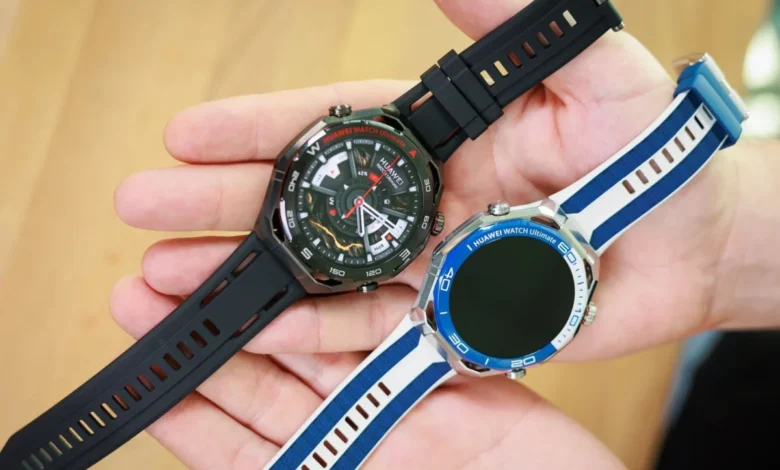
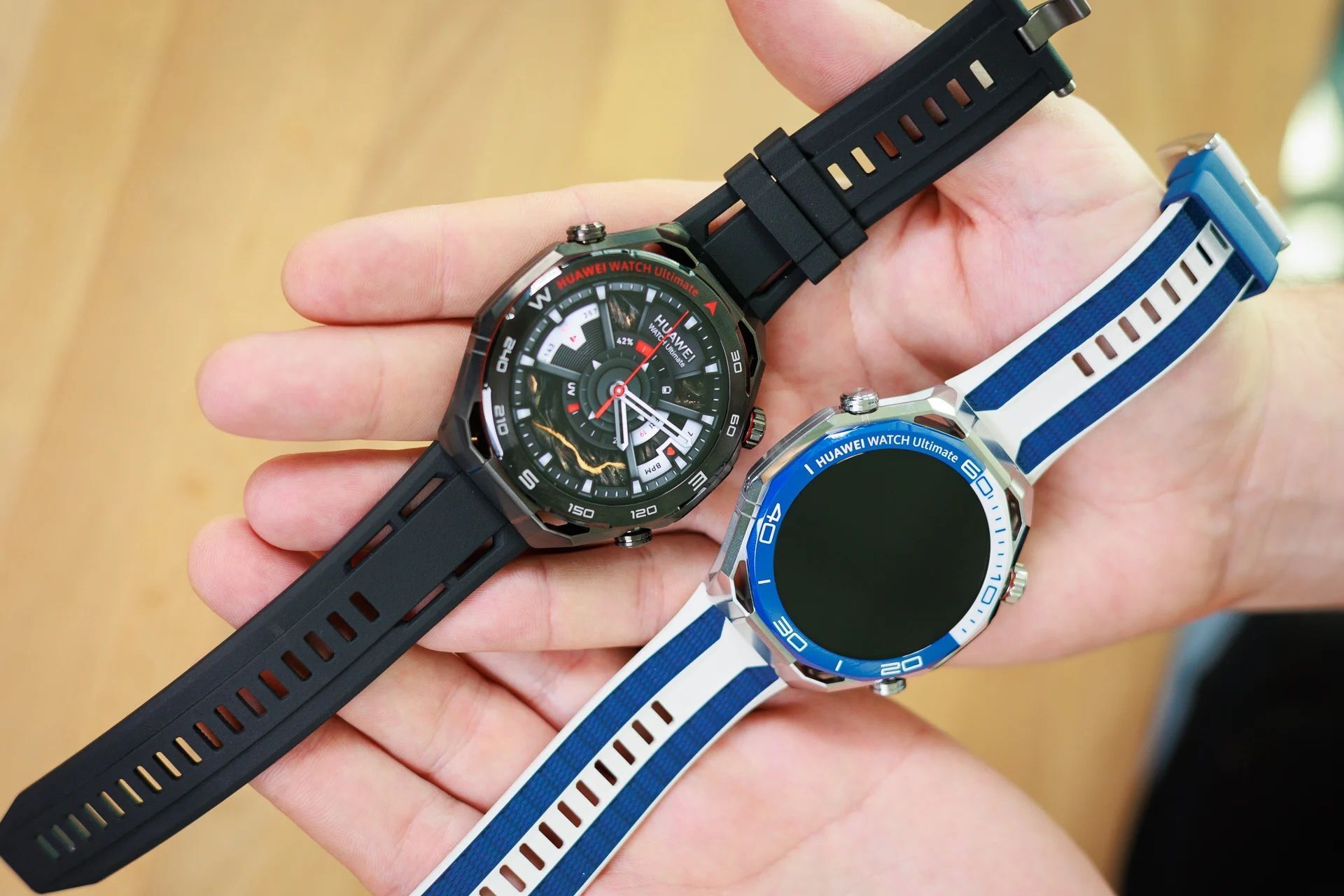
The truly high-end smartwatches, often priced above $500, increasingly justify their cost through ultra-premium materials. Zirconium alloy cases, titanium straps, sapphire glass displays, and ceramic finishes become distinguishing factors. These materials offer superior durability, scratch resistance, and a luxurious aesthetic, appealing to consumers who view their smartwatch as both a technological tool and a fashion accessory. Examples include devices like the Huawei Watch Ultimate, which leveraged such materials to deliver an "ultra-premium" experience.
However, the functional disparity between an $899 titanium-clad smartwatch and a $79 fitness band often becomes negligible once the initial novelty wears off and users settle into their routine. As noted by industry commentators, the "honeymoon period" of exploring advanced apps and exotic features often gives way to consistent reliance on core functionalities. This trend highlights a critical insight: while technological innovation continues to push boundaries in sensor accuracy, processing power, and connectivity, the practical daily application for many users remains focused on a concise set of functionalities.
This market dynamic implies that consumer education is crucial. Purchasers need to understand what they are truly paying for – whether it’s essential utility, advanced health diagnostics (like ECG, blood pressure, or continuous glucose monitoring that are still emerging), or simply the prestige and tactile pleasure of high-grade materials. For many, a well-designed, mid-range smartwatch offers the optimal balance of features and value.
The Enduring Power of Design and Personal Connection
Beyond the quantifiable metrics of comfort, display, and battery life, and the feature-to-price ratio, lies a profoundly subjective yet equally powerful driver of smartwatch adoption and loyalty: design and personal connection. A smartwatch, much like a traditional watch, is an extension of personal style and a fashion statement. Its aesthetic appeal and how it complements an individual’s appearance can often outweigh a slight deficiency in features or battery life.
This emphasis on design is reflected in the diverse range of smartwatch aesthetics available today, from minimalist and sleek to rugged and sporty, classic and elegant. Customizable watch faces, interchangeable straps made from various materials (silicone, leather, metal, fabric), and a choice of case colors allow for unprecedented personalization. This ability to tailor the device to one’s individual taste and occasion fosters a deeper sense of ownership and attachment.
Manufacturers have increasingly recognized this, investing heavily in design language, collaborations with fashion brands, and marketing campaigns that highlight smartwatches as lifestyle accessories. The success of devices like the Huawei Watch GT3 Pro ceramic edition, which garnered loyalty based on its distinctive appearance, underscores this point. Users often report that the smartwatches they wear most consistently are those they genuinely "love" the look and feel of, regardless of comparative technical specifications.
The implications for the industry are significant. While engineering teams strive for technological breakthroughs, design teams must simultaneously innovate to create devices that are not just functional but also desirable objects. This means balancing cutting-edge technology with timeless aesthetics and ensuring that the physical form factor enhances, rather than detracts from, the user’s overall experience and personal expression.
Conclusion: A Mature Market Focused on Refinement
The decade spanning from 2016 to 2026 has witnessed the smartwatch market mature significantly. While the early years were characterized by rapid experimentation and the introduction of groundbreaking technologies, the current landscape suggests a pivot towards refinement of core experiences. Innovation has not stalled entirely; rather, it has shifted focus. Breakthroughs continue in areas like advanced biometric sensors, AI-driven health insights, and micro-LED display technology promising even greater efficiency. However, these advancements increasingly serve to enhance the foundational user expectations rather than fundamentally redefine them.
The continued prominence of comfort, the necessity of an always-on display, a pragmatic approach to battery life, and the growing influence of design and personalization collectively define the contemporary smartwatch experience. These elements, though seemingly basic, are the bedrock upon which user satisfaction and sustained market growth are built. As the industry moves forward, success will likely depend not just on integrating the next big technological leap, but on seamlessly weaving these core attributes into devices that feel inherently right, look appealing, and integrate effortlessly into the fabric of daily life. The challenge for manufacturers is to innovate without forgetting the essential human-centric principles that make a smartwatch truly valuable.