Trump Mobile T1 Phone Receives Steep 50 Percent Price Hike Just Months After Launch


The Trump Mobile T1 Phone, a device that garnered significant media attention and political intrigue upon its initial announcement last year, has quietly implemented a dramatic price increase, surging from its launch price of $499 to a substantial $749. This sudden 50 percent upward revision occurs just months after the handset officially became available to consumers in June. The smartphone, which combines standard mid-range hardware with distinct political branding, now commands a price point that places it firmly in the territory of flagship devices from major established manufacturers, despite its underlying specifications reflecting a rebranded handset from the previous year.
Main Facts and Current Pricing Structure
The unexpected price adjustment on the official sales portal has transformed the market positioning of the Trump Mobile T1 Phone. When pre-orders and initial sales commenced in June, the $499 price tag positioned the device as an accessible option for supporters seeking a branded alternative to mainstream smartphones. However, the new $749 sticker price alters the value proposition significantly.
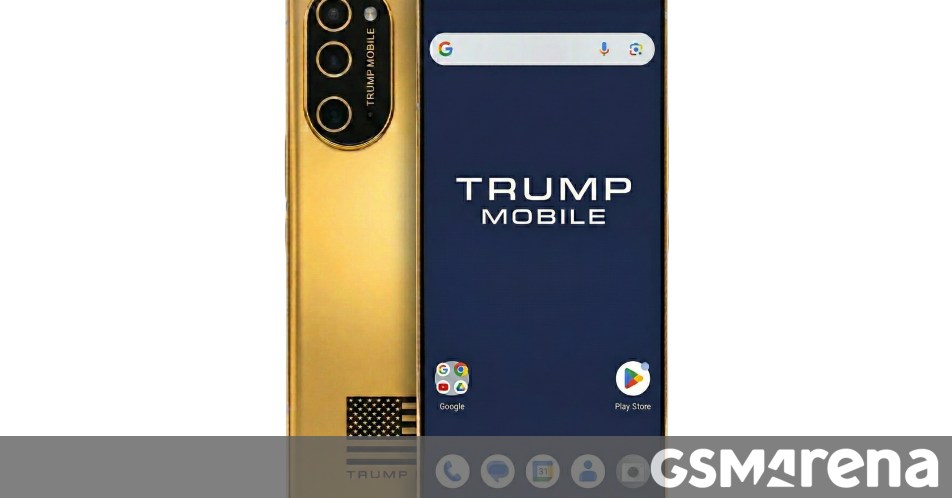
Industry analysts tracking the release have noted that the hardware specifications—featuring a 6.78-inch AMOLED display with a 120Hz refresh rate, a Qualcomm Snapdragon 7 Gen 3 chipset, 512GB of internal storage, and a 5,000 mAh battery with 30W wired charging—compete directly with high-performing mid-range devices that typically retail for considerably less. Furthermore, the camera array consists of a 50-megapixel primary sensor, an 8-megapixel ultrawide lens, a 50-megapixel telephoto camera with 2-times optical zoom, and a 50-megapixel front-facing camera. Despite these capable components, hardware teardown analyses conducted shortly after release revealed that the device shares its fundamental architecture with a 2024 model manufactured by HTC, differentiated primarily by a gold-accented chassis and customized exterior branding featuring the Trump name.
Chronology and Timeline of the Trump Mobile T1 Phone
The trajectory of the Trump Mobile T1 Phone from conception to its current retail status spans several distinct phases, marked by high-profile announcements and quiet commercial adjustments.
The journey began last year when the device was formally announced with substantial fanfare, entering the market as part of an expanding array of consumer products bearing the Trump brand. The marketing campaign emphasized exclusivity, patriotic appeal, and an alternative technology ecosystem tailored to conservative consumers.
Following months of anticipation, the smartphone officially transitioned from pre-order status to general availability in June of this year, establishing an initial entry point of $499. This pricing strategy was intended to encourage widespread adoption among early supporters and tech enthusiasts interested in the novelty of a politically branded communication device.
Throughout the summer months, independent technology reviewers and hardware specialists obtained production units to evaluate performance and build quality. Teardowns and internal hardware inspections confirmed persistent reports that the device was heavily derived from existing HTC designs released in 2024, utilizing a custom golden exterior finish and proprietary software themes to establish its unique identity.
In September, consumers visiting the official sales channels observed that the promotional launch pricing had been rescinded without prior public announcement or press notification. The cost of the unit was elevated by $250, bringing the total to $749 and abruptly closing the window for buyers seeking the device at its original price point.
Supporting Data and Hardware Comparison
To understand the implications of the $749 price tag, it is necessary to examine the broader smartphone market and the specific component profile of the Trump Mobile T1 Phone. In the current mobile landscape, a price point exceeding $700 typically grants consumers access to premium flagship features, including top-tier processors such as the Qualcomm Snapdragon 8 series, advanced multi-lens camera systems with periscope optical zoom, sophisticated water-resistance ratings, and long-term software support commitments spanning five to seven years of major operating system upgrades.
By contrast, the Trump Mobile T1 Phone relies on the Snapdragon 7 Gen 3, a capable upper-mid-range processor designed for efficiency and solid everyday performance rather than cutting-edge computational photography or heavy mobile gaming. While the inclusion of 512GB of internal storage is a notable hardware provision at this price bracket, the software ecosystem presents notable limitations. The device operates on Android 15 out of the box, but developers and distributors have provided no official roadmap, timeline, or guarantee regarding future security patches, platform updates, or major Android version upgrades. In the contemporary mobile industry, the absence of a defined software support lifecycle introduces potential vulnerabilities and limits the long-term viability of a device intended to serve as a primary daily driver.
Official Responses and Market Context
While representatives for the brand have not issued a formal press release explaining the economic rationale behind the sudden price adjustment, retail shifts of this magnitude in specialized consumer products often reflect changing supply chain costs, inventory adjustments, or a strategic pivot toward monetizing a dedicated consumer base.
Branded consumer technology products operating outside the traditional ecosystem of major carriers and original equipment manufacturers frequently encounter unique logistical challenges. Sourcing hardware chassis from established manufacturers like HTC, applying custom cosmetic finishes, and managing independent distribution channels can incur higher per-unit expenses, particularly when production volumes are relatively low compared to mass-market competitors. Analysts suggest that the initial $499 price may have functioned as a promotional introductory rate designed to generate initial momentum, while the current $749 pricing aligns more closely with the actual overhead and perceived collectible value associated with the brand.
Broader Impact and Implications for Niche Consumer Electronics
The evolution of the Trump Mobile T1 Phone highlights broader economic and cultural trends within the modern consumer electronics market, where political branding intersects with commercial hardware. In recent years, the market has witnessed a diversification of products aimed at specific demographic and ideological segments, ranging from secure communication devices marketed toward privacy advocates to lifestyle electronics bearing the insignia of political figures, media personalities, and cultural movements.
The pricing strategy of the Trump Mobile T1 Phone demonstrates the unique economic dynamics of niche electronics. Unlike major technology corporations that can absorb manufacturing cost fluctuations through high-volume sales across global markets, specialized branded devices often rely on higher profit margins per unit to remain financially viable. However, this approach creates a distinct barrier to entry for prospective buyers, particularly when consumers can readily acquire devices with superior technical specifications and guaranteed multi-year software support from mainstream brands for the same financial investment.
As the smartphone market continues to mature, consumer purchasing decisions are increasingly driven by a combination of hardware longevity, ecosystem integration, software update commitments, and raw performance metrics. The decision to elevate the price of the Trump Mobile T1 Phone to $749 places a definitive premium on the symbolic value of the device over its technical capabilities. Whether this pricing model will sustain ongoing demand or appeal primarily to dedicated collectors and enthusiastic supporters remains one of the more intriguing case studies in contemporary consumer branding and specialty electronics retailing.