Motorola Signature 27 challenges flagship smartphone standards with radical design and high-end imaging performance

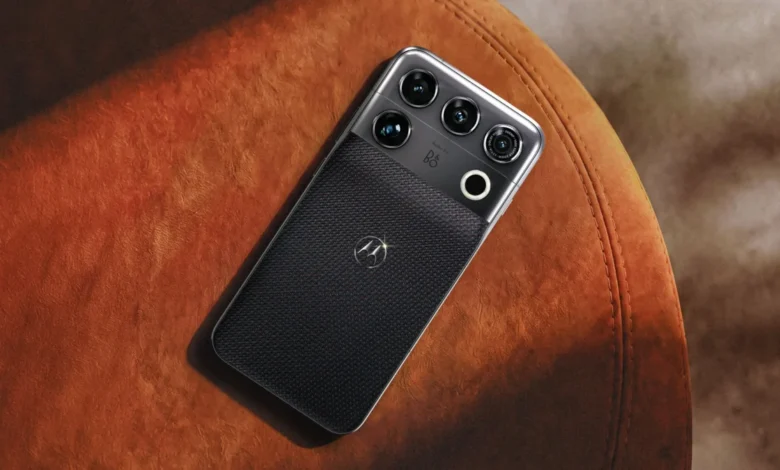
Motorola has officially unveiled its latest flagship device, the Signature 27, marking a significant shift in the company’s design language and hardware strategy. The device, which serves as a departure from the traditional rectangular slab aesthetic, arrives amid a period of intense competition in the premium smartphone market, characterized by the emergence of high-performance mobile chipsets and advanced generative AI integration. By introducing an asymmetrical camera architecture and a high-resolution periscope telephoto system, Motorola aims to re-establish its footprint in the flagship category, moving beyond its recent focus on foldable devices and mid-range handsets.
The Evolution of Motorola’s Design Philosophy
The announcement of the Signature 27 follows a period of stagnation for Motorola in the high-end, non-foldable segment. While the company has gained significant market traction with the Razr Ultra and Razr Fold series, its slab-style phones have struggled to differentiate themselves against dominant players like Apple and Samsung.
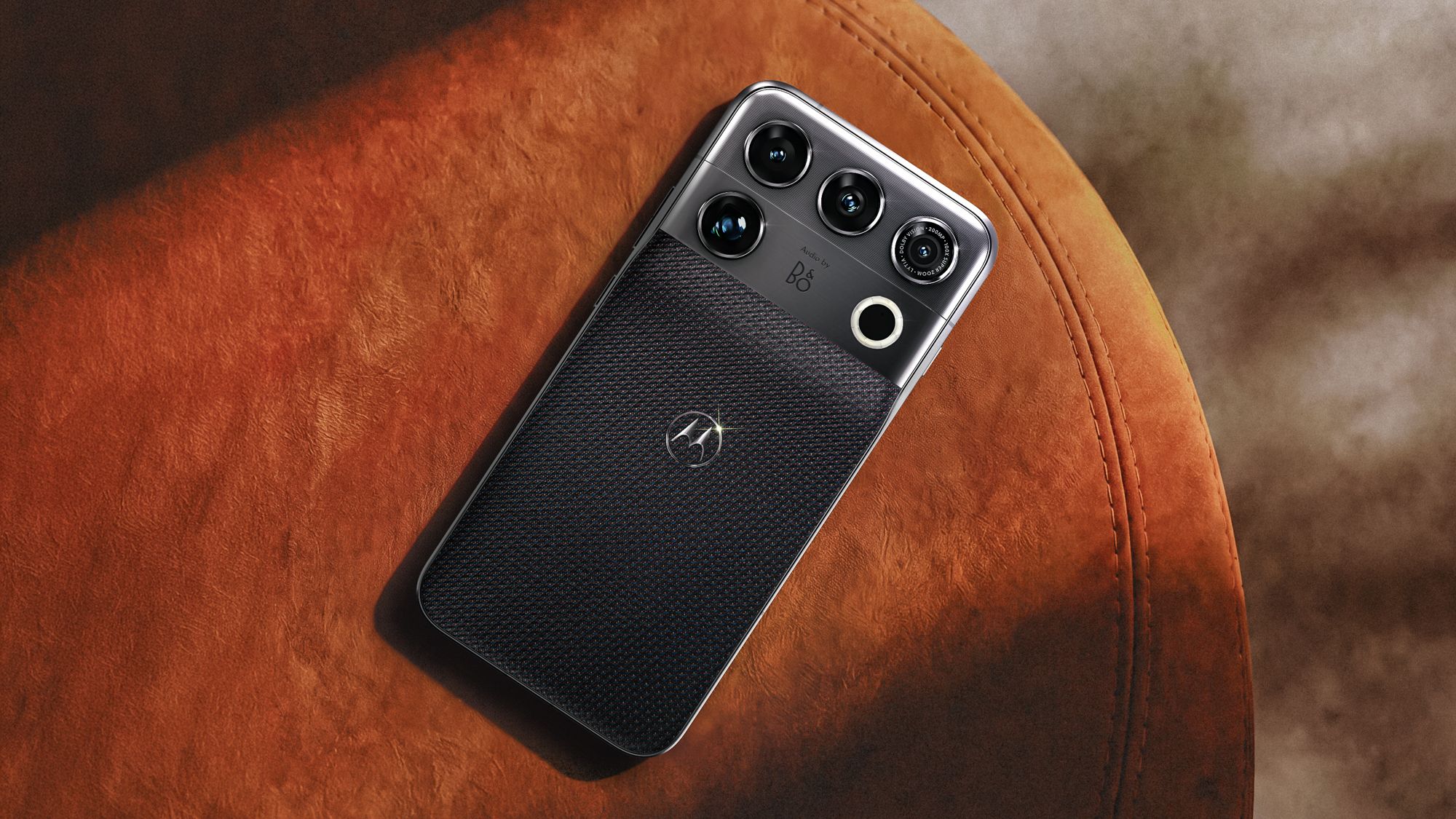
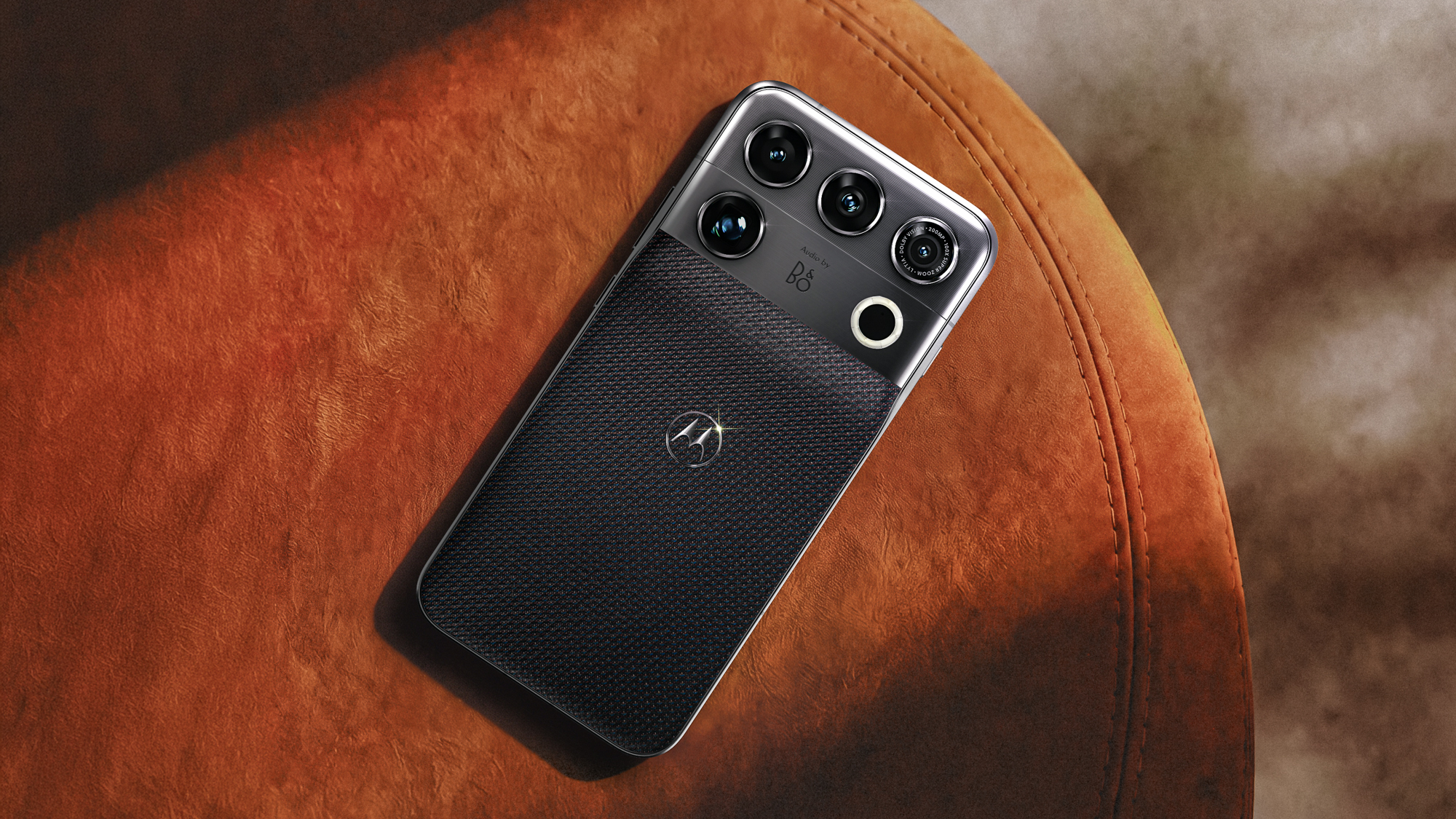
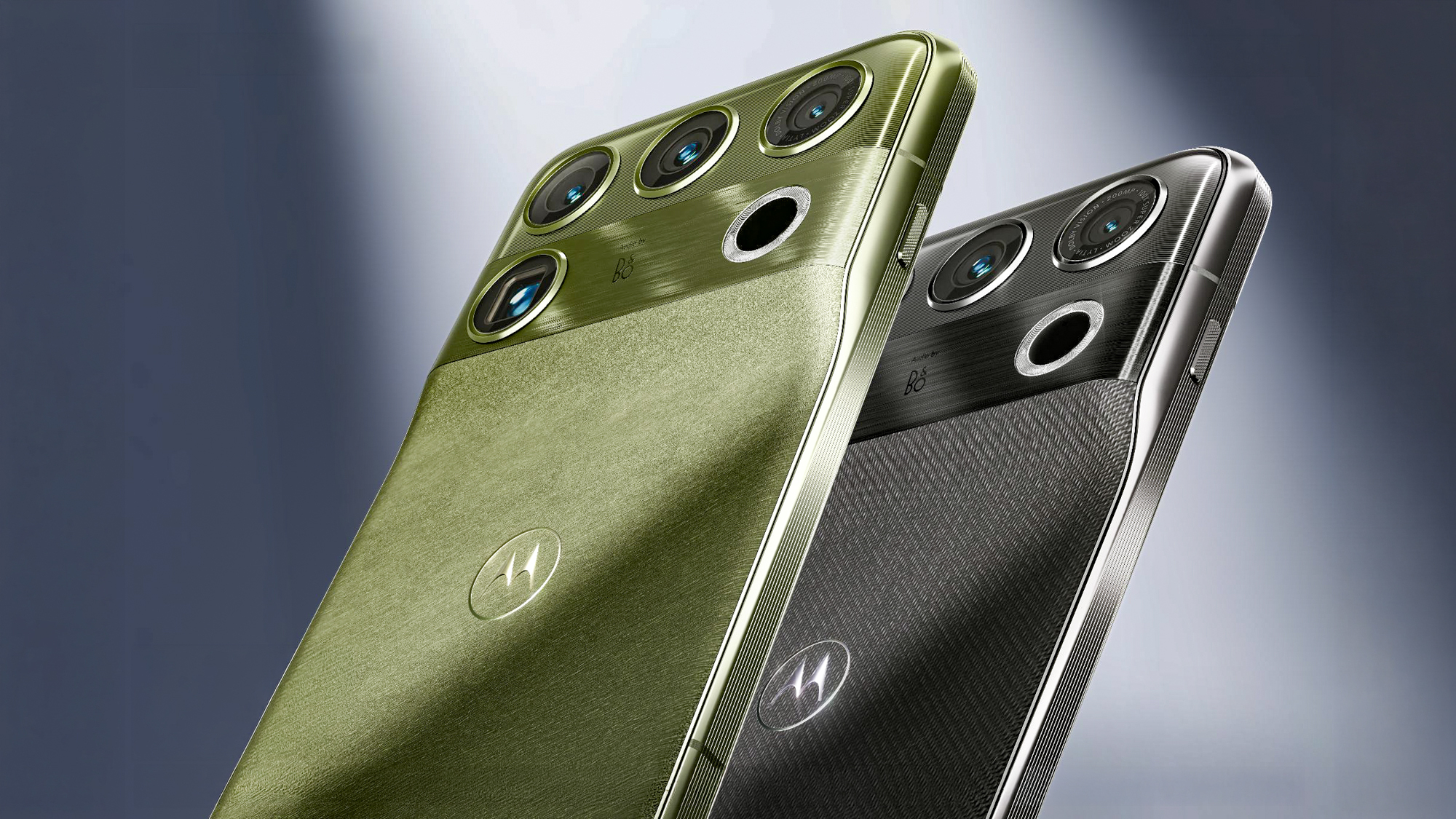
The Signature 27 is a callback to the company’s experimental era, specifically referencing design elements found in historical models like the Motorola Backflip and Flipout. The defining feature of the new handset is its asymmetrical rear camera array. While most contemporary flagship devices utilize centralized or corner-mounted rectangular islands, the Signature 27 employs a non-linear arrangement of circular sensors. This design choice serves both a functional and aesthetic purpose, signaling a departure from the industry-wide trend toward standardized, symmetrical camera housings.
Technical Specifications and Imaging Capabilities
At the core of the Signature 27’s value proposition is its imaging system, which features a 50MP Sony LYTIA 910 primary sensor. This sensor is widely regarded in the industry for its high dynamic range and low-light performance. However, the standout hardware component is the 200MP periscope telephoto lens.
This sensor represents one of the highest resolutions ever integrated into a mobile periscope assembly, offering significant advantages for digital cropping and reframing without sacrificing detail. Industry analysts suggest that this lens configuration, combined with Motorola’s updated image-processing algorithms, is intended to compete directly with the advanced zoom capabilities currently found in top-tier devices like the Pixel 11 Pro Fold and the latest iterations of the Galaxy S series.
Beyond static photography, the device introduces a proprietary Video Enhancement Engine. This AI-powered processing layer operates in real-time, analyzing scene composition to adjust color balance and contrast dynamically. Complementing this is a new hardware-level optical image stabilization (OIS) system, which offers a 3.5-degree correction range. This level of stabilization is designed to mitigate the micro-jitters typically associated with handheld video capture, allowing for a more cinematic, fluid output.
Performance and Thermal Management
The Signature 27 is built upon the newly announced Snapdragon 8 Elite Extreme Gen 6 mobile platform, Qualcomm’s latest attempt to close the performance gap with Apple’s A-series silicon. The transition to this chipset involves a significant architectural shift, requiring more robust thermal management solutions.
To ensure consistent performance under sustained high loads—such as gaming or AI-driven task processing—Motorola has implemented the ArcticMesh cooling system. This system consists of four primary components:
- A 3D vapor chamber, which is reportedly 40% larger than previous iterations.
- A high-conductivity copper mesh layer.
- A liquid metal interface for efficient heat transfer.
- A diamond-infused thermal gel designed to prevent premature thermal throttling.
These cooling measures are critical, as they enable the device to leverage the full processing power of the Snapdragon 8 Elite Extreme Gen 6 for extended periods, particularly when handling resource-intensive generative AI tasks powered by Google Gemini.
Strategic Partnerships and Audio Integration
A notable addition to the Signature 27 is the multi-year partnership between Motorola and Bang & Olufsen (B&O). This collaboration marks the first time B&O’s audio engineering has been applied to a Motorola flagship. The device features a custom-tuned stereo profile designed to enhance acoustic resonance and spatial precision. The branding on the rear of the device serves as a hallmark of this partnership, signaling Motorola’s attempt to elevate the multimedia experience to match the hardware’s premium price point.
Market Implications and Future Outlook
The release of the Signature 27 represents a critical inflection point for Motorola. By aligning itself with Qualcomm’s latest hardware and incorporating bespoke audio and imaging technology, the company is signaling its intent to re-enter the "super-flagship" conversation.

However, the path to market success is complex. The smartphone landscape is currently saturated with AI-centric devices, and the efficacy of these tools remains a primary concern for consumers. Issues regarding latency in AI automation—such as those observed in earlier tests of competitors’ voice-command shopping features—will be the primary benchmark for the Signature 27’s success. If Motorola can successfully integrate Gemini for fluid, reliable task automation, it could effectively challenge the dominance of Samsung and Apple in the Android space.
Industry Context and Timeline
The mobile industry has seen a distinct shift toward vertical integration over the last 24 months. The release of the Signature 27 arrives at a time when companies are increasingly reliant on proprietary software engines to differentiate their hardware.
- Early 2026: Motorola focused heavily on the refinement of its foldable portfolio, which analysts noted led to a neglect of the standard slab-flagship market.
- Mid-2026: Competition from the iPhone 18 Pro and the Galaxy S26 series intensified, highlighting the need for a non-foldable flagship device from Motorola.
- Late 2026: The unveiling of the Snapdragon 8 Elite Extreme Gen 6 provided the necessary hardware foundation for the Signature 27.
- Current Status: The device has been confirmed for a global rollout, with markets in North America, Europe, and Asia expected to receive the device before the end of the calendar year.
Economic and Consumer Analysis
The pricing strategy for the Signature 27 has not yet been disclosed, though the inclusion of premium components like the Sony LYTIA 910 and a 200MP periscope lens suggests a high entry price. For Motorola, the challenge lies in consumer perception. While the company has established a reputation for value-oriented devices, the transition to the ultra-premium segment requires convincing consumers that the Signature 27 offers a distinct, high-value proposition compared to established competitors.
The "Audio by B&O" certification and the unique industrial design serve as significant differentiators. However, the ultimate success of the device will depend on the real-world performance of its cooling system and the stability of its software suite. If the thermal management allows the Snapdragon 8 Elite to outperform current market leaders without significant degradation, the Signature 27 could become a benchmark for future flagship development.
Official Stance and Market Position
Motorola has remained relatively reserved regarding the specific AI automation features of the device, focusing instead on the "premium hardware experience." Representatives have emphasized that the Signature 27 is designed for "power users who prioritize both aesthetic individuality and raw technical capability."
As the device moves toward its global launch, the industry will be watching closely to see if Motorola’s "weird" design choice—the asymmetrical camera array—is perceived as a brave, innovative step or a deterrent to mainstream buyers. Regardless of the public reception to the styling, the internal hardware specifications confirm that Motorola is making a concerted effort to move back into the upper echelon of the global smartphone market.
By diversifying its portfolio away from purely foldable technology, Motorola is creating a hedge against market volatility, ensuring it has a presence in every segment of the smartphone economy. The Signature 27 is, in essence, a declaration that the company intends to remain a top-tier manufacturer, capable of engineering hardware that challenges the status quo of modern mobile design. As global release dates approach, the focus will shift from the device’s bold exterior to its performance consistency, which will determine its long-term viability in a highly contested market.