Clop Ransomware Gang Exploits Critical PTC Windchill Vulnerability in Global Data Theft Campaign


The Clop ransomware collective, an advanced persistent threat group also tracked as Cl0p, has launched a sophisticated data-theft extortion campaign targeting internet-exposed instances of PTC Windchill and FlexPLM. The operation leverages a critical security flaw to gain unauthorized access to corporate environments, allowing the threat actors to exfiltrate sensitive intellectual property and product design data. Cybersecurity researchers and national defense agencies have issued urgent warnings as the campaign appears to target high-value sectors, including aerospace, defense, automotive, and medical technology.
The primary vector for these attacks is CVE-2026-12569, a critical improper input validation vulnerability that manifests as an unsafe deserialization flaw. With a CVSS v3.1 score of 9.3, the vulnerability is classified as critical due to its ability to facilitate unauthenticated remote code execution (RCE). By exploiting this weakness, the Clop gang can bypass standard authentication protocols and deploy JavaServer Pages (JSP) webshells. These webshells serve as a persistent backdoor, granting the attackers the ability to execute remote commands, traverse internal networks, and systematically harvest data from compromised Product Lifecycle Management (PLM) platforms.
Technical Analysis of the Vulnerability and Exploitation
The vulnerability, CVE-2026-12569, resides within the way PTC Windchill and FlexPLM handle incoming data streams. Unsafe deserialization occurs when an application takes untrusted data and uses it to recreate an object without sufficient validation. For an attacker, this is a potent entry point; by crafting a malicious serialized object, they can force the application to execute arbitrary code upon "unpacking" the data.
According to a technical report released by the cybersecurity firm ReliaQuest, the observed tradecraft in the current campaign is consistent with Clop’s historical maneuvers. The deployment of JSP webshells is a hallmark of the group’s methodology, particularly when targeting enterprise-grade web applications. Once the webshell is active, the threat actors focus on discovery and exfiltration rather than immediate encryption. This shift toward "extortion-only" attacks has become a defining characteristic of Clop’s recent operations, as it allows them to monetize stolen data while avoiding the technical complexities and visibility associated with deploying ransomware lockers across an entire network.

The exfiltration process targets the core of the PLM systems. Because Windchill and FlexPLM are used to manage the entire lifecycle of a product—from initial CAD designs and blueprints to supply chain logistics and quality control documentation—the data being stolen is of immense strategic value. For companies in the defense or aerospace sectors, a breach of this nature could result in the loss of classified technical specifications or proprietary engineering breakthroughs.
Chronology of Discovery and Response
The timeline of the CVE-2026-12569 exploitation reveals a rapid escalation from discovery to active threat.
- June 17, 2026: PTC began the rollout of security patches for Windchill and FlexPLM. While the company did not initially confirm active exploitation, the severity of the flaw prompted a "private advisory" to customers, urging immediate remediation and environment reviews.
- June 25, 2026: The Cybersecurity and Infrastructure Security Agency (CISA) in the United States officially added CVE-2026-12569 to its Known Exploited Vulnerabilities (KEV) catalog. This designation signifies that there is reliable evidence of the flaw being used in the wild.
- June 26, 2026: PTC issued a public warning regarding "heightened threat activity." Simultaneously, CISA issued a binding operational directive requiring U.S. federal agencies to patch or isolate their PTC instances within a 72-hour window.
- Late June 2026: German authorities, led by the Federal Office for Information Security (BSI), took the unprecedented step of contacting PTC customers via telephone and email during overnight hours. This "emergency call" strategy highlighted the gravity of the threat to German manufacturing and engineering hubs.
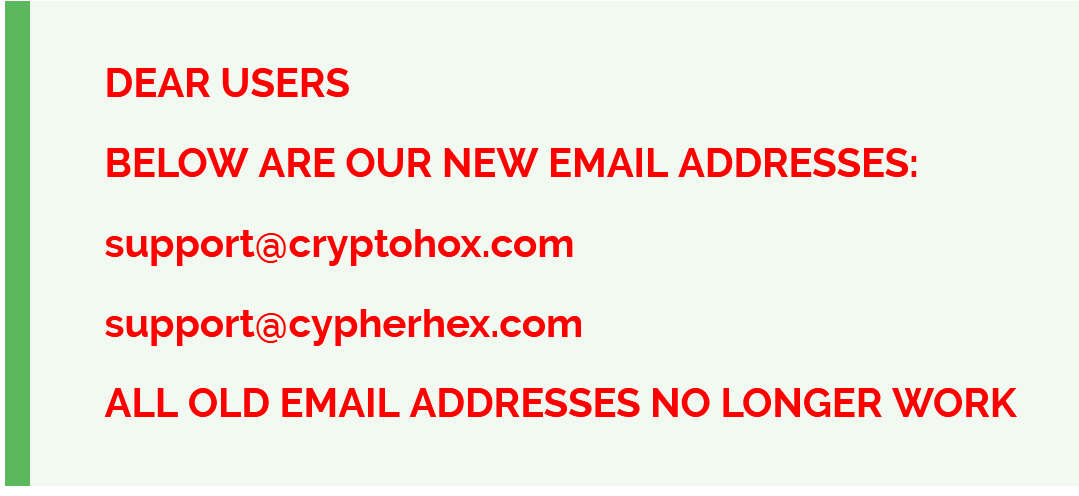
- July 2026: Reports surfaced of companies receiving extortion demands from a new email address associated with the Clop gang:
[email protected].
This chronology highlights a pattern seen in previous Clop campaigns, such as the MOVEit and GoAnywhere MFT breaches, where the group identifies a zero-day or N-day vulnerability in a widely used enterprise tool and moves aggressively to exploit as many instances as possible before patches are universally applied.
The Strategic Importance of PLM Systems
To understand why Clop has pivoted to PTC Windchill and FlexPLM, one must look at the role these platforms play in the global economy. Product Lifecycle Management (PLM) software is the central nervous system for manufacturing and engineering firms. PTC reports a global customer base exceeding 30,000 organizations, with FlexPLM specifically serving over 1,500 major brands and retail entities.
Windchill is heavily utilized in heavy industry, including the automotive and aerospace sectors. It manages complex "Bills of Materials" (BOMs), configuration management, and regulatory compliance data. FlexPLM, on the other hand, is the industry standard for retail, footwear, and apparel, managing everything from seasonal design concepts to vendor communications.

By compromising these systems, Clop gains access to "the crown jewels" of a corporation. Unlike a standard data breach involving customer PII (Personally Identifiable Information), a PLM breach involves the theft of the company’s future products and competitive advantages. This creates a high-pressure environment for victims, who may feel compelled to pay the ransom to prevent their R&D investments from being leaked to competitors or sold on dark web forums.
Clop’s History of Mass-Scale Extortion
The targeting of PTC software is not an isolated incident but part of a broader trend of "mass-exploit" data theft pioneered by the Clop gang. Over the past several years, the group has moved away from traditional "big game hunting" (where they encrypt a single company’s servers) toward "platform hunting."
In 2021, the group targeted the Accellion File Transfer Appliance (FTA), followed by a massive campaign against SolarWinds Serv-U FTP. In early 2023, they exploited a zero-day in Fortra’s GoAnywhere MFT. However, their most significant operation to date was the 2023 MOVEit Transfer breach. That campaign impacted over 2,770 organizations worldwide and exposed the data of tens of millions of individuals.
More recently, in August 2025, Clop was linked to the exploitation of an Oracle E-Business Suite (EBS) zero-day flaw. That campaign ensnared prestigious institutions and multinational corporations, including Harvard University, The Washington Post, Korean Air, and Estée Lauder. The U.S. Department of State has recognized the threat posed by this group, offering a reward of up to $10 million for information that links Clop’s operations to a foreign government, reflecting the group’s status as a significant threat to national security.
Global Regulatory and Institutional Reactions
The international response to the PTC vulnerability has been swift and severe. In the United States, CISA’s decision to mandate a three-day patching window is a rare move, typically reserved for vulnerabilities that pose an imminent risk to federal infrastructure. The inclusion of CVE-2026-12569 in the KEV catalog serves as a "call to action" for private sector organizations to prioritize this update over standard maintenance cycles.
In Europe, the German BSI’s decision to initiate midnight calls to IT administrators underscores the vulnerability of the European manufacturing sector. Germany’s "Mittelstand" (small and medium-sized enterprises) and its automotive giants rely heavily on PTC’s ecosystem. A successful Clop campaign in this region could have ripple effects across the global supply chain, delaying product launches and compromising trade secrets.
Security analysts at ReliaQuest and other firms have advised that patching is only the first step. Because Clop often maintains access via webshells even after a patch is applied, organizations are urged to conduct thorough forensic audits. This includes rotating all credentials that may have been stored on or accessed via the PLM server and checking for the presence of unauthorized .jsp files in web-accessible directories.
Implications for Corporate Cybersecurity
The Clop campaign against PTC Windchill and FlexPLM signals a maturing of the cyber-extortion landscape. Threat actors are no longer satisfied with disrupting business operations through encryption; they are now focused on the long-term leverage provided by high-value data theft.
This shift necessitates a change in defensive strategy. Organizations can no longer rely solely on endpoint detection and response (EDR) or traditional antivirus software. Because these attacks target the application layer via legitimate (though exploited) web services, defense-in-depth is required. Recommendations include:
- Network Segmentation: Placing PLM and other critical enterprise applications behind Virtual Private Networks (VPNs) or Zero Trust Access Gateways to prevent direct internet exposure.
- Input Validation and Hardening: Implementing strict web application firewalls (WAF) to detect and block deserialization attacks.
- Proactive Hunting: Regularly scanning for indicators of compromise (IOCs) such as the specific JSP webshell patterns used by Clop.
- Credential Hygiene: Assuming that if a PLM system was exposed, all credentials associated with it are compromised, necessitating a full reset of service accounts and administrative passwords.
As Clop continues to iterate on its "[email protected]" and other extortion identities, the global security community remains on high alert. The group’s ability to identify and exploit vulnerabilities in niche but critical enterprise software has made them one of the most effective and dangerous cybercrime entities operating today. The current campaign serves as a stark reminder that in the modern industrial landscape, the protection of the product lifecycle is synonymous with the protection of the business itself.
Related posts: