DC Reinforces Multimedia Strategy with LEGO Batman: Legacy of the Dark Knight Free Comic Book Day Comic

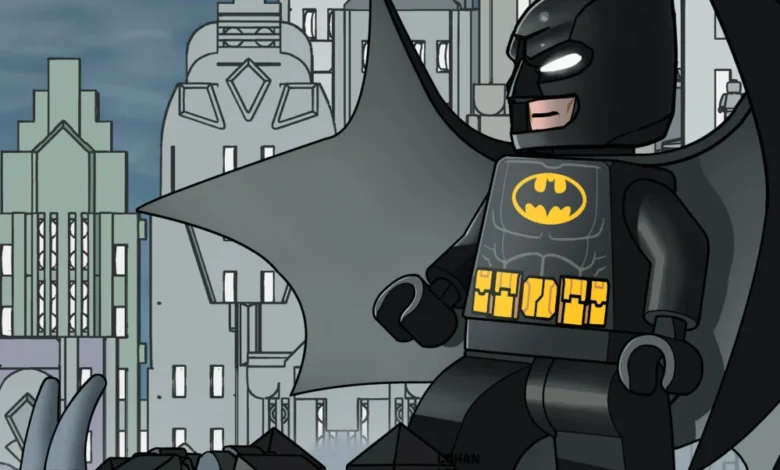
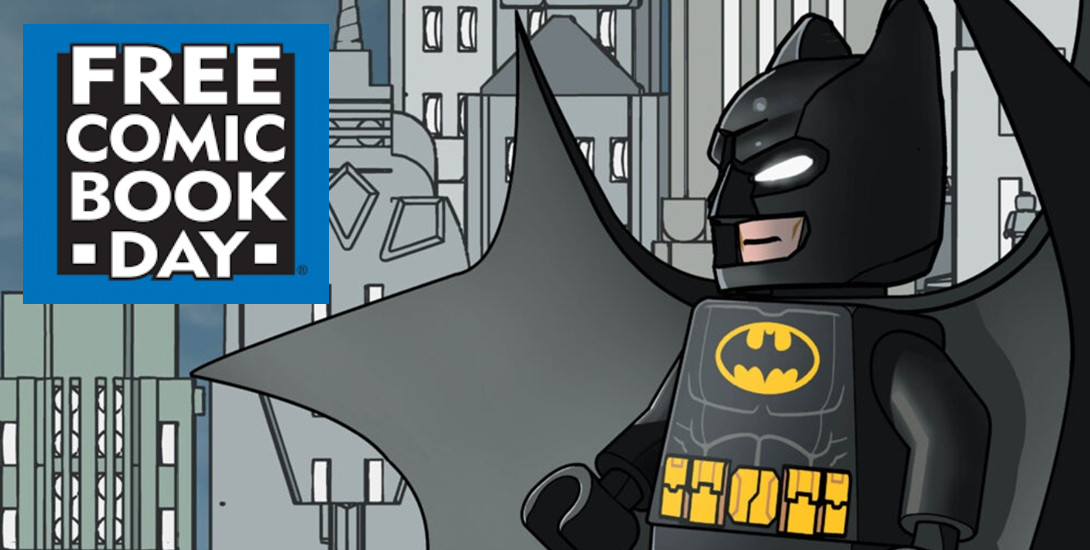
DC is expanding its Free Comic Book Day (FCBD) lineup with an exciting new entry tied to the highly anticipated video game LEGO Batman: Legacy of the Dark Knight, a move that significantly underscores the publisher’s ongoing effort to blend its gaming and publishing arms into a cohesive storytelling experience. This special promotional comic, titled "The LEGO Batman Returns," will be available exclusively on May 2, 2026, during Free Comic Book Day, distributed at participating comic book shops and digitally via the DC Universe Infinite platform. The initiative serves not only as a promotional vehicle for the upcoming game but also as a profound celebration of Batman’s enduring legacy, meticulously crafted to resonate with both long-time fans and new audiences across various entertainment mediums.
A Strategic Release on Free Comic Book Day
Free Comic Book Day, an annual event held on the first Saturday of May, has grown into a cornerstone of the comic book industry since its inception in 2002. Conceived by retailer Joe Field, the event’s primary goal is to encourage new readership and support local comic book stores by offering a selection of free comic books from participating publishers. Over the past two decades, FCBD has become a critical marketing platform, allowing publishers to showcase upcoming storylines, introduce new characters, and promote major cross-media projects. For DC, a consistent participant, this year’s offering for LEGO Batman: Legacy of the Dark Knight represents a particularly strategic alignment, leveraging the widespread appeal of LEGO, Batman, and the growing prominence of video game adaptations to maximize exposure. The choice to distribute this tie-in comic free of charge ensures broad accessibility, inviting a diverse demographic that includes comic collectors, casual readers, gamers, and LEGO enthusiasts to engage with the franchise ahead of the game’s official launch. This multi-pronged approach aims to build significant pre-release buzz and establish an early narrative foundation for the game’s universe.
The Creative Minds Behind "The LEGO Batman Returns"
The one-shot comic, "The LEGO Batman Returns," is brought to life by a seasoned creative team. Penned by Ivan Cohen, a writer well-regarded for his contributions to family-friendly DC titles and his previous work on animated series tie-ins such as Beware the Batman, the story promises a blend of wit and reverence. Cohen’s experience in crafting narratives that balance humor with established lore makes him an ideal choice for a LEGO Batman project, which inherently combines lightheartedness with the iconic seriousness of the Dark Knight. Complementing Cohen’s script is the artwork of Paul Lee, an illustrator whose credits include notable Batman titles like Batman: Under the Hood. Lee’s artistic style, known for its dynamic action sequences and expressive character designs, is expected to translate the distinct visual language of LEGO into a vibrant and engaging comic book experience. Together, Cohen and Lee are tasked with delivering a narrative that not only sets the stage for the video game but also stands as a celebratory piece in its own right, rich with humor and nostalgia.
The narrative centers on Batman as he settles back into life in Gotham City after a brief absence, a plot device that allows for both character re-establishment and the introduction of new challenges. The story is designed to blend the inherent humor of the LEGO universe with the gravitas of Batman’s world, featuring encounters with familiar DC characters while paying homage to decades of Batman lore across comics, television, and film. This approach ensures that the comic appeals to a wide audience, from those who appreciate the meta-humor of LEGO adaptations to hardcore Batman fans who will recognize the myriad of Easter eggs and references woven into the fabric of the story.
A Homage to the Dark Knight’s Enduring Legacy
Beyond its function as a promotional tie-in, "The LEGO Batman Returns" is meticulously designed as a profound celebration of Batman’s enduring legacy. The announcement itself was strategically timed to coincide with a pivotal date in comic book history: March 30. This date marks the anniversary of Batman’s first appearance in Detective Comics #27, originally published on March 30, 1939. This seminal issue, featuring the iconic "The Case of the Chemical Syndicate" story, introduced the world to Bruce Wayne and his masked alter-ego, establishing one of the most significant figures in popular culture. The creative team has taken this homage a step further by announcing that the opening panel of the FCBD comic will recreate the iconic cover of Detective Comics #27 by Bob Kane, depicting the Dark Knight swinging across Gotham’s skyline. This visual callback is far from a singular instance; it is one of several Easter eggs and subtle nods embedded throughout the issue, acknowledging the character’s rich publishing history and the foundational contributions of creators like Bob Kane and Bill Finger. Bill Finger, often posthumously recognized as the co-creator who significantly shaped Batman’s mythology, detective skills, and iconic visual elements, receives an implicit acknowledgment through these historical references, reinforcing the comic’s deep respect for its source material. This deliberate weaving of historical elements into a contemporary, lighthearted narrative elevates the comic beyond a mere advertisement, positioning it as a genuine tribute to Batman’s eight-plus decades of influence.
Narrative Bridge to the Game and Thematic Consistency
The comic also serves a crucial role as a narrative bridge into the LEGO Batman: Legacy of the Dark Knight game itself. This integrated approach is the result of close collaboration among the key stakeholders: Warner Bros. Games, TT Games, DC, and LEGO. This multi-entity partnership is dedicated to ensuring thematic consistency and a seamless narrative flow between the comic and the game, providing players with a richer, more immersive experience. TT Games, renowned for their critically and commercially successful LEGO video game series, has a long history of adapting popular franchises like Star Wars, Harry Potter, and Marvel into engaging, brick-built adventures. Their expertise in blending humor, accessible gameplay, and faithful IP representation makes them the ideal studio to tackle a fresh Batman narrative.
The upcoming video game promises a fresh origin story for Batman, aiming to draw inspiration from every major cinematic interpretation of the character. This ambitious scope includes elements from the iconic 1989 Tim Burton film, notably featuring music from Prince’s legendary soundtrack, a detail that has already generated considerable excitement among fans. By incorporating such diverse influences, the game aims to create a definitive LEGO Batman experience that celebrates the character’s multifaceted cinematic journey. This commitment to honoring various iterations of Batman, from the gritty realism to the campy charm, ensures that the game resonates with a broad spectrum of fans, each with their own cherished version of the Caped Crusader.
Game Release and Exclusive Content
LEGO Batman: Legacy of the Dark Knight is set for release on May 22, 2026, across major gaming platforms including PlayStation 5, Xbox Series X/S, and PC. A later release is planned for the highly anticipated Nintendo Switch 2, ensuring that a wide player base will have access to the title. For dedicated fans eager to dive into Gotham’s LEGO streets, pre-ordering the Deluxe Edition offers a significant incentive: early access starting May 19. This three-day head start provides an exclusive opportunity to experience the game before its general release, coupled with additional in-game content such as the coveted Dark Knight Returns Batsuit, a nod to Frank Miller’s seminal graphic novel.
Further incentives are designed to tie the expansive LEGO ecosystem directly into gameplay, fostering a deeper connection between physical LEGO sets and the digital gaming experience. Players who register for a WB Games account can unlock an exclusive in-game skin based on Batman’s original design by Kane and Finger, further emphasizing the game’s commitment to historical homage. Moreover, owners of specific physical LEGO sets related to Batman can access bonus content within the game. These bonuses include a dazzling gold Batsuit and a collection of drivable Batmobiles inspired by various cinematic appearances, such as the sleek vehicle from The Batman, the armored tank from Batman v Superman: Dawn of Justice, and even the more flamboyant car from Batman & Robin. This innovative integration of physical merchandise with digital unlocks not only enhances the value proposition for consumers but also exemplifies the synergistic marketing strategy at play, encouraging engagement across multiple touchpoints of the LEGO and DC brands.
Broader Implications of a Unified Multimedia Strategy
This Free Comic Book Day release, alongside the accompanying video game and its associated incentives, is shaping up to be far more than a simple giveaway. It is a strategic piece of a broader multimedia rollout, meticulously orchestrated to celebrate Batman’s past while building palpable anticipation for his next interactive chapter. The initiative exemplifies a growing trend within the entertainment industry where major intellectual properties are managed holistically across various media. By simultaneously launching a comic that bridges the narrative gap, a video game that offers a fresh yet referential experience, and tying it all into physical LEGO products, DC and its partners are creating a robust ecosystem designed to maximize fan engagement and commercial success.
This unified approach ensures that different segments of the fan base—comic readers, gamers, and LEGO collectors—are all catered to and encouraged to explore other facets of the franchise. It transforms passive consumption into active participation, whether through reading the comic, playing the game, or collecting the physical sets. Industry observers note that such integrated campaigns are increasingly vital in a fragmented media landscape, allowing franchises to maintain relevance and expand their reach. By leveraging the enduring popularity of Batman, the creative playfulness of LEGO, and the accessibility of Free Comic Book Day, DC is not just promoting a product; it is cultivating a multi-generational, multi-platform celebration of one of the greatest heroes in pop culture history, solidifying its commitment to cohesive storytelling across all its ventures. The LEGO Batman: Legacy of the Dark Knight FCBD comic is thus a microcosm of a larger strategic vision, aiming to cement Batman’s legacy for future generations through innovative and interconnected storytelling.