Navigating the Autonomous Frontier: Scaling Strategies and Safety Challenges in the Mobility Sector

The global race to commercialize autonomous vehicle (AV) technology has reached a critical inflection point where the industry is shifting from controlled, small-scale testing to broader, geographically concentrated deployment. While public perception in innovation hubs like the San Francisco Bay Area might suggest that driverless cars are already a ubiquitous reality, the broader market landscape reveals a much more nuanced picture. The transition from proof-of-concept testing to viable commercial products is currently defined by three distinct scaling strategies: strategic industrial partnerships, concentrated regional expansion, and the aggressive scaling of autonomous trucking logistics.
The Strategy of Strategic Partnerships
For many startups, the pathway to profitability and scale lies not in building a proprietary fleet from scratch, but in embedding their software into the existing infrastructure of established automotive manufacturers. This "tech-stack" integration model allows developers to bypass the immense capital expenditure required for vehicle manufacturing.
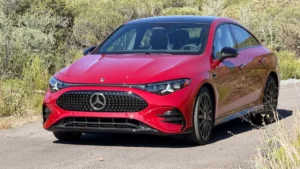
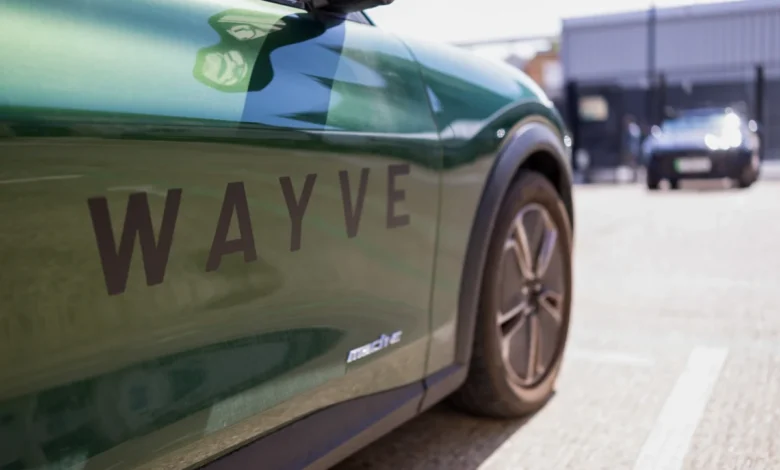
A prime example of this trend occurred this week, as the startup Wayve finalized a commercial partnership with Mercedes-Benz. The agreement aims to integrate Wayve’s automated driving software into a specific line of Mercedes vehicles, with a deployment target within the next 24 months. This iteration is classified as Level 2 autonomy—a system that assists with steering and acceleration but requires constant human oversight. While this falls short of the "Level 4" fully driverless systems that industry purists often demand, it provides Wayve with immediate, large-scale access to consumer markets.
This follows a broader trend for Wayve, which has previously secured similar development pacts with industry giants Nissan and Stellantis. Such partnerships are foundational; they provide the necessary data pipelines and validation environments that are essential for refining algorithms before they can be trusted with fully autonomous, driver-out-of-the-loop operations. Notably, the Nissan collaboration is already bearing fruit, with the two firms, along with Uber, planning to launch a robotaxi service in Tokyo later this year.

Geographic Concentration and Fleet Density
While some firms focus on partnerships, others—most notably Waymo—are betting on concentrated geographic dominance. Data analysis of recent vehicle registrations reveals that Waymo’s growth, while expansive in terms of ride counts and total miles driven, is highly localized. Approximately 80% of the company’s fleet, which consists of roughly 4,000 robotaxis, is currently operating exclusively within California and Texas.
The shift toward Texas is particularly aggressive, with the company’s fleet in the state growing by nearly 50% in the last three weeks alone. This strategy of "widespread and concentrated" deployment allows for higher operational efficiency, as the company can saturate a specific urban environment with enough vehicles to minimize wait times, thereby maximizing fleet utilization. Furthermore, Waymo is actively broadening its customer base, recently initiating efforts to cater to teenage demographics, marking a significant expansion into a segment that has historically relied on parental transport.
The Rise of Autonomous Freight
The trucking sector is similarly navigating this transition, with Aurora emerging as a primary player. Unlike the urban-focused robotaxi models, Aurora’s business model centers on long-haul logistics. During a recent investor event, CEO Chris Urmson declared that the company has officially moved beyond its R&D phase and is now in a period of operational scaling.
Aurora has set an ambitious target: to have 30,000 driverless trucks on the road by 2030. To reach this, the company plans to scale its current operations to include over 200 autonomous trucks by the end of this year. This aggressive trajectory is supported by a wide net of partners, which helps to mitigate the risks associated with the high costs of heavy-duty autonomous development.
Safety Concerns and Regulatory Scrutiny
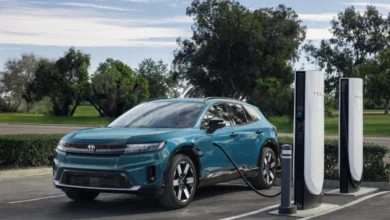
The rapid scaling of AVs has not been without significant friction. Recent incidents involving Zoox have highlighted the critical importance of safety protocols during the testing phase. Last month, workers at the company’s Atlanta testing facility filed complaints with the Occupational Safety and Health Administration (OSHA) after reporting physical symptoms following exposure to air inside the company’s test vehicles—Toyota Highlander SUVs equipped with proprietary autonomous systems.

While Zoox initially grounded its Atlanta fleet to conduct an internal investigation, reports suggested potential exposure to carbon monoxide, carbon dioxide, or hydrogen sulfide. Zoox has since clarified that its own internal testing only identified elevated levels of carbon dioxide. The incident underscores a broader tension in the industry: the need to test in real-world conditions versus the absolute necessity of protecting human safety drivers. This case has prompted a formal inquiry by OSHA, which serves as a cautionary tale for the industry regarding the internal safety culture required to support massive autonomous scaling.
Similarly, the aftermarket industry is under pressure. Comma, a startup founded by developer George Hotz, is currently the subject of a federal investigation following reports of five crashes involving its hands-off driver-assistance technology. Two of these incidents resulted in three fatalities, raising urgent questions about the regulatory oversight of aftermarket autonomy kits that allow older vehicles to mimic advanced self-driving capabilities.
Financial Markets and Global IPO Trends
While the autonomous vehicle industry grapples with operational and safety hurdles, the broader transportation sector is seeing a flurry of IPO activity. Unlike the AI-focused fervor on Wall Street, the mobility sector is seeing significant interest from international markets.
Singapore-based used-car marketplace Carro is currently evaluating a dual listing on the Nasdaq and the Singapore Exchange. Meanwhile, India is emerging as a hotbed for transportation IPOs, with firms such as the Tiger Global-backed Spinny and the electric bus manufacturer PMI Electro Mobility Solutions filing for public offerings. In the renewable energy space, the Hong Kong-based fuel producer EcoCeres is reportedly targeting a $1 billion IPO.
In the United States, May Mobility recently confirmed plans to go public through a merger with a special purpose acquisition company (SPAC), valued at $1.4 billion. These moves indicate that while the path to full autonomy remains long, investors are increasingly bullish on the underlying infrastructure of the future transportation ecosystem, including electric vehicle components, used-car tech, and sustainable fuel production.

Looking Ahead: The Role of Physical AI
The coming months will be pivotal for the industry, particularly with the upcoming Disrupt 2026 conference in San Francisco. Industry leaders, including Rivian CEO RJ Scaringe, are expected to provide further clarity on how the industry will reconcile the promise of "physical AI" with the realities of manufacturing, regulatory compliance, and consumer trust.
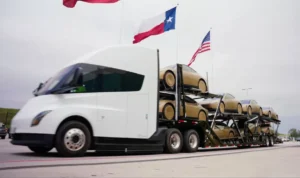
As the sector moves forward, the focus is shifting from "when" autonomy will arrive to "how" it will be integrated into the existing fabric of modern life. Companies are now balancing the hype of autonomous promises with the pragmatic demands of charging infrastructure—a hurdle that has even challenged giants like Tesla, which is only now beginning to roll out its long-delayed electric Semi trucks.
Whether it is the "simple precursor Hyperloop" currently proposed by Elon Musk for the Austin-San Antonio corridor or the deployment of tire-changing robots in Canada by companies like PitPro Automation, the future of transportation is becoming increasingly automated, fragmented, and capital-intensive. As these technologies mature, the industry’s success will be measured not just by the sophistication of its algorithms, but by its ability to manage the safety, regulatory, and public acceptance challenges that accompany such a profound technological shift.