U.S. CPSC Initiates Recall of Nearly 18,000 Apex Gaming PCs Power Supplies Due to Missing Critical Safety Labels, Posing Electrocution Risk

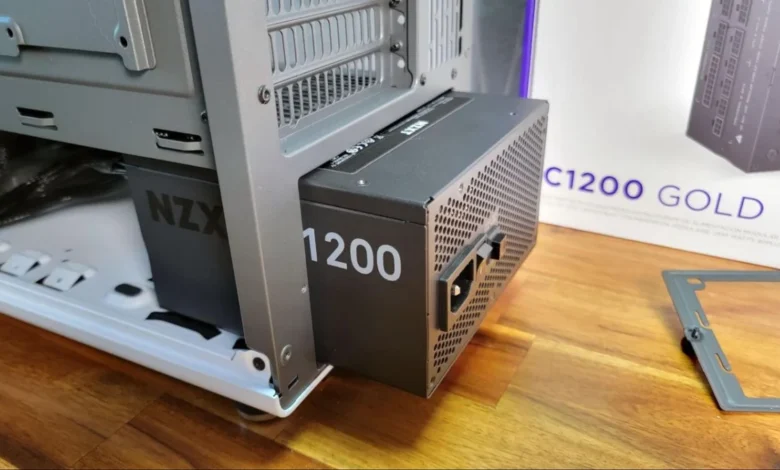
The U.S. Consumer Product Safety Commission (CPSC) announced a significant recall on April 16, targeting approximately 17,730 Manik and Apex-branded ATX computer power supplies sold by Apex Gaming PCs. The core issue behind this recall is not a functional defect in the hardware itself, but rather a critical oversight: the units were shipped without essential, permanent warning labels designed to identify electrical shock and electrocution hazards. This deficiency, though seemingly minor, constitutes a serious safety risk, prompting the regulatory action to protect consumers from potential severe injury or even death should they attempt to open or disassemble the power supply units. An additional 500 units of the affected products were sold in Canada, leading to a parallel recall issued by Health Canada, underscoring the cross-border seriousness of the safety concern. Fortunately, as of the recall date, no injuries or incidents related to these missing labels have been reported in either country.
Understanding the Recall: A Labeling Oversight, Not a Hardware Flaw
It is crucial for consumers and industry observers to understand the precise nature of this recall. Unlike some high-profile recalls in the PC hardware sector, which have involved catastrophic component failures such as "exploding" power supplies or overheating issues, the Apex Gaming PCs recall is distinct. The power supply units (PSUs) in question are reported to function correctly from a performance standpoint, with no inherent hardware defects that would lead to operational failure or internal combustion. The danger arises solely from the absence of critical safety warnings. Specifically, the units lack ANSI-compliant "Danger/Warning" and "No User-Serviceable Parts" stickers. These labels are not merely advisory; they are mandated safety features designed to alert users to the serious and often fatal risks associated with tampering with internal components of a high-voltage electronic device. The interior of a power supply contains capacitors that can store lethal electrical charges even after the unit has been unplugged from a power source, making unqualified access extremely hazardous. The CPSC’s action highlights that adherence to labeling standards is as vital to product safety as the integrity of the internal components themselves. This situation serves as a stark reminder that product safety encompasses not just design and manufacturing quality, but also comprehensive communication of potential hazards to the end-user.
The Products in Question: Scope and Availability
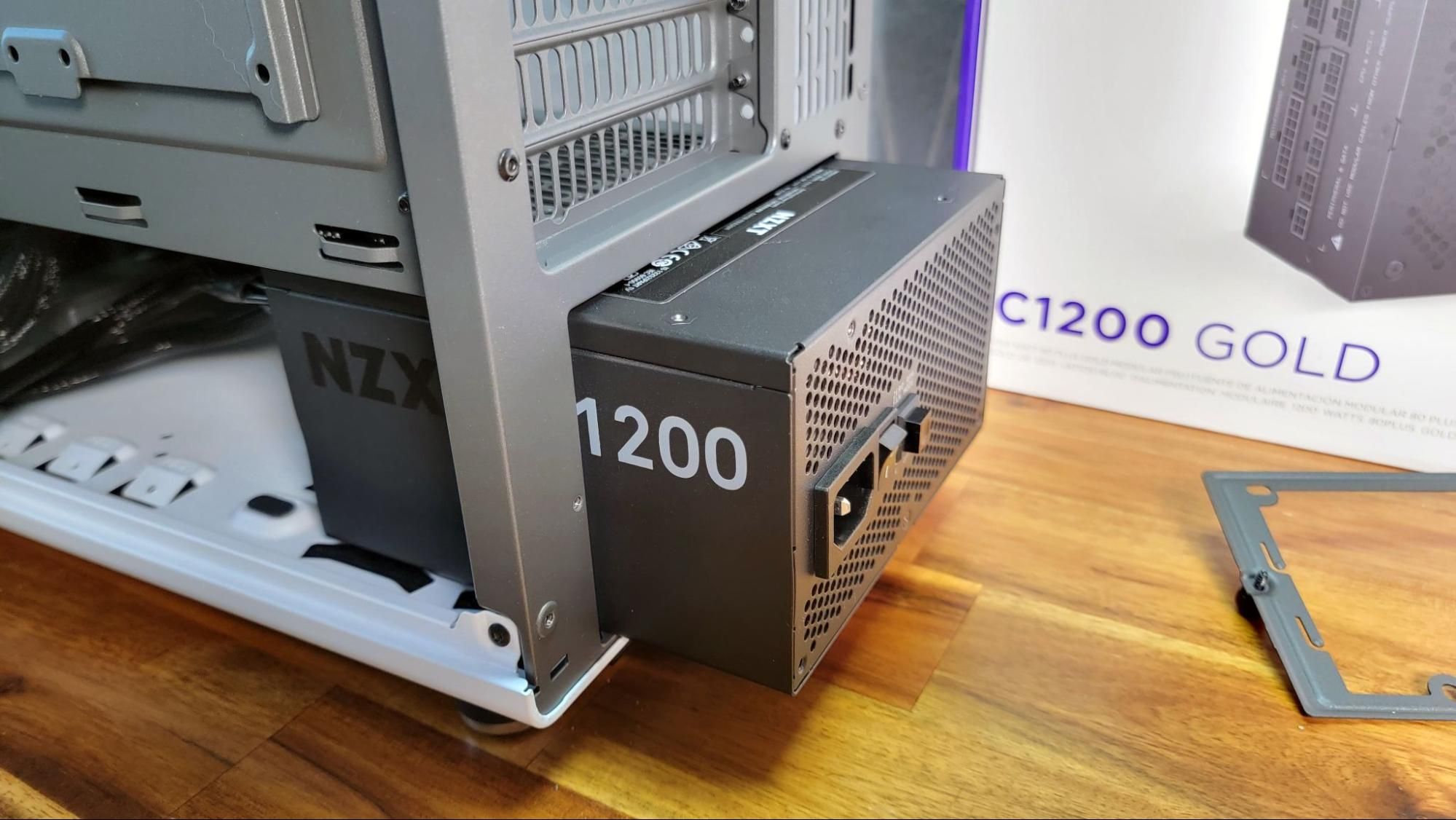
The recall encompasses a specific range of Apex and Manik branded ATX power supplies, identifiable by their wattage and brand names. These affected PSUs cover four common wattages prevalent in modern gaming and high-performance computing systems: 450W, 750W, 1,000W, and 1,200W. To cater to diverse aesthetic preferences, the units were sold in both black and white colorways. The extensive sales period for these units spanned from December 2021 through February 2026, indicating a prolonged period during which potentially non-compliant products were distributed to the market. It is important to note that the February 2026 date, as provided in the original information, suggests either a forward-looking projection of sales or a typographical error, given that the recall was announced in April 2024. For the purposes of this analysis, we assume that sales were ongoing through early 2024. These power supplies were made available to customers through two primary channels: as standalone components for users building or upgrading their own systems, and more commonly, pre-installed within Apex Gaming PCs’ complete desktop gaming systems. This dual distribution method means that a wide array of consumers, from DIY builders to those purchasing pre-built machines, could be affected. The significant volume of units involved—nearly 18,000 across North America—underscores the broad reach of this safety issue within the gaming PC community. Consumers who purchased gaming PCs or standalone power supplies from Apex Gaming PCs within this timeframe are strongly advised to verify if their units are part of the recall.
The Regulatory Framework: Ensuring Consumer Safety
The recall by the CPSC is a direct manifestation of the robust regulatory framework in place to safeguard consumers from hazardous products. The CPSC is an independent agency of the United States government responsible for protecting the public from unreasonable risks of injury or death associated with the use of thousands of types of consumer products. Its mandate includes setting mandatory safety standards, banning consumer products if no feasible standard would adequately protect the public, and recalling products that pose a risk of injury. The process typically involves identifying a potential hazard, conducting an investigation, and then working with manufacturers to initiate a voluntary recall. Should a manufacturer fail to cooperate, the CPSC possesses the authority to mandate a recall. In this instance, Apex Gaming PCs appears to be cooperating with the CPSC’s directive.
The Role of International Cooperation: Health Canada
The parallel recall initiated by Health Canada for the 500 units sold in Canada highlights the interconnectedness of product safety regulations in North America. Health Canada, through its Consumer Product Safety Program, plays a similar role to the CPSC, administering the Canada Consumer Product Safety Act (CCPSA). When a product recall is issued in one country, especially for mass-produced goods distributed across borders, it often triggers a review and similar action in the other, demonstrating a commitment to harmonized safety standards and consumer protection. This collaboration ensures that safety risks are addressed comprehensively across geographical boundaries.
Importance of Standards and Certifications
The mention of "ANSI-compliant" labels points to the critical role of standards organizations in product safety. The American National Standards Institute (ANSI) does not develop standards itself but rather oversees the development and use of thousands of norms and guidelines that directly impact businesses in nearly every sector. ANSI-accredited standards developers, like the Institute of Electrical and Electronics Engineers (IEEE) or Underwriters Laboratories (UL), create the specific technical requirements for product design, testing, and labeling. For electronics like power supplies, adherence to standards from bodies like UL (Underwriters Laboratories) is paramount. UL certification, for instance, signifies that representative samples of a product have been evaluated by UL and meet applicable safety standards. These standards often dictate not only the electrical and mechanical design but also the placement, content, and durability of warning labels. The "No User-Serviceable Parts" label, for example, is a direct instruction rooted in safety standards, preventing untrained individuals from exposing themselves to the internal high-voltage components that could cause severe electric shock or electrocution. The absence of such a label, even if the internal components are otherwise compliant, creates a pathway for potential injury by failing to adequately warn users of inherent dangers.
Electrical Hazards in Power Supplies: A Deeper Dive
To fully appreciate the gravity of the missing warning labels, it’s essential to understand the inherent electrical hazards within a computer power supply. PSUs convert high-voltage alternating current (AC) from a wall outlet into lower-voltage direct current (DC) needed by computer components. This conversion process involves several stages, each with its own set of risks.
The primary side of a power supply, connected directly to the AC mains, operates at voltages ranging from 120V to 240V, depending on the region. These voltages are more than sufficient to cause severe electric shock, leading to cardiac arrest, burns, and other life-threatening injuries. Even after a PSU is unplugged, large electrolytic capacitors within the unit can retain a significant electrical charge for an extended period. These capacitors, vital for smoothing out voltage fluctuations, can store hundreds of volts and discharge rapidly, posing a serious electrocution risk to anyone who touches their terminals. The energy stored can be lethal, even hours or days after the unit has been disconnected from power.
The secondary side of the PSU outputs lower DC voltages (e.g., +12V, +5V, +3.3V) which are generally safe to touch. However, to access these, one must inevitably pass through or near the high-voltage primary side. The internal components are often closely packed, and a slip of a screwdriver or an accidental touch can bridge high-voltage points, completing a circuit through the user’s body. Furthermore, the absence of "No User-Serviceable Parts" labels implicitly suggests to an uninformed user that the unit might be safely opened for inspection or repair, directly contradicting the dangerous reality of its internal circuitry. The CPSC’s emphasis on "risk of serious injury or death" is not an exaggeration but a factual assessment of the potential consequences of ignoring these fundamental electrical safety principles.
Chronology of Events and Sales Window
The timeline surrounding this recall offers insights into the product’s journey from manufacturing to market and ultimately, to regulatory intervention. Apex Gaming PCs began selling the affected Manik and Apex-branded ATX power supplies in December 2021. This indicates a sales period of over two years, during which these units were consistently distributed to consumers. As mentioned, the sales continued through February 2026, which, given the recall in April 2024, likely implies either a forward-looking projection of sales that has now been interrupted or a broad timeframe inclusive of current inventory. The CPSC typically initiates investigations based on consumer complaints, market surveillance, or referrals from other agencies. Once a potential hazard is identified, the CPSC works with the manufacturer to gather data, assess the risk, and agree upon a corrective action, which often culminates in a voluntary recall. The formal announcement of the recall on April 16 signals the completion of this investigative and negotiation process, moving into the phase of public notification and consumer remediation. The two-year-plus sales window means that a substantial number of these units are likely in active use, making the recall notification and consumer outreach efforts critically important.
Apex Gaming PCs’ Response and Consumer Action
Following the CPSC’s recall announcement, Apex Gaming PCs is expected to implement a comprehensive strategy to address the safety issue and assist affected customers. Typical recall procedures dictate that the company will be required to offer consumers a remedy. This could include a free replacement of the power supply with a compliant unit, a refund for the affected product, or potentially, a kit containing the necessary warning labels along with instructions for safe application by a qualified technician, though the latter is less common for high-voltage components due to liability concerns. Apex Gaming PCs will likely launch a dedicated section on their website or a toll-free customer service number to facilitate the recall process, providing clear instructions on how consumers can identify if their PSU is affected, and what steps to take next.
Consumer Responsibility and Safety Precautions
For consumers who own an Apex or Manik branded ATX power supply purchased between December 2021 and early 2026, immediate action is advised. The first step is to identify the wattage of their PSU (450W, 750W, 1,000W, or 1,200W) and check for the presence of the required safety labels. It is paramount that consumers do not attempt to open or disassemble the power supply unit under any circumstances. Even if the computer is unplugged, internal capacitors can retain a dangerous electrical charge. Instead, consumers should contact Apex Gaming PCs directly for guidance on how to proceed. The CPSC recall notice will typically provide specific contact information and instructions. By following these guidelines, consumers can ensure their safety while participating in the recall process. This incident serves as a crucial reminder for all electronics users to always prioritize safety warnings and, when in doubt, consult professionals or official recall channels.
Implications for the PC Hardware Industry and Consumers
This recall, while specific to Apex Gaming PCs and a labeling issue, carries broader implications for the entire PC hardware manufacturing industry and consumer trust.
Manufacturer Responsibility and Quality Control
For manufacturers, this event underscores the absolute necessity of rigorous quality control at every stage of production, including seemingly minor details like warning labels. In the highly competitive PC component market, brands strive for performance, aesthetics, and affordability. However, safety compliance must remain non-negotiable. An oversight in labeling suggests potential gaps in the manufacturing process or final inspection protocols. Companies must ensure that their products not only meet performance specifications but also adhere to all national and international safety standards, including those pertaining to warnings and instructions. The financial and reputational costs associated with recalls—including logistics, customer service, potential legal liabilities, and damage to brand image—far outweigh the cost of implementing robust quality assurance systems. This recall highlights that even established brands can face challenges if attention to detail falters.
Consumer Awareness and Trust
For consumers, this recall reinforces the importance of product safety awareness. While the immediate danger is specific to opening the PSU, the incident prompts a broader consideration of how much trust consumers place in manufacturers to deliver safe products. It also emphasizes the value of regulatory bodies like the CPSC and Health Canada in acting as watchdogs for consumer protection. This event may encourage consumers to be more vigilant about checking for safety certifications and labels on their electronic devices. It also underscores the importance of registering products post-purchase, as this allows manufacturers to directly notify consumers in the event of a recall.
Market Context and Competitive Landscape
The gaming PC market is dynamic and highly competitive, with numerous players vying for market share based on performance, innovation, and value. While Apex Gaming PCs is a notable builder of custom gaming systems, any recall can negatively impact a company’s standing. In an industry where trust and reliability are key differentiators, a safety recall, even one related to labeling, can erode consumer confidence. This incident might prompt other manufacturers to re-evaluate their own quality control procedures and labeling practices to prevent similar issues, thereby raising the overall safety standards across the industry. The clear distinction between this labeling recall and more severe hardware failure recalls (like the Gigabyte PSU incident mentioned in the original source, which involved actual component defects leading to potential explosions) is critical for public perception and maintaining trust in the broader reliability of modern PC hardware.
Preventative Measures and Future Outlook
To prevent similar incidents, manufacturers can adopt several preventative measures. Enhanced automated inspection systems, such as vision systems that verify the presence and correct placement of labels during assembly, can significantly reduce human error. Implementing stricter multi-stage quality control checks, involving dedicated safety compliance teams, can also catch omissions before products reach consumers. Furthermore, ongoing training for manufacturing staff on the importance of safety standards and regulatory compliance is crucial.
Looking ahead, regulatory bodies like the CPSC will continue to play a vital role in monitoring the market and enforcing safety standards. As technology evolves and new products emerge, these agencies adapt their guidelines to address emerging risks. This recall serves as a timely reminder that product safety is a continuous commitment, requiring vigilance from design inception through to end-of-life product management. For Apex Gaming PCs, successfully managing this recall and demonstrating a renewed commitment to safety will be key to rebuilding and maintaining consumer trust in the competitive and safety-conscious PC hardware market.