Samsung Introduces Galaxy Card, Offering Up to 5% Cashback on Device Purchases and Deepening Ecosystem Integration.

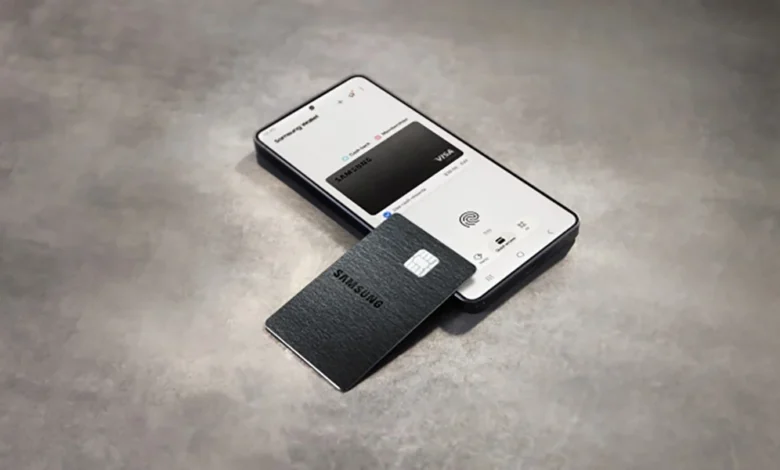
Samsung Electronics has officially unveiled its new proprietary credit card, the "Galaxy Card," a strategic financial offering designed to enhance customer loyalty and bolster its vast ecosystem of devices and services. Announced just ahead of its highly anticipated Galaxy Unpacked event, the physical metal card, issued in partnership with Barclays and operating on the Visa network, is poised to launch for applications on July 22. This move signifies Samsung’s deeper foray into integrated financial services, aiming to provide tangible rewards and exclusive benefits directly linked to its product line and digital payment platform, Samsung Wallet.
The Strategic Launch Amidst Galaxy Unpacked Anticipation
The timing of the Galaxy Card’s announcement is particularly significant, preceding Samsung’s major Galaxy Unpacked event. These events are traditionally platforms for unveiling flagship smartphones, tablets, wearables, and other cutting-edge innovations, generating immense global media and consumer attention. By introducing the Galaxy Card concurrently, Samsung strategically positions this financial product as an integral part of its future ecosystem, not merely an accessory. It suggests a future where purchasing and engaging with Samsung’s hardware and software are seamlessly intertwined with financial incentives, fostering a more robust and sticky customer relationship. This approach mirrors a growing trend among technology giants to create comprehensive brand experiences that extend beyond mere hardware sales, encompassing services, subscriptions, and now, financial tools.
Unpacking the Galaxy Card’s Core Benefits and Rewards Structure
At the heart of the Galaxy Card’s appeal is its tiered cashback rewards program, meticulously designed to incentivize engagement across Samsung’s product and service offerings. The card offers a compelling up to 5% cashback on purchases made directly through Samsung, a significant draw for enthusiasts looking to acquire the latest Galaxy smartphones, tablets, smartwatches, or home appliances. This top-tier reward is strategically aimed at driving direct sales and encouraging customers to stay within the Samsung retail channel.

Beyond direct purchases, the card extends its benefits to Samsung’s burgeoning digital ecosystem. Users will receive 3% cashback on transactions made via Samsung Wallet, the company’s proprietary mobile payment and digital wallet platform. This incentive is crucial for driving adoption and habitual use of Samsung Wallet, placing it in direct competition with other popular mobile payment solutions like Apple Pay and Google Pay. The more users integrate their Galaxy Card with Samsung Wallet, the more they are rewarded, creating a positive feedback loop for Samsung’s digital services.
Recognizing the pervasive shift towards subscription-based entertainment, the Galaxy Card also offers 2% cashback on streaming services. This broad category encompasses a wide array of popular platforms, acknowledging modern consumer spending habits and further embedding the card into daily financial routines. For all other eligible purchases not falling into these specialized categories, cardholders will receive a standard 1% cashback, ensuring a baseline reward for general spending.
Exclusive Perks: Samsung VIP Advantage Discount
Beyond cashback, the Galaxy Card unlocks another layer of exclusive benefits through its integration with Samsung’s VIP Advantage program. Cardholders receive a substantial 20% discount on the annual membership fee for Samsung VIP Advantage. This membership program is a premium offering from Samsung, designed to provide enhanced benefits to its most loyal customers. These perks typically include access to Samsung Care+, the company’s extended warranty and accidental damage protection service, often at discounted rates. Furthermore, VIP Advantage members usually enjoy boosted rewards on purchases made on Samsung.com, early access to new product launches, and other exclusive promotions and customer service benefits. The 20% discount on this membership effectively makes the VIP Advantage program more accessible and appealing, strengthening the overall value proposition of the Galaxy Card and fostering deeper brand allegiance among its users.
The Physical Card: A Statement in Design
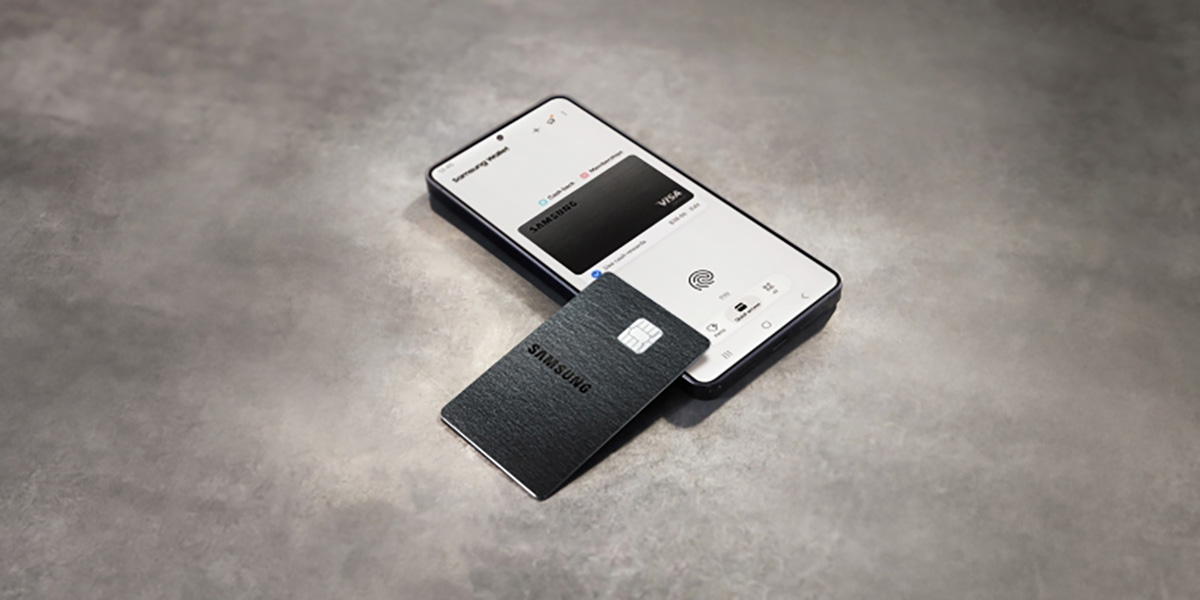
The physical manifestation of the Galaxy Card itself reflects Samsung’s commitment to premium design and brand identity. Crafted from metal with a sleek matte black finish, the card features a minimalist aesthetic, prominently displaying the Samsung logo. This design choice aligns with the premium feel of Samsung’s flagship Galaxy devices, positioning the card as a high-end financial instrument rather than a generic credit card. The use of metal signifies durability and exclusivity, aspects often associated with luxury financial products and tech-savvy consumers. This attention to physical design is not merely aesthetic; it contributes to the overall brand experience, reinforcing the idea that the Galaxy Card is an extension of the Samsung lifestyle.
Seamless Integration with Samsung Wallet: A Digital Frontier
A cornerstone of the Galaxy Card’s utility is its "convenient integration" with Samsung Wallet. While Samsung has yet to fully detail every unique advantage the Galaxy Card offers over a standard linked credit card within the Wallet ecosystem, the official statement highlights several key benefits. Users can store the Galaxy Card alongside other compatible payment cards, digital IDs, passes, and digital keys, consolidating their digital essentials in one secure location. This emphasis on a comprehensive digital wallet experience underscores Samsung’s vision for a seamlessly connected digital life for its users.
The integration promises an "open ecosystem through trusted partner integrations," suggesting future expansions and functionalities beyond basic payment. This could potentially include personalized offers, enhanced loyalty tracking, or even deeper integration with Samsung’s smart home devices or Bixby assistant. Crucially, the Galaxy Card leverages Samsung’s robust, defense-grade security platform, Samsung Knox. This on-device security ensures that sensitive financial information and personal data stored within Samsung Wallet are protected against malware, unauthorized access, and other digital threats, offering users "added peace of mind." In an era of increasing cyber threats, robust security features are paramount for any financial product, and Samsung’s reliance on Knox is a significant reassurance for potential cardholders.
Partnership Dynamics: Barclays and Visa
The choice of Barclays as the issuing bank and Visa as the payment network for the Galaxy Card is a strategic one, lending credibility and broad accessibility to Samsung’s financial endeavor. Barclays, a venerable global financial institution with a strong presence in credit card issuance, brings extensive expertise in consumer lending, risk management, and regulatory compliance. This partnership ensures that the Galaxy Card operates within established financial frameworks, adhering to industry standards and best practices. For Samsung, collaborating with an established bank mitigates the complexities and regulatory hurdles associated with directly entering the financial services sector.
Visa, as one of the world’s largest payment networks, guarantees near-universal acceptance for the Galaxy Card. Operating in over 200 countries and territories, Visa’s vast network means that cardholders can use their Galaxy Card almost anywhere credit cards are accepted, both physically and online. This global reach is essential for a brand with Samsung’s international footprint, ensuring that the card is a practical tool for its diverse customer base. The partnership with Visa also typically entails robust fraud protection and dispute resolution services, further enhancing the security and reliability of the card for consumers.

Market Landscape and Competitive Analysis
Samsung’s entry into branded credit cards places it squarely in a competitive landscape increasingly populated by tech giants. The most direct comparison is Apple Card, launched by Apple in partnership with Goldman Sachs and Mastercard. Apple Card also emphasizes cashback rewards, deep integration with Apple Wallet, and a minimalist physical design. However, there are distinctions: Apple Card offers daily cashback, while Galaxy Card’s benefits are tiered. Apple’s focus has been heavily on privacy and transparent financial tracking within its Wallet app, aspects Samsung also highlights with Knox security.
Beyond Apple, other technology companies and retailers have ventured into branded credit cards to foster loyalty and control more of the customer journey. Amazon offers several co-branded cards, often with tiered rewards for Amazon purchases. Store-specific credit cards from major retailers like Target or Best Buy also offer enhanced rewards for in-store and online purchases. Samsung’s move signals a broader trend where companies with strong brand equity and large customer bases are leveraging financial products to create "walled gardens" of loyalty, encouraging consumers to spend more within their ecosystems.
The global digital payments market is experiencing rapid growth, fueled by increasing smartphone penetration and consumer preference for convenience. Reports indicate that mobile wallet usage continues to surge, with platforms like Samsung Wallet playing a critical role in this transformation. By integrating its credit card directly into this ecosystem, Samsung aims to capture a larger share of consumer spending and solidify its position in the digital finance space.
Implications for Samsung’s Ecosystem and Customer Loyalty
The introduction of the Galaxy Card carries significant implications for Samsung’s long-term business strategy. Primarily, it serves as a powerful tool for enhancing customer loyalty and retention. By offering substantial cashback on Samsung purchases and exclusive VIP Advantage discounts, the card creates a compelling financial incentive for customers to remain within the Samsung ecosystem for their technology needs. This reduces customer churn and encourages repeat purchases of high-margin devices and services.

Furthermore, the card’s integration with Samsung Wallet strengthens the utility and adoption of Samsung’s digital payment platform. Increased usage of Samsung Wallet generates valuable data insights into consumer spending habits, which can then be leveraged by Samsung to tailor marketing campaigns, develop new products, and refine existing services. This data-driven approach allows Samsung to better understand and serve its customer base, creating a more personalized and engaging experience.
From a revenue perspective, the Galaxy Card could indirectly boost sales of Galaxy devices and services. By making Samsung purchases more rewarding, the card lowers the effective cost of ownership for loyal customers, potentially driving upgrades and increasing the attach rate for accessories and service subscriptions like Samsung Care+. It also positions Samsung as a holistic lifestyle brand, extending its influence beyond hardware into financial well-being, thereby increasing its overall brand stickiness.
Application Process and Future Outlook
Applications for the Galaxy Card are set to open to the general public on July 22, indicating a wide rollout rather than a limited pilot program. This broad accessibility suggests Samsung’s confidence in the product’s appeal and its readiness to scale. While initial availability is expected to be in specific markets, the global nature of Samsung and Visa implies potential for international expansion in the future, adapting to local financial regulations and market demands.
Looking ahead, the Galaxy Card could evolve to include additional features and benefits. This might involve tiered annual fees for more premium rewards, integration with Samsung’s smart home ecosystem for automated payments or loyalty points, or even specialized financing options for large Samsung purchases. The "open ecosystem" philosophy hinted at by Samsung Wallet suggests a dynamic platform capable of incorporating future innovations and partnerships.
However, challenges remain. Competition from established financial institutions and other tech companies is fierce. Samsung will need to continuously innovate and provide superior value to ensure the Galaxy Card remains competitive. Data privacy and security, despite the Knox platform, will be ongoing concerns that Samsung must transparently address to maintain consumer trust. Ultimately, the success of the Galaxy Card will depend on its ability to offer compelling, sustained value that resonates with Samsung’s vast global customer base, solidifying its role not just as a technology provider, but as a comprehensive lifestyle partner.