IOS and iPadOS 26.5 Introduce Seamless Magic Accessory Bluetooth Pairing via USB-C

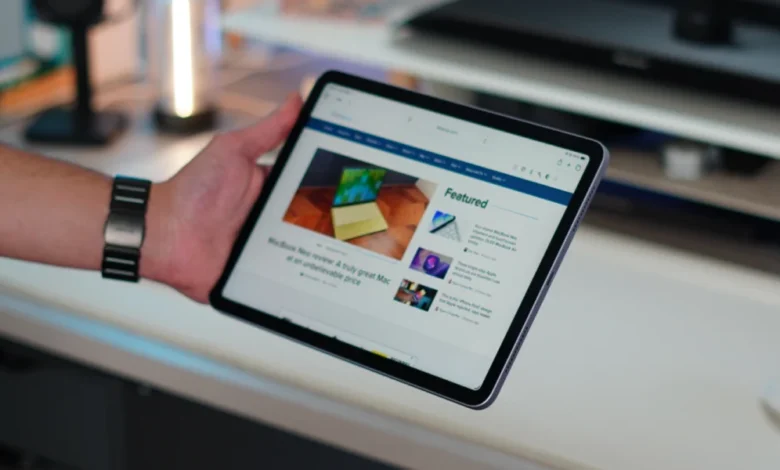
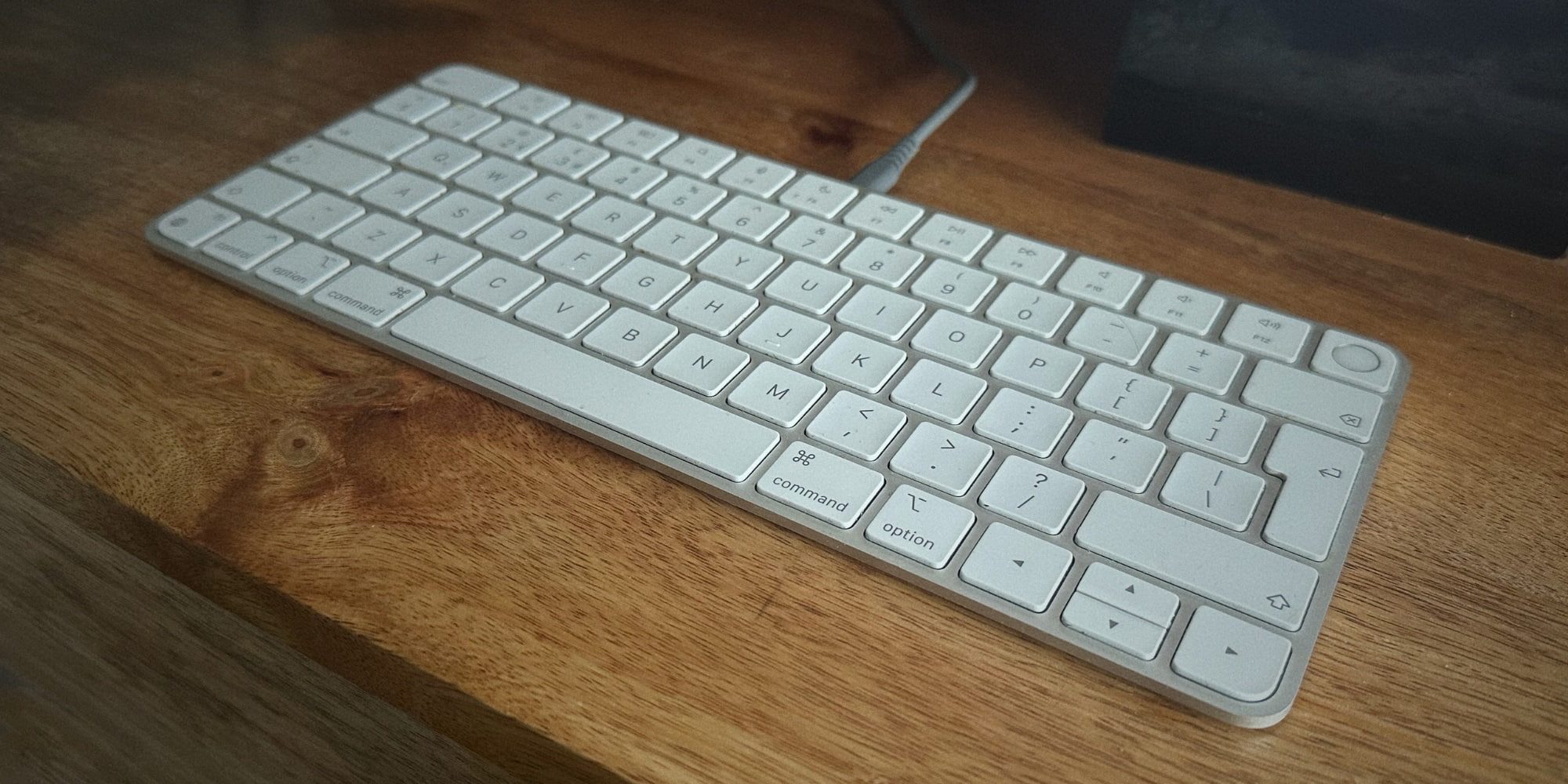
Apple is poised to significantly enhance the user experience for iPhone and iPad owners with an upcoming, albeit subtle, refinement in iOS and iPadOS 26.5. Currently undergoing beta testing, these operating system updates include an under-the-radar improvement that streamlines the connection process for Apple’s first-party Mac accessories—the Magic Keyboard, Magic Trackpad, and Magic Mouse—when used with mobile devices. This change promises a more fluid and intuitive interaction, particularly for iPad users seeking to bridge the gap between their tablet and a traditional desktop setup.
The Evolution of External Accessory Support on iOS and iPadOS
The journey of external accessory support on Apple’s mobile platforms has been a gradual but persistent evolution, mirroring the company’s ambition to position the iPad, in particular, as a versatile computing device. Initially, iOS offered very limited support for external peripherals, primarily focusing on accessibility features. Input methods beyond the touchscreen were largely confined to specialized hardware designed for users with specific needs.
A significant turning point arrived with iPadOS, which branched off from iOS in 2019, signalling a strategic shift towards empowering the iPad with more desktop-class capabilities. With the release of iPadOS 13.4 in March 2020, Apple introduced full mouse and trackpad support, a game-changer that transformed the iPad from a touch-first device into one capable of handling intricate pointer-based workflows. This update was accompanied by the launch of the Magic Keyboard for iPad Pro, a premium accessory that integrated a backlit keyboard and a trackpad, further solidifying the iPad’s role as a potential laptop replacement for many users. The Magic Keyboard for iPad was meticulously designed to offer a familiar typing experience and precise cursor control, making complex tasks like document editing, spreadsheet management, and graphic design more efficient.
Prior to the impending 26.5 update, connecting a Magic Keyboard, Magic Trackpad, or Magic Mouse to an iPhone or iPad via USB-C would establish an immediate, wired connection. This allowed users to instantly utilize the accessory. However, a notable limitation persisted: once the USB-C cable was disconnected, the device would not retain any ongoing Bluetooth connection to the accessory. This meant that users desiring a wireless connection after an initial wired setup would have to manually navigate through Bluetooth settings to pair the accessory again, a minor but recurring inconvenience that disrupted workflow continuity. This behavior contrasted sharply with the experience on a Mac, where a wired connection to these "Magic" accessories automatically established and maintained a Bluetooth pairing, allowing for seamless transition from wired charging/connection to wireless operation.
The New Feature: Seamless Bluetooth Pairing via USB-C
With iOS and iPadOS 26.5, Apple is addressing this discrepancy, bringing a much-anticipated quality-of-life improvement to its mobile ecosystem. The core enhancement is straightforward yet impactful: when an iPhone or iPad is connected to a Magic Keyboard, Magic Trackpad, or Magic Mouse via a USB-C cable, the device will now automatically initiate and establish a Bluetooth pairing with the accessory. This crucial change ensures that after the USB-C cable is unplugged, the iPhone or iPad will retain the Bluetooth connection, allowing for immediate and continued wireless use of the peripheral.

This intelligent automation eliminates the need for manual Bluetooth pairing steps, making the initial setup and subsequent transitions between wired and wireless modes significantly smoother. For users who frequently switch between using their accessories in a wired configuration (perhaps for charging or a stable connection) and a wireless one, this update will save time and reduce friction in their daily routines. It represents a subtle yet powerful refinement in how Apple’s hardware and software ecosystems interact, enhancing the overall user experience by mirroring the established functionality found in macOS.
Discovery and Verification: The Role of Beta Testing
The discovery of this new feature underscores the invaluable role of beta testing in the software development cycle. The enhancement was first identified by Aaron Perris, a keen observer within the Apple developer community, during his exploration of iOS 26.5 beta 1. Perris, known for uncovering hidden features and changes in Apple’s pre-release software, shared his findings on social media, quickly drawing attention to this under-publicized but significant update.
Such discoveries during beta periods are critical. They allow Apple to gather feedback, identify potential issues, and confirm the positive reception of new functionalities before a public rollout. For the user community, these early insights provide a glimpse into the future capabilities of their devices and help build anticipation for upcoming official releases. The rapid dissemination of such findings through platforms like X (formerly Twitter) highlights the vibrant and engaged community that scrutinizes every new beta build for improvements and innovations.
Bridging the Ecosystem: Parity with macOS
One of the most compelling aspects of this update is its commitment to achieving greater parity between Apple’s operating systems. As Aaron Perris noted in his discovery, this new behavior for Magic accessories on iOS and iPadOS mirrors precisely how these peripherals function when connected to a Mac. On a Mac, plugging in a Magic Keyboard or Mouse via USB-C not only charges the device but also automatically establishes a Bluetooth connection that persists after disconnection.
This consistency across platforms is a hallmark of Apple’s design philosophy, aiming for a unified and intuitive user experience regardless of the device being used. By bringing this seamless pairing mechanism to iOS and iPadOS, Apple further blurs the lines between its mobile and desktop ecosystems. It suggests a strategic intent to make transitions between devices as effortless as possible, encouraging users to leverage their Apple accessories across their entire product suite without encountering frustrating differences in behavior. This move aligns with a broader industry trend towards convergence, where mobile devices are increasingly expected to perform tasks traditionally reserved for desktop computers, and vice versa.
Implications for iPad Users: Enhanced Productivity and Workflow
While this feature benefits both iPhone and iPad users, its implications are arguably more significant for the latter. The iPad, especially the Pro and Air models, has been increasingly marketed as a device capable of serious productivity and creative work. For professionals, students, and creatives who rely on external keyboards and pointing devices to maximize their iPad’s potential, this update translates directly into enhanced workflow efficiency.
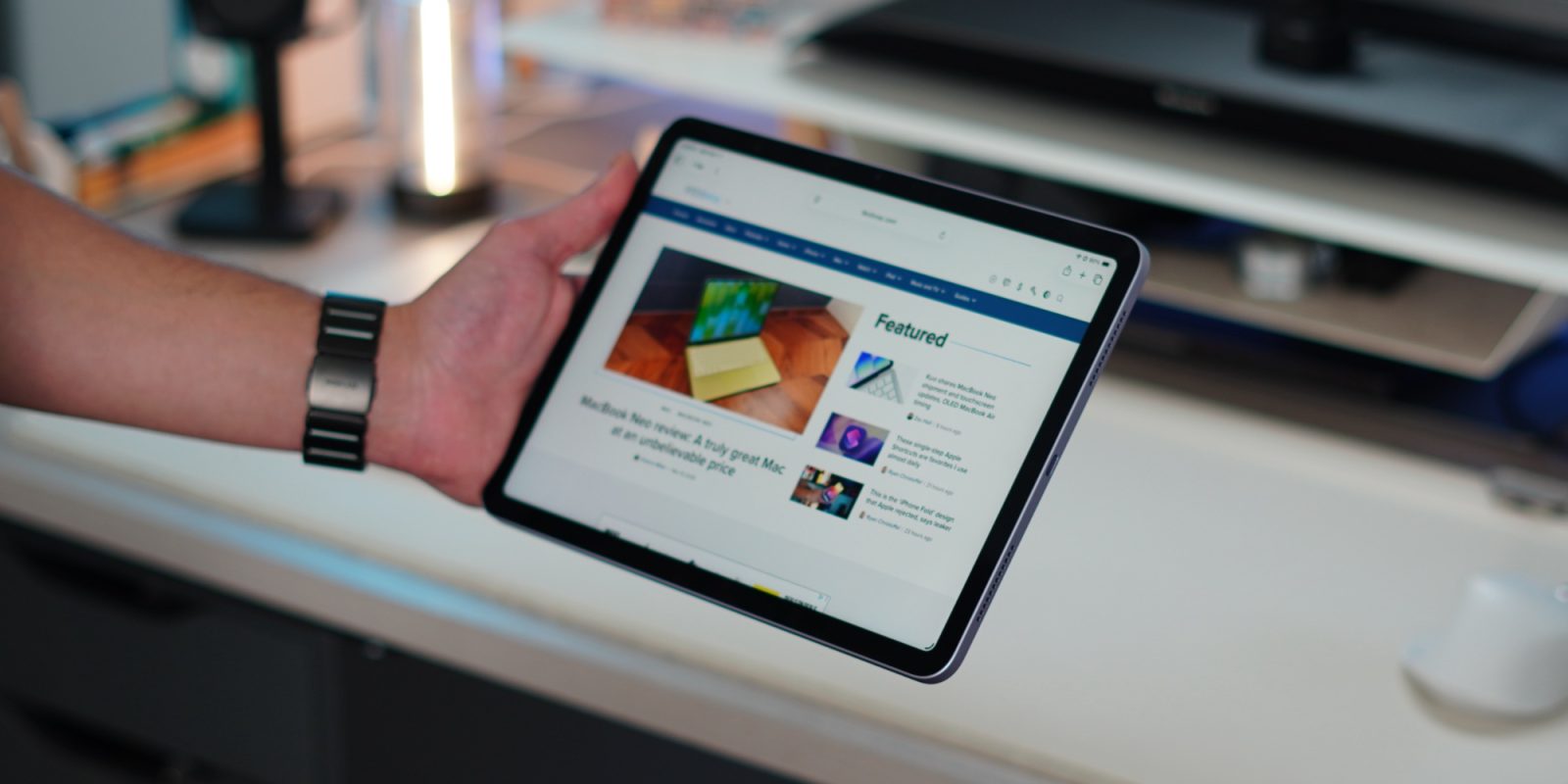
Consider a user who frequently docks their iPad to a desktop setup, using a Magic Keyboard and Magic Trackpad for extended typing sessions or precise navigation in creative applications. Previously, if they unplugged their iPad to use it wirelessly in another part of the room, they would have to re-pair the accessories via Bluetooth. With iOS and iPadOS 26.5, the connection remains established. This means they can seamlessly transition from a wired, charging setup to a portable, wireless one without interruption.
This improved convenience reinforces the iPad’s position as a viable alternative or complement to a laptop. It reduces the "friction" often associated with mobile-first computing when trying to integrate traditional peripherals, making the iPad feel more like a modular, adaptable workstation. It also encourages greater utilization of these premium accessories, as the barrier to entry for their use is lowered, fostering a more integrated and productive ecosystem.
Potential for iPhone Integration: Niche but Growing Use Cases
While the primary beneficiary appears to be the iPad, the integration of this feature into iOS 26.5 also holds potential for iPhone users, particularly those with newer USB-C equipped models. Although connecting a full-sized Magic Keyboard or Trackpad to an iPhone might seem niche, certain scenarios could benefit immensely.
For instance, an iPhone user might occasionally connect their device to an external display for a desktop-like experience, perhaps for presentations, document editing on the go, or even casual gaming. In such setups, having a Magic Keyboard and Mouse or Trackpad connected can significantly enhance usability. The new automatic Bluetooth pairing ensures that once the initial wired connection is made (perhaps for charging the accessories or the iPhone itself), these peripherals remain paired, offering flexibility in how the setup is used.
Furthermore, with the increasing computational power of iPhones and the potential for more robust external display support in future iOS iterations, the line between phone and desktop-like experience could further blur. This seemingly minor accessory improvement lays foundational groundwork for more versatile iPhone usage scenarios, moving beyond purely touch-based interactions in specific professional or power-user contexts.
Addressing Potential Challenges: Accessory Management
Despite the clear benefits, the new automatic Bluetooth pairing feature also introduces a potential point of contention, as highlighted by the original discussion. If a user primarily uses their Magic Keyboard, for example, with their Mac, but occasionally connects it via USB-C to their iPad, the iPadOS 26.5 update will automatically pair it via Bluetooth. This could lead to a scenario where the iPad "hijacks" the Bluetooth connection, meaning the keyboard might then automatically connect to the iPad when it’s nearby, even if the user intends for it to remain paired with their Mac.
This challenge underscores the growing complexity of managing peripherals across multiple Apple devices. While the goal is seamless integration, users often have specific pairing preferences. Apple may need to consider implementing more granular control over accessory pairing in future updates, perhaps allowing users to designate "preferred" devices for certain accessories or providing clearer on-device notifications when an accessory attempts to connect to a different device.
For now, users might need to be mindful of which device they connect their Magic accessories to via USB-C, especially if those accessories are frequently shared between a Mac and an iPad/iPhone. Manually unpairing from one device to connect to another might still be necessary in some edge cases, but the overall convenience gain for dedicated pairings is substantial.
Apple’s Broader Strategy: The Future of Mobile Computing
This enhancement in iOS and iPadOS 26.5 is not an isolated change but rather a piece of Apple’s broader strategic vision for its mobile platforms. It signals a continued commitment to empowering iPads and, increasingly, iPhones, with capabilities that bridge the gap between traditional desktop computing and mobile portability. By streamlining the interaction with professional-grade accessories, Apple aims to make its mobile devices more adaptable and capable across a wider range of tasks.
This strategy involves several key pillars:
- Convergence: Harmonizing the user experience and feature set across macOS, iPadOS, and iOS.
- Productivity: Enhancing the ability of iPads and iPhones to handle demanding professional workflows.
- Ecosystem Integration: Making it easier for users to move seamlessly between their various Apple devices and peripherals.
- User Empowerment: Providing more options for customization and external hardware integration.
The ongoing development of iPadOS, with features like Stage Manager and robust external display support, alongside continuous improvements in accessory integration, illustrates this direction. Apple is not merely scaling up iOS for larger screens but actively crafting a distinct operating system that can leverage powerful hardware and versatile input methods to offer a truly flexible computing experience.
Expert Commentary and Community Reaction
While Apple itself has not made an official statement specifically on this accessory feature during the beta phase, the tech community’s reaction has been largely positive, interpreting it as a logical and welcome refinement. Industry analysts view it as a testament to Apple’s meticulous attention to user experience details, even for features that might not be headline-grabbing.

"This is precisely the kind of ‘it just works’ refinement that Apple users appreciate," commented one independent tech analyst, requesting anonymity to avoid pre-empting official announcements. "It removes a small but persistent frustration and contributes to the overall polish of the ecosystem. It shows Apple is listening to how users interact with their devices in real-world, multi-device scenarios."
The sentiment within user forums and social media mirrors this view, with many expressing anticipation for the public release of iOS and iPadOS 26.5. The convenience of not having to manually re-pair accessories is seen as a significant win for productivity, especially for the growing cohort of users who rely on their iPad as a primary or secondary workstation.
Conclusion: A Step Towards Greater Versatility
The automatic Bluetooth pairing for Magic accessories via USB-C in iOS and iPadOS 26.5 is more than just a minor software tweak; it’s another deliberate step by Apple towards fostering a more cohesive, productive, and user-friendly ecosystem. By bringing the mobile experience closer to the seamless integration found in macOS, Apple reinforces its commitment to empowering its devices with greater versatility and making the transition between different modes of interaction—wired to wireless, touch to pointer—as effortless as possible. As mobile devices continue to evolve and take on more complex roles in our daily lives, such thoughtful refinements will be crucial in defining the next generation of personal computing. The public release of iOS and iPadOS 26.5 is eagerly awaited, promising a smoother, more integrated experience for millions of Apple users worldwide.