GMKtec Unleashes the Evo-X5 Pro: A Heavyweight Agentic AI Mini-PC Powered by AMD’s Flagship Ryzen AI Max+ Pro 495 and 192GB of Unified Memory

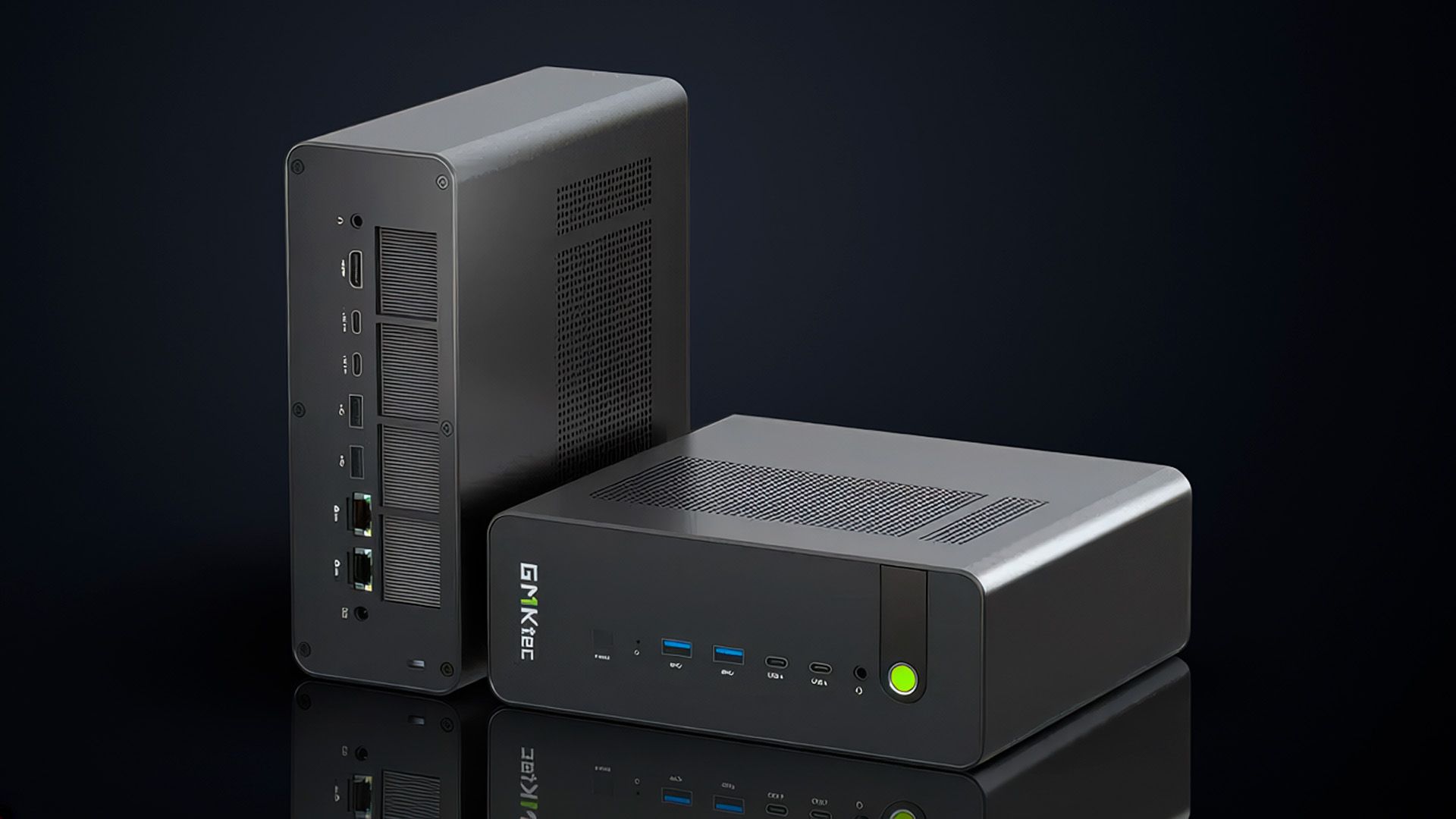
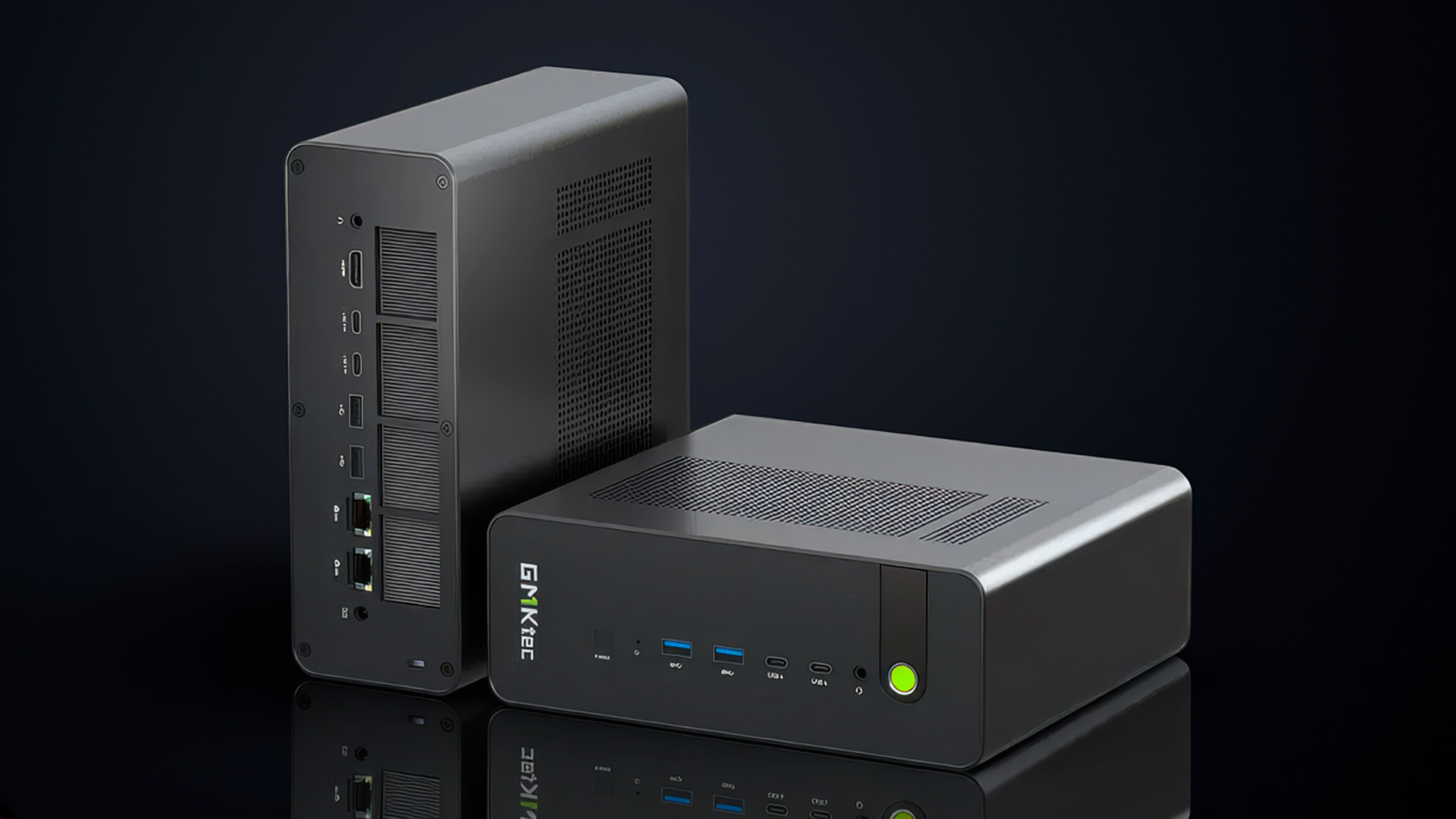
The evolution of small-form-factor computing has reached a monumental milestone with the official launch of the GMKtec Evo-X5 Pro. Marketed as a next-generation agentic AI mini-PC, this machine challenges the traditional boundaries dividing compact desktop systems and enterprise-grade workstation towers. By integrating AMD’s powerhouse "Strix Halo" / "Gorgon Halo" architecture—specifically the flagship Ryzen AI Max+ Pro 495 processor—alongside an astonishing 192GB of high-speed unified memory, GMKtec is targeting high-end developers, AI researchers, and power users who demand massive computational muscle without the physical footprint of a traditional tower.
However, this unprecedented performance comes with a staggering price tag. The base configuration, paired with a 2TB PCIe 4.0 NVMe solid-state drive, commands a hefty $6,799, while doubling the storage capacity to a 4TB SSD pushes the retail price to $7,099. These numbers place the Evo-X5 Pro firmly outside the realm of typical consumer hardware, positioning it as a specialized tool for professional workflows where localized artificial intelligence inference and heavy multitasking reign supreme.
Architectural Breakdown: Under the Hood of the Evo-X5 Pro
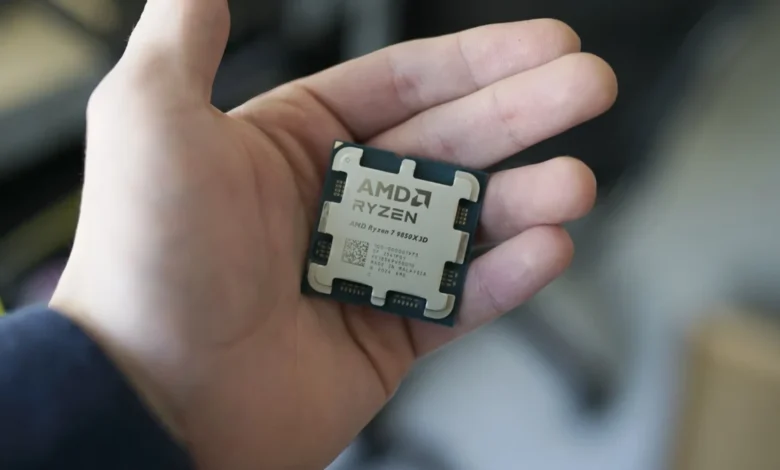
To understand the positioning and pricing of the GMKtec Evo-X5 Pro, one must examine the silicon driving it. At the heart of the mini-PC lies AMD’s Ryzen AI Max+ Pro 495 processor. Built upon advanced manufacturing nodes, this refreshed APU fuses high-performance Zen 5 CPU cores with cutting-edge RDNA 3.5 graphics architecture. Designed to handle intense computational workloads, the processor can clock up to 5.2 GHz, offering blistering single-core speeds alongside massive multi-threaded throughput.
Equally impressive is the memory subsystem. The system boasts 192GB of LPDDR5X-8533 memory operating on a wide memory bus. In unified memory architectures, the system RAM is shared dynamically between the central processing unit and the integrated graphics processor. For artificial intelligence developers working with large language models (LLMs), deep learning training, or complex local inference tasks, having 192GB of ultra-fast unified memory onboard a mini-PC is a game-changer. Historically, running models with billions of parameters locally required multi-GPU desktop rigs featuring expensive enterprise graphics cards with substantial VRAM pools. The Evo-X5 Pro effectively encapsulates workstation-class AI development capabilities into a chassis small enough to fit in a backpack.
Storage configurations are similarly robust, utilizing high-performance PCIe 4.0 NVMe SSDs. Buyers can choose between a 2TB or 4TB configuration, ensuring that professionals dealing with massive datasets, high-resolution video assets, or extensive code repositories have ample local storage out of the box.
The Rise of Agentic AI and Compact Workstations
The launch of the Evo-X5 Pro arrives at a critical juncture in the personal computing industry, characterized by the explosive growth of "agentic AI." Unlike traditional generative AI tools that simply respond to static prompts, agentic AI frameworks involve autonomous agents capable of planning, executing complex workflows, interacting with software applications, and making multi-step decisions with minimal human intervention.
These advanced autonomous agents require significant computational resources, local memory bandwidth, and low-latency processing to operate efficiently and securely on local hardware. Cloud-based solutions have long dominated AI deployment, but growing concerns regarding data privacy, enterprise security, intellectual property protection, and network latency have driven a massive surge in demand for powerful on-premises hardware.
Mini-PCs have traditionally been viewed as compromise systems—ideal for office productivity, media streaming, or light casual gaming, but entirely unsuited for heavy engineering, rendering, or machine learning. GMKtec, alongside a handful of other innovative hardware manufacturers, is actively reshaping this narrative. By leveraging high-density mobile and semi-custom silicon originally intended for high-end laptops and mobile workstations, companies are successfully compressing enterprise-level power into ultra-compact enclosures.
Industry Context and Competitive Landscape
GMKtec’s entry into the ultra-premium mini-PC market highlights a broader industry trend where traditional hardware boundaries are rapidly blurring. Over the past several years, the form factor of high-performance computing has steadily shrunk. Consumers and businesses alike are increasingly favoring desk setups that minimize clutter, reduce power consumption, and offer modular portability without sacrificing raw compute power.
AMD’s Ryzen AI Max series (often discussed under development codenames like Strix Halo and Gorgon Halo) has been a key catalyst in this transformation. By delivering desktop-class CPU performance paired with integrated graphics that rival discrete mid-range GPUs, these processors provide manufacturers with the necessary thermal and electrical efficiency to build ultra-compact systems that do not buckle under heavy workloads.
Competing manufacturers have also begun exploring high-capacity memory configurations in smaller form factors, but few have pushed the envelope as far as equipping a mini-PC with a staggering 192GB of LPDDR5X memory. This positions GMKtec not merely as a budget-friendly alternative to mainstream brands, but as an aggressive pioneer in the ultra-enthusiast and professional hardware space.
Pricing Strategy and Market Reception
The revelation of the Evo-X5 Pro’s pricing—$6,799 for the 2TB model and $7,099 for the 4TB variant—has sparked widespread discussion across tech communities and industry forums. For the average consumer, these figures are undeniably astronomical, easily rivaling or exceeding the cost of custom-built, multi-GPU professional workstations equipped with top-tier NVIDIA or AMD graphics cards.
However, industry analysts point out that comparative pricing must account for form factor specialization and component scarcity. Standard enterprise workstations featuring equivalent RAM capacities and specialized processors often carry comparable or higher price tags while occupying significantly more physical space, generating more noise, and consuming considerably more electrical power.
For software engineers, data scientists, financial analysts, and enterprise R&D departments needing a portable, high-capacity localized AI development node, the premium pricing may be entirely justifiable. The ability to deploy, test, and run sophisticated local AI models on a machine that can easily be packed into a briefcase offers a distinct operational advantage that traditional desktop towers simply cannot match.
Broader Implications and Future Outlook
The launch of the GMKtec Evo-X5 Pro signals a fascinating trajectory for the future of personal and professional computing. As artificial intelligence continues to integrate deeper into everyday software workflows, the demand for localized processing hardware will only intensify.
Manufacturers are learning that professional users are willing to pay a premium for specialized form factors that eliminate the need for bulky, noisy desktop towers. While machines priced above $6,000 will inevitably remain niche products reserved for enterprise environments, deep-pocketed enthusiasts, and specialized developers, the technologies pioneered within them—such as ultra-dense unified memory architectures and advanced thermal management in compact enclosures—will eventually trickle down to more accessible price points.
As GMKtec begins shipping the Evo-X5 Pro to global markets, industry watchers will be closely monitoring real-world thermal performance, sustained compute benchmarks, and how effectively the system handles prolonged, intensive agentic AI workloads. If the Evo-X5 Pro proves successful in maintaining stability under heavy loads, it could pave the way for an entirely new product category: the ultra-high-end enterprise mini-PC, fundamentally redefining what a small computer is capable of achieving.