Why a High-Quality Tripod is the Most Underrated Investment for Every Photographer

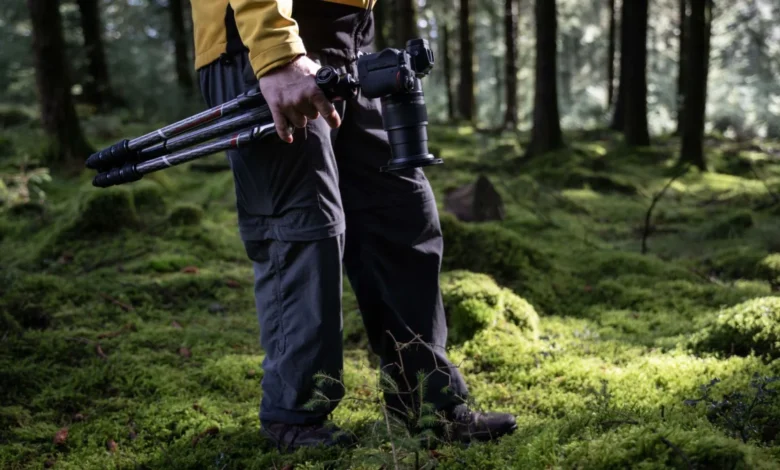
The journey of a photographer often follows a predictable trajectory: an initial fascination with camera bodies, followed by an obsession with high-end glass, and eventually, the sobering realization that image sharpness is frequently compromised by the very support system holding the gear in place. While many beginners view the tripod as a mere accessory—a secondary purchase bundled with a starter kit—industry professionals recognize it as the foundation of photographic precision. For landscape, macro, and long-exposure photographers, the tripod is not an optional tool; it is the critical link between a blurred capture and a professional-grade image.
The Hidden Cost of Low-End Support Systems
The prevalence of "cheap, plasticky" tripods in entry-level bundles has created a widespread misunderstanding regarding the importance of stability. These entry-level units, often unbranded or mass-produced for generic retail, frequently fail to provide the mechanical rigidity required to suppress vibrations. When a photographer captures a series of "soft" images, the fault is rarely with the sensor or the lens; rather, it is usually a result of micro-vibrations known as camera shake.
Camera shake occurs when the slightest movement—wind, the mechanical slap of a shutter, or even the vibration from a nearby road—is amplified through a flimsy tripod leg or a poorly constructed head. Beginners often fail to identify this as the root cause of their technical struggles, leading to misplaced frustration with their camera equipment. Unlike high-quality gear, which is engineered to absorb and dissipate these oscillations, budget tripods often act as tuning forks, vibrating in harmony with the environment and ruining the fine details of the frame.
Chronology of Equipment Evolution
The evolution of the tripod market has shifted significantly over the last decade. Historically, heavy aluminum tripods were the industry standard, providing stability through sheer mass. However, the rise of carbon fiber technology in the mid-2000s revolutionized the field, allowing manufacturers to reduce weight by approximately 20% to 30% without sacrificing load capacity.
In recent years, the industry has seen a pivot toward "travel-friendly" designs. Manufacturers like Manfrotto, Gitzo, and Benro have optimized their product lines to cater to the modern, mobile photographer. The transition from heavy-duty studio supports to compact, reverse-folding carbon fiber models reflects a broader change in photography, where speed and portability are as valued as stability. Yet, as the market expanded, so did the influx of low-cost alternatives that mimic the aesthetic of professional gear without the structural integrity.
Technical Data and Structural Integrity
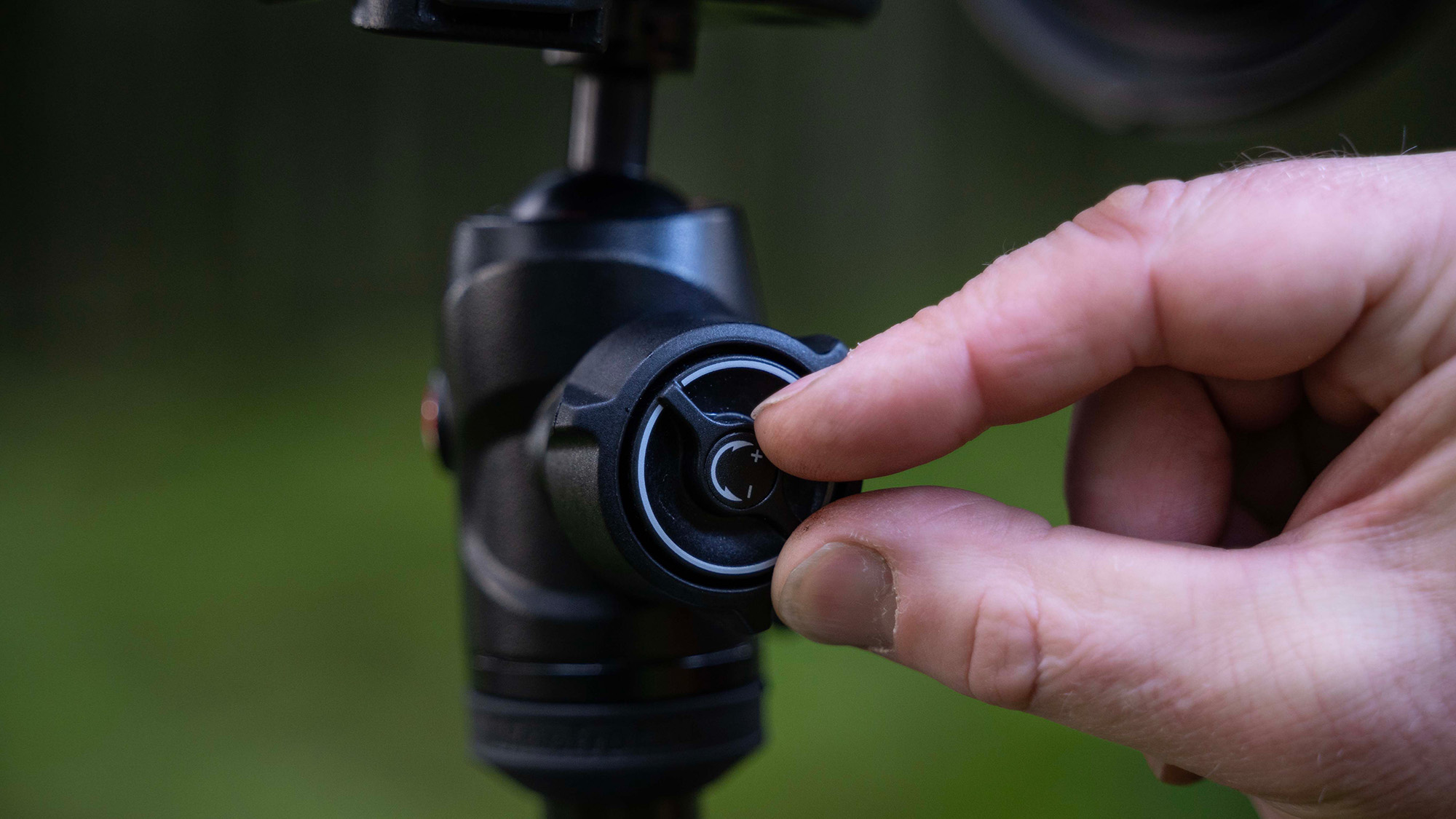
Professional-grade tripods are measured by their payload capacity—the amount of weight they can securely support while maintaining total stillness. A common failure point in budget tripods is the "friction creep," where the head fails to lock firmly, causing the camera to sag under the weight of a lens.
Data from leading industry testers indicate that while an entry-level tripod might claim a 5kg load capacity, its "effective" stability—the weight it can hold without introducing blur at high magnification—is often less than half of that figure. In contrast, a mid-range, reputable tripod featuring aluminum or carbon fiber construction provides consistent friction and precise movement. Key performance indicators for a tripod include:
- Torsional Rigidity: The ability to resist twisting forces during panning.
- Damping Capacity: The material’s inherent ability to suppress vibrations (Carbon fiber is generally superior to aluminum in this regard).
- Leg Lock Security: The reliability of lever or twist-lock mechanisms over thousands of cycles.
The Economic Argument: Investing in Longevity
The perspective on tripod expenditure requires a fundamental shift. Many photographers are comfortable spending $1,000 on a camera body or $800 on a lens but balk at the prospect of spending $200 on a tripod. This is a false economy. A well-maintained, high-quality tripod can easily outlast three or four generations of camera bodies.
When analyzing the return on investment (ROI) for equipment, a tripod is one of the few items that does not suffer from "planned obsolescence." A robust set of legs purchased today will remain just as effective in a decade, regardless of how many megapixels a future sensor may have. The used market offers further evidence of this durability; while digital cameras lose significant value as technology advances, professional-grade tripod systems retain a high percentage of their resale value, confirming their status as long-term assets.
Specialized Requirements: Macro and Landscape Considerations
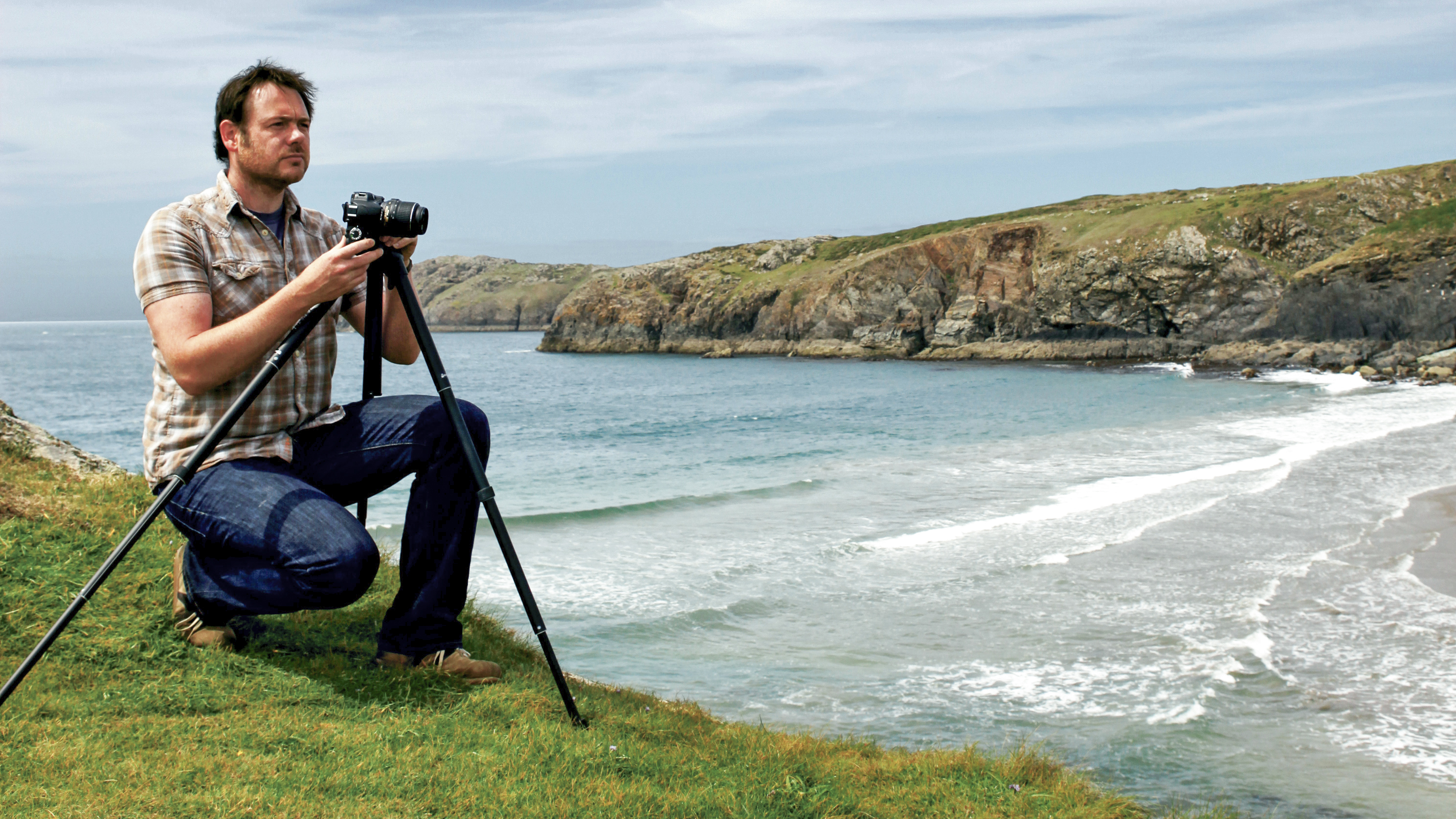
The necessity for a high-quality tripod increases in direct correlation with the subject matter. For macro photographers, the tolerance for movement is near zero. At 1:1 magnification, a shift of a fraction of a millimeter can render the entire subject out of focus. In this discipline, the tripod head becomes as important as the legs; geared heads are often preferred for their ability to make incremental adjustments that ball heads cannot achieve.
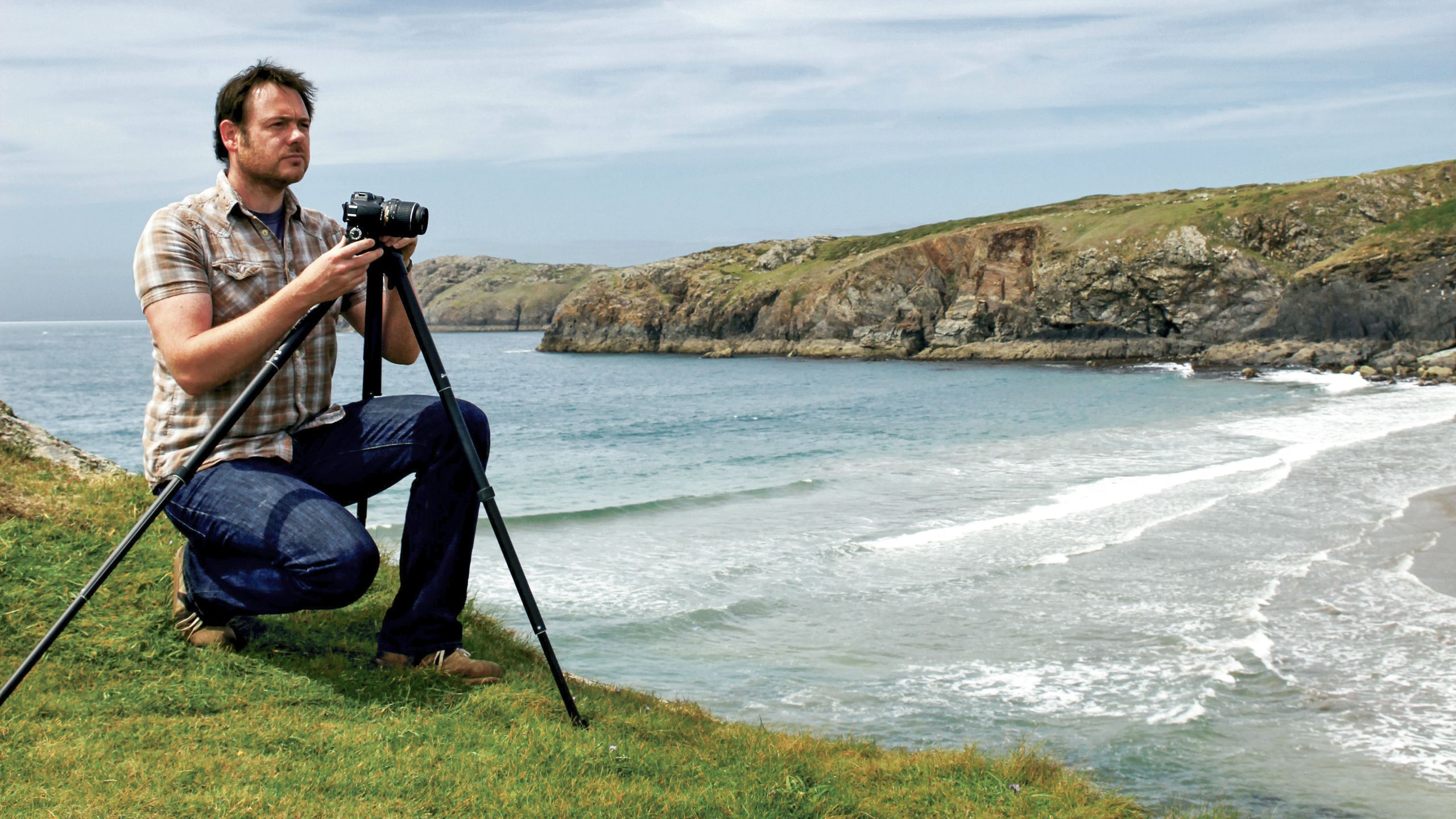
Landscape photographers, meanwhile, face environmental variables that necessitate robust hardware. Working in high-wind conditions or on uneven terrain requires legs that can splay independently and a center column that can be removed or reversed for low-angle perspectives. These are features rarely found in budget models, which typically feature fixed leg angles and flimsy center columns that are prone to wobbling.
Expert Insights on Material Selection
Industry experts generally suggest that photographers should look for three things when upgrading their support system: materials, head type, and modularity.
- Carbon Fiber vs. Aluminum: While aluminum is more affordable, carbon fiber provides a superior strength-to-weight ratio and better vibration dampening. For hikers and travel photographers, the weight saving is worth the premium.
- Ball Head vs. Pan-Tilt: Ball heads offer speed and versatility, making them ideal for wildlife and general photography. Pan-tilt or geared heads offer the precision required for architectural and landscape work.
- Modular Components: The ability to replace the head or individual leg sections ensures the tripod can be repaired rather than discarded if a specific part fails.
Broader Implications for the Photography Industry
The professional consensus remains clear: if you are serious about photography, your tripod is an extension of your camera. By failing to invest in a stable platform, a photographer effectively limits the performance of their lens and sensor. Modern high-resolution sensors are unforgiving; they record every minute movement, meaning that the days of "hand-holding" at slow shutter speeds are over for those seeking the highest image quality.
As the industry moves toward higher resolution and more complex sensor technologies, the demand for stable, reliable support will only grow. The distinction between a hobbyist and a professional is often found in the accessories they choose to ignore. By reframing the tripod from an "accessory" to a "critical component," photographers can ensure that their technical execution matches their creative vision.
Ultimately, the goal is to reach a point where the tripod becomes invisible—a silent partner that allows the photographer to focus entirely on composition and light, confident that the equipment is providing the absolute stillness required to capture the scene exactly as intended. Whether you are trekking through remote landscapes or setting up for a controlled studio shoot, the weight of a quality tripod is a burden worth carrying.