Samsung Unveils Galaxy Z Fold 8 and Z Fold 8 Ultra: A Bold New Chapter in Foldable Technology

Samsung has dramatically reshaped its foldable smartphone strategy with the introduction of the eighth generation of its Galaxy Z series, a move that signals a significant evolution beyond its established Flip and Fold paradigms. The Korean tech giant, a consistent innovator in the burgeoning foldable market, has not only refined its flagship book-style foldable but has also introduced a new variant, the Z Fold 8 Ultra, alongside a surprisingly re-imagined standard Z Fold 8. This strategic divergence aims to cater to distinct user needs, with an emphasis on enhanced media consumption and a refined premium experience.
The initial unveiling, which occurred at a closely guarded Samsung Unpacked event, has generated considerable buzz within the tech community. For years, Samsung’s foldable portfolio has been characterized by the compact, retro-inspired Z Flip line and the larger, tablet-like Z Fold series. The Z Fold, in particular, has been lauded for its ability to transform from a conventional smartphone into a more expansive display, offering a dual-purpose device for productivity and entertainment. However, the introduction of the Z Fold 8 and its more powerful sibling, the Z Fold 8 Ultra, marks a departure from this straightforward bifurcation.
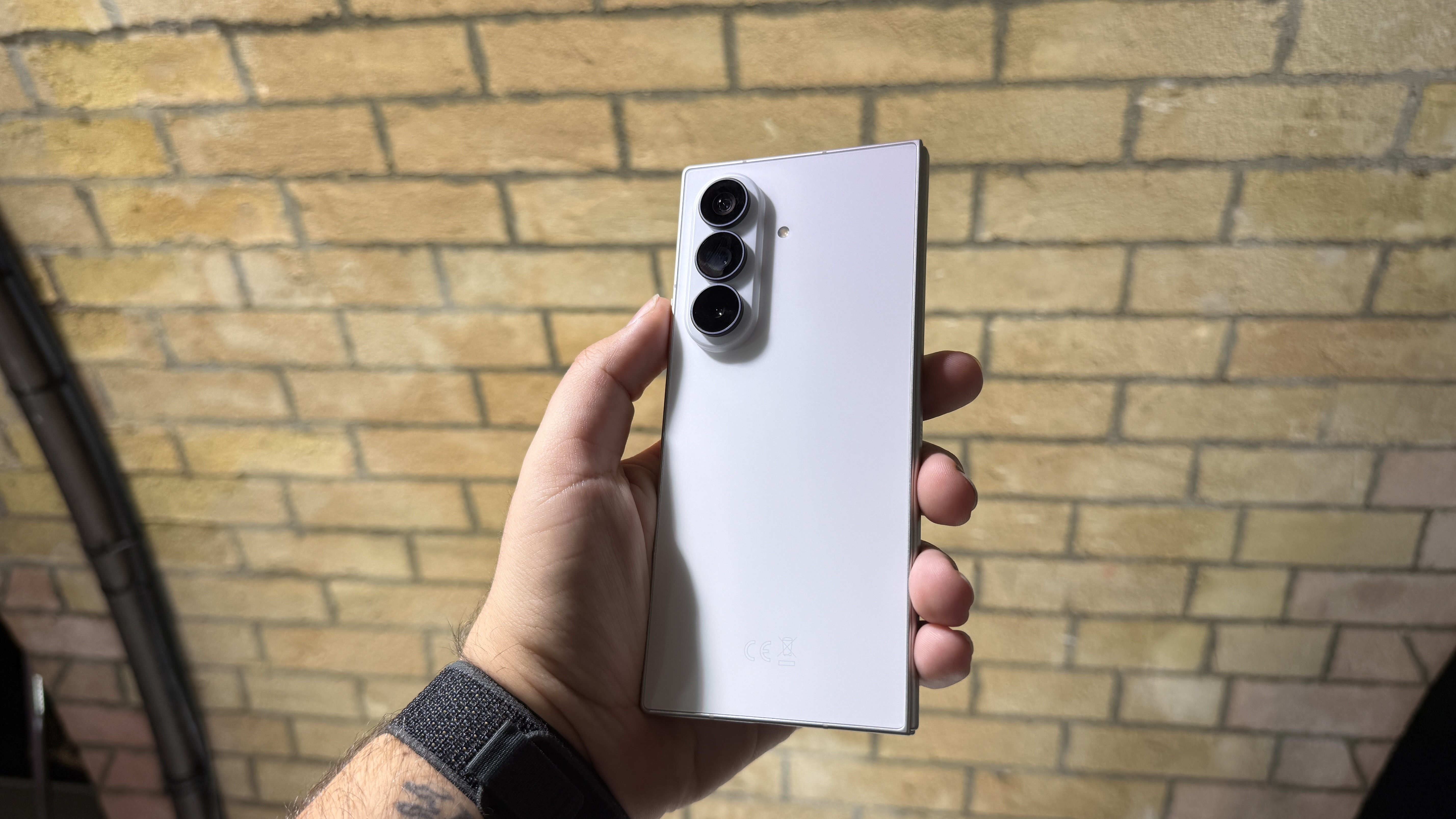
The most striking development is the introduction of the "Ultra" moniker to the Fold lineup, a designation previously reserved for Samsung’s top-tier slab smartphones. This suggests a heightened focus on performance, features, and potentially, a more premium build for the Z Fold 8 Ultra. However, early impressions from an exclusive hands-on session reveal that the standard Z Fold 8 is the device that has truly captured the attention of reviewers, presenting an unexpected yet welcome departure from the conventional. This shift in design philosophy for the base model indicates Samsung’s willingness to experiment and innovate within its most established foldable form factor.
Pricing and Availability: A Premium Investment
Samsung has been swift to announce UK pricing and storage configurations for both new models, underscoring their positioning as high-end devices. The Galaxy Z Fold 8 starts at a considerable £1,699 for the 256GB variant, escalating to £1,869 for 512GB and topping out at £2,029 for the 1TB model. The more feature-rich Galaxy Z Fold 8 Ultra commands a higher premium, beginning at £1,899 for 256GB, £2,069 for 512GB, and a substantial £2,049 for the 1TB version.
Interestingly, the standard Z Fold 8 sees a price reduction of £100 compared to its predecessor, the Galaxy Z Fold 7, a move that could make it more accessible to a broader segment of the premium market. Conversely, the Z Fold 8 Ultra is priced £100 higher than the outgoing model, reflecting its enhanced specifications and positioning. This pricing strategy indicates a tiered approach, with the Ultra model clearly aimed at users demanding the absolute pinnacle of foldable technology.
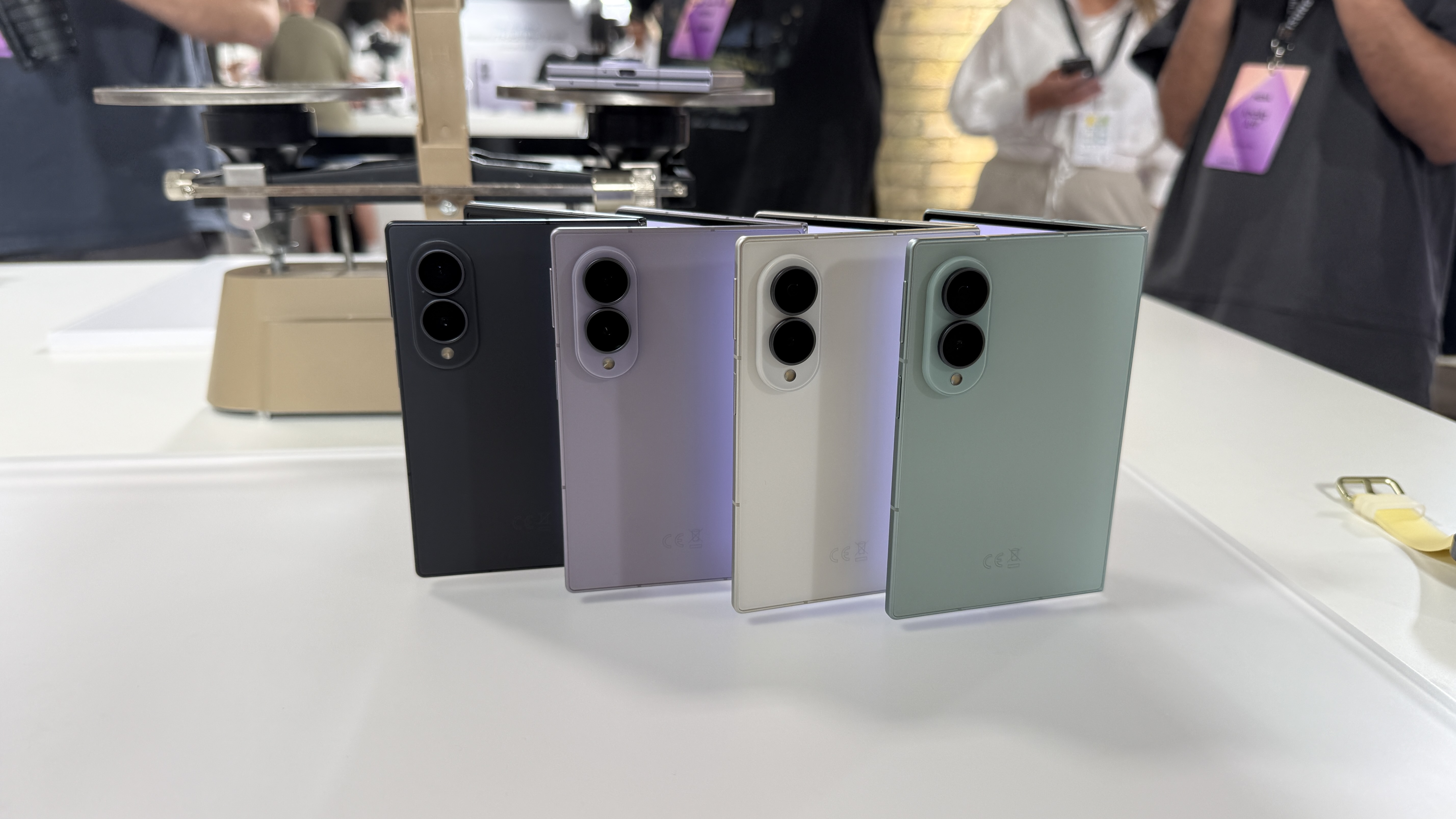
The devices are available in a range of sophisticated finishes. The Galaxy Z Fold 8 can be purchased in Graphite, Cream, Pistachio, and Lavender. The Z Fold 8 Ultra offers a slightly more exclusive palette, with Graphite and Cream complemented by Violet Shadow and Green Shadow options. These color choices further emphasize the premium nature of the devices, catering to diverse aesthetic preferences.
Design and Engineering: A Tale of Two Folds
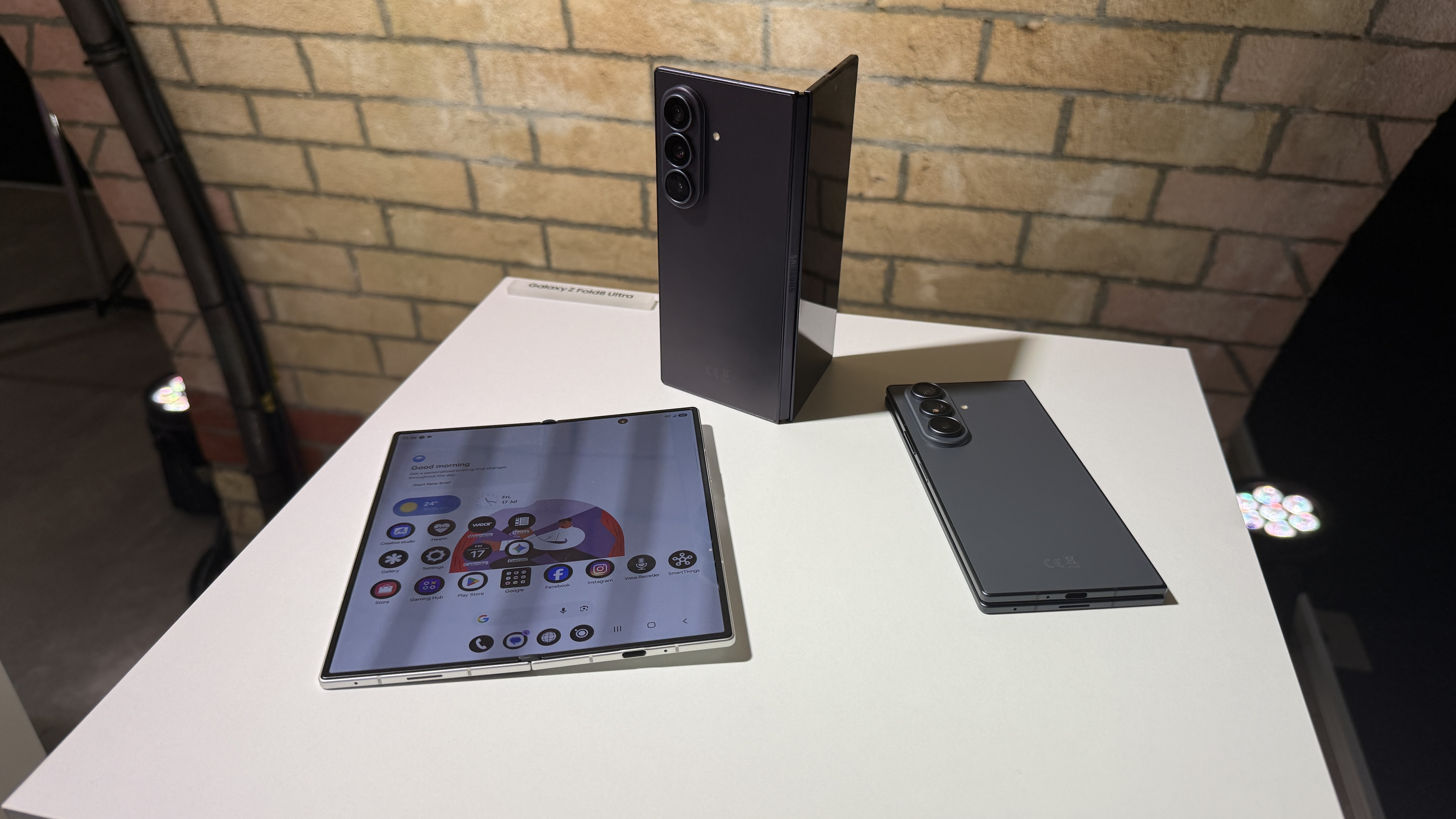
The design philosophy behind the Z Fold 8 and Z Fold 8 Ultra presents a fascinating duality. The Galaxy Z Fold 8 Ultra largely adheres to the established Z Fold blueprint, maintaining the familiar 6.5-inch external display with a 21:9 aspect ratio and an expansive 8-inch internal display. Despite its unchanged screen dimensions, Samsung has managed to achieve an even slimmer profile this year, a notable engineering feat given the Z Fold 7’s already remarkable thinness. The inclusion of integrated magnets for a more seamless and satisfying opening and closing mechanism is a welcome refinement, enhancing the tactile experience of unfolding the device into its tablet mode.
A significant technological advancement across both models is the introduction of Samsung’s new Flex Titanium Technology display architecture. This innovative design incorporates a super-thin titanium alloy mesh and a flexible titanium plate beneath the AMOLED display. The result is a demonstrably flatter and more uniform screen surface when unfolded, crucially reducing the prominence of the central crease. This enhanced display integrity promises a more immersive and uninterrupted viewing and interaction experience, a key consideration for any device focused on media consumption.
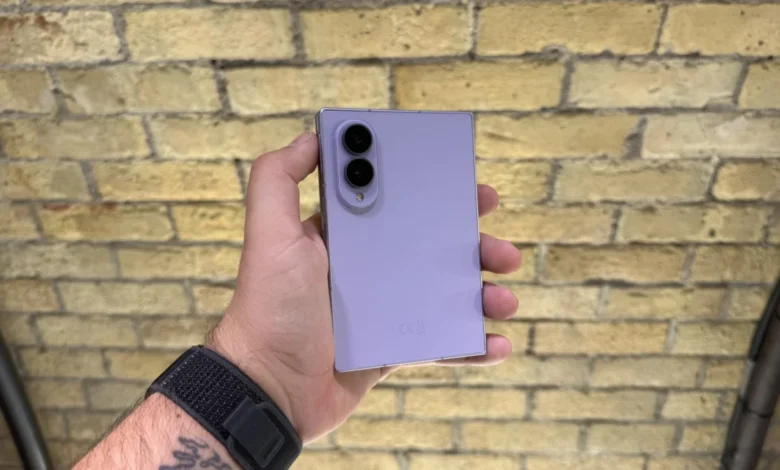
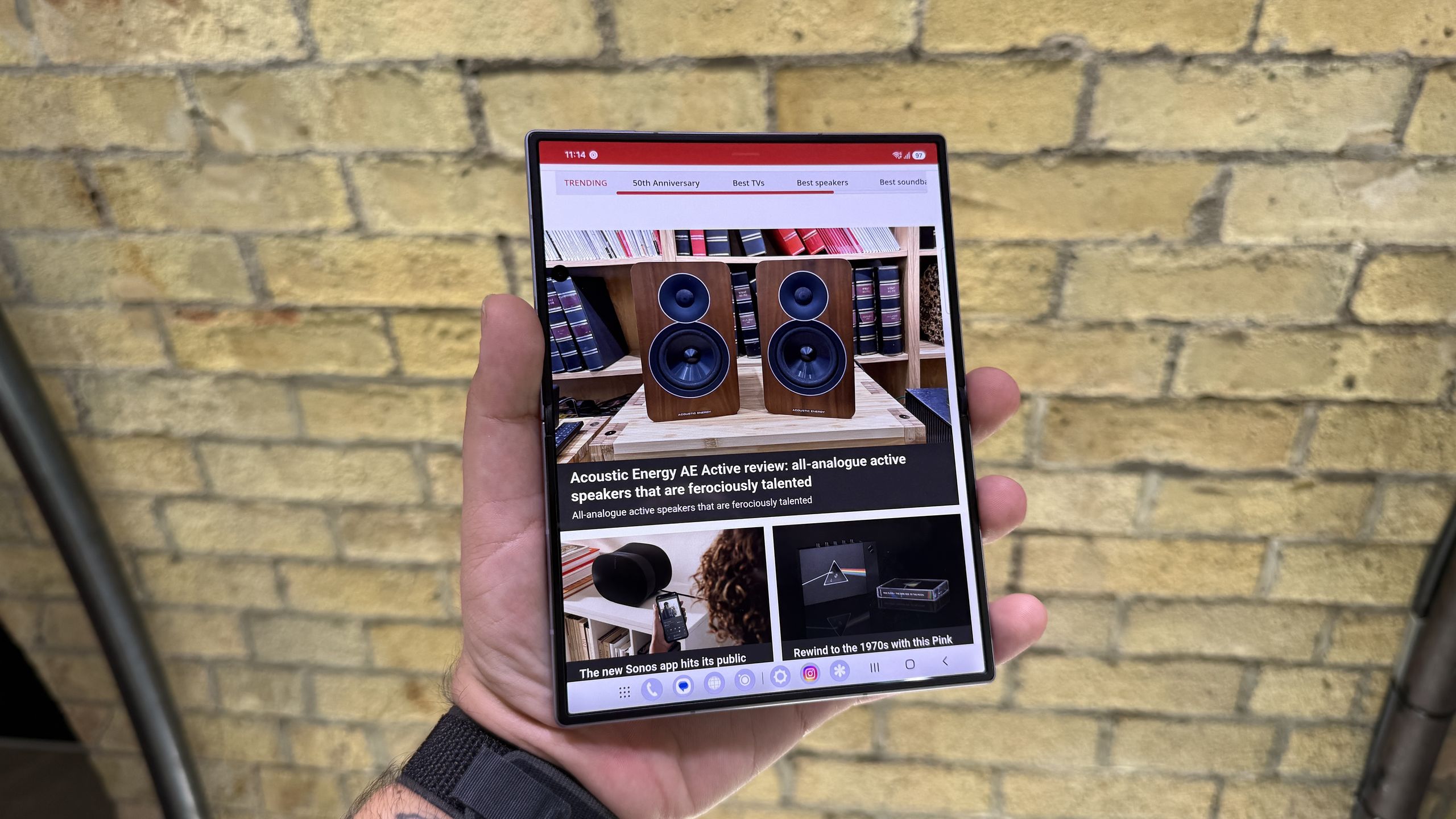
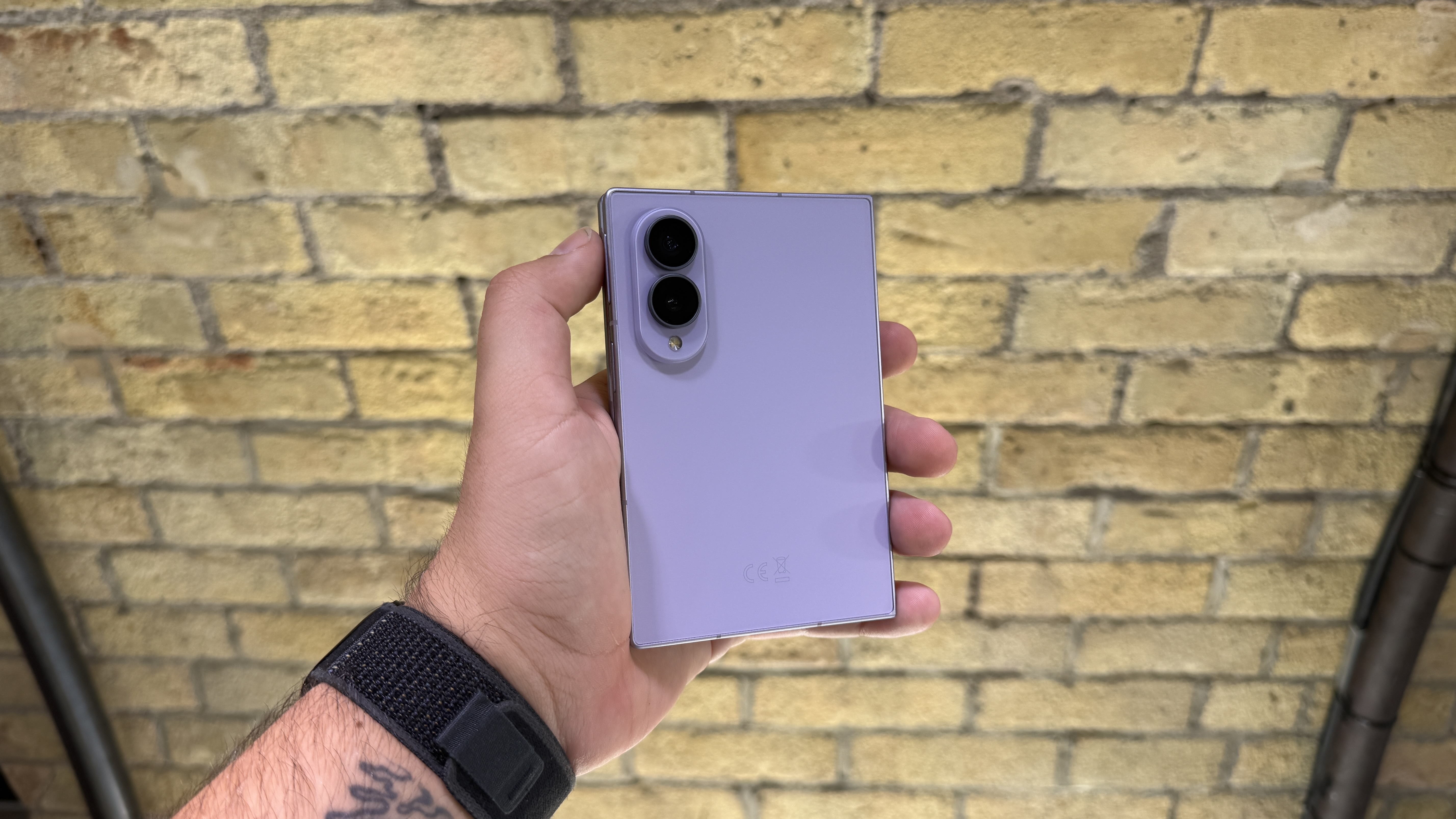
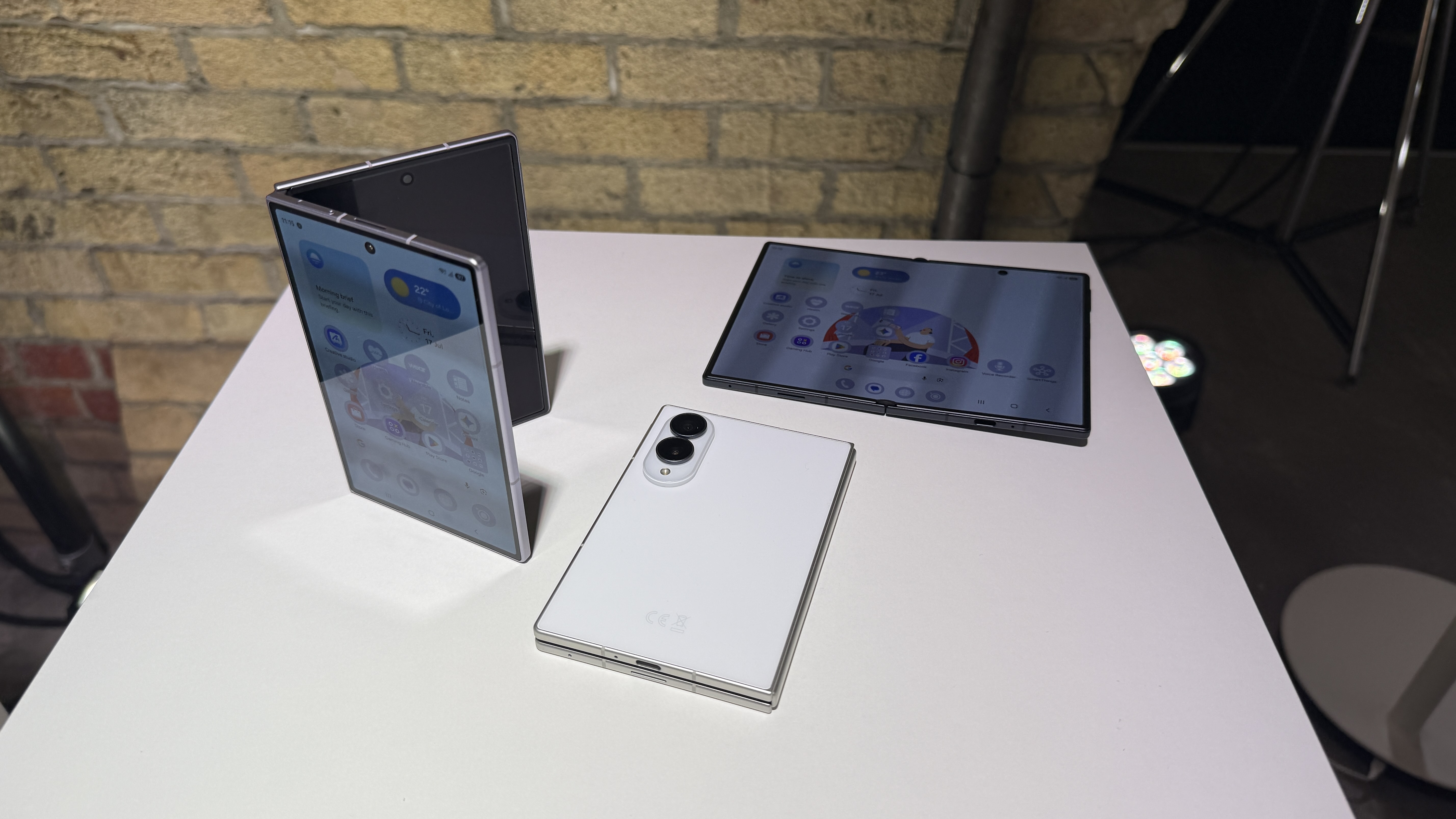
The standard Galaxy Z Fold 8, however, represents a more radical departure. It features an entirely novel form factor, boasting a 7.6-inch internal display with a more squarish 4:3 aspect ratio, paired with a 10:16 aspect ratio outer screen. While the Z Fold 8 Ultra retains the conventional "chocolate bar" folded profile, the Z Fold 8 adopts a more compact, almost passport-like shape. This shorter and wider design has been met with surprising enthusiasm during initial handling. Its dimensions make it exceptionally comfortable to hold and operate one-handed, a welcome relief in an era of increasingly unwieldy smartphones. The accessibility of every edge and corner of the outer display is a significant ergonomic advantage.
Samsung’s strategic decision to reorient the standard Z Fold 8’s form factor appears to be driven by a conscious effort to optimize it for content consumption. While the Z Fold 8 Ultra continues to serve as a powerhouse for productivity and multitasking, the standard Z Fold 8 is explicitly positioned as a device optimized for watching, reading, and browsing, prioritizing a more pocketable and user-friendly experience.
Features and Functionality: An AV-First Approach
Samsung’s commitment to an "AV-first" approach, as highlighted in the initial verdict, is evident in the feature set of both the Z Fold 8 and Z Fold 8 Ultra. Both devices boast displays with an impressive 3000 nits peak brightness, coupled with HDR10+ support and Samsung’s Vision Booster technology. This combination ensures vibrant visuals and exceptional contrast, even in challenging bright outdoor conditions. Furthermore, the implementation of Samsung’s effective anti-reflective display coating is a crucial addition, mitigating unwanted glare on the expansive inner screens.
While specific details regarding the ProScaler feature, a tool praised in previous Samsung flagships like the Galaxy S26 Ultra, were not fully disclosed during the hands-on session, its inclusion is anticipated. The audio experience is expected to be robust, with support for Dolby Atmos delivered through the built-in stereo speakers and also via wired or wireless headphones.
Under the hood, both foldables are powered by the cutting-edge Qualcomm Snapdragon 8 Elite Gen 5 for Galaxy processor. This is complemented by either 12GB or 16GB of RAM, depending on the chosen storage configuration. This powerful combination ensures seamless operation of the Android operating system and Samsung’s sophisticated One UI, mirroring the performance observed in the Galaxy S26 Ultra.
The integration of Samsung’s comprehensive suite of Galaxy AI features is a significant highlight. Users can expect access to advanced AI-powered tools for photo editing, enhanced search capabilities, and intelligent writing assistance. New additions like "Now Brief" offer contextual information throughout the day, while "Now Nudge" intelligently identifies key information on screen—such as dates, times, and locations—and provides contextually relevant replies by integrating with other applications like calendars.
A notable divergence lies in the camera systems. The Z Fold 8 is equipped with a dual-camera setup on its rear, featuring a 50MP main sensor and a 50MP ultra-wide lens. In contrast, the Z Fold 8 Ultra elevates the photographic experience with a more advanced array: a 50MP ultra-wide camera (an upgrade from the 12MP on previous models), a powerful 200MP main camera, and a 10MP telephoto lens. This significant difference in camera hardware suggests the Ultra model is designed for users who prioritize photographic capabilities alongside its foldable form factor.
Battery capacity also sees a distinction. The Z Fold 8 is powered by a 4800mAh battery, rated for up to 26 hours of video playback. The Z Fold 8 Ultra steps up to a larger 5000mAh cell, offering an additional hour of video playback. Both devices support rapid wired charging at up to 45W, ensuring minimal downtime.
Visual and Auditory Performance: Early Impressions
During the limited hands-on testing, which primarily involved viewing movie trailers on YouTube due to restrictions on app downloads and logins, both devices delivered a compelling visual experience. The trailers for "Dune: Part Three," "The Odyssey," and "Spider-Man: Brand New Day" were rendered with remarkable sharpness and clarity. Colors were punchy and bold, and motion appeared fluid.
A key visual differentiator emerged from the aspect ratios of the displays. While both phones utilize OLED technology, ensuring deep blacks and excellent contrast, the standard Z Fold 8’s more conventional aspect ratio resulted in smaller, less obtrusive letterboxing bars during content playback. This subtle but significant difference enhances the immersive quality of the viewing experience on the standard model. While a full assessment of picture quality requires more rigorous testing in ideal conditions, the initial impressions suggest a high standard of visual fidelity across both devices.
Auditory testing was more constrained. While a brief blast of the Z Fold 8 Ultra’s speakers in a busy environment demonstrated their ability to cut through ambient noise effectively, a comprehensive evaluation of audio performance, particularly for music playback, will require dedicated listening sessions with reference headphones. Samsung’s past performance in audio reproduction, while generally good, has often lagged behind competitors like Apple and Sony in pure music fidelity. Whether the Z Fold 8 and Z Fold 8 Ultra mark a turning point in this regard remains to be seen.
Early Verdict: A Promising New Direction
Samsung’s latest foldable offerings, the Galaxy Z Fold 8 and Z Fold 8 Ultra, represent a significant and potentially game-changing evolution for the company’s foldable lineup. The introduction of an "Ultra" variant clearly signals an ambition to push the boundaries of foldable technology for the most demanding users. However, it is the thoughtful re-imagining of the standard Z Fold 8, with its distinct form factor optimized for media consumption and enhanced pocketability, that has generated the most excitement.
The emphasis on an "AV-first" approach, evident in the high-quality displays and robust feature sets, suggests a clear strategy to appeal to users who prioritize entertainment and media experiences on their mobile devices. The reduction in the central display crease through the Flex Titanium Technology is a welcome improvement that enhances the overall user experience.
While it is still too early to render a definitive judgment, the initial impressions of the Galaxy Z Fold 8 duo are overwhelmingly positive. Samsung appears to have successfully identified and addressed different user needs within the foldable market, offering both a premium powerhouse and a more accessible, content-centric option. The coming weeks will be crucial as full reviews are conducted, delving deeper into the performance, camera capabilities, battery life, and overall user experience of these innovative devices. The stage is set for Samsung to further solidify its leadership in the foldable smartphone arena.