Castles in the Air Roleplaying Game Bridges Historical Drama and Collaborative Storytelling in New Gilded Age Adventure.


Storybrewers Roleplaying, the acclaimed studio behind the Jane Austen-inspired "Good Society," has announced its latest project, "Castles in the Air," a tabletop roleplaying game (TTRPG) designed to capture the poignant, transformative journey of growing up. Drawing heavy inspiration from the seminal works of 19th-century literature, the game invites players to navigate the transition from the innocence of childhood to the complexities of adulthood against the backdrop of the American Gilded Age. Designed by Melia Carraway with contributions from Storybrewers co-founders Vee Hendro and Hayley Gordon, the title seeks to fill a unique niche in the tabletop market, prioritizing emotional resonance and interpersonal dynamics over traditional combat mechanics.
A Narrative Focused on the Bildungsroman Tradition
At its core, Castles in the Air functions as a collaborative storytelling engine. Unlike many mainstream TTRPGs that focus on high-fantasy questing or tactical skirmishes, this game is rooted in the "Bildungsroman" or coming-of-age genre. The narrative structure is explicitly modeled after literary classics such as Louisa May Alcott’s "Little Women" and Lucy Maud Montgomery’s "Anne of Green Gables."
These influences are evident in the game’s thematic preoccupation with domestic life, social expectations, and the internal growth of its characters. By utilizing the 2019 Greta Gerwig adaptation of "Little Women" and the 2017 "Anne with an E" series as modern touchstones, the designers have signaled a focus on "modern-classic" sensibilities—stories that feel historical yet resonate with contemporary emotional truths.
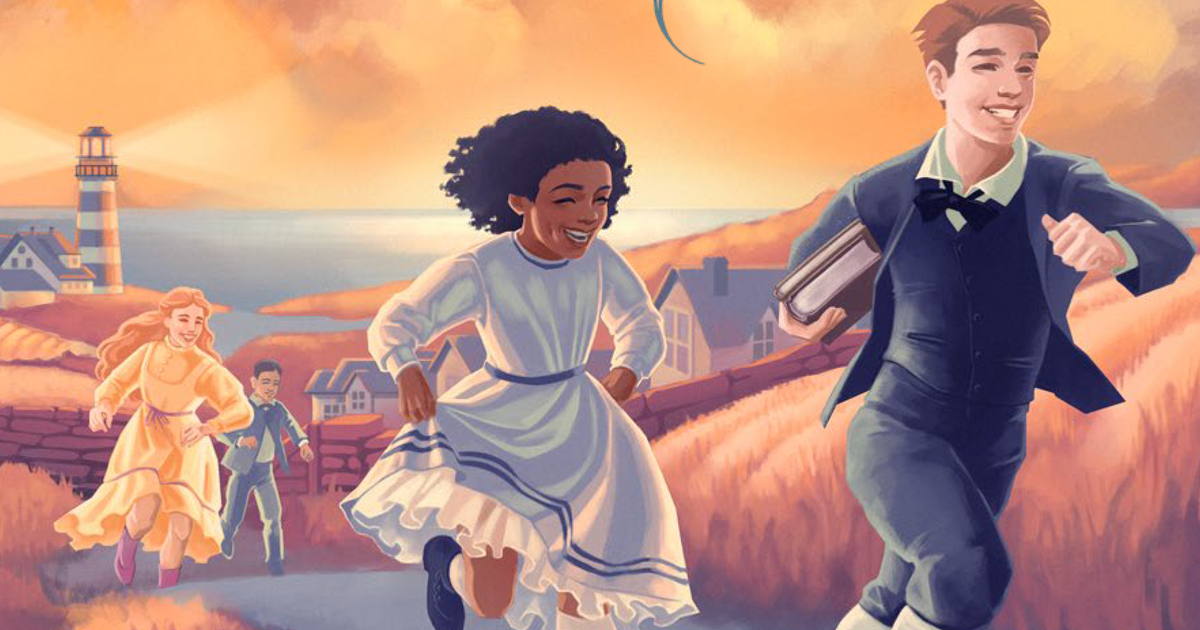
The gameplay is divided into distinct phases, mirroring the natural progression of life. Players begin as a tight-knit group of children in a rural or semi-rural setting. During this initial stage, the focus is on "small" wonders: exploring local farmlands, swimming in lakes, and observing the stars. This phase establishes the foundational bonds between characters, creating a "shared childhood" that serves as the emotional anchor for the rest of the campaign.
The Historical Backdrop: The Gilded Age (1870s–1890s)
The choice of the Gilded Age as a setting provides a rich, albeit complex, tapestry for storytelling. Spanning roughly from 1870 to 1900, this era in United States history was characterized by rapid industrialization, the rise of "robber barons," and significant shifts in the social fabric. While the term "Gilded Age"—coined by Mark Twain—suggests a glittering surface of prosperity, it also implies a darker reality of social inequality and labor unrest beneath.
In Castles in the Air, this historical context informs the "great expectations" of the characters. As the player characters age, the encroaching industrial world and the shifting economic landscape of the late 19th century begin to exert pressure on their childhood dreams. The game explores how migration, economic growth, and the changing roles of women during this period affect individual trajectories. Whether a character stays in their rural hometown or ventures into the burgeoning urban centers of the era becomes a pivotal narrative choice that reflects the historical realities of the time.
Character Archetypes and Collaborative Mechanics
Character creation in Castles in the Air eschews traditional stats like "strength" or "intelligence" in favor of roles that define a character’s place within a social and emotional ecosystem. Inspired by archetypal figures in period dramas, players can choose from roles such as:
- The Troublesome Scamp: A character defined by mischief and a refusal to adhere to strict social decorum, much like Jo March or Anne Shirley in their younger years.
- The Studious Bookworm: A character focused on intellectual pursuits, often feeling caught between the world of literature and the demands of reality.
- The Spoiled Princess: A character accustomed to financial comfort who must eventually reckon with the limitations of wealth and the expectations of high society.
Beyond these roles, players define their characters through "Dreams," "Childhood Relationships," and a "Family Background." A particularly unique mechanic is the inclusion of a "Bosom Enemy"—a rival whose presence provides friction and growth throughout the narrative. These elements ensure that the story remains focused on the characters’ internal lives and their evolving perceptions of one another.
As the campaign progresses into the "adulthood" phase, the mechanics shift to reflect the hardships of maturity. Characters may find their childhood friendships strained by professional rivalry, romantic entanglements, or differing social statuses. The game explicitly prepares players for the possibility of drifting apart, mirroring the bittersweet reality of many classic coming-of-age stories.
The Creative Pedigree of Storybrewers Roleplaying
The development of Castles in the Air benefits from the established reputation of its publisher, Storybrewers Roleplaying. Based in Australia, the studio gained international recognition with "Good Society: A Jane Austen Roleplaying Game." That title was praised for its innovative "hidden information" and "social currency" mechanics, which successfully translated the subtle power plays of Regency-era ballrooms into a playable format.
Vee Hendro and Hayley Gordon, the duo behind Storybrewers, have consistently championed "high-trust" gaming—a style of play where players work together to curate a story rather than competing against a Game Master. Their involvement in Castles in the Air suggests a similar level of mechanical polish and thematic depth. Lead designer Melia Carraway has integrated these collaborative principles to ensure that every player has agency in shaping the world, from the layout of their childhood farm to the eventual resolution of their adult conflicts.
Market Trends and the Rise of "Cozy" Gaming
The announcement and subsequent crowdfunding success of Castles in the Air arrive at a significant moment for the TTRPG industry. Over the last five years, there has been a notable shift toward "cozy" or "slice-of-life" games. While "Dungeons & Dragons" remains the market leader, a growing demographic of players is seeking experiences that prioritize character development and emotional exploration over combat.
According to industry analysts, the success of narrative-heavy games on platforms like Kickstarter indicates a diversifying player base. The "indie RPG" scene has flourished by catering to specific literary niches—such as the "Brontë-esque" gothic drama or the "Austenian" comedy of manners. Castles in the Air positions itself squarely within this movement, appealing to fans of historical fiction and period-piece cinema who may have previously felt unrepresented in the tabletop hobby.

Crowdfunding Data and Production Timeline
The Kickstarter campaign for Castles in the Air has demonstrated strong market interest. As of May 2024, the project has attracted significant backing, moving well toward its production goals. The campaign is scheduled to conclude on June 9th, offering various tiers for supporters:
- Digital Tier (AU$ 34 / approx. £18 / $26): Provides a PDF version of the rulebook and all digital stretch goals.
- Physical Tier (AU$ 99 / approx. £52 / $77): Includes a high-quality physical hardcover book, designed to mimic the aesthetic of a late-19th-century novel.
The production timeline set by Storybrewers is ambitious but consistent with their previous successful launches. Physical copies are slated for delivery in March 2025. The studio has emphasized that the physical edition will feature period-appropriate artwork and layout designs intended to immerse players in the Gilded Age aesthetic.
Implications for Tabletop Storytelling
The release of Castles in the Air represents a broader maturation of the TTRPG medium. By tackling the specific nuances of the Gilded Age and the universal experience of growing up, the game challenges the notion that tabletop gaming must be synonymous with "adventure" in the traditional sense. Instead, it posits that the quiet struggle of a young woman trying to publish her first novel or the reconciliation of two estranged childhood friends can be just as harrowing and heroic as a battle with a dragon.
Furthermore, the game’s emphasis on "collaborative narrative" reflects a shift in player expectations. Modern players are increasingly looking for systems that empower them to be co-authors of their experience. By providing a structured framework for childhood nostalgia and adult reckoning, Castles in the Air offers a toolkit for players to explore their own perspectives on legacy, loss, and the enduring nature of friendship.
As the campaign enters its final weeks, the tabletop community continues to watch Storybrewers Roleplaying. If the success of "Good Society" is any indication, Castles in the Air is poised to become a staple for narrative-focused gaming groups, offering a sophisticated and sentimental journey through one of history’s most transformative eras. For those who grew up dreaming of the March sisters’ attic or the red cliffs of Prince Edward Island, this new RPG offers a chance to finally build their own castles in the air.