Tim Cook to Transition to Apple Executive Chairman, John Ternus Appointed New CEO in Major Leadership Shift

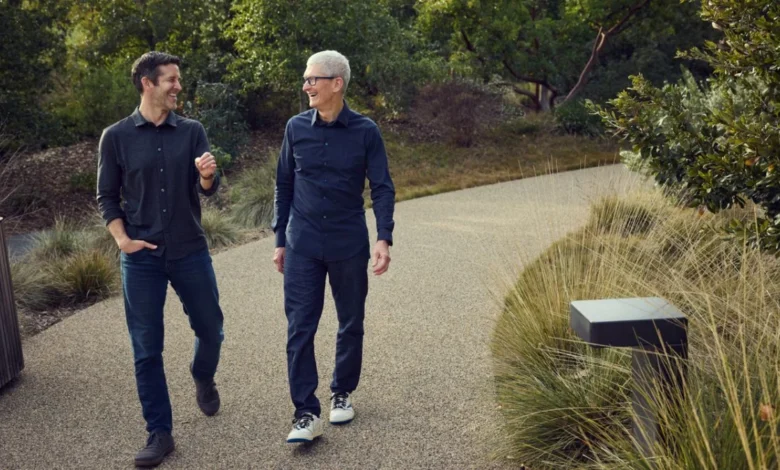
Apple Inc. today announced a landmark leadership transition, revealing that Chief Executive Officer Tim Cook will step down from his current role to assume the position of executive chairman of the company’s board of directors. The meticulously planned succession will see John Ternus, Apple’s current senior vice president of hardware engineering, ascend to the CEO position. This pivotal change is slated to take effect on September 1, marking a significant new chapter for the world’s most valuable technology company after nearly a decade and a half under Cook’s stewardship.
A New Era for Apple: Leadership Transition Announced
The announcement, delivered via a company press release, confirms a carefully orchestrated handover designed to ensure seamless continuity at the helm of the Cupertino giant. Tim Cook, 65, will continue to lead Apple as CEO until John Ternus officially takes the reins on the first day of September. In his new capacity as executive chairman, Cook is expected to maintain a critical role in Apple’s strategic direction, particularly focusing on global governmental relations and policy engagement. This mandate will likely see him continue to navigate complex relationships with key international stakeholders, including the U.S. administration, China, India, and other regions vital to Apple’s expansive manufacturing, supply chain, and market interests. The decision underscores Apple’s recognition of the increasing geopolitical complexities affecting global technology companies and the strategic importance of high-level diplomatic engagement.
Tim Cook’s Transformative Tenure: A Legacy of Unprecedented Growth
Tim Cook’s journey to becoming one of the most influential CEOs in modern history is a testament to operational excellence, strategic vision, and a steadfast commitment to Apple’s core values. His impending transition prompts a retrospective on a period of remarkable expansion and diversification that solidified Apple’s position as an economic powerhouse and cultural touchstone.
From Operations Maestro to Global CEO
Cook originally joined Apple in 1998, recruited by Steve Jobs from Compaq, where he was vice president of corporate materials. His initial role at Apple as senior vice president for worldwide operations quickly saw him revolutionize the company’s labyrinthine supply chain. Cook’s genius for logistics transformed Apple’s manufacturing and distribution into an unparalleled global machine, renowned for its efficiency, precision, and ability to deliver products at an unprecedented scale. This operational mastery was a crucial, albeit often understated, factor in Apple’s rapid ascent in the late 1990s and 2000s.
In 2011, as Steve Jobs’ health deteriorated, Cook was handpicked by the visionary co-founder to succeed him as CEO. This endorsement from Jobs, a figure synonymous with Apple’s innovative spirit, was a powerful vote of confidence. Cook inherited a company on an extraordinary trajectory but also one facing the immense challenge of thriving beyond its charismatic founder. He not only met this challenge but propelled Apple to unimaginable new heights.
Financial Milestones and Market Dominance
Under Cook’s leadership, Apple’s financial performance has been nothing short of astronomical. The company’s market capitalization surged from approximately $350 billion at the start of his CEO tenure in fiscal year 2011 to an astonishing $4 trillion by fiscal year 2025 – representing a more than 1,000% increase. This meteoric rise positioned Apple as the world’s most valuable publicly traded company, a title it has frequently held for years.
Similarly, annual revenue has nearly quadrupled during his time at the helm, climbing from $108 billion in fiscal year 2011 to more than $416 billion in fiscal year 2025. This growth was not solely driven by existing product lines but significantly bolstered by Cook’s strategic expansion into services. Subscriptions to Apple Music, iCloud, Apple TV+, Apple Arcade, and the App Store ecosystem have become a multi-billion dollar segment, providing a stable, recurring revenue stream that diversified Apple’s business model beyond its traditional hardware reliance. This shift has been lauded by investors for increasing profitability and reducing cyclical dependency on product refresh cycles.
Product Innovation and Strategic Vision
While Steve Jobs was celebrated for his revolutionary product introductions, Cook’s era has been defined by a different, yet equally impactful, form of innovation: refining existing categories and venturing into new ones with meticulous execution. Key product launches under his watch include the groundbreaking Apple Watch, which established Apple as a dominant player in wearables and health technology, and AirPods, which redefined the wireless earbud market. More recently, Apple has pushed boundaries with devices like the iPhone Air, a testament to continued smartphone evolution, and the MacBook Neo, showcasing a relentless pursuit of performance and design in personal computing. These products underscore a commitment to user experience, seamless integration across the Apple ecosystem, and pushing the envelope in industrial design and chip technology.
Beyond hardware, Cook championed Apple’s leadership in critical societal areas. The company dramatically amplified its focus on privacy, positioning it as a core differentiator and advocating for user data protection on a global stage. Environmental initiatives, including commitments to 100% renewable energy for operations and ambitious carbon neutrality goals across its supply chain, have also been hallmarks of Cook’s tenure. Furthermore, Apple’s ventures into health technology, leveraging the Apple Watch and Health app, have laid the groundwork for significant contributions to personal well-being and medical research.
Navigating Global Headwinds
Cook’s leadership was tested by a series of unprecedented global challenges. He skillfully navigated the complexities of US-China trade tensions, which placed immense pressure on Apple’s supply chain and market access. The COVID-19 pandemic presented colossal logistical hurdles, yet Apple’s robust supply chain, honed under Cook’s earlier direction, demonstrated remarkable resilience. The company also faced intensifying regulatory scrutiny globally, particularly concerning antitrust allegations related to its App Store policies and market dominance. Cook’s measured and strategic responses to these challenges have largely maintained Apple’s strong market position and reputation. His ability to manage intricate geopolitical landscapes while maintaining operational efficiency has been a defining characteristic of his leadership.
John Ternus: The Architect of Apple’s Hardware Future
The selection of John Ternus as Apple’s next CEO signals a potential renewed emphasis on the core hardware innovation that has always been central to Apple’s identity. Ternus brings a deep technical understanding and a quarter-century of dedicated service to the company, positioning him as a natural successor steeped in Apple’s engineering culture.
A Quarter-Century of Innovation at Apple
John Ternus embarked on his career at Apple in 2001, joining the product design team. This timing placed him at the heart of Apple’s renaissance, witnessing and contributing to the development of many iconic products from their nascent stages. He holds a bachelor’s degree in Mechanical Engineering from the University of Pennsylvania, a foundational background that underscores his expertise in product architecture and design.
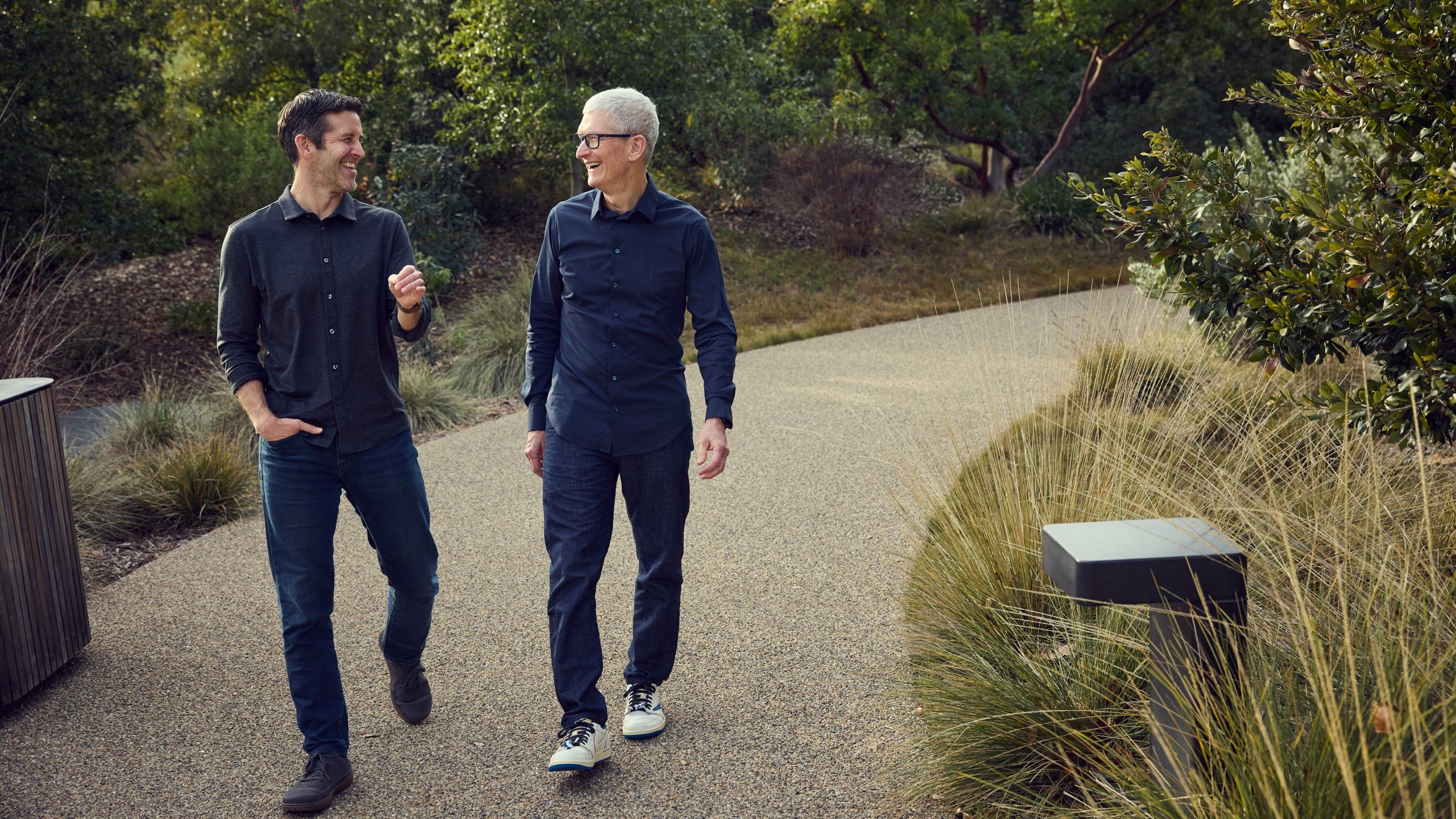
Over the years, Ternus steadily ascended through Apple’s rigorous engineering ranks. His leadership has been instrumental in overseeing hardware engineering across a vast portfolio of Apple’s most successful products. He played a critical role in the introduction of the original iPad, a device that revolutionized personal computing, and the subsequent iterations that cemented its market dominance. His influence also extended to the development of AirPods, which swiftly became a global phenomenon, defining the market for wireless audio. Before his tenure at Apple, Ternus gained valuable experience as a mechanical engineer at Virtual Research Systems, further solidifying his practical engineering acumen.
The Public Face of Apple Hardware
In recent years, John Ternus has become an increasingly visible and authoritative figure in Cupertino, frequently appearing on stage at Apple’s highly anticipated product launch events. His calm demeanor, clear articulation, and profound technical knowledge have made him a respected voice for Apple’s hardware division. He was notably at the forefront of showcasing recent groundbreaking innovations like the sleek iPhone Air and the powerful MacBook Neo, products that highlight Apple’s continued push for cutting-edge design and performance.
Ternus’s reputation within Apple and among industry observers is that of a meticulous engineer with a keen eye for detail and an unwavering commitment to product quality. His long history within the company, coupled with his hands-on experience in developing some of Apple’s most successful hardware, provides him with an unparalleled understanding of Apple’s product pipeline, its manufacturing processes, and its relentless pursuit of innovation. This background suggests a leadership style deeply rooted in engineering excellence and product-first thinking.
The Transition: Statements and Strategic Implications
The announcement of Cook’s transition and Ternus’s appointment has been met with a mixture of reflection and anticipation, with official statements underscoring a deliberate and well-considered handover.
Cook’s Reflective Farewell and Endorsement
In the official press release, Tim Cook shared heartfelt sentiments regarding his time as CEO: “It has been the greatest privilege of my life to be the CEO of Apple and to have been trusted to lead such an extraordinary company. I love Apple with all of my being, and I am so grateful to have had the opportunity to work with a team of such ingenious, innovative, creative, and deeply caring people who have been unwavering in their dedication to enriching the lives of our customers and creating the best products and services in the world.”
His statement also conveyed immense confidence in his successor: “I could not be more confident in his abilities and his character, and I look forward to working closely with [Ternus] on this transition and in my new role as executive chairman.” This public endorsement from Cook is crucial, signaling to employees, investors, and the wider market that the transition is amicable, strategic, and designed for long-term success. It reinforces the idea of a cohesive leadership team committed to Apple’s future.
Continuity and Global Engagement
Cook’s continued engagement as executive chairman, specifically tasked with interacting with "policymakers around the world," highlights a strategic division of labor. This arrangement allows Ternus to fully immerse himself in the day-to-day operations and product strategy, while Cook leverages his extensive experience and relationships to navigate Apple through the increasingly complex geopolitical and regulatory landscape. His experience dealing with the Trump administration, trade disputes with China, and expanding manufacturing interests in India and Vietnam will be invaluable in this capacity. This ensures that Apple retains high-level representation in critical global dialogues, mitigating potential risks and seizing strategic opportunities. The board’s decision to retain Cook in such a significant advisory and ambassadorial role underscores his irreplaceable value in maintaining Apple’s global standing.
Market and Analyst Reactions
Initial reactions from financial markets and technology analysts are expected to be largely positive, given the clear succession plan and the caliber of both individuals. The planned nature of the transition, rather than an abrupt departure, typically instills confidence. Analysts are likely to view Ternus’s deep hardware background as a positive signal for Apple’s continued commitment to product innovation, especially in emerging categories like augmented/virtual reality and advanced AI integration into devices. While some might speculate on shifts in strategy, the overall sentiment is expected to lean towards continuity with a fresh perspective on product development. The stock price may see initial fluctuations, but the transparency and deliberateness of the succession should prevent any significant or prolonged negative impact.
Looking Ahead: Challenges and Opportunities for Apple Under New Leadership
As John Ternus prepares to take the helm, Apple stands at a pivotal juncture, facing both immense opportunities and formidable challenges in a rapidly evolving technological landscape.
Charting the Next Decade of Innovation
Ternus’s immediate priorities will likely include steering Apple through the next wave of technological innovation. Artificial intelligence, for instance, is rapidly transforming the tech industry, and Apple will need to accelerate its integration of advanced AI capabilities across its hardware, software, and services. The success of future product categories, such as potential augmented reality (AR) or mixed reality devices building on the foundations laid by initiatives like the Apple Vision Pro (if launched by 2026), will be critical. Ternus’s hardware-centric background suggests a potential renewed vigor in pushing the boundaries of physical product design and engineering, aiming to deliver "next big things" that captivate consumers as much as the iPhone did. Balancing this hardware ambition with the continued robust growth of Apple’s services ecosystem will be a delicate yet crucial act.
Geopolitical and Regulatory Landscape
The challenges inherited by Ternus extend beyond product development. The global regulatory environment is becoming increasingly stringent, with antitrust investigations targeting big tech firms across the US, Europe, and Asia. Apple’s App Store policies, control over its ecosystem, and market dominance will continue to be under intense scrutiny. Navigating these legal and political minefields will require shrewd leadership. Furthermore, securing resilient and diversified global supply chains in an era of geopolitical instability remains paramount. Cook’s continued role as executive chairman, focusing on these external relations, will undoubtedly provide invaluable support and strategic continuity in these complex areas, allowing Ternus to concentrate on the internal machinery of innovation and execution.
Maintaining Apple’s Cultural Identity
Beyond financial metrics and product launches, a significant task for any Apple CEO is to safeguard and evolve the company’s unique culture. This involves maintaining the relentless pursuit of perfection, fostering a secretive yet collaborative innovation environment, and upholding the values of user privacy and elegant design that have defined Apple for decades. Ternus, having spent 25 years within the company, is deeply ingrained in this culture. His leadership will need to balance preserving these core tenets with adapting to new market realities and fostering a diverse and inclusive workplace that continues to attract and retain top talent globally. The transition marks a full evolution into the "post-Cook operational era," building on the foundations laid by Jobs and Cook, but with Ternus’s own vision for the future.
Conclusion: A Carefully Orchestrated Succession
The leadership transition at Apple, with Tim Cook moving to executive chairman and John Ternus assuming the CEO role, represents a carefully orchestrated and strategic move designed to ensure Apple’s continued dominance and innovation. It acknowledges Cook’s monumental achievements in scaling Apple to unprecedented financial heights and diversifying its business, while simultaneously ushering in a new leader deeply rooted in the company’s hardware engineering DNA. This dual leadership structure, with Cook focusing on high-level global policy and Ternus on product and operational execution, positions Apple to navigate the complex technological, economic, and geopolitical landscapes of the coming decades. As September 1 approaches, the world watches with keen interest to see how John Ternus will steer the iconic company into its next chapter of innovation and growth.