Apple Unveils AirPods Max 2: Iterative Refinement in Premium Over-Ear Audio

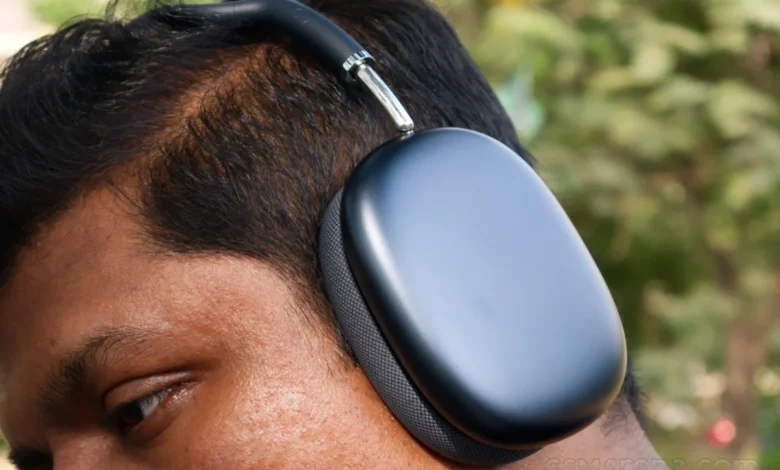
The technology world today turns its attention to the unveiling of the new Apple AirPods Max 2 headphones, marking the latest evolution in Apple’s flagship audio lineup. This third iteration of the premium over-ear headphones promises a series of notable performance enhancements over its predecessors, while largely retaining the familiar aesthetic and user experience that have defined the series since its inception. Positioned at the apex of Apple’s personal audio offerings, the AirPods Max 2 aims to solidify the company’s foothold in the high-end audio market through sophisticated internal upgrades rather than a radical design overhaul.
A Chronology of Apple’s Premium Over-Ear Journey
To fully appreciate the significance of the AirPods Max 2, it is essential to trace the lineage of Apple’s foray into the premium over-ear headphone category. The journey began in December 2020 with the launch of the original AirPods Max. These headphones immediately captured attention for their distinctive design, premium materials – including anodized aluminum earcups and a stainless steel frame – and a unique mesh canopy headband designed for comfort. They introduced features like Adaptive EQ, Active Noise Cancellation (ANC), Transparency mode, and spatial audio with dynamic head tracking, all powered by Apple’s H1 chip. However, they also sparked debate due to their high price point of $549, the perceived limitations of the accompanying Smart Case, and the use of Apple’s proprietary Lightning port for charging, a point of contention for many users advocating for industry-standard USB-C.
In an uncharacteristically quiet move in 2024, Apple released a subtle but significant update to the original model. This revision, which many in the tech community unofficially dubbed the "AirPods Max 1.5," primarily addressed one of the most persistent criticisms: the charging port. The Lightning port was replaced with a universal USB-C connection, aligning the device with Apple’s broader transition across its product ecosystem. Alongside this crucial port change, Apple also introduced a refreshed palette of colors, which have since been carried over to the AirPods Max 2. This unannounced update underscored Apple’s strategy of iterative refinement, often responding to consumer feedback without a full-scale marketing launch. The existence of this intermediate model highlights Apple’s willingness to make incremental improvements to its premium hardware, even if it means doing so without fanfare.
Now, in the present, the AirPods Max 2 emerges as the latest chapter. It builds directly upon the foundation laid by its predecessors, integrating advanced internal components while maintaining the established design language. This release reaffirms Apple’s commitment to its premium audio segment, aiming to deliver cutting-edge performance within a familiar and beloved form factor.
Unboxing and Initial Impressions: A Spartan Approach to Premium
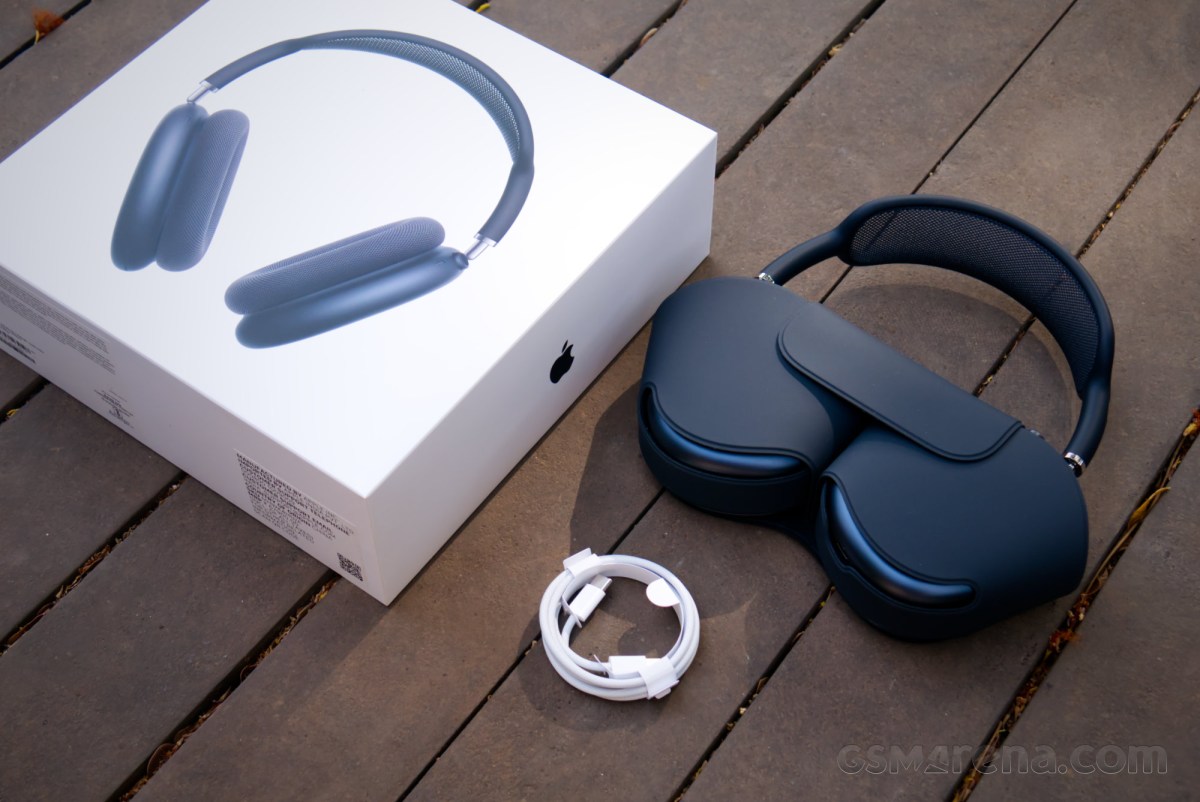
The packaging for the AirPods Max 2 adheres to Apple’s minimalist philosophy. Users will find the headphones nestled within the Smart Case, accompanied solely by a USB-C charging cable. Our review unit, presented in the "midnight" color variant, showcases the thoughtful detail of a color-matched Smart Case. This means that regardless of the chosen color option – be it silver, space gray, sky blue, or pink – the Smart Case will complement the headphones, a subtle touch that enhances the premium feel. However, a notable omission is the lack of a color-matched USB-C cable. For a product commanding a $549 price tag, this detail stands out, especially considering Apple’s precedent of providing color-coordinated cables with other high-end products like certain iMac models and MacBook Air variants. This minor inconsistency, coupled with the overall spartan packaging, can leave some consumers expecting a more luxurious unboxing experience feeling slightly underwhelmed. Such "niceties" are often anticipated when investing in a product at this premium price point, reflecting an expectation for meticulous attention to detail across the entire product experience.
Design Philosophy: Continuity Over Revolution
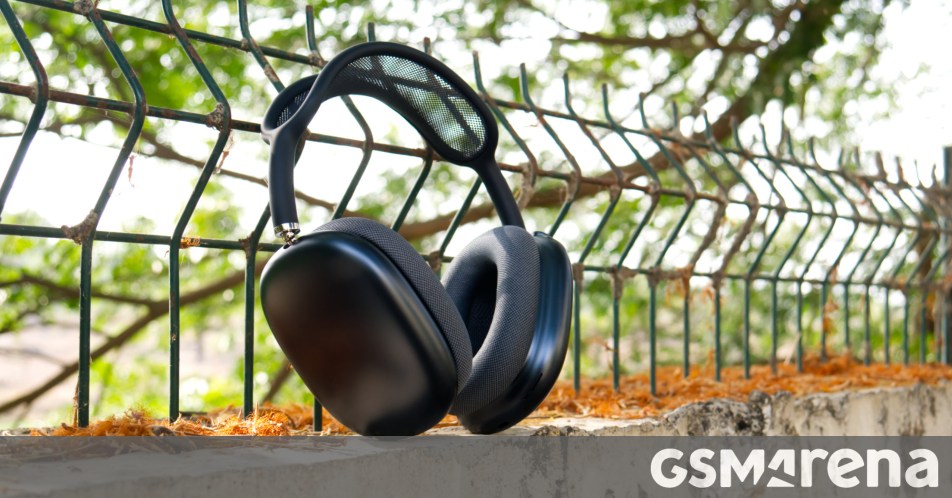
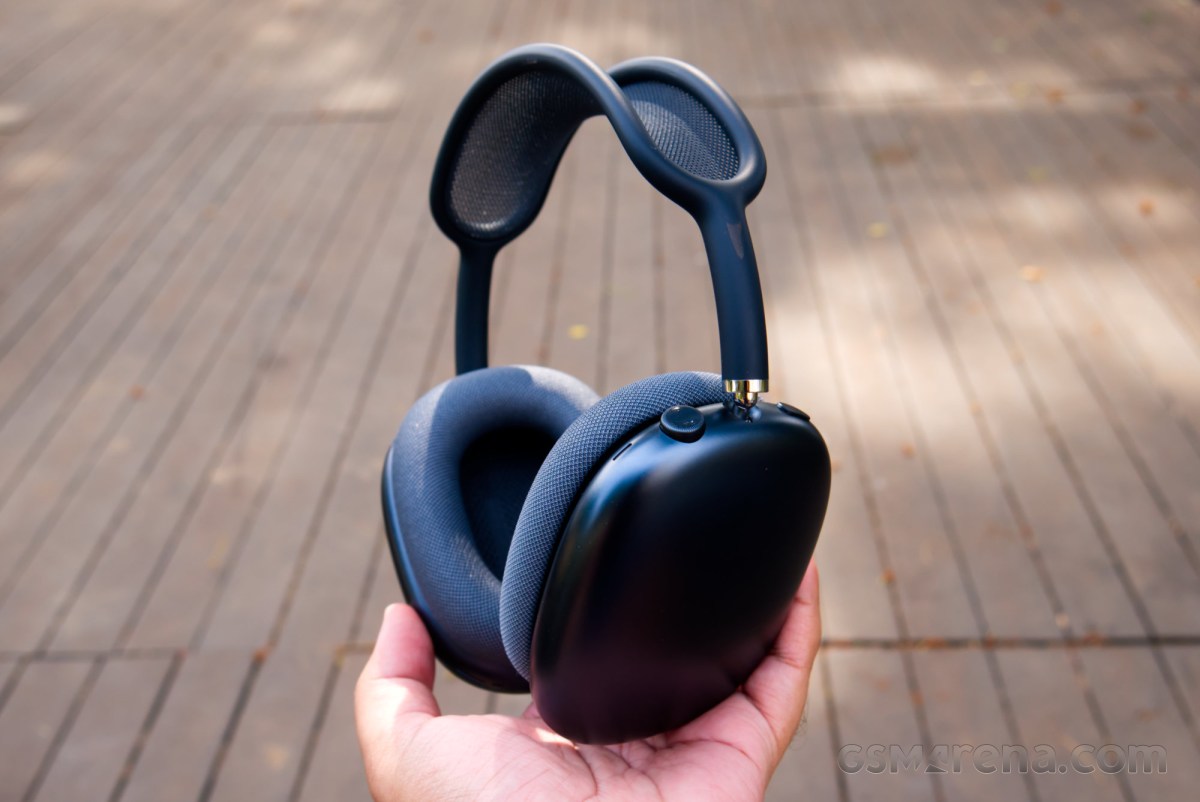
One of the most striking aspects of the AirPods Max 2 is its unwavering adherence to the original design, first introduced over five years ago. From the signature mesh canopy headband and stainless steel frame to the anodized aluminum earcups, the aesthetic remains unchanged. Even the available color options are identical to those introduced with the AirPods Max 1.5, meaning the AirPods Max 2 does not offer a fresh visual identity. This commitment to an established design can be viewed through a dual lens. On one hand, it speaks to Apple’s confidence in the ergonomic and aesthetic appeal of the original, a design that has proven comfortable for many users and has become instantly recognizable. On the other hand, for consumers accustomed to more frequent design refreshes in the tech industry, the lack of visual innovation might feel like a missed opportunity. This decision places the emphasis squarely on internal technological advancements rather than superficial changes.
The much-discussed Smart Case also remains unaltered. Since its debut, the Smart Case has been a point of contention among users and reviewers. Its design, which covers only the earcups and leaves the headband exposed, offers minimal protection compared to traditional hard-shell cases typically bundled with premium headphones. Furthermore, its primary function – to put the AirPods Max into an ultra-low power state – has often been misunderstood, leading to confusion about battery drain. The continued absence of a full-size, robust protective case with the AirPods Max 2 underscores Apple’s conviction in its original design choice, despite persistent user feedback for a more comprehensive protection solution. This forces consumers who desire full protection to seek third-party accessories, adding to the overall cost of ownership.
The Engine Within: The Power of the H2 Chip
The core of the AirPods Max 2’s performance enhancements lies in the integration of the new Apple H2 chip. This advanced silicon, which first debuted in the AirPods Pro 2, represents a significant leap in computational audio capabilities for Apple’s headphones. The H2 chip is not merely a processor; it acts as the brain behind many of the AirPods Max 2’s most critical functions, enabling more sophisticated algorithms and real-time audio processing.
Apple specifically highlights two key improvements directly attributable to the H2 chip and accompanying hardware:
-
Enhanced Active Noise Cancellation (ANC): Apple claims the AirPods Max 2 delivers 1.5 times more effective active noise cancellation than its predecessors. This substantial improvement is a direct result of the H2 chip’s ability to process ambient sound data more rapidly and accurately. The chip, in conjunction with new acoustic algorithms, can analyze incoming sound waves and generate anti-noise waves with greater precision and speed. This translates to a noticeable reduction in a wider range of environmental noises, from the low rumble of airplane engines to the chatter of a busy office, offering users a more profound sense of quiet and immersion. In a competitive market where ANC performance is a critical differentiator, this enhancement positions the AirPods Max 2 strongly against rivals like Sony’s WH-1000XM series and Bose’s QuietComfort Ultra Headphones.
-
Improved Audio Quality: The AirPods Max 2 also benefits from a new high dynamic range amplifier. This, combined with the H2 chip’s computational audio prowess, is expected to elevate the listening experience. A high dynamic range amplifier can deliver a broader range of sound intensities, from the softest whispers to the loudest crescendos, with greater clarity and less distortion. This means richer bass, more detailed mids, and crisper highs, providing a more faithful reproduction of audio content across various genres. The H2 chip’s role in optimizing the acoustic performance, through features like Adaptive EQ, ensures that the sound profile is continuously tuned to the individual ear fit and seal, promising a consistently high-fidelity experience.
Beyond these headline features, the H2 chip unlocks a suite of other performance enhancements:
- Reduced Audio Latency: The H2 chip facilitates faster processing and transmission of audio signals, resulting in lower latency. This is particularly beneficial for tasks such as gaming, watching videos, or making calls, where synchronization between audio and video is crucial for an immersive experience.
- Superior Microphone Performance: The chip’s advanced signal processing capabilities extend to the microphone array. This leads to improved clarity for voice calls and better isolation of the user’s voice from background noise, even in challenging environments.
- Live Translation Support: A more futuristic application of the H2 chip’s power is the enablement of Live Translation features. While the full scope of this functionality within the AirPods Max 2 remains to be seen, it hints at a future where real-time language translation can be seamlessly integrated into personal audio devices, further blurring the lines between communication and technology.
- Adaptive Transparency: Similar to the AirPods Pro 2, the H2 chip is expected to power an enhanced Adaptive Transparency mode, which intelligently reduces loud environmental noises (like sirens or construction) while still allowing users to hear their surroundings.
Battery Life: A Familiar Figure
Despite the advancements brought by the H2 chip, renowned for its power efficiency in other Apple devices, the battery life of the AirPods Max 2 remains unchanged at 20 hours with Active Noise Cancellation and Spatial Audio enabled. This figure, while respectable for a premium ANC headphone, places it in line with its predecessor and some competitors, but doesn’t push the boundaries of what’s possible in the segment. Many users might have anticipated an improvement here, especially given the "new generation" moniker and the chip’s capabilities. This decision likely reflects a balance between maintaining the existing form factor, accommodating the increased processing demands of enhanced ANC and audio quality, and preserving battery health over the product’s lifespan. For users requiring extended listening sessions, this 20-hour benchmark will remain a consideration, especially when compared to some competitors that offer 30 hours or more.
Market Context and Competitive Landscape
The AirPods Max 2 enters a highly competitive and lucrative premium over-ear headphone market. This segment is dominated by established players renowned for their audio engineering and noise-cancelling prowess, including:
- Sony (WH-1000XM series): Often considered the benchmark for ANC and sound quality, with strong app integration and features.
- Bose (QuietComfort series): A pioneer in noise cancellation, known for exceptional comfort and effective ANC.
- Sennheiser, Bowers & Wilkins, Focal: Brands catering to audiophiles seeking uncompromised sound fidelity, often with less emphasis on smart features.
Apple’s strategy with the AirPods Max 2 is not merely to compete on specs but to leverage its powerful ecosystem integration. For users deeply embedded in the Apple ecosystem – owning iPhones, iPads, Macs, and Apple Watches – the seamless pairing, automatic device switching, spatial audio capabilities, and "Find My" integration offer a compelling value proposition that rivals struggle to match. The AirPods Max 2, therefore, appeals not just to audio enthusiasts but also to those seeking the ultimate convenience and synergy within their Apple device environment. The $549 price point firmly places it in the luxury segment, targeting consumers willing to pay a premium for brand, design, and integrated technology.
Broader Implications and Industry Analysis
The release of the AirPods Max 2 exemplifies Apple’s measured approach to product evolution, particularly in categories where design is considered iconic and successful. Rather than a radical redesign, Apple has opted for an "under the hood" upgrade, focusing on core performance metrics that matter most to users of premium headphones: noise cancellation and audio quality. This strategy suggests that Apple believes the original AirPods Max design, despite its age, remains highly relevant and desirable.
Industry analysts are likely to offer a mixed reception. On one hand, the H2 chip’s integration and the subsequent improvements in ANC and audio fidelity will be lauded as significant advancements, keeping the AirPods Max 2 competitive. The addition of USB-C, while implemented in an earlier revision, addresses a long-standing user demand, solidifying the product’s modern connectivity. On the other hand, the unchanged design, the persistent Smart Case controversy, and the static battery life will undoubtedly draw criticism. For a product marketed as a "new generation," some may argue that more substantial innovation, particularly in areas like weight reduction, improved portability, or even higher-resolution audio support, was warranted.
The AirPods Max 2 reinforces Apple’s commitment to computational audio, demonstrating how sophisticated silicon can fundamentally transform the listening experience. It also highlights the ongoing challenge for premium audio manufacturers to balance cutting-edge technology with consumer expectations for design freshness and practical features like robust protection and extended battery life.
As we delve deeper into the performance, comfort, and real-world battery life in our forthcoming full review, the AirPods Max 2 stands as a testament to Apple’s philosophy of iterative refinement. It is a product that promises an enhanced audio journey, meticulously engineered to blend seamlessly into the lives of its users, all within a familiar, albeit aging, exterior. The question that remains is whether these internal advancements will be enough to captivate the discerning premium audio consumer and justify its enduring high price point in an increasingly competitive market.