Solar Power Emerges as Global Energy Leader as Electricity Demand Surges in 2025 According to International Energy Agency Report

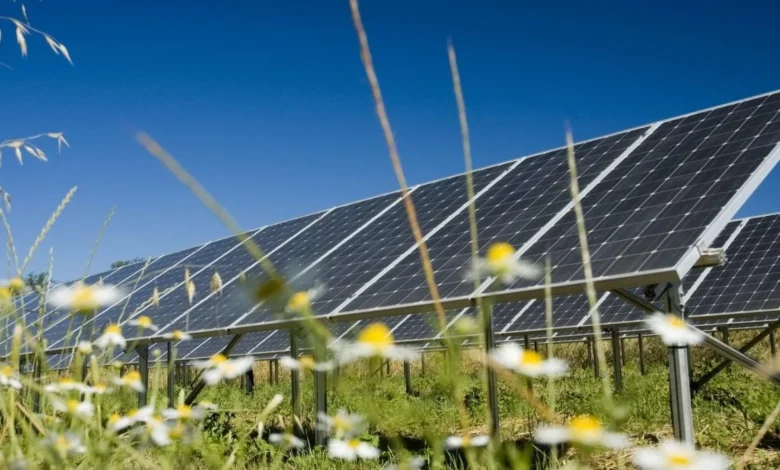
The global energy landscape reached a historic turning point in 2025, marked by a decisive shift toward electrification and the unprecedented dominance of solar energy in meeting new supply needs. According to the International Energy Agency’s (IEA) comprehensive 2026 Global Energy Review, while the growth of total primary energy demand moderated last year, the consumption of electricity continued to expand at an accelerated pace, driven by the rapid adoption of electric vehicles (EVs), the expansion of data centers, and the ongoing electrification of industrial processes. For the first time in the history of the modern energy era, solar photovoltaic (PV) technology was the single largest contributor to global energy supply growth, signaling a fundamental restructuring of how the world powers its economies.
The IEA report highlights a decoupling of economic growth from total energy demand. In 2025, overall global energy demand rose by 1.3%, a figure slightly below the average growth rate of the previous decade and a significant deceleration from the post-pandemic surges seen in 2023 and 2024. This cooling was attributed to a combination of factors, including more efficient industrial technologies, a transition toward service-based economies in several regions, and milder weather patterns in parts of the Northern Hemisphere. However, this headline figure masks a more aggressive trend: electricity demand jumped by approximately 3%, growing more than twice as fast as the total energy market. This "electrification of everything" is now the primary engine of the global energy transition.
The Historic Ascendancy of Solar Photovoltaics
The most significant takeaway from the 2026 review is the emergence of solar energy as the vanguard of global supply. In 2025, solar power accounted for more than 25% of the total increase in global primary energy supply. This represents the first time a renewable energy source has led global growth, surpassing natural gas, which contributed 17% to the increase. The expansion of solar was supported by a record-breaking addition of 600 terawatt-hours (TWh) of generation, the largest annual increase ever recorded for any single power generation technology.

This milestone is the result of years of plummeting hardware costs and supportive policy frameworks, such as the Inflation Reduction Act in the United States and the Green Deal Industrial Plan in the European Union. The IEA notes that the scale of solar deployment has reached a level where it is no longer merely a supplementary power source but is now actively displacing incumbent fossil fuel generation. In many markets, the marginal cost of new solar is now lower than the operating cost of existing coal and gas plants, facilitating a rapid turnover in the global power mix.
Chronology of the Global Energy Transition: 2019–2025
To understand the significance of the 2025 data, it is necessary to examine the trajectory of the energy sector over the last half-decade. The period since 2019 has been characterized by extreme volatility and rapid technological pivots:
- 2019–2021: The pre-pandemic plateau followed by the COVID-19 shock led to a temporary dip in demand. However, the subsequent recovery in 2021 saw a massive rebound in coal use as energy systems struggled to keep pace with returning industrial activity.
- 2022–2023: The global energy crisis, precipitated by geopolitical tensions and the invasion of Ukraine, forced a re-evaluation of energy security. This period saw a dramatic acceleration in renewable energy targets, particularly in Europe, as nations sought to reduce reliance on imported natural gas.
- 2024: Electricity demand surged globally, driven by record heatwaves in India and Southeast Asia, which strained grids and necessitated a temporary increase in fossil fuel generation to prevent blackouts.
- 2025: The current reporting year represents a "stabilization at scale." While total demand growth slowed, the infrastructure for renewables reached a critical mass. Battery storage installations hit record highs, and the displacement of fossil fuels by clean technology became quantifiable on a global scale.
The Role of EVs and Data Centers in Electricity Demand
The 3% surge in electricity demand was fueled by two primary sectors: transportation and digital infrastructure. In the automotive sector, 2025 was a banner year for electric mobility. Global EV sales surpassed 20 million units, representing roughly one in four new car sales worldwide. This shift is having a tangible impact on the oil market; the IEA reports that oil demand growth was restricted to just 0.7% in 2025, as the rising fleet of electric passenger vehicles began to erode the demand for gasoline and diesel.
Simultaneously, the rapid expansion of artificial intelligence (AI) and cloud computing has transformed data centers into major energy consumers. In regions like the United States and parts of Northern Europe, data centers accounted for a significant portion of the growth in regional electricity loads. The IEA notes that the energy density of AI-driven chips is significantly higher than traditional computing, requiring utilities to rethink grid stability and capacity. To meet this demand, many technology firms are increasingly investing directly in renewable energy projects, further accelerating the deployment of solar and wind.
Regional Divergence and Emissions Trends
The 2026 Global Energy Review reveals a complex and often contradictory map of global emissions. In 2025, global energy-related CO2 emissions rose by 0.4%. While this represents a slowdown compared to previous years, the geographic distribution of these emissions has shifted unexpectedly.
For the first time since the 1990s, emissions in advanced economies grew faster (+0.5%) than in emerging and developing economies (+0.3%). This was largely due to a particularly cold winter in the United States and parts of Europe, which drove up the use of natural gas and coal for space heating. In the U.S., higher natural gas prices also led some utilities to switch back to coal-fired generation, illustrating the continued sensitivity of the energy transition to market fluctuations.
Conversely, China—the world’s largest emitter—saw its emissions decline in 2025. This historic shift was driven by the massive scale of China’s renewable energy rollout, which finally began to outpace the growth of its industrial energy needs. Similarly, India’s emissions remained flat for the first time in decades (excluding the pandemic year), aided by a strong monsoon season that boosted hydroelectric output and reduced the need for coal-fired power during the peak cooling season.
The Surge in Battery Storage and Nuclear Power
The IEA highlights that the transition is being supported by more than just solar panels. Battery storage has emerged as the fastest-growing power technology, with 110 gigawatts (GW) of new capacity added in 2025. This is more capacity than was added by natural gas plants in any year on record. Battery storage is proving essential for balancing the intermittent nature of solar and wind, allowing grids to remain stable even as they transition away from baseload fossil fuels.

Furthermore, nuclear energy is experiencing a notable resurgence. In 2025, more than 12 GW of new nuclear reactors began construction. Governments are increasingly viewing nuclear as a necessary partner to renewables to provide carbon-free baseload power, particularly as they look to meet net-zero targets by 2050. The comeback of nuclear energy is visible across several continents, with new projects breaking ground in Asia, Eastern Europe, and North America.
Official Responses and Expert Analysis
Fatih Birol, the Executive Director of the IEA, emphasized the structural nature of these changes in his statement accompanying the report. "The data shows that the ‘Electric Age’ is not a distant prospect; it is happening now," Birol stated. "Electricity consumption is growing much faster than overall energy demand, and solar is growing faster than any other source. We are seeing a new reality where clean energy technologies are not just environmental choices but the most competitive economic options."
Industry analysts suggest that the displacement of fossil fuels is reaching a "point of no return." The IEA estimates that the clean energy technologies deployed since 2019 are now avoiding annual fossil fuel consumption equivalent to the total energy demand of Latin America. Furthermore, the combined impact of solar, wind, and heat pumps is now displacing natural gas demand equivalent to roughly half of the world’s total liquefied natural gas (LNG) exports.
However, some experts warn that the transition remains uneven. While solar and EVs are thriving, the industrial sector—specifically steel and cement production—continues to rely heavily on coal and gas. The "hard-to-abate" sectors remain the biggest challenge for global climate goals, and the IEA report underscores the need for more aggressive investment in green hydrogen and carbon capture technologies to address these gaps.

Broader Implications for the Global Economy
The findings of the 2026 Global Energy Review have profound implications for global trade and geopolitics. As oil demand growth slows to a crawl, oil-exporting nations are facing increasing pressure to diversify their economies. The rise of EVs is shifting the focus of energy security from the transit of crude oil to the supply chains of critical minerals like lithium, cobalt, and copper, which are essential for batteries and solar panels.
Moreover, the report suggests that the global energy transition is becoming a driver of industrial policy. The race to manufacture clean energy components is sparking a new era of "green protectionism," as nations compete to host the factories that will build the infrastructure of the 21st century.
In conclusion, the 2025 data confirms that the global energy system is undergoing its most significant transformation since the Industrial Revolution. Solar energy’s ascent to the top of the supply growth ladder, coupled with the rapid electrification of transport and industry, indicates that the world is moving toward a more efficient, electricity-centric model. While challenges remain—particularly regarding regional emissions spikes and grid integration—the momentum of clean energy appears increasingly resilient to economic and geopolitical headwinds. The IEA’s report serves as both a milestone of progress and a reminder of the scale of the task ahead as the world seeks to align its energy needs with its climate imperatives.