Tesla Q1 Earnings: What Elon Musk and Co. will answer during the call

Tesla (NASDAQ: TSLA) is preparing to host its first-quarter earnings call for the 2026 fiscal year this Wednesday, marking a critical juncture for the electric vehicle manufacturer and artificial intelligence powerhouse. As the company navigates a landscape defined by rapid advancements in autonomous driving and humanoid robotics, investors are seeking clarity on the execution of Tesla’s most ambitious projects. The call, scheduled for the market close on April 22, 2026, comes at a time when the gap between theoretical patent filings and real-world implementation has become a central theme of shareholder inquiry.
The Q1 2026 Earnings Framework and Investor Sentiment
The upcoming earnings call will follow the established format of addressing questions curated through the Say Technologies platform, which allows both retail and institutional shareholders to voice their concerns. This democratic approach to investor relations has historically provided a roadmap of the company’s immediate priorities and the public’s perception of its technological roadmap.
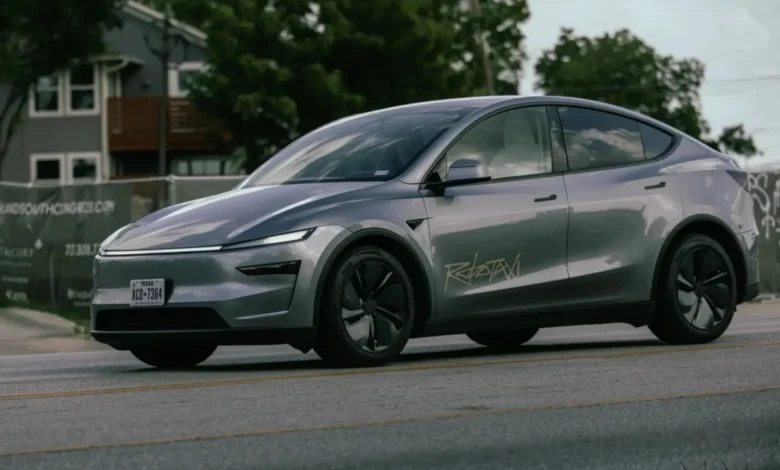
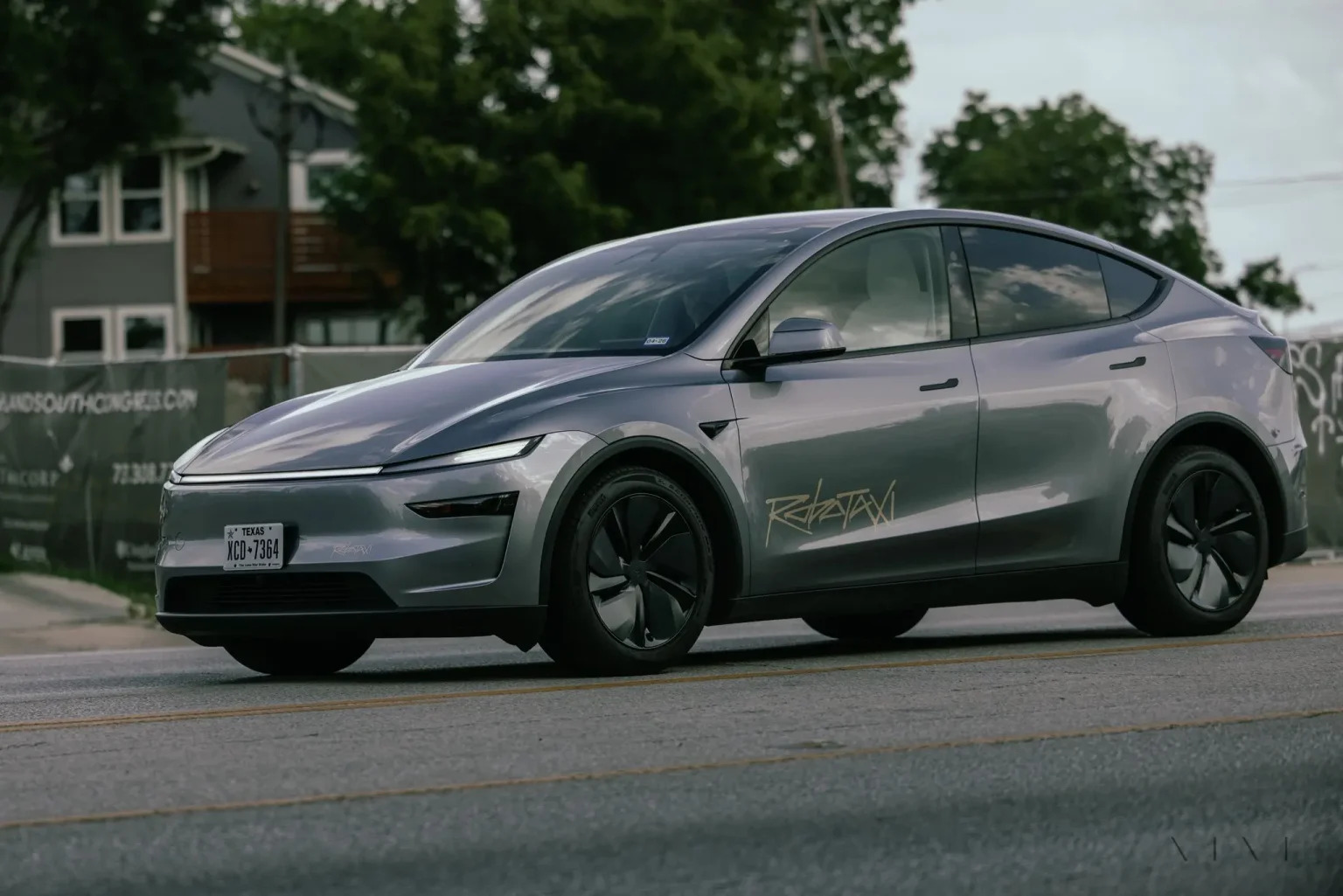
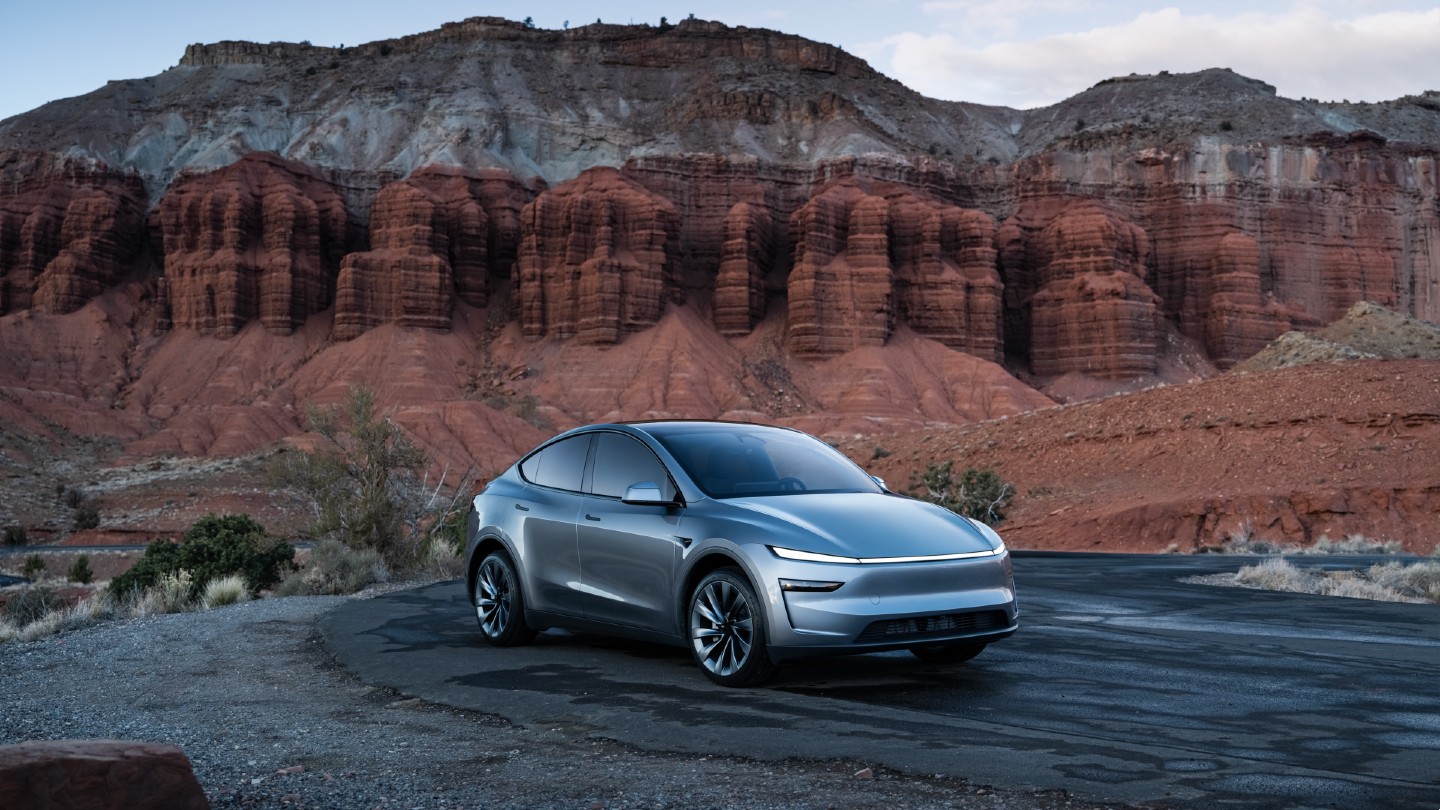
As of April 20, 2026, the retail investor sentiment is heavily skewed toward the timeline for "Unsupervised" Full Self-Driving (FSD) and the production readiness of the Tesla "Cybercab." Retail shareholders, who often represent a significant portion of Tesla’s vocal fan base, have submitted inquiries regarding the transition of FSD from a supervised driver-assist system to a fully autonomous solution. Specifically, questions have surfaced regarding the geographic expansion of FSD beyond North America, with investors looking for updates on regulatory progress in Europe and China.
Institutional firms, meanwhile, are focusing on the financial metrics that underpin Tesla’s high valuation. Key concerns include the gross margins of the automotive sector amidst global competition, the scaling of the Tesla Energy division, and the capital expenditure required to maintain the company’s massive AI training clusters. With Tesla’s shift toward becoming an AI and robotics firm, institutional analysts are eager to understand how the company balances its traditional vehicle manufacturing with the high-intensity research and development costs associated with the Optimus humanoid robot.
Full Self-Driving and the Hardware 3 vs. Hardware 4 Divide
One of the most pressing technical discussions expected during the call revolves around the divergence in hardware capabilities. Tesla owners equipped with Hardware 3 (HW3) have been vocal about their concerns regarding the future of FSD. Last year, the company promised the arrival of "FSD v14 Lite," a modified version of the software specifically optimized for the older computer’s processing constraints.
Industry analysts suggest that the "Lite" version is a necessary compromise to ensure that older vehicles remain part of the autonomous fleet, even as the "unsupervised" versions of the software begin to leverage the superior compute power of Hardware 4 (HW4) and the rumored Hardware 5. Musk has frequently asserted that unsupervised autonomy would be achieved "this year," a refrain that has been met with both optimism and skepticism over the past decade. The Q1 call will likely see Musk pressed for a more transparent timeline, particularly as competitors in the robotaxi space continue to expand their geofenced operations.
The Optimus Evolution: Rapid Iteration and Patent Transparency
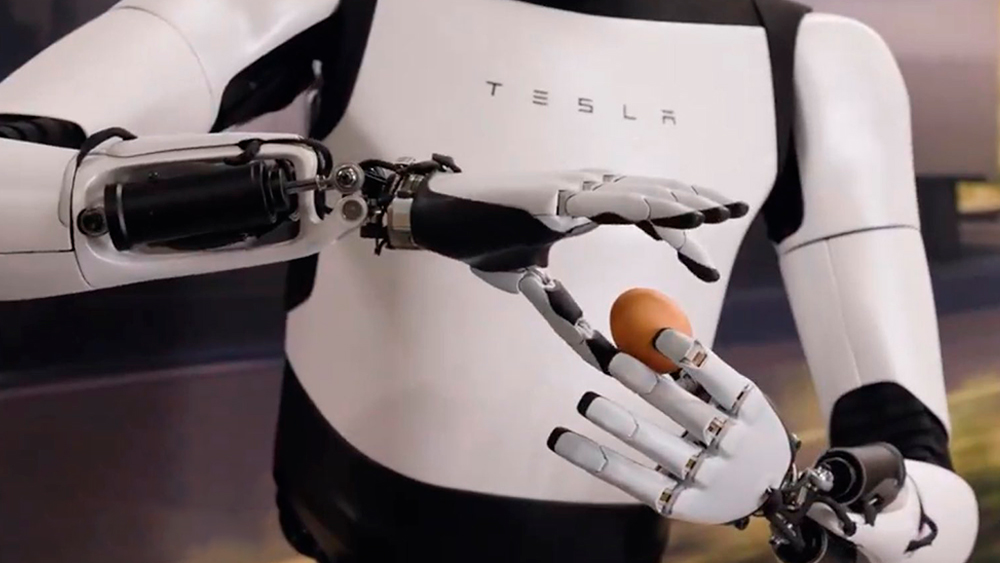
Parallel to the software developments is the hardware evolution of Optimus, Tesla’s humanoid robot. Recent disclosures have highlighted Tesla’s "fail-fast" engineering philosophy. Last week, a patent for a rolling contact mechanism in the robot’s hand was made public, sparking significant interest in the robotics community. However, in a candid late-night interaction on the social media platform X, CEO Elon Musk revealed that the design featured in the patent has already been abandoned.

"We already changed the design," Musk stated. "This one didn’t actually work."
This admission underscores the immense difficulty of replicating human dexterity. The scrapped design was intended to provide smooth, low-friction articulation in the fingers, a requirement for delicate tasks such as folding laundry or assembling electronics. Real-world testing revealed that the rolling contact mechanism could not provide the durability or precision necessary for mass-market deployment.
The human hand, a biological marvel comprising 27 bones and a complex network of tendons, remains the "Achilles’ heel" of humanoid robotics. Tesla engineers are reportedly on their third major iteration of the hand-arm assembly. Musk’s transparency regarding the failure of the patented design is seen by some as a strategic move to build trust, demonstrating that Tesla’s development is driven by empirical results rather than static blueprints.
Optimus at the Boston Marathon: A Strategic Public Appearance
While engineers iterate on the hardware, Tesla’s marketing team is focused on social normalization. Today, April 20, 2026, coinciding with the Boston Marathon, Tesla has stationed an Optimus robot at its showroom located at 888 Boylston Street. Positioned along the final stretch of the world-famous race, the robot is serving as both a brand ambassador and a public relations tool.
This appearance is part of a broader strategy to introduce the public to humanoid robots in low-pressure, celebratory environments. The Boston showroom, situated between Gloucester and Fairfield Streets, provides a high-visibility stage as 32,000 runners and hundreds of thousands of spectators pass by. This "zero-cost" advertising follows similar successful public displays at the Appliance and Electronics World Expo in Shanghai and the Hollywood Diner opening in 2025.
By placing Optimus at the finish line of a marathon, Tesla is subtly associating the robot with endurance, achievement, and the "human spirit." It also serves as a reminder of the company’s production goals. Tesla has previously indicated plans to manufacture Optimus units at its Fremont facility with a target of 1 million units annually, eventually scaling to 10 million units per year at Gigafactory Texas.
Chronology of Optimus Development
To understand the weight of the Q1 2026 earnings call, one must look at the timeline of the Optimus project:
- August 19, 2021: Elon Musk announces the "Tesla Bot" at AI Day, initially presented by a human in a suit.
- September 2022: A prototype, "Bumblebee," walks onto the stage at AI Day 2 without tethered support.
- December 2023: Tesla unveils Optimus Gen 2, featuring improved sensors, faster walking speeds, and better hand articulation.
- July 2025: Optimus makes public appearances at the Tesla Hollywood Diner, showcasing improved balance.
- March 2026: Staff at the Shanghai AWE suggest mass production could commence by the end of 2026.
- April 2026: Musk confirms the redesign of the robot’s hand mechanism following patent disclosures.
Financial Implications and the "80 Percent" Valuation
The stakes for the Q1 call are heightened by Musk’s previous assertions regarding the company’s future value. He has stated that the Optimus program could eventually be more significant than the vehicle business, suggesting that roughly 80 percent of Tesla’s long-term valuation will be derived from robotics.
For this vision to hold, Tesla must demonstrate a clear path to production execution. Institutional investors will be looking for updates on the "Optimus production line" at Gigafactory Texas. If Tesla can successfully transition from prototype displays at marathons to functional deployment in its own factories, it would validate the claim that Optimus is a "living project" advancing on a weekly basis.
Broader Impact and Implications
The Q1 2026 earnings call is more than a financial update; it is a status report on the frontier of AI and robotics. The transition to "Unsupervised FSD" and the refinement of Optimus represent the two pillars of Tesla’s future. As the company moves toward the market close on Wednesday, the focus will remain on whether Tesla can match its "blistering pace of development" with the reliability required for consumer and industrial safety.
The admission that a major patent was "already old news" by the time it was published highlights the speed at which Tesla operates. While this rapid iteration can lead to breakthroughs, it also creates a volatile environment for investors who must distinguish between a temporary setback and a fundamental engineering hurdle. The upcoming call will be the first major opportunity in 2026 for the executive team to prove that their scientific approach to failure is the fastest route to a robotic future.