Monday’s Android app deals and freebies: Methods Detective, AVARIS3, The Fall 2, more

The digital storefronts of Google Play are once again abuzz with a fresh wave of discounts on a curated selection of premium Android games and applications, marking a significant opportunity for mobile users to enhance their digital libraries without incurring full retail costs. This Monday afternoon release of price drops, a regular fixture in the competitive mobile ecosystem, features an eclectic mix of genres, from intricate detective challenges and real-time strategy epics to immersive survival adventures and utility apps designed for device personalization. Concurrently, the broader tech market is witnessing strategic price adjustments on essential hardware, with notable deals emerging for Samsung Galaxy Tabs and Google Pixel devices, creating a synergistic moment for consumers seeking both software and hardware upgrades.

The Google Play Store’s Recurring Promotional Cadence: A Deep Dive into Mobile Content Deals

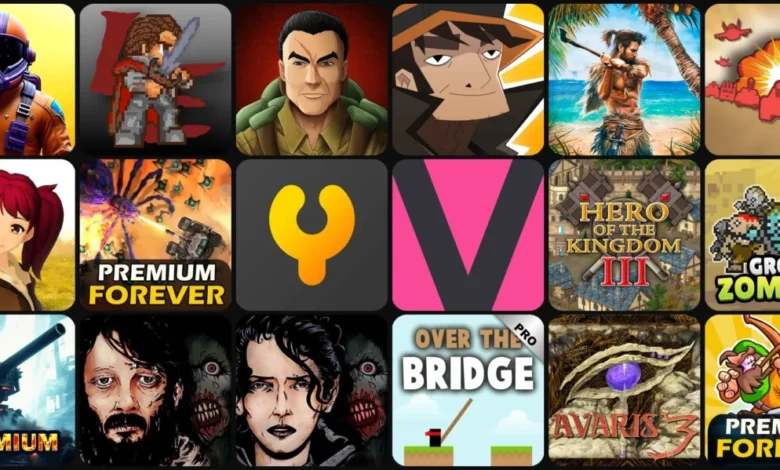
Google Play’s consistent rollout of discounted applications and games has evolved into a cornerstone of its user engagement strategy. These periodic promotions are not merely arbitrary price reductions but rather a meticulously planned effort to stimulate downloads, reward loyal users, and provide a platform for developers to reach wider audiences. The current lineup, highlighted by titles such as Methods: Detective Competition, AVARIS3, Front Armies, Hero of the Kingdom III, Tower Defense Legend 5 Pro, SciFi Survivor Premium, Galaxy Vanguard I, and The Fall 2: Zombie Survival, exemplifies the diversity often found in these sales events. These applications, which typically retail for $1 or more, are temporarily available for free or at significantly reduced prices, presenting a compelling value proposition.

For developers, participation in these promotional cycles offers a dual benefit. Firstly, it provides an immediate surge in downloads and visibility, potentially elevating their application’s ranking within the Google Play charts. This increased exposure can lead to a sustained rise in organic downloads even after the promotional period concludes. Secondly, it serves as a powerful marketing tool, allowing new users to experience premium content that they might otherwise overlook due to initial price barriers. The mobile app market, valued at over $200 billion annually and projected to grow further, thrives on such dynamics, where accessibility often translates into long-term user retention and in-app purchase revenue. The global mobile gaming sector alone accounted for more than half of all video game revenue in 2023, underscoring the immense financial stakes and the importance of strategic pricing.

Spotlight on Premium Gaming Titles: Strategy, Survival, and Narrative Depth

The current suite of discounted games spans several popular genres, each offering unique gameplay experiences.

- Detective and Narrative Games: Methods: Detective Competition stands out as an example of a premium narrative-driven game. These titles typically focus on intricate storytelling, puzzle-solving, and character development, appealing to players who enjoy intellectual challenges and immersive plots. The mobile platform has seen a rise in sophisticated narrative games, moving beyond simple casual fare.
- Real-Time Strategy (RTS) and Tower Defense (TD): Games like Front Armies, Tower Defense Legend 5 Pro, King of Defense Premium, and King of Defense 2: TD Premium represent the strategy genre. RTS games challenge players with resource management, base building, and tactical combat, while tower defense games require strategic placement of defensive units to fend off waves of enemies. These genres demand forethought and adaptability, offering deep gameplay experiences that are often enhanced by premium features and ad-free play. The mobile RTS market, while smaller than PC counterparts, still commands a dedicated player base who appreciate complex mechanics on the go.
- Role-Playing Games (RPGs): Hero of the Kingdom III, Exemplars of Elaed: RPG, Legacy of Elaed: RPG, Heroes Infinity Premium, and Summoners Era: Idle Strategy cater to RPG enthusiasts. These games often involve character progression, vast worlds to explore, questing, and strategic combat. Mobile RPGs have successfully adapted core elements of the genre for touchscreens, with idle RPGs gaining particular traction for their less demanding, yet rewarding, progression systems.
- Survival and Action: Titles such as SciFi Survivor Premium, Galaxy Vanguard I, The Fall 2: Zombie Survival, The Fall 1: Zombie Survival, Undead City: Survivor Premium, and Survival Island: Ark Craft pro immerse players in challenging environments where resource gathering, combat, and strategic decision-making are paramount. Zombie survival games, in particular, remain a perennially popular subgenre, capitalizing on high-stakes action and a sense of impending doom. AVARIS3 and Last Day Survivors Zombie TDS also fall into this high-octane action category, offering fast-paced gameplay.
- Unique and Indie Offerings: Wilderless: Meadowfell often represents the indie segment, providing unique artistic visions and experimental gameplay not always found in mainstream titles. Little Berry Forest 1 offers a more whimsical and casual experience, showcasing the breadth of content available.
The inclusion of these premium titles in a sales event underscores a developer strategy to reach new audiences and potentially drive future in-app purchases or sales of sequels. It also reflects a broader trend where mobile gaming, once dominated by free-to-play models, sees continued relevance for premium, one-time purchase titles that offer a complete experience without constant monetization prompts.

Beyond Gaming: Utility Apps and Personalization Opportunities

The Google Play deals extend beyond games to include utility and personalization applications, enhancing the overall Android experience. Icon packs such as Varwil Pink – Icon Pack, Yellowdiant – Icon Pack, and Squircle Dark – Icon Pack are prominent examples. These applications allow users to customize the visual aesthetics of their smartphone interface, offering unique themes and icon designs that move beyond the default settings. For users keen on personalizing their devices, these discounts provide an affordable way to refresh their phone’s look and feel. The market for customization apps, while niche, contributes significantly to the Android ecosystem’s reputation for flexibility and user control.

Other utility apps like Over The Bridge PRO or Grow Zombie VIP : Merge Zombie (which blends idle mechanics with utility aspects) often find their way into these sales, offering productivity enhancements or unique twists on common mobile experiences. These apps demonstrate the Google Play Store’s commitment to offering a wide array of software solutions, not just entertainment.

The Strategic Timing of Hardware Savings: Samsung Galaxy Tabs and Google Pixel Devices

Parallel to the software deals, the hardware market presents compelling opportunities, particularly for Samsung Galaxy Tabs and Google Pixel devices. These hardware discounts are often time-sensitive and influenced by broader market dynamics and manufacturer strategies.

- Samsung Galaxy Tabs: The mention of "official price hikes" from Samsung underscores the urgency of current deals on various Samsung Galaxy Tabs, available from $210. This indicates that retailers like Amazon are liquidating existing stock at pre-hike prices, providing a crucial window for consumers. Samsung’s decision to raise prices could be attributed to various factors, including increased production costs, inflation, or a strategic move to position its devices as more premium offerings in a competitive tablet market. The Galaxy Tab series, which includes everything from budget-friendly A-series to high-end S-series models, competes directly with Apple’s iPad lineup, and aggressive pricing strategies are vital for maintaining market share. For consumers, purchasing a tablet before a price increase means securing technology at a more favorable cost, especially for devices that often serve as laptop replacements or entertainment hubs.
- Google Pixel Accessories and Phones: Google’s own hardware ecosystem is also featured prominently. The deal on Google’s official Pixel 45W USB-C Power Charger highlights the importance of fast-charging capabilities in modern smartphones. With devices like the Pixel series supporting rapid charging, a powerful and reliable charger is an essential accessory. Official chargers, while often pricier, guarantee compatibility and safety, mitigating risks associated with third-party alternatives. The significant discount on the Pixel 10 Pro XL, "up to $456 off," signals a major push to move units of a flagship device. Such substantial reductions often occur for previous-generation models, open-box items, or through specific carrier promotions and trade-in offers. The Pixel line, known for its exceptional camera capabilities and pure Android experience, is Google’s direct competitor in the premium smartphone segment. These deals allow Google to expand its user base and remain competitive against established giants like Samsung and Apple, especially in the lead-up to new product cycles.
The Broader Ecosystem: Economic Drivers Behind Digital Discounts

These simultaneous software and hardware deals are symptomatic of a dynamic and highly competitive tech market. From an economic perspective, digital discounts serve several critical functions:

- Inventory Management: For hardware, sales help retailers and manufacturers manage inventory, clearing older models or excess stock to make way for new releases. This is particularly relevant for the Galaxy Tab deals following Samsung’s price adjustments.
- Market Share Acquisition: Aggressive pricing, especially on flagship devices like the Pixel 10 Pro XL, is a common tactic to capture market share from competitors.
- User Engagement and Retention: For apps and games, regular sales keep users engaged with the platform, encouraging them to check back frequently for new offers. This fosters a sense of loyalty and value.
- Developer Support: Google, as a platform provider, benefits from a thriving developer community. By promoting apps through discounts, it helps developers gain visibility and revenue, encouraging continued innovation on the Android platform. This symbiotic relationship is crucial for the long-term health of the ecosystem.
- Consumer Accessibility: Ultimately, these deals make premium digital content and advanced hardware more accessible to a broader demographic, driving overall market growth. The mobile app market is projected to continue its robust growth, with global spending on apps and games expected to reach new heights, partly fueled by such promotional activities.
Industry Reactions and Market Implications

While explicit statements from Google or Samsung regarding these specific deals are typically not issued for routine sales, their actions speak volumes. Google’s consistent offering of discounted apps implies a strategic commitment to maintaining a vibrant app store and encouraging consumers to invest in premium content. For developers, these sales are an expected and often crucial part of their monetization and user acquisition strategy. The timing of the Samsung tablet deals, preceding or coinciding with price hikes, suggests a calculated effort by retailers to maximize sales volume before the higher prices take effect, potentially causing a temporary dip in demand.

The broader implication is a continually evolving landscape where pricing is a key lever in market competition. Consumers are increasingly savvy, often waiting for sales or comparing prices across multiple platforms before making purchasing decisions. This behavior forces manufacturers and platform providers to adopt flexible and responsive pricing strategies. The convergence of software and hardware deals further illustrates how interconnected these markets are, with each influencing the other in the quest for consumer attention and expenditure.

Conclusion

The confluence of discounted Android games and apps, alongside significant price reductions on Samsung Galaxy Tabs and Google Pixel hardware, presents a compelling moment for consumers. These opportunities are more than just fleeting bargains; they are integral components of a sophisticated digital economy driven by platform strategies, developer initiatives, and consumer demand. As the mobile technology landscape continues to expand and innovate, such carefully timed and diverse promotional offerings will remain crucial in shaping user behavior, supporting the developer ecosystem, and ensuring the accessibility of cutting-edge technology to a broad global audience. Consumers are advised to act swiftly, as the transient nature of these deals means that such value propositions are often short-lived.