Fitbit Air Emerges as Google’s Strategic Whoop Competitor with $100 Price Tag and May 16 Release Date.


Following initial reports identifying Google’s anticipated Whoop competitor as the "Fitbit Air," a trove of new details has surfaced, providing a clearer picture of the device’s potential pricing, imminent release date, and diverse aesthetic options. This information, gleaned from supplier and retail data, paints a comprehensive portrait of Google’s latest foray into the health and wellness wearable market, signaling a strategic move to capture a segment increasingly focused on advanced, subscription-agnostic fitness tracking.
Detailed Unveiling of Fitbit Air Specifications and Market Positioning
The most striking revelation concerning the Fitbit Air is its projected price point. Supplier data indicates a cost around $100, specifically citing one supplier’s price of $93. This aggressive pricing strategy positions the Fitbit Air as a highly accessible option in the premium fitness tracker space, directly contrasting with its primary competitor, Whoop, which bundles its hardware into an ongoing subscription for its comprehensive health tracking features. Whoop’s model typically requires a monthly or annual commitment, with the device itself often provided at no upfront cost or a minimal fee, effectively shifting the financial burden to a recurring service charge. By offering the Fitbit Air as an outright purchase at a competitive price, Google appears to be targeting consumers who prefer a one-time investment over a long-term subscription, potentially democratizing access to advanced recovery and performance metrics that have historically been gated behind higher price points or continuous payment plans. This approach could significantly disrupt the market, forcing competitors to re-evaluate their own pricing and service delivery models.
Accompanying the pricing details is a highly anticipated release date: May 16. This timeline suggests an accelerated development and rollout schedule for Google, indicating a readiness to bring the product to market swiftly and capitalize on the growing consumer demand for sophisticated, non-screen-based fitness trackers. A mid-May launch places the Fitbit Air perfectly ahead of the summer fitness season, a period when many individuals renew their commitment to health and wellness goals, making it an opportune time for a new device aimed at enhancing athletic performance and recovery.
Beyond the financial and temporal aspects, new information also illuminates the design and customization options for the Fitbit Air. The device is expected to be available in three core colors: "Obsidian," "Lavender," and "Berry." These color choices suggest a blend of classic neutrality and vibrant personality, appealing to a broad demographic. "Obsidian" would cater to users preferring a sleek, understated look, while "Lavender" and "Berry" offer more expressive and fashionable alternatives.
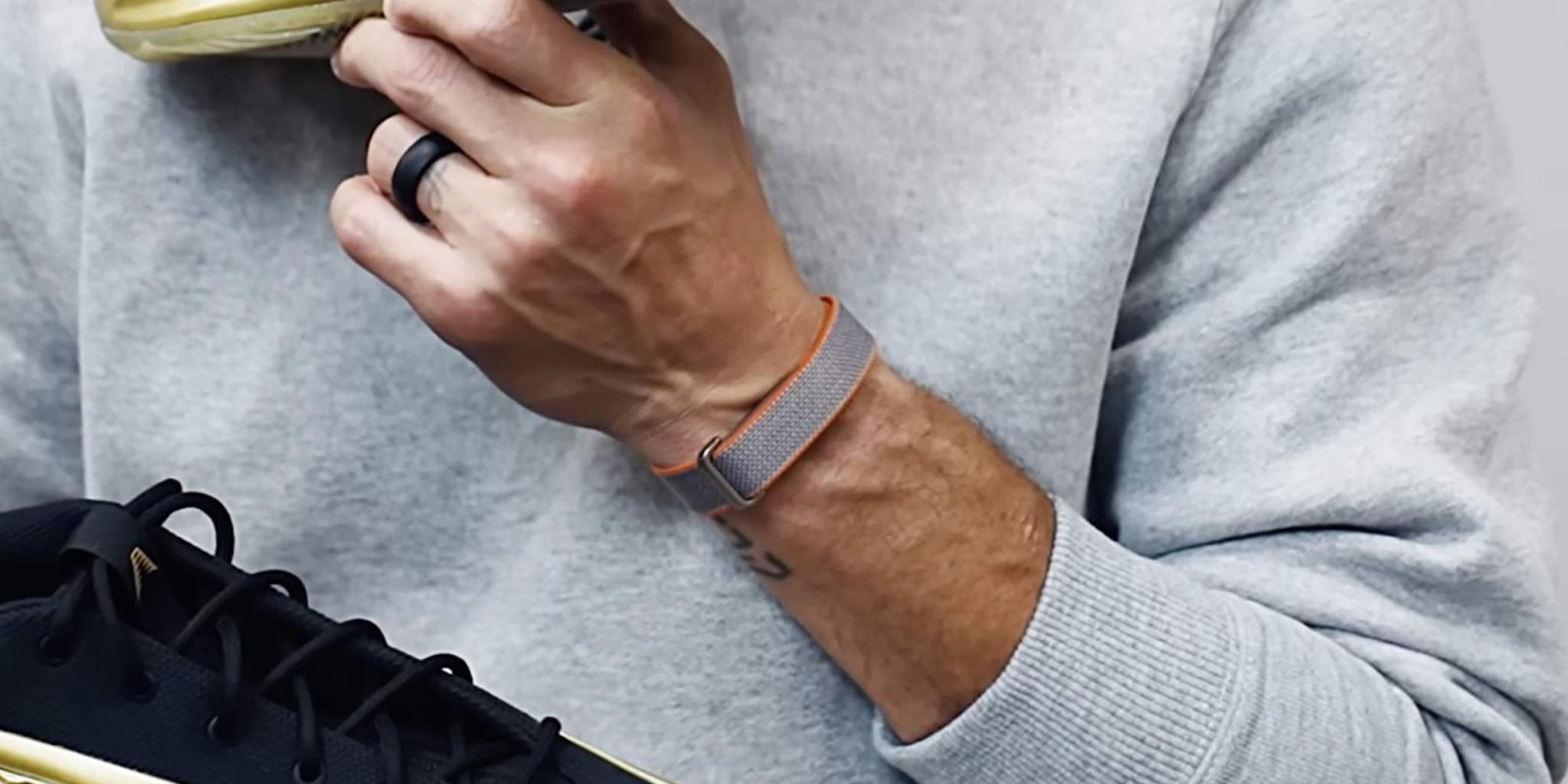
Complementing these core device colors, a range of band options will be offered, enhancing both functionality and personal style. These include the "Performance Loop," "Active Band" (available in small and large sizes), "Elevated SoftFlex," and "Metal Mesh." Many of these band styles appear to be borrowed from the Pixel Watch ecosystem, suggesting a cohesive design language and potentially cross-compatibility or shared manufacturing processes across Google’s wearable devices. The "Elevated SoftFlex" band, in particular, has garnered attention, as it closely matches the design of a band previously observed on the wrist of NBA superstar Steph Curry. This visual association, often indicative of influencer marketing or early product testing, further solidifies the Fitbit Air’s positioning as a serious contender for athletes and fitness enthusiasts seeking data-driven insights into their performance and recovery. The "Elevated SoftFlex" design, characterized by its comfortable and durable material, is likely intended for high-intensity activities, providing a secure and breathable fit essential for accurate data collection during strenuous workouts. The "Metal Mesh" option, on the other hand, hints at a more premium or lifestyle-oriented offering, allowing the device to transition seamlessly from athletic pursuits to everyday wear. The availability of multiple band options underscores Google’s commitment to user customization and catering to diverse preferences, a critical factor in the competitive wearable market.
Background Context: Google, Fitbit, and the Evolving Wearable Health Market

The introduction of the Fitbit Air is not an isolated event but rather a significant development within Google’s broader strategy to establish a dominant presence in the health and wellness technology sector. Google’s ambitions in health tech have been evident for years, marked by initiatives like Google Health and Google Fit, aimed at consolidating health data and offering analytical tools. However, the most pivotal move came with the acquisition of Fitbit in 2021 for approximately $2.1 billion. This acquisition was a clear signal of Google’s intent to gain a strong foothold in the wearable hardware market and leverage Fitbit’s established brand, user base, and expertise in health tracking.
Fitbit, founded in 2007, pioneered the modern fitness tracker, popularizing step counting and sleep monitoring long before smartwatches became ubiquitous. Under Google’s stewardship, Fitbit has undergone a transformation, integrating more deeply with Google’s ecosystem while maintaining its core focus on health data. The development of the Pixel Watch, which heavily features Fitbit’s health tracking capabilities, is another testament to this synergy. The Fitbit Air represents a natural progression, filling a specific niche that the Pixel Watch, with its comprehensive smartwatch features, does not fully address: dedicated, minimalist, and potentially screen-less health tracking focused purely on biometric data.
The wearable health market itself has seen a dramatic evolution. Initially dominated by simple step counters, it has matured into a sophisticated landscape offering advanced biometric tracking, personalized insights, and even medical-grade features. A key trend in recent years has been the rise of subscription-based health tracking, exemplified by Whoop. Whoop disrupted the market by focusing intensely on recovery, sleep, and strain, offering actionable insights through a proprietary algorithm, and crucially, bundling its hardware with a recurring membership. This model proved attractive to serious athletes and individuals committed to optimizing their health, as it provided continuous updates, personalized coaching, and a strong community aspect. However, the recurring cost can be a barrier for many consumers. Other players like Oura Ring also offer advanced sleep and recovery tracking, often with a premium upfront cost and sometimes a subscription for full features. Apple, while offering a comprehensive smartwatch, also provides subscription services like Apple Fitness+ to enhance its health ecosystem. Google’s move with the Fitbit Air suggests an attempt to offer the advanced tracking capabilities of these premium, subscription-focused devices but within a more traditional, one-time purchase framework, potentially attracting a broader audience.
Technological Innovations and Expected Features
To truly compete with established players like Whoop, the Fitbit Air must offer robust and accurate tracking capabilities. Users can reasonably expect a suite of advanced biometric sensors designed to monitor various physiological indicators critical for athletic performance and general wellness. These would likely include:
- Heart Rate Variability (HRV): A key metric for assessing recovery, stress levels, and overall autonomic nervous system balance. High HRV is generally associated with better health and adaptability.
- Sleep Tracking: Detailed analysis of sleep stages (light, deep, REM), sleep disturbances, and overall sleep quality. This is fundamental for recovery and cognitive function.
- Recovery Metrics: Beyond just HRV, the device should synthesize data from sleep, activity, and heart rate to provide a daily recovery score or readiness level, advising users on optimal training loads.
- Respiratory Rate: Changes in breathing patterns can indicate illness, stress, or improvements in cardiovascular fitness.
- Blood Oxygen (SpO2): Monitoring oxygen saturation levels, particularly during sleep, can flag potential health issues like sleep apnea.
- Skin Temperature: Variations in skin temperature can provide early indicators of illness, changes in menstrual cycles, or stress.
The accuracy of these sensors and the algorithms used to interpret the data will be paramount for the Fitbit Air’s success. Google’s significant investment in AI and machine learning, coupled with Fitbit’s extensive experience in wearable sensor technology, suggests that the Fitbit Air will aim for high levels of data integrity and actionable insights.
Software integration will also be a critical differentiator. The Fitbit Air is expected to integrate seamlessly with the existing Fitbit app, which serves as a central hub for health data, trend analysis, and goal setting. Furthermore, deeper integration with Google Health and other Google services could provide a more holistic view of user well-being, potentially leveraging Google’s AI capabilities for personalized recommendations and predictive health insights. This could include smarter coaching, tailored workout suggestions, and proactive health alerts based on long-term data trends. The device’s likely screen-less design means that the smartphone app will be the primary interface for data visualization and interaction, necessitating a highly intuitive and feature-rich application experience.
Battery life is another crucial aspect for a minimalist tracker. Unlike smartwatches that require daily charging, devices like Whoop are known for multi-day battery life. The Fitbit Air will likely aim for a similar performance, offering several days, if not a week or more, of continuous tracking on a single charge to appeal to users who prioritize convenience and uninterrupted data collection.
Strategic Implications and Market Analysis
The entry of the Fitbit Air into the market carries significant strategic implications for Google, its competitors, and consumers.
Disrupting the Subscription Model: Google’s decision to offer the Fitbit Air at a one-time purchase price of around $100 directly challenges the subscription-first model popularized by Whoop. For consumers, this presents a clear value proposition: access to advanced health metrics without the ongoing financial commitment. This could appeal to a broader demographic, including those who are hesitant to subscribe to another monthly service or those who might be new to advanced fitness tracking and want to test the waters without a long-term contract. While Google might still offer premium subscription features (e.g., Fitbit Premium) for deeper insights or personalized coaching, the core functionality is expected to be accessible with the device purchase, shifting the economic burden away from recurring payments. This could force Whoop and similar services to re-evaluate their pricing structures or enhance the value proposition of their subscriptions to justify the ongoing cost.
Target Audience: The Fitbit Air appears to target a specific, yet broad, segment. On one hand, its minimalist design and focus on recovery metrics, as suggested by its resemblance to Whoop and the Steph Curry sighting, cater to serious athletes and fitness enthusiasts. On the other hand, its accessible price point and the general appeal of the Fitbit brand could attract mainstream consumers interested in general wellness, sleep tracking, and stress management without the complexity or cost of a full-fledged smartwatch. This dual appeal positions the Fitbit Air to capture market share from both dedicated sports trackers and more casual wellness devices.
Google’s Ecosystem Play: The Fitbit Air strengthens Google’s overall hardware and services ecosystem. By offering a diverse range of wearables—from the comprehensive Pixel Watch to a minimalist health tracker—Google aims to cater to every segment of the market. This integration means seamless data flow across devices, a unified user experience, and a deeper lock-in for users within the Google universe. The synergy with Pixel phones, Android, and Google Health further solidifies Google’s position as a holistic provider of consumer technology and health solutions. The availability of Pixel Watch-like bands also points to a coherent design philosophy across Google’s wearable lineup, enhancing brand recognition and user familiarity.
Analyst Perspectives: Market analysts would likely view this move as a shrewd strategic play by Google. It allows them to leverage the Fitbit brand’s credibility in health tracking while directly addressing a high-growth segment (advanced recovery tracking) that has seen significant innovation. The aggressive pricing could lead to rapid market adoption, putting pressure on competitors and potentially expanding the overall market for such devices. Analysts might also highlight the potential for Google to integrate the vast amounts of health data collected by the Fitbit Air into its AI research and development, leading to further innovations in personalized health.
Challenges and Future Outlook
Despite its promising outlook, the Fitbit Air will face several challenges in a highly competitive and saturated market.

Market Saturation: The wearable market is crowded with offerings from tech giants like Apple and Samsung, sports specialists like Garmin, and niche players like Oura and Whoop. Standing out will require more than just competitive pricing; it will demand superior accuracy, compelling software features, and a strong brand narrative.
Data Privacy Concerns: As with any health-tracking device from a major tech company, data privacy will be a paramount concern for users. Google will need to clearly communicate its data handling policies, ensure robust security measures, and build trust with consumers regarding the sensitive nature of their health information. Transparency and user control over data will be crucial.
Long-term Support and Updates: Google’s track record with hardware products has been mixed, with some devices seeing strong long-term support and others being discontinued relatively quickly. Sustained software updates, feature enhancements, and reliable customer support will be essential for the Fitbit Air to build a loyal user base and maintain its competitive edge.
Potential for Future Iterations: The initial success of the Fitbit Air could pave the way for future iterations, potentially incorporating more advanced sensors, improved battery life, or even new form factors. Google’s strategy often involves iterative development, learning from initial product launches to refine and expand its offerings. The Fitbit Air could become a foundational element of a broader "Air" series, focused on minimalist, data-rich health tracking.
In conclusion, the emerging details about the Fitbit Air suggest a calculated and potentially disruptive entry by Google into the advanced health wearable market. With an accessible price point, an imminent launch, and a clear focus on comprehensive biometric tracking, the Fitbit Air is poised to challenge existing models and reshape consumer expectations for health and wellness technology. Its success will hinge on the accuracy of its data, the intelligence of its software, and its ability to seamlessly integrate into users’ daily lives, all while navigating the complexities of market competition and consumer trust.