European Electric Vehicle Sales Surge 51 Percent in March 2026 as Energy Security Concerns Drive Rapid Transition from Oil

The European automotive landscape underwent a seismic shift in March 2026, as registrations for battery-electric vehicles (BEVs) surged by 51% across 14 key markets within the European Union and the European Free Trade Association (EFTA). According to the latest comprehensive data released by New Automotive and E-Mobility Europe, more than 224,000 new electric vehicles (EVs) were registered in the month of March alone. This record-breaking figure represents approximately 22% of all new car sales within these specific markets and an estimated 21.2% across the broader European Union. This surge marks a significant departure from previous years, signaling that the transition to electric mobility has moved beyond early adoption and is now a central pillar of the continent’s industrial and security strategy.
The Intersection of Mobility and Energy Security
The dramatic uptick in EV adoption occurs against a backdrop of heightened geopolitical instability. As conflicts in the Middle East continue to threaten global energy supply chains, Europe’s historical reliance on imported petroleum has once again become a point of acute political and economic vulnerability. For decades, the European transport sector has been almost entirely dependent on liquid fossil fuels, much of which is sourced from volatile regions. The March 2026 data suggests that consumers and fleet managers are no longer viewing EVs solely through the lens of climate change mitigation or long-term cost savings; instead, electric mobility is increasingly being recognized as a critical tool for national and regional energy independence.
In the first quarter of 2026, EU member states registered more than 500,000 new electric vehicles, representing a 33.5% increase compared to the first quarter of 2025. This growth is not merely a statistical anomaly but a sustained trend that reflects a fundamental change in market sentiment. By transitioning half a million vehicles to electric power in just three months, Europe has effectively reduced its annual oil demand by an estimated 2 million barrels. This reduction provides a measurable buffer against price spikes in the global oil market and strengthens the European Union’s sovereign control over its energy future.
Chronology of the 2026 Market Pivot
The path to the March 2026 surge began in late 2025, a year characterized by fluctuating EV sales and the phasing out of various subsidies in major markets like Germany. However, the early months of 2026 saw a coordinated response from both the public and private sectors.

In January 2026, several European nations introduced revised incentive structures designed to target middle- and lower-income households. This included the expansion of "social leasing" programs, most notably in France, which allowed eligible drivers to lease EVs for a low monthly fee. This policy move was intended to counteract the narrative that electric vehicles were exclusively for the affluent.
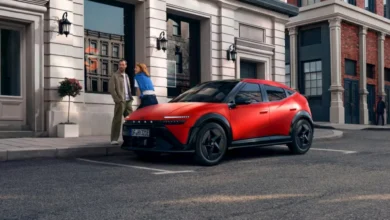
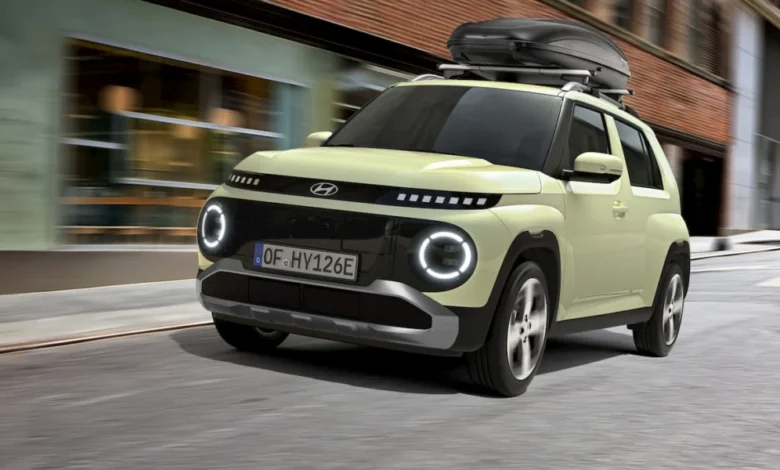
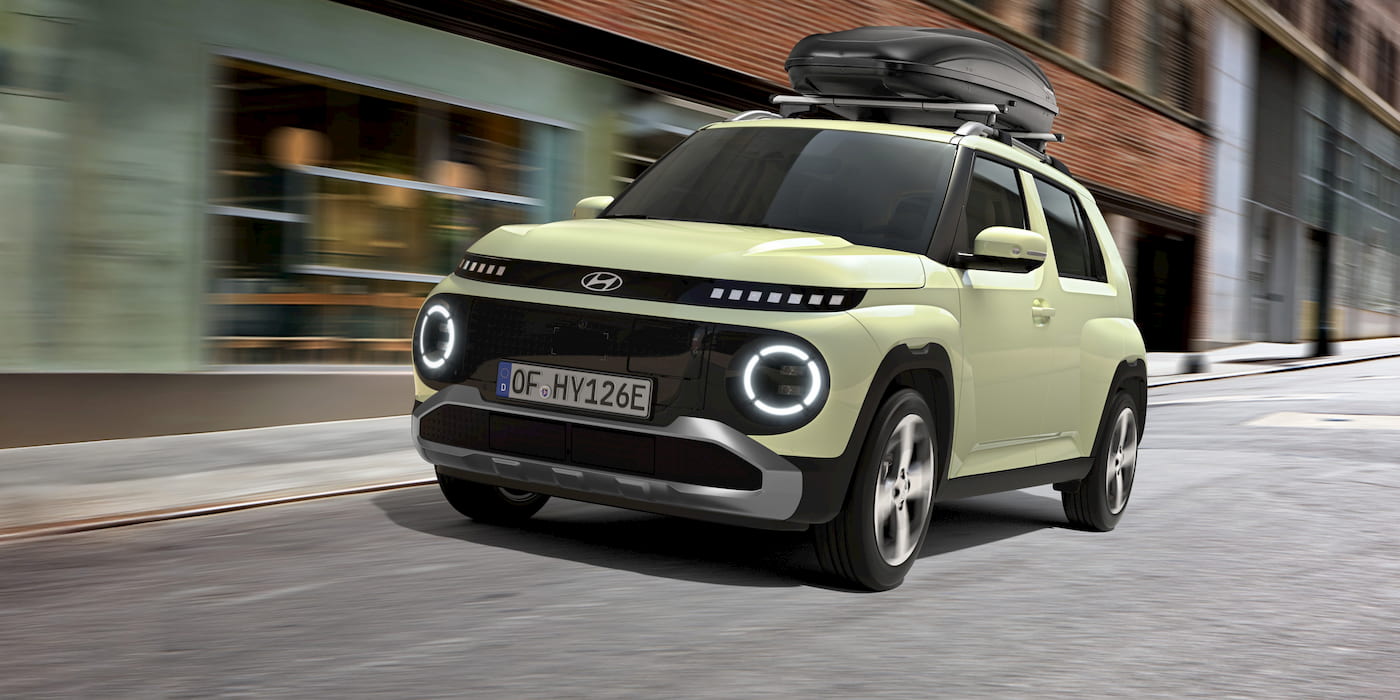
By February 2026, the impact of these policies began to materialize in registration data. While the overall automotive market remained relatively flat, the EV segment showed resilient growth. Manufacturers also contributed to this momentum by launching several highly anticipated, more affordable models, such as the Hyundai Inster EV. These vehicles addressed the "price parity" gap that had previously deterred budget-conscious buyers.
The momentum culminated in March 2026, where the 51% year-on-year growth rate shattered previous records. This month was particularly significant as it coincided with a period of peak oil price volatility, further incentivizing the shift away from internal combustion engines (ICE).
Detailed Regional Performance and Market Drivers
The growth observed in March was notably broad-based, with Europe’s five largest economies—Germany, France, Spain, Italy, and Poland—all recording year-to-date BEV growth exceeding 40%. This uniformity across diverse economic landscapes indicates that the EV transition is gaining traction even in regions that were previously considered laggards.
The Rebound in Germany
Germany, the largest automotive market in Europe, saw a significant rebound in March 2026. After a period of stagnation following the abrupt end of certain federal subsidies in 2024, new incentive programs focused on corporate fleets and manufacturing tax breaks took effect. Consequently, one in every four new cars registered in Germany in March was fully electric. This resulted in a 42% year-to-date increase, reaffirming Germany’s role as a powerhouse in the electric transition.
France and the Success of Social Leasing
France continues to be a leader among large European markets. In March, electric vehicles accounted for 28% of all French car sales. The primary driver behind this growth has been the government’s innovative social leasing scheme, which successfully lowered the barrier to entry for thousands of drivers. The French market has seen nearly 50% growth year-to-date, demonstrating the effectiveness of targeted, accessibility-focused policies.
The Italian and Polish Breakthrough
Perhaps the most surprising success stories of 2026 are Italy and Poland. Historically, these markets have been slower to adopt electric mobility due to infrastructure concerns and lower average purchasing power. However, Italy’s EV market share climbed from roughly 5% at the end of 2025 to 8.6% in March 2026, with year-to-date registrations up by a staggering 65%. Poland followed a similar trajectory, driven by a burgeoning secondary market for EVs and improved charging infrastructure along major transit corridors.
The Nordic Benchmark
While the major economies showed the highest growth rates, the Nordic countries continued to set the global standard for market saturation. Norway remains the undisputed leader, with 98.4% of all new car registrations in March being fully electric. Denmark followed with 76.6%, and Finland reached nearly 50%. These figures suggest that in markets where infrastructure is mature and policy is consistent, the internal combustion engine is rapidly becoming a niche product.
Industry Reactions and Expert Analysis
The March 2026 data has drawn significant attention from industry leaders and policy analysts, many of whom view these figures as a turning point for European industrial policy.
Chris Heron, the Secretary-General of E-Mobility Europe, emphasized the strategic importance of these sales figures. "March’s surge in electric car sales is one of Europe’s biggest recent gains in energy security," Heron stated. "In a month when oil dependence has become a real vulnerability, the growth we are seeing is a clear step change, not statistical noise. We are seeing half a million electric cars registered so far this year, which translates into cutting roughly 2 million barrels of oil demand annually. This is resilience in action."

Ben Nelmes, CEO of New Automotive, echoed these sentiments, highlighting the shift in political priorities. "Every electric vehicle registered means Europe is less reliant on imported oil," Nelmes said. "At a time when energy security has moved to the top of the political agenda, the EV transition is delivering real and measurable resilience. The pace of change we’re now seeing across major European markets suggests the transition has entered a new phase of mass-market adoption."
Market analysts suggest that the surge is also a result of "pre-buying" behavior. As consumers anticipate stricter emissions regulations and potential future taxes on fossil fuels, they are choosing to lock in the lower operating costs of electric vehicles today. Furthermore, the total cost of ownership (TCO) for EVs has reached a tipping point where, even without heavy direct subsidies, they are becoming the more rational financial choice for both individuals and businesses.
Broader Implications for Infrastructure and the Economy
The rapid acceleration of EV sales brings with it a set of logistical and economic challenges that European policymakers must address. The surge in registrations has put increased pressure on the continent’s charging infrastructure. While the European Union’s Alternative Fuels Infrastructure Regulation (AFIR) mandates the installation of fast-charging stations at regular intervals along major highways, the "last mile" charging in urban residential areas remains a bottleneck in some regions.
Economically, the shift is forcing a massive reallocation of capital. European automakers are pivoting their supply chains away from engine components toward battery chemistry and software development. The rise of affordable models like those from Hyundai and various European manufacturers suggests that the industry is successfully scaling production to meet the needs of the mass market.
Furthermore, the reduction in oil demand has significant fiscal implications. European governments, which traditionally rely heavily on fuel excise taxes for revenue, are now beginning to explore alternative road-pricing models to ensure the long-term sustainability of infrastructure funding.

Future Outlook: 2026 and Beyond
As Europe moves through the remainder of 2026, the momentum established in the first quarter is expected to persist. Several factors suggest that the transition will continue to accelerate. First, the pipeline of new, more affordable EV models is expected to expand, providing consumers with more choices in the €20,000 to €30,000 price range. Second, the ongoing expansion of the Euro NCAP safety standards and EU CO2 targets will continue to push manufacturers to prioritize zero-emission vehicles.
The March 2026 data serves as a powerful indicator that the European EV market has reached a state of "escape velocity." The combination of technological maturity, consumer demand, and an urgent need for energy security has created a unique environment where the transition from oil is no longer a distant goal but a present reality. If the current trajectory holds, 2026 will be remembered as the year when Europe decisively broke its long-standing dependence on imported petroleum in favor of a cleaner, more secure, and domestically powered transport system.