The Resurrected: A Deep Dive into Dan O’Bannon’s Underrated Lovecraftian Gem

Dan O’Bannon’s 1991 film, The Resurrected, a lesser-known adaptation of H.P. Lovecraft’s novella "The Case of Charles Dexter Ward," stands as a testament to creative ambition that has been largely overlooked by mainstream audiences and critics alike. Initially released with minimal fanfare and a truncated theatrical run, the film has gradually surfaced from obscurity, gaining a cult following among those who appreciate its unique blend of noir, supernatural horror, and a decidedly eccentric tone. This article aims to provide a comprehensive analysis of The Resurrected, exploring its production history, narrative strengths, stylistic innovations, and its enduring, albeit niche, appeal within the horror and cinematic landscape.
A Neglected Masterpiece: The Unfortunate Release of The Resurrected
The journey of The Resurrected from its conception to its current status is a cautionary tale in the film industry. Independently financed, the film saw a limited release, premiering at a single film festival before a brief theatrical engagement. This was followed by a swift transition to home video, a period when direct-to-video releases often signified a film’s perceived commercial failure or lack of broad appeal. The year 1991 marked its DVD debut, a format that, while expanding reach, rarely propelled obscure films into the public consciousness. Consequently, The Resurrected failed to generate significant buzz or critical attention, leaving it largely forgotten.
While Scream Factory, a notable distributor of cult horror films, brought the movie to Blu-ray in 2017, this re-release, though appreciated by existing fans, did not significantly elevate its profile. The film’s most substantial recognition came in 1992 when it received a "Best Video Feature" Chainsaw award, a niche honor that underscores its underground appeal rather than mainstream critical acclaim. This history of limited distribution and understated recognition highlights the film’s status as a "mistreated and underseen gem," as described by enthusiasts who champion its distinctive qualities.
Narrative Alchemy: Blending Noir, Horror, and Southern Gothic
At its core, The Resurrected is a compelling adaptation of H.P. Lovecraft’s intricate tale, "The Case of Charles Dexter Ward." The film masterfully intertwines the atmospheric elements of slow-burn noir with the chilling dread of supernatural horror. However, it is the film’s audacious embrace of the absurd and its willingness to juxtapose dark themes with moments of overt silliness that truly sets it apart. This tonal elasticity, coupled with an engrossing mystery, visceral gore, and evocative Southern Gothic imagery, coalesces into a singular creative experience.
The narrative centers on private investigator John March, portrayed by John Terry, who is hired by Claire Ward (Jane Sibbett) to investigate the increasingly erratic and disturbing behavior of her husband, Charles Dexter Ward (Chris Sarandon). The story unfolds through March’s investigation, which delves into Ward’s past and his clandestine research. Flashbacks reveal Ward’s obsessive experiments, conducted in a hidden study within his imposing mansion, the gruesome consequences of which begin to manifest. His enigmatic associate, Dr. Ash, a figure shrouded in black, adds to the pervasive sense of unease and suspicion. Claire’s inability to penetrate the veil of mystery surrounding her husband fuels March’s determination, leading him down a path that unearths secrets far more ancient and terrifying than anyone could have anticipated.
A Symphony of Style: Visuals and Performances
The film’s opening sequence immediately establishes its unique stylistic language. A towering house, a stormy night, a foreboding Bible verse, and a missing mental patient set a tone that is simultaneously colorful, unsettling, and ominous. This deliberate stylistic choice serves as a microcosm of the entire film, which seamlessly blends melodramatic line readings with meticulously structured scenes, punctuated by bursts of vibrant gore. The incorporation of Southern Gothic imagery further deepens the film’s atmosphere, creating a rich tapestry of visual and thematic elements.
The performances within The Resurrected contribute significantly to its distinctive character. While John Terry and Jane Sibbett deliver competent, albeit somewhat understated, performances as the central couple, it is Chris Sarandon’s portrayal of Charles Dexter Ward and the supporting cast that injects a potent theatrical energy. Sarandon, in particular, navigates a descent into madness that culminates in a powerful and explosive final act. The film’s approach to its detective narrative deviates sharply from the typical gritty stoicism. Instead, it adopts the vibrant, almost comic-book aesthetic of a brightly illustrated pulp novel, a choice that enhances its engaging and distinctive appeal.

Deconstructing the Genre: A Subversive Approach to Noir and Horror
The Resurrected boldly subverts the conventions of the noir genre by infusing its detective narrative with an undeniably supernatural core. While the initial setup might resemble a classic detective procedural, the film quickly pivots, revealing an investigation into the eerily otherworldly. Director Dan O’Bannon skillfully places the audience in March’s shoes, allowing us to experience the unfolding mystery from his perspective. The puzzles are intimate and intimidating, the clues meticulously revealed, and the overarching mystery grows increasingly elusive and dangerous. This immersive quality is further amplified by the film’s exceptional camerawork, which employs long, swirling, handheld shots during moments of tension, creating a sense of disquiet and immediacy. The editing and cinematography work in concert, maintaining a pacing that is neither too slow nor unduly rushed, thus preserving the film’s narrative momentum.
Beyond its genre subversions, The Resurrected is celebrated for its shocking narrative turns. The film takes audacious detours that are genuinely unpredictable, offering moments that leave viewers in a state of stunned disbelief. This willingness to embrace the unexpected is a key factor in its enduring appeal and its reputation as a film that rewards repeat viewings.
The Charm of Imperfection: Idiosyncrasies and Practical Effects
A significant part of The Resurrected‘s charm lies in its idiosyncrasies. While the film may exhibit rough edges in its audio quality, script consistency, narrative logic, and some performances, these imperfections do not detract from its watchability; rather, they contribute to its unique character. The special effects, particularly some instances of stop-motion animation, may appear janky in retrospect, a common issue with films from this era. Nevertheless, the overall display of vision and craft is undeniable, and the unpolished nature of the film imbues it with a sense of recklessness and authenticity. The talent behind the camera is consistently evident, with the cinematography effectively utilizing a dichotomy of wide, often skewed, shots and loose, swooping handheld sequences to create a dynamic visual experience.
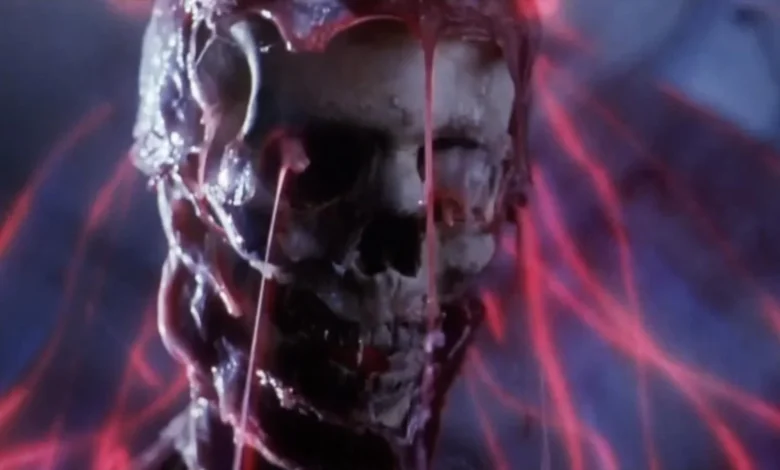
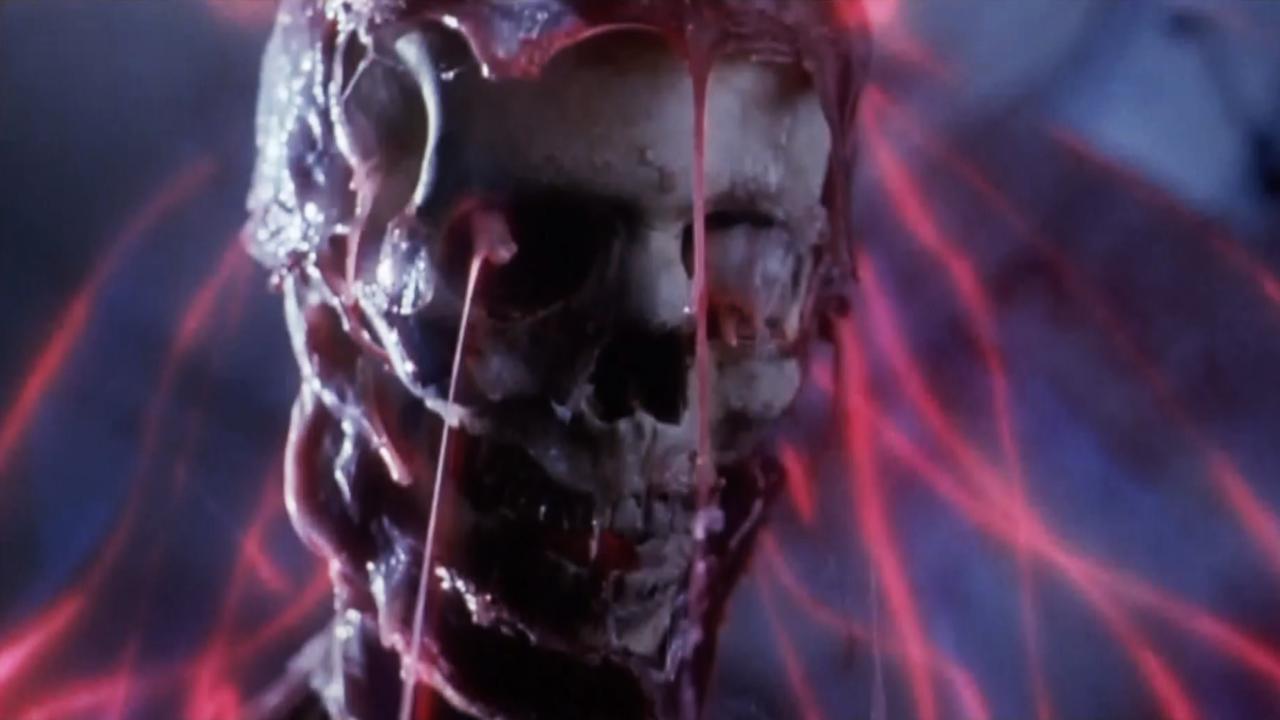
Despite its occasional technical shortcomings, O’Bannon and his team excelled in the execution of practical effects. The film avoids gratuitous gore, but when grotesque moments do occur, the practical effects are rendered with a palpable sense of sliminess, stickiness, and visceral reality. These tangible and lifelike effects contribute to the film’s immersive horror. In an era where genre-bending body horror films like The Substance have gained significant traction, The Resurrected feels remarkably prescient, resonating with contemporary themes of humans attempting to play god. Comparisons can be drawn to classic horror films such as Hellraiser for its inventive effects and Cemetery Man for its darkly comedic and colorful take on the supernatural.

A Resurfacing: Rediscovery and Preservation
The Resurrected is a film ripe for discovery by enthusiasts of detective stories, practical effects aficionados, fans of idiosyncratic horror, and devotees of H.P. Lovecraft’s cosmic tales. The film’s resurgence in recent years has been bolstered by dedicated preservation efforts. Following its initial release and subsequent obscurity, the film gained renewed attention. In April 2025, its potential for a high-definition upgrade was noted, and by September of the same year, this wish was fulfilled. Orbit and Vinegar Syndrome collaborated to release the film’s first 4K treatment, a significant event for its dedicated fanbase. This release has provided a crucial opportunity for new audiences to experience the film in its best possible quality, potentially solidifying its legacy.
While The Resurrected is by no means a technically flawless film, its enduring appeal lies in its audacious creativity, its bold subversion of genre conventions, and its unique blend of the bizarre and the terrifying. It is a testament to the fact that sometimes, the most memorable cinematic experiences emerge from the fringes, unburdened by the constraints of mainstream expectations. Its journey from obscurity to a celebrated cult classic underscores the enduring power of visionary filmmaking and the importance of preserving and rediscovering these often-overlooked treasures. The film’s continued recognition, particularly through high-quality restorations, ensures that Dan O’Bannon’s singular vision will continue to captivate and unsettle audiences for years to come.