IPhone 18 Pro and iPhone 18 Pro Max launch brings premium pricing and significant carrier incentive programs to the mobile market

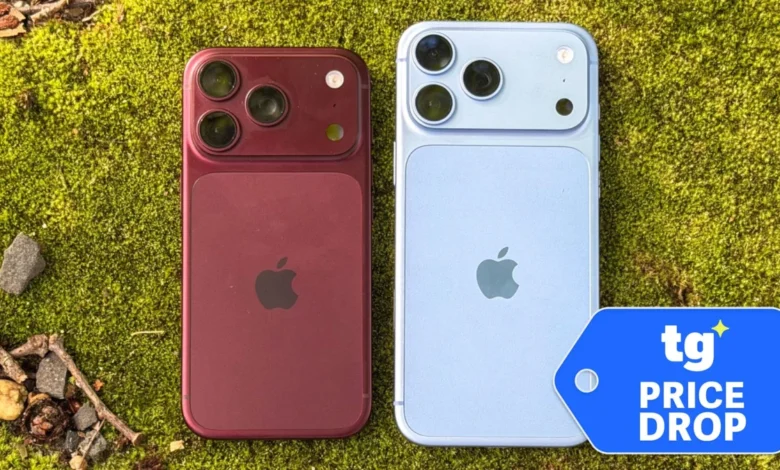
The official launch of Apple’s iPhone 18 Pro and iPhone 18 Pro Max has officially signaled a shift in the high-end smartphone market, as consumers navigate the first retail cycle featuring a $100 price increase across the flagship lineup. With the iPhone 18 Pro starting at $1,199 and the iPhone 18 Pro Max debuting at $1,299, the financial barrier to entry for Apple’s most advanced hardware has risen. In response to this pricing adjustment, major telecommunications providers, most notably T-Mobile, have unveiled aggressive promotional campaigns aimed at subsidizing these costs for consumers willing to commit to specific service plans.
Market Context and Pricing Strategy
The decision to adjust the pricing structure for the iPhone 18 series reflects broader trends within the consumer electronics industry. Supply chain complexities, the integration of advanced materials, and the inclusion of next-generation processing units have driven the bill of materials (BOM) higher for manufacturers. By increasing the base price, Apple maintains its profit margins while offering hardware that features refined internal architecture and display technology.
However, the retail price is only one component of the consumer decision-making process. The reliance on carrier-based subsidies has become a staple of the smartphone market in North America. By locking consumers into long-term "Experience Beyond" or equivalent high-tier service contracts, carriers effectively amortize the cost of the device over 24 to 36 months, allowing users to obtain flagship devices with little to no upfront payment.
Chronology of the iPhone 18 Series Rollout
The road to the current retail availability began months ago with early supply chain leaks, followed by the formal product announcement event at Apple Park.
- Initial Development Phase: Analysts noted early in the year that Apple was prioritizing structural rigidity, leading to the selection of enhanced, proprietary glass-ceramic compounds for the device enclosures.
- Announcement Event: During the keynote presentation, Apple executives emphasized the "Pro" nature of the devices, focusing on camera capabilities, battery efficiency, and the integration of the latest A-series silicon.
- Pre-Order Window: Following the event, the pre-order period saw significant demand for the 6.9-inch Pro Max model, which continues to be the favored choice for power users and mobile photographers.
- General Availability: The current retail phase marks the point where units have reached distribution centers and brick-and-mortar stores globally, triggering the rollout of various incentive programs from national carriers.
Comparative Analysis of Carrier Incentives
The promotional landscape is currently dominated by two primary methods of acquisition: the "Free Device" model and the "Trade-In Credit" model.
T-Mobile, for example, has structured its offers around the "Experience Beyond" plan. This strategy serves a dual purpose: it encourages the adoption of the carrier’s most feature-rich service tiers and guarantees customer retention. For the iPhone 18 Pro, consumers who transfer their existing mobile number to the carrier and enroll in the required plan can effectively negate the device’s purchase price through monthly bill credits. For the larger iPhone 18 Pro Max, the carrier is utilizing a tiered credit system that offers up to $1,200 in value, contingent on the trade-in of a qualifying older device.
This approach is analytically significant. By offering up to $1,200 off, the carrier effectively renders the base model of the Pro Max accessible for a nominal monthly fee, provided the consumer meets the trade-in criteria. These programs are designed to keep users within the carrier’s ecosystem, reducing churn rates during a period where smartphone innovation cycles have slowed and users are choosing to upgrade their devices less frequently than in previous years.
Technical Specifications and Design Evolution
Despite the price hike, the hardware advancements in the iPhone 18 Pro and Pro Max represent a measured, iterative evolution. Both models feature an OLED display architecture—6.3 inches for the Pro and 6.9 inches for the Pro Max—that utilizes advanced panel technology to maximize brightness and energy efficiency.
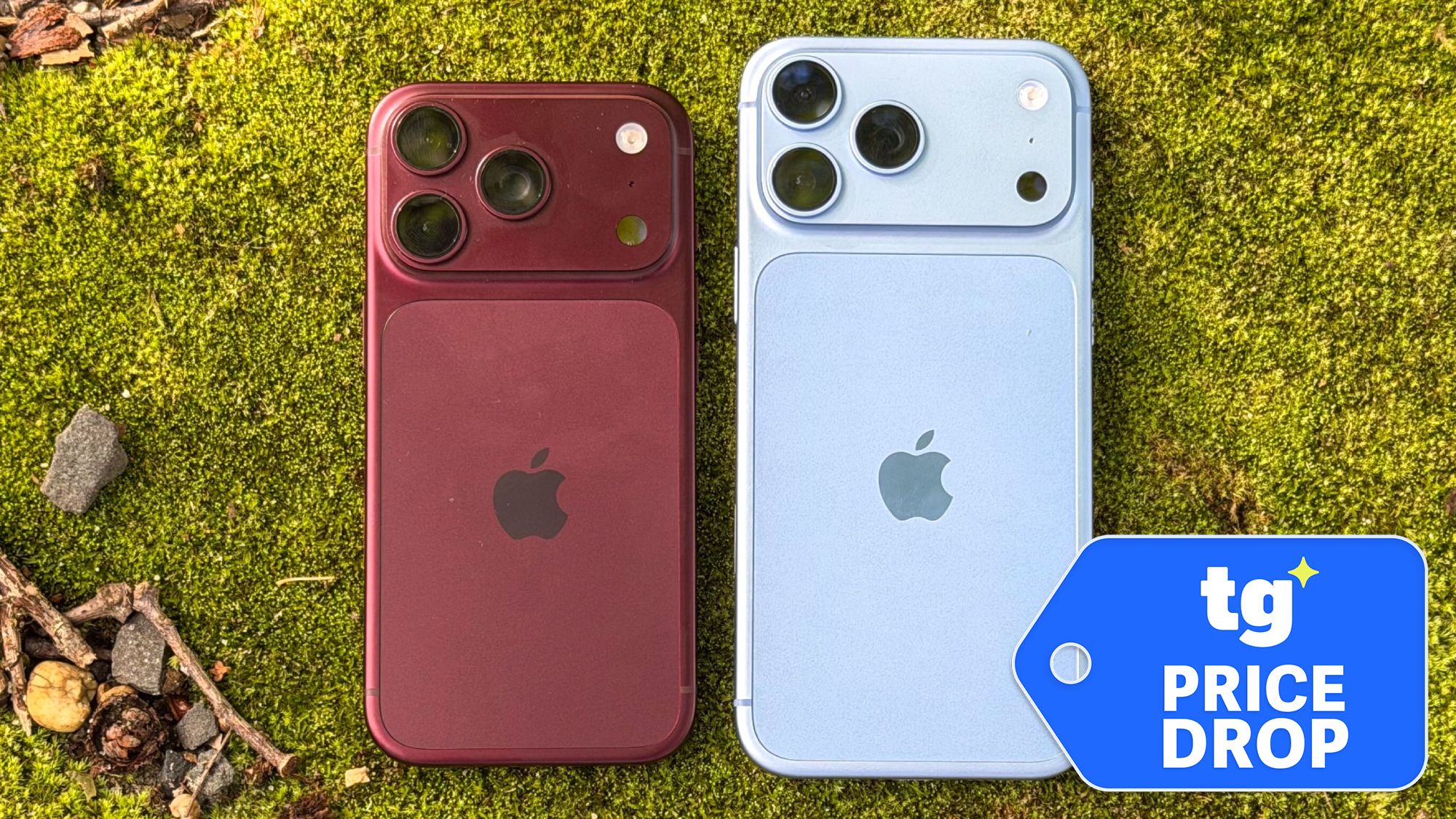
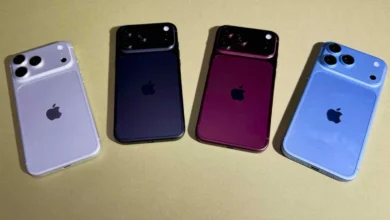
The structural design remains consistent with Apple’s commitment to durability. The enclosures utilize a refined, rigid material intended to resist deformation, while the display glass is specifically engineered to withstand high-impact scenarios. These features are not merely cosmetic; they are central to the "Pro" value proposition, which targets professional users, content creators, and enterprise clients who require hardware that can withstand intensive daily use without failure.
Battery life remains the primary differentiator between the two sizes. The iPhone 18 Pro Max, due to its larger physical footprint, houses a higher-capacity battery, addressing the demands of users who require all-day performance under heavy processing loads. The standard Pro model, while slightly smaller, offers a more compact form factor that appeals to users who prioritize ergonomics while still demanding the full suite of Pro-level software and camera features.
Broader Economic Implications
The launch of these devices occurs against a backdrop of global economic sensitivity. The $100 price increase is a significant indicator that manufacturers are no longer willing to absorb the rising costs of production. This shift may lead to a more bifurcated market, where mid-range phones become increasingly attractive to cost-conscious consumers, while flagship devices are pushed further into the luxury category.
Industry analysts suggest that the heavy reliance on carrier promotions is an essential mechanism for sustaining sales volume. Without these subsidies, the higher price point could lead to a contraction in sales for the Pro series. By facilitating a "subscription-like" payment model, Apple and the carriers ensure that the devices remain within reach of the average consumer, thereby maintaining the high penetration rates that have defined the brand’s success.
Official Stance and Future Outlook
While Apple has not commented directly on the pricing adjustments beyond their initial product disclosures, industry observers note that the company’s strategy remains focused on ecosystem lock-in. By providing a hardware experience that is tightly integrated with services—such as iCloud, Apple Music, and advanced privacy features—the company creates a value proposition that extends far beyond the physical device.
As the retail cycle continues, the focus will likely shift to how these devices perform in the field. Early reviews highlight the consistency and reliability of the hardware, which has long been a hallmark of the Pro line. For those looking to upgrade, the current landscape offers a clear choice: pay the premium for a standalone device or leverage carrier incentives to offset the cost in exchange for a long-term commitment.
Moving forward, the success of the iPhone 18 series will be measured by its ability to retain existing users while navigating the competitive landscape of the premium smartphone market. With a robust lineup of features and a clear path for acquisition through carrier deals, the iPhone 18 Pro and Pro Max are positioned to maintain their dominance in the flagship category for the remainder of the fiscal year.
Consumers are advised to conduct a thorough analysis of their current service plans and trade-in eligibility before committing to any specific promotion, as the terms and conditions vary significantly between carriers and individual account statuses. As the market settles, the focus will remain on whether these premium devices can continue to drive the growth that shareholders and analysts expect from the industry leader.