Apple Watch Safety Features Prove Life-Saving for Injured Cyclist in Remote Accident

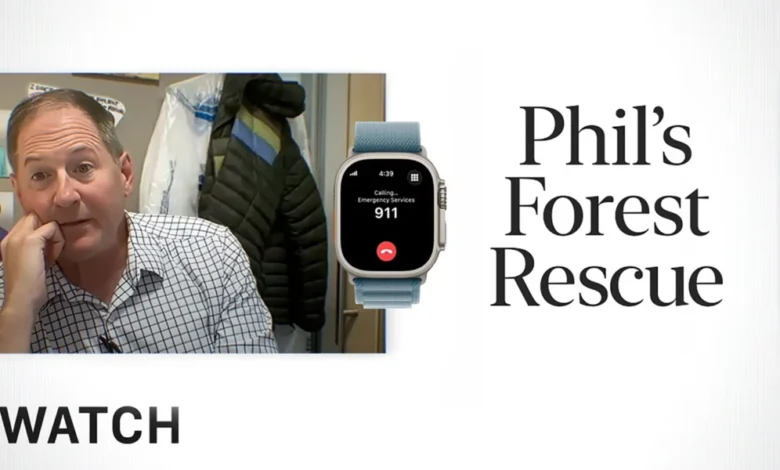
Cupertino, California – Apple has once again underscored the life-saving capabilities of its Apple Watch, releasing a new video detailing how the device’s integrated Fall Detection and Emergency SOS features played a pivotal role in the rescue of an injured mountain cyclist. The incident, which left the cyclist unconscious and severely injured in a remote location, highlights the critical utility of advanced wearable technology in emergency situations, a recurring theme in Apple’s ongoing commitment to user safety and well-being.
The latest narrative shared by Apple centers on Phil, an avid mountain biker whose routine ride with his children took a perilous turn. According to the Apple-commissioned video, Phil recounted misjudging a takeoff during his ride, resulting in a severe crash. The impact was substantial, causing Phil to sustain a broken collarbone and seven fractured ribs, injuries severe enough to render him unconscious at the scene. Critically, it was Phil’s Apple Watch that acted as his silent guardian, automatically initiating an emergency protocol that ultimately led to his swift rescue.
The Incident: A Race Against Time in the Wilderness
The unfortunate incident unfolded during what began as a typical mountain biking excursion. Phil, accompanied by his children, was navigating a trail when the accident occurred. His sudden loss of consciousness meant he was unable to call for help himself, a situation that could have had dire consequences given the remote nature of many mountain biking trails. In such scenarios, every minute counts, especially when dealing with severe trauma and the potential for exposure or delayed medical intervention.
Upon detecting the hard fall and subsequent immobility, Phil’s Apple Watch automatically activated its Fall Detection feature. This sophisticated system, leveraging advanced accelerometers and gyroscopes, is designed to distinguish between everyday tumbles and significant falls. If the user remains unresponsive after a detected fall, the Watch initiates a 60-second countdown. Should the user not dismiss the alert within this timeframe, the device automatically triggers an Emergency SOS call. Crucially, the Watch not only connects to emergency services but also transmits the user’s precise location coordinates, a feature that proved indispensable in Phil’s case.
The automated call from Phil’s Apple Watch reached local emergency services, providing them with his exact geographical coordinates. This immediate and accurate location data was vital, eliminating the need for a search and rescue operation that could have spanned hours, further jeopardizing Phil’s condition. Firefighters, dispatched promptly based on the Watch’s data, were able to locate Phil quickly despite the challenging terrain. Their rapid response ensured that Phil received critical first aid at the scene before being transported to a hospital. He spent a week recovering from his injuries, a testament to the severity of the crash and the importance of timely medical care.

Apple’s Broader Commitment to Safety Features
The story of Phil’s rescue is not an isolated incident but rather one in a growing compendium of real-life accounts that Apple periodically shares to illustrate the tangible benefits of its wearable technology. These narratives serve as powerful endorsements of the company’s significant investment in health and safety features, which have become a cornerstone of the Apple Watch’s identity since its introduction.
Since its inception, the Apple Watch has progressively integrated a suite of advanced health and safety functionalities. Beyond Fall Detection and Emergency SOS, the device now includes features like Crash Detection, introduced with the Apple Watch Series 8 and Apple Watch Ultra, which can detect severe car crashes and automatically call for help. Other critical health monitoring capabilities include high and low heart rate notifications, irregular rhythm notifications (AFib detection), and blood oxygen monitoring, all designed to empower users with proactive health insights and emergency support.
Apple’s commitment to showcasing these features extends beyond individual stories. The company frequently incorporates such testimonials into its product launches and marketing campaigns. For instance, in October 2025, during its "Awe Dropping" event, Apple aired a more extensive segment featuring multiple Apple Watch users who recounted how the device had assisted them through various medical emergencies, accidents, and life-threatening situations. These ranged from detecting undiagnosed heart conditions to facilitating rescues in remote areas.
Earlier in the same year, Apple launched its "Thankfully, I was wearing it" campaign in China, specifically highlighting how Fall Detection, Crash Detection, and heart rate alerts had provided crucial assistance during emergencies for users in the region. This localized campaign underscored the global relevance and impact of these safety features, demonstrating their efficacy across diverse geographical and cultural contexts. These campaigns are meticulously crafted to resonate with the public, reinforcing the message that the Apple Watch is more than just a convenience device; it is a potentially life-saving tool.
The Technological Foundation of Emergency Assistance
The efficacy of features like Fall Detection and Emergency SOS lies in a sophisticated interplay of hardware and software. The Apple Watch integrates a highly sensitive accelerometer and gyroscope, capable of measuring extreme forces and sudden changes in motion. These sensors, combined with custom algorithms developed by Apple, analyze wrist trajectory and impact forces to accurately differentiate between routine activities and actual falls.
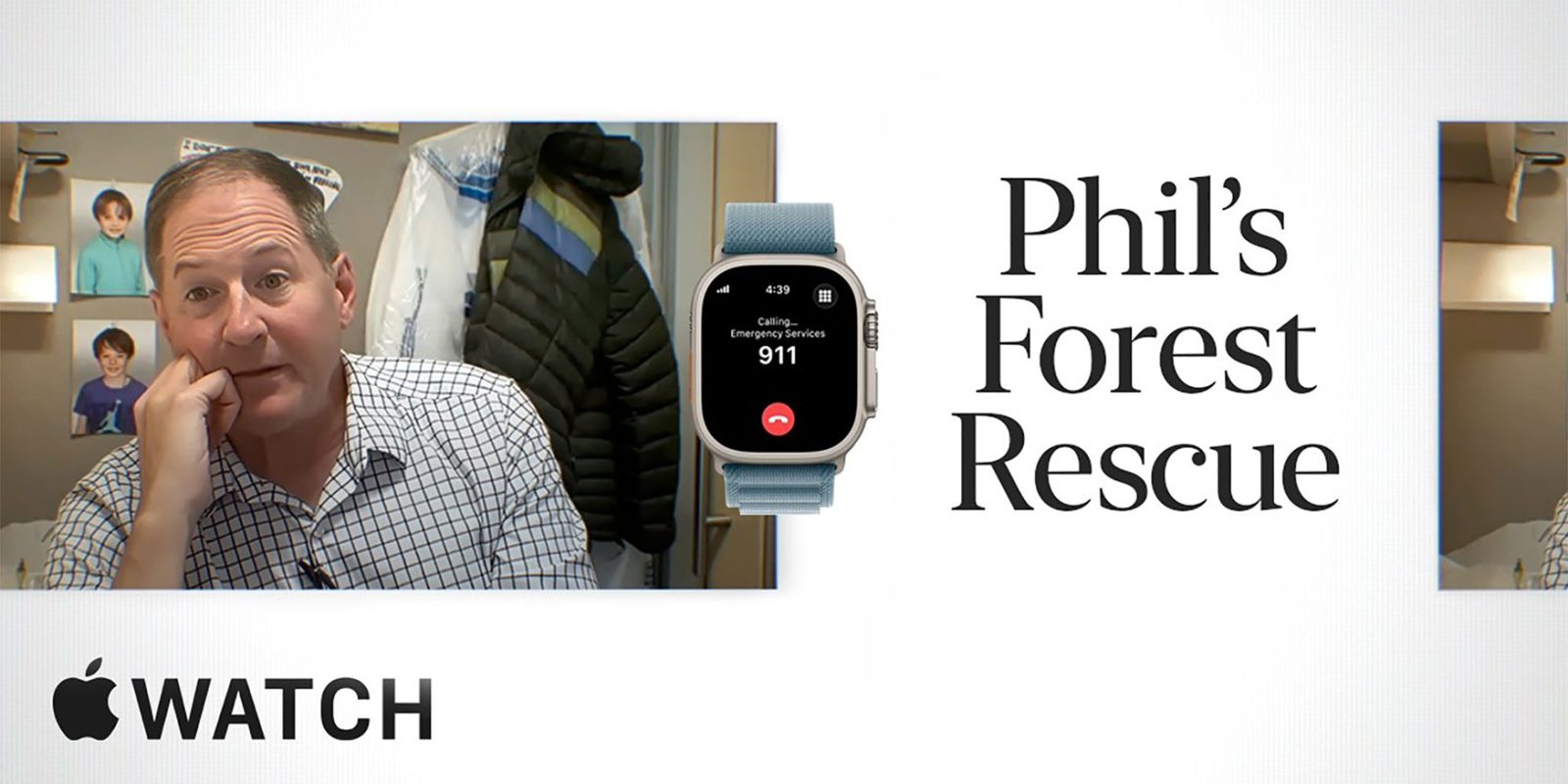
When a potential hard fall is detected, the Watch taps the user on the wrist, sounds an alarm, and displays an alert. If the user is responsive, they can dismiss the alert or initiate an emergency call. However, if the user remains motionless for approximately one minute after the alert, the Watch assumes a state of incapacitation. At this point, it automatically places an emergency call, using the cellular connection on the Watch itself or, if unavailable, the paired iPhone. The call relays a recorded message to emergency services, informing them of a detected fall and providing the user’s current location coordinates. Furthermore, the Watch can notify pre-designated emergency contacts, sharing the user’s location and an update on the situation.
This seamless, automated process removes the burden of calling for help from an injured or unconscious individual, effectively bridging the critical gap between accident and assistance. The precision of GPS location data transmitted by the Apple Watch is paramount, especially in areas where verbal communication might be difficult, impossible due to injury, or simply less efficient than automated digital transmission. Emergency responders consistently emphasize that accurate location information is one of the most significant factors in reducing response times and improving outcomes in rescue operations.
Statements and Reactions: A Unified Appreciation
While Apple has yet to release specific statements from emergency services regarding Phil’s incident, the general sentiment from first responders nationwide consistently highlights the transformative impact of smart devices with emergency features. Firefighters, paramedics, and law enforcement agencies frequently commend the technology for streamlining their operations.
"Receiving precise location data before we even arrive on scene is a game-changer," commented a representative from a metropolitan emergency dispatch center, speaking generally about similar technologies. "It allows us to dispatch resources more effectively, cut down on search times, and ultimately get to patients faster, which can make all the difference in severe trauma cases."
Medical professionals echo this sentiment, emphasizing the importance of the "golden hour" in trauma care – the critical period following an injury during which there is the highest likelihood that prompt medical treatment will prevent death. "Early intervention can significantly improve patient outcomes, reducing the risk of complications and enhancing recovery prospects," noted a trauma surgeon who preferred to remain anonymous due to hospital policy. "When a device can automatically alert emergency services and provide location details, it effectively compresses that crucial response time, potentially saving lives and minimizing long-term disability."
Phil, the cyclist at the center of this story, expressed profound gratitude for his Apple Watch. While his full statement from the video is brief, his appreciation for the technology that saved him is palpable. His experience serves as a stark reminder of how quickly an ordinary day can turn into a life-threatening emergency and how prepared individuals can be with the right tools. His family, undoubtedly relieved by the outcome, would likely share a similar sentiment of immense gratitude for the technology that ensured their loved one’s survival.

Broader Implications and Future of Wearable Safety
The continued proliferation of stories like Phil’s underscore the profound and expanding role of wearable technology in personal safety and public health. The Apple Watch, along with similar devices from other manufacturers, is fundamentally reshaping how individuals interact with emergency services and monitor their own health. This trend points towards a future where personal devices are not just communication tools but active, intelligent guardians.
The implications of these advancements are far-reaching. For individuals, it offers an unprecedented layer of security, particularly for those who engage in solitary activities like hiking, cycling, or working alone. For an aging population, Fall Detection offers a crucial safety net, mitigating the risks associated with falls, which are a leading cause of injury and death among older adults.
From a public health perspective, the widespread adoption of such features could potentially lead to a reduction in fatalities and severe injuries resulting from accidents and medical emergencies. Faster response times translate to better patient outcomes, which in turn can reduce long-term healthcare costs associated with extended recovery periods and rehabilitation.
For the technology industry, Apple’s consistent showcasing of these real-world applications sets a high bar and drives innovation. Competitors are compelled to develop and refine their own health and safety features, leading to a broader ecosystem of life-enhancing wearables. The future may see even more sophisticated sensors, enhanced artificial intelligence for predictive health insights, and deeper integration with electronic health records and medical systems, creating a truly holistic personal health and safety platform.
However, the increasing reliance on such technology also necessitates ongoing discussions around data privacy, the accuracy of alerts, and ensuring equitable access to these potentially life-saving devices. While these considerations are important, the immediate and tangible benefits demonstrated by Phil’s rescue and countless others continue to affirm the transformative power of the Apple Watch’s safety features. As technology evolves, its capacity to serve as a silent, vigilant guardian for millions of users worldwide only continues to grow, promising a future where personal safety is more robustly supported than ever before.