Apple TV Emerges as Superior Choice for Enterprise Digital Signage Reliability Over Android Devices, New Report Reveals

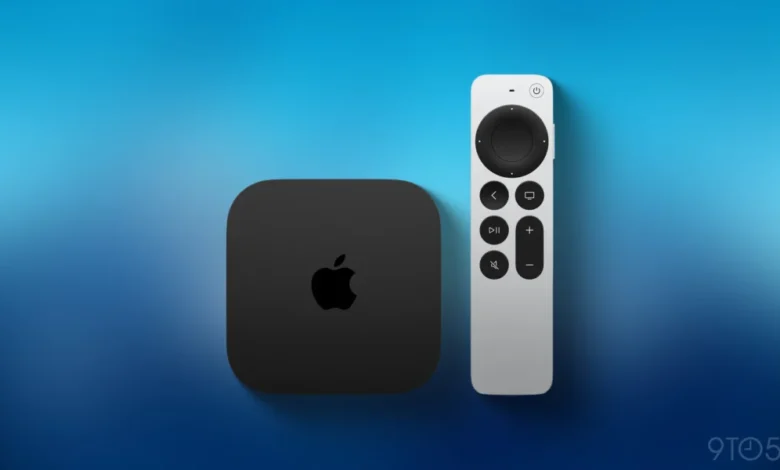
The ongoing debate among IT professionals regarding optimal hardware for corporate and retail digital signage deployments has been significantly illuminated by the recent "State of Digital Signage 2026 report" from Kitcast. This comprehensive analysis, drawing on extensive telemetry data, presents a compelling argument for the Apple TV as the more robust and cost-effective solution for enterprise environments, particularly when scaling operations. The report challenges the conventional wisdom that upfront savings from cheaper Android devices translate into long-term financial or operational advantages, instead highlighting the profound impact of reliability on total cost of ownership (TCO) and IT efficiency.
Digital signage has evolved from simple static displays to sophisticated, dynamic communication platforms, becoming an indispensable tool for businesses across various sectors. In retail, it enhances customer engagement, promotes products, and streamlines in-store navigation. In corporate settings, it facilitates internal communications, displays key performance indicators, and guides visitors. Healthcare facilities utilize it for patient information and wayfinding, while educational institutions employ it for campus announcements and emergency alerts. The effectiveness of these systems, however, hinges entirely on the underlying hardware’s stability and manageability. Historically, IT departments have grappled with the trade-off between premium-priced, high-performance devices and more budget-friendly alternatives. The allure of lower initial investment in Android-based media players, often in the form of compact sticks or mini-PCs, has frequently led procurement teams to overlook potential hidden costs associated with their operational longevity and maintenance.

Unpacking the Kitcast Report: A Data-Driven Comparison
The Kitcast report provides granular insights into this critical decision-making process by analyzing telemetry data collected over a 12-month period from a substantial sample size: 1,000 Apple TV devices deployed in various enterprise settings alongside 250 Android-based digital signage players. This extensive dataset offers a real-world perspective on device performance, uptime metrics, and the frequency of interventions required from IT support teams. The findings unequivocally demonstrate that while Android devices might offer a lower entry price point, their operational deficiencies quickly erode any perceived financial benefit, particularly as the scale of deployment increases. The study underscores a growing industry realization that initial hardware cost is but one component of a much larger, complex financial equation in enterprise technology adoption.
A primary revelation from the report concerns device uptime, a crucial metric for any business relying on continuous visual communication. Apple TV devices exhibited a median 12-month uptime of an impressive 99%. This figure indicates a near-constant operational state, minimizing interruptions to displayed content. In stark contrast, Android devices lagged significantly, recording a median uptime of 96%. While a three-percentage-point difference might appear minor in isolation, its cumulative impact over a year, especially across a large network of displays, is substantial. To put this into perspective, 70% of Apple TV devices maintained an uptime of 99% or higher, effectively operating continuously without the need for manual reboots or troubleshooting. Conversely, only 12% of Android players managed to clear this high bar, with nearly one-third of them falling below a 95% uptime threshold. This disparity means that a considerable portion of Android-powered displays are frequently offline or require attention, directly impacting the effectiveness of the digital signage network and, consequently, the business objectives it serves. The lost advertising revenue, diminished customer experience, or missed internal communications due to inactive screens can far outweigh any initial hardware savings.
Beyond simple uptime, the frequency of offline events provides a more granular understanding of the operational burden placed on IT teams. The Kitcast telemetry data highlights that an average Android device goes offline 15.2 times annually, necessitating intervention from IT personnel. These interventions can range from simple remote reboots to on-site troubleshooting, each incurring labor costs and potential disruption. In comparison, an Apple TV device experienced only 5.3 offline events per year, representing a nearly threefold reduction in required IT engagement. This significant difference directly translates into reduced operational expenditure for businesses and allows IT teams to focus on strategic initiatives rather than reactive maintenance. The cumulative effect of these frequent outages on a large-scale deployment can be staggering, diverting considerable resources and attention from core IT functions, which are often already stretched thin.
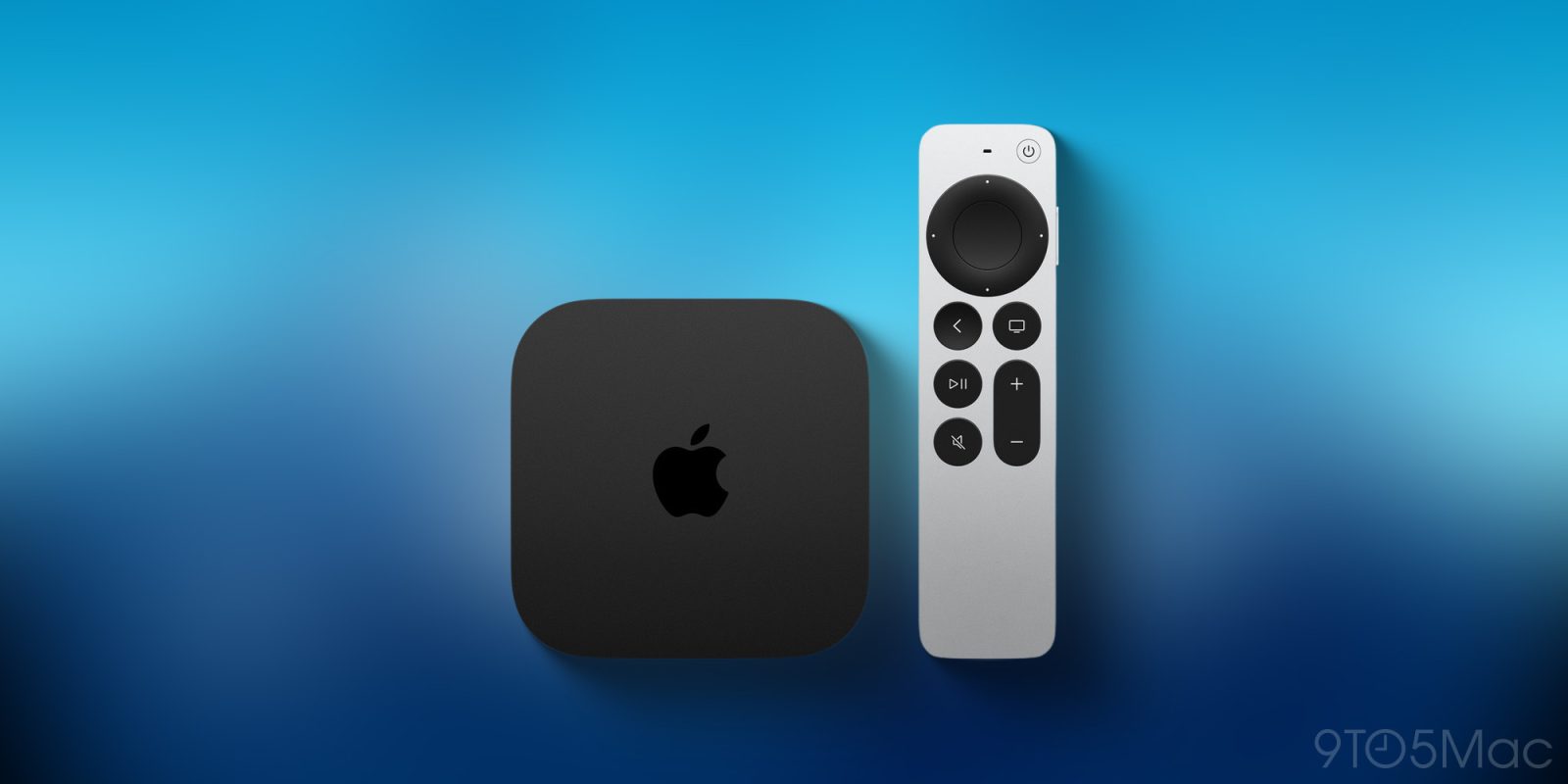
Hardware failure rates further underscore the divergence in reliability between the two platforms. The Kitcast report indicates that Android devices suffer from a substantial annual replacement rate of approximately 18%. This means that nearly one in five Android units would need to be replaced within a year of deployment due to hardware malfunction. Such a high failure rate not only adds direct costs for new hardware but also involves logistics, installation, and configuration expenses, including the environmental impact of increased electronic waste. Apple TV devices, however, demonstrated a remarkably low replacement rate of just 2%. This tenfold difference in hardware longevity is a critical factor in evaluating the long-term economic viability of each platform. The durability of Apple TV hardware contributes significantly to its lower total cost of ownership, as businesses spend less on procurement, shipping, and the labor associated with replacing faulty units, thereby extending the return on investment.
The True Cost of "Cheap": A Total Cost of Ownership Perspective
The "true cost of cheap hardware" becomes strikingly evident when these factors are aggregated into a Total Cost of Ownership (TCO) model. While the initial purchase price of an Android digital signage stick might be considerably lower than an Apple TV, the subsequent expenses related to maintenance, troubleshooting, and hardware replacement quickly negate these upfront savings. For instance, consider a hypothetical retail chain deploying 100 digital signage displays across multiple locations. With an 18% annual replacement rate for Android devices, 18 units would need to be procured and installed each year. At an average of 15.2 offline events per device, that translates to over 1,500 interventions annually for the entire Android fleet. If each intervention requires just 30 minutes of IT staff time, this amounts to 750 hours of reactive labor.
For the equivalent Apple TV deployment, with a 2% replacement rate, only 2 units would need replacement annually, drastically reducing hardware procurement and installation costs. With 5.3 offline events per device, only 530 interventions would be required across the fleet, resulting in approximately 265 hours of IT labor. The difference of nearly 500 hours of IT staff time, coupled with reduced hardware expenditure and the invaluable benefit of consistent display functionality, represents substantial, tangible savings over the lifespan of the deployment. This calculation doesn’t even account for the opportunity cost of IT personnel being diverted from strategic projects to address recurring hardware failures.
This perspective resonates strongly with experienced IT administrators. Bradley Chambers, an Apple IT admin since 2009 and a contributor to the Apple @ Work series, has shared his firsthand experiences, acknowledging the operational challenges associated with Android-based solutions. His insights into managing existing Android-based digital signage, even purpose-built units leased from vendors, highlight common issues such as the need for frequent reboots due to memory leaks or other software instabilities. While these devices are often designed for single-purpose functionality, they still exhibit the underlying reliability issues identified in the Kitcast report. The ability for vendors to schedule daily reboots, though a workaround, is itself an admission of inherent instability, a stark contrast to the "effectively always on" performance observed with Apple TV.
The Role of Enterprise Management and Ecosystem Support
The enterprise-grade capabilities of Apple TV are further bolstered by its robust management framework. With features like zero-touch deployment and comprehensive mobile device management (MDM) integration, IT teams can provision, configure, and manage a large fleet of Apple TVs with minimal manual intervention. Solutions like Mosyle, an Apple Unified Platform, exemplify how an integrated system can seamlessly deploy, manage, and protect Apple devices at scale. This level of centralized control and automation significantly reduces the administrative overhead associated with managing a distributed digital signage network, enabling IT staff to manage thousands of devices efficiently. The ability to push updates, enforce policies, and troubleshoot issues remotely is a critical advantage in complex enterprise environments, directly contributing to higher uptime and lower operational costs. The Apple ecosystem also benefits from consistent software updates, security patches, and a predictable lifecycle, which are vital for long-term enterprise deployments.
The market for digital signage hardware is dynamic, with various players offering solutions tailored to different needs and budgets. However, the findings from Kitcast suggest a re-evaluation of the long-term value proposition. While some might point to the recent price hike for Apple TV devices as a deterrent, the report’s data on reliability and reduced maintenance costs makes a strong case for viewing the Apple TV as an investment that pays dividends over time. Industry experts have often expressed a desire for Apple to introduce a "low-cost stick" option. Such a move could further democratize access to this robust platform for businesses with tighter initial budgets, without compromising the underlying stability and security that define the Apple ecosystem. This would significantly strengthen Apple’s position in the enterprise digital signage market, providing an even more compelling alternative to less reliable options and potentially addressing a wider segment of the market currently constrained by upfront hardware costs.

Broader Implications and Future Outlook
From a broader industry perspective, the Kitcast report’s findings carry significant implications for procurement strategies and IT infrastructure planning. Organizations are increasingly seeking solutions that offer not only performance but also predictability and reduced complexity. The cost of IT labor, coupled with the business impact of unreliable displays (e.g., lost sales opportunities in retail, diminished brand image, missed critical communications in corporate settings), often far outweighs the initial hardware cost difference. This shift in perspective from upfront price to total cost of ownership is crucial for modern enterprises, which prioritize operational continuity and efficiency. Digital signage content management systems (CMS) that are optimized for specific hardware platforms also play a role, and many leading CMS providers offer robust support for Apple TV, leveraging its stability and performance.
Looking ahead, the demand for sophisticated digital signage solutions is expected to continue its upward trajectory, driven by advancements in display technology, interactive features, and personalized content delivery. As businesses strive for more immersive and effective communication strategies, the reliability of the underlying hardware will become even more paramount. Innovations in areas like 8K resolution, transparent displays, and AI-driven content generation will only amplify the need for stable and easily manageable media players that can handle increased computational loads and ensure seamless content delivery. In this evolving landscape, platforms that offer superior uptime, minimal maintenance, and robust security frameworks, such as the Apple TV, are poised to become the de facto standard for mission-critical digital signage deployments, securing long-term operational integrity and maximizing return on investment.
In conclusion, the "State of Digital Signage 2026 report" from Kitcast delivers a clear message to IT decision-makers: the perceived cost advantage of cheap Android devices for digital signage is an illusion that quickly dissipates when confronted with real-world operational data. The superior reliability, dramatically lower intervention rates, and extended hardware lifespan of Apple TV devices translate into significant long-term savings and enhanced operational efficiency. For organizations seeking to build and maintain a dependable, scalable, and secure digital signage network, investing in premium hardware like the Apple TV, supported by robust management platforms, represents a prudent and ultimately more economical choice. This report serves as a crucial data point, guiding businesses away from short-term savings and towards strategic investments that foster operational excellence and long-term value, ensuring that their digital communication channels remain consistently effective and impactful.