Apple’s Upcoming Smart Glasses Prioritize Privacy with Prominent Recording Indicators, Challenging Industry Norms

Apple’s forthcoming smart glasses are poised to tackle one of the most significant impediments to widespread adoption in the wearable technology sector—pervasive privacy concerns—through a fundamental reimagining of the camera indicator light. A recent report from Bloomberg indicates that the Cupertino-based technology giant is developing display-free smart glasses, internally codenamed N50, which emphasize everyday utility while incorporating a design philosophy intended to make them considerably less intrusive than many existing offerings. This strategic pivot towards enhanced recording transparency could represent a pivotal moment for a product category long plagued by public skepticism and mistrust.
Expected to debut around 2026 or 2027, the N50 device is envisioned primarily as an extension of the iPhone rather than a fully independent augmented reality system. Its core functionalities are anticipated to revolve around passive and active interaction with the user’s environment, including photo and video capture, seamless voice interactions powered by Siri, timely notifications, and integrated media playback. This approach suggests a deliberate focus on utility and accessibility, foregoing the more complex, display-intensive augmented reality experiences initially, to establish a foundation of user comfort and social acceptance.
The Persistent Privacy Paradox of Wearables
The concept of discreetly recording individuals in public or private spaces has been a contentious issue since the earliest iterations of wearable cameras. Google Glass, launched to much fanfare in 2013, quickly became synonymous with privacy invasion, earning its users the pejorative moniker "Glassholes." The device’s subtle recording indicator—a small, barely perceptible light—failed to assuage public fears, leading to bans in various establishments and a widespread sentiment of unease. This initial foray into consumer smart glasses starkly highlighted the societal challenges of integrating always-on recording capabilities into personal accessories.
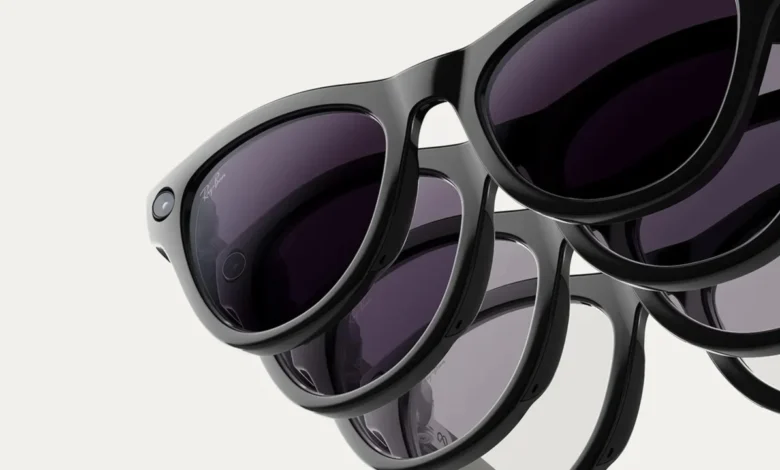
More recently, Meta’s collaboration with Ray-Ban on smart glasses has reignited these debates. Despite Meta’s efforts to integrate a visible LED indicator when recording, reports, notably by WIRED, have detailed how some users have actively sought to circumvent these safeguards. Third-party vendors have even marketed accessories like "ghost dots," designed specifically to obscure or diminish the recording indicator light. While these modifications often prove ineffective against the devices’ built-in protections, their very existence underscores a fundamental problem: a segment of the user base desires to record covertly, which directly undermines the trust essential for the technology’s broader acceptance. Such attempts, regardless of their efficacy, perpetuate the "creepy" reputation that has historically stifled the market penetration of smart glasses. The implication is clear: if users are actively trying to hide recording signals, the social contract necessary for widespread adoption is fundamentally broken.
Apple’s Distinctive Hardware-First Approach to Trust
What truly distinguishes Apple’s reported strategy for the N50 glasses is its bold, hardware-centric solution to the recording visibility dilemma. Unlike many current smart glasses that rely on small, often easily overlooked LED indicators, Apple is reportedly experimenting with a far more conspicuous lighting system. This system is said to be integrated directly into the camera module itself, featuring vertically oriented lenses encased by visible lighting elements. The design intent is to make it exceedingly difficult, if not impossible, to conceal when the device is actively recording.

This design choice is a profound statement on Apple’s part, moving beyond mere software restrictions or tiny, easily ignored lights. By embedding a prominent, unmissable indicator directly into the hardware’s aesthetic, Apple is attempting to eliminate ambiguity and foster transparency by design. This approach aligns seamlessly with Apple’s overarching philosophy of integrating privacy as a core product feature, not merely an afterthought or a compliance measure. From the stringent App Tracking Transparency framework on iOS to the on-device processing of personal data for Apple Intelligence, the company has consistently positioned itself as a champion of user privacy. The N50’s camera indicator system appears to be a natural extension of this brand identity into a new, potentially sensitive product category.
Building Trust: A Cornerstone of Apple’s Market Entry Strategy
Apple’s history in entering new product categories is characterized by a patient, iterative approach, often waiting until market pioneers have identified key challenges and opportunities. When Apple does enter, its strategy typically involves refining the user experience, addressing critical pain points, and leveraging its tightly integrated ecosystem. This was evident with the iPhone, which revolutionized the smartphone market, and the Apple Watch, which redefined wearables. In both instances, Apple didn’t just introduce new technology; it refined existing concepts, placing an emphasis on user-friendliness, reliability, and security.
For smart glasses, trust and privacy are arguably the most significant pain points. By tackling the recording transparency issue at the hardware level, Apple is making a proactive move to build foundational trust with consumers and, crucially, with those around the users of the glasses. If successful, this could significantly differentiate Apple’s offering and help overcome the public’s ingrained skepticism towards always-on wearable cameras. The emphasis on overt indicators also echoes features like the "EyeSight" display on the Apple Vision Pro, which visually signals when a user is engaged in an immersive experience, providing a clear external cue to bystanders. This consistent design philosophy underscores Apple’s commitment to social transparency in its spatial computing initiatives.
N50: A Foundation for Ambient Intelligence
The N50 smart glasses are not being developed in isolation but are part of a broader, more ambitious strategy to embed artificial intelligence more deeply and ambiently into daily life. Bloomberg’s report notes that these glasses are components of a larger AI-powered wearables push, which also includes advanced AirPods and other devices designed to interpret and interact with the user’s surroundings.
These interconnected products will heavily rely on computer vision and Apple Intelligence—Apple’s recently unveiled personal AI system—to provide contextually relevant information and assistance. Imagine glasses that can offer real-time navigation cues overlaid subtly, identify objects or people, provide instant language translation, or deliver proactive reminders based on your current location and schedule. This vision extends beyond mere data capture; it aims to create an intelligent layer over reality that enhances human perception and interaction without being overtly intrusive. The N50, with its initial focus on fundamental functions and a strong privacy stance, serves as a crucial stepping stone towards this future of ambient computing. It allows users to become accustomed to wearing smart devices that subtly augment their reality, while gradually building comfort with the underlying AI capabilities.
Market Landscape and Competitive Dynamics

The global smart glasses market is projected to experience substantial growth in the coming years, with various analyses forecasting market sizes ranging from tens of billions to over a hundred billion dollars by the end of the decade. However, this growth has been tempered by the aforementioned challenges of privacy, social acceptance, and often, a lack of compelling, widespread use cases beyond niche applications.
Current competitors, including Meta with its Ray-Ban Stories and subsequent AI-enhanced versions, Amazon with its Echo Frames, and various startups, have largely struggled to achieve mainstream adoption. Their efforts often highlight the tension between technological capability and social readiness. Meta’s approach, while iteratively improving, still grapples with the perception issues associated with covert recording. Amazon’s Echo Frames, focused more on audio and Alexa integration, sidestep camera-based privacy concerns but remain a niche product. Snapchat’s Spectacles, primarily targeting content creators within its ecosystem, also demonstrate the difficulty of breaking out of specific user groups.
Apple’s entry, even with a more basic, display-free model, is expected to significantly impact this landscape. Its brand power, coupled with a robust ecosystem and a reputation for user experience and privacy, could legitimize the category in a way no other company has managed thus far. Should the N50 succeed in establishing trust and demonstrating practical, everyday utility as an iPhone companion, it could pave the way for more advanced, full augmented reality glasses later in the decade, as Apple also reportedly plans. This initial offering could serve as a crucial testbed for user interaction, societal acceptance, and the integration of ambient AI, laying the groundwork for a truly transformative AR experience down the line.
The Road Ahead for Wearable Technology
For consumers, the ultimate success of smart glasses hinges not just on their technological prowess but equally on perception and social integration. If Apple can successfully position its N50 glasses as transparent, trustworthy, and genuinely useful, it could overcome the significant psychological and social barriers that have historically hindered the category. The tight integration with the iPhone and the broader Apple ecosystem—including services and AI capabilities—is designed to make the device seamlessly useful in a wide array of everyday scenarios, from quick photo captures to receiving context-aware information.
The N50 glasses are still several years away from launch, with a timeline indicating a release no earlier than 2026 or 2027. Fully featured augmented reality glasses, capable of overlaying complex digital content onto the real world, are anticipated to follow even later, likely towards the end of the decade. Until then, Apple’s immediate strategic focus appears to be on mastering the fundamentals: refining core functionality, ensuring intuitive usability, and, perhaps most critically, establishing an unwavering foundation of user trust. This deliberate, phased approach suggests Apple is not merely launching a product, but attempting to reshape public perception and pave the way for a future where intelligent wearables are an accepted, and indeed welcomed, part of daily life. The N50 could therefore be seen as Apple’s measured, privacy-conscious first step into a future where technology is worn, not just held.