Heated Rivalry Season 2 Release Date Plot Details and Adaptation Strategy for the Crave and HBO Max Series

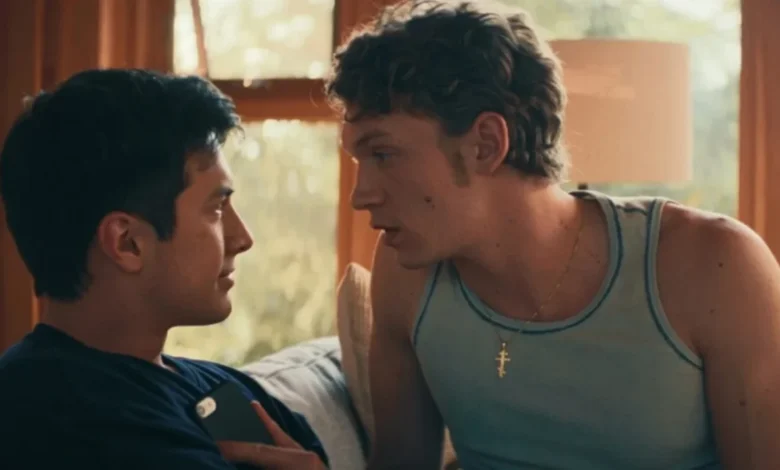
The production and development of the second season of Heated Rivalry, the acclaimed television adaptation of Rachel Reid’s Game Changer book series, has entered a new phase of public disclosure following recent industry events. During a featured panel at BookCon in New York City, showrunner Jacob Tierney provided a comprehensive update on the narrative direction and projected timeline for the series. While the announcement confirmed that the high-stakes hockey romance will return to screens, fans of the central pairing—Shane Hollander and Ilya Rozanov, collectively known by the portmanteau "Hollanov"—will face a significant waiting period, as the second season is not scheduled for release until 2027. This extended production window reflects the ambitious scope of the upcoming episodes, which seek to transition the story from the initial spark of a secret rivalry into a complex, multi-year examination of a long-term queer relationship within the professional sports industry.
The series, a collaborative effort between the Canadian streaming service Crave and HBO Max, first gained international attention for its grounded yet steamy portrayal of two rival NHL superstars navigating an illicit romance. Season 1 concluded with Shane Hollander (portrayed by Hudson Williams) and Ilya Rozanov (played by Connor Storrie) solidifying their personal commitment to one another, even as they maintained a facade of professional animosity for the public and the league. According to Tierney, the second season will pivot away from the frantic, secret encounters that defined the early stages of their relationship, focusing instead on the "emotionally sophisticated" challenges presented in Rachel Reid’s sequel novel, The Long Game.
Strategic Adaptation and Narrative Shift
The move from adapting the first book, Heated Rivalry, to the sequel, The Long Game, necessitates a fundamental change in the show’s tone and structural pacing. Jacob Tierney emphasized that while the core elements of the series—specifically the chemistry and physical intimacy between the leads—will remain intact, the context of their interactions is evolving. In Season 1, the narrative relied heavily on the tension of "hotel-room-adolescent-sex" and the danger of discovery. Season 2 aims to explore what happens when that initial danger gives way to the domestic and professional realities of a decade-long partnership.
Tierney noted that the adaptation process for Season 2 is inherently more challenging because the source material enters "much more serious territory." The Long Game covers a vast span of time, tracking the characters as they age and face the physical and mental toll of professional hockey. The showrunner’s comments suggest that the television version will mirror this maturity, moving beyond the tropes of New Adult fiction into a more nuanced drama about identity, mental health, and the sacrifices required to sustain a high-profile relationship in a traditionally conservative sporting environment.
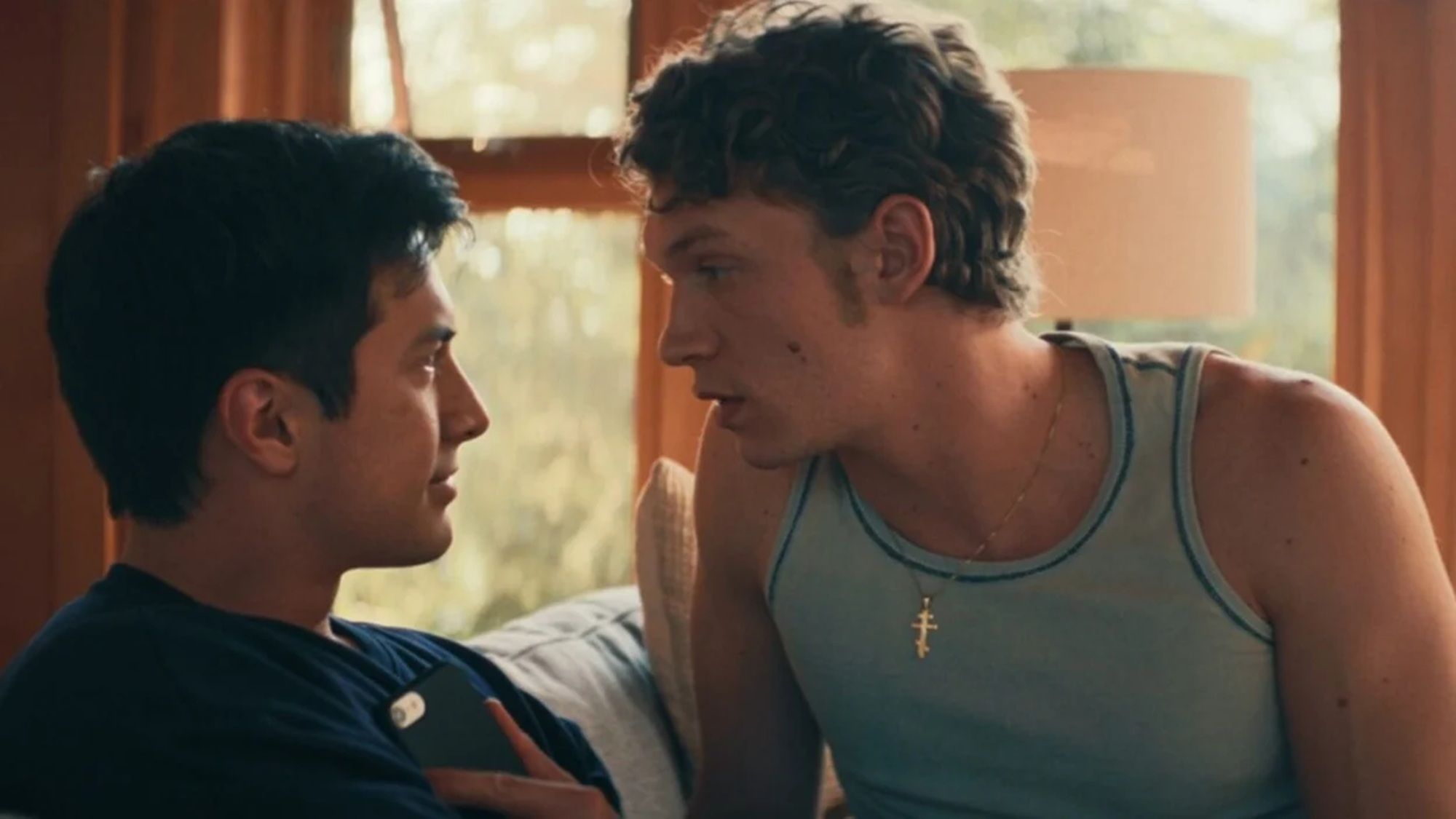
Furthermore, the production team has confirmed that Season 2 will not be a singular adaptation of one book. Following the precedent set in the first season—which incorporated elements from Reid’s debut novel, Game Changer—the upcoming episodes will integrate characters and plotlines from Role Model, the fifth installment in the book series. This expansion allows the show to build a more robust "cinematic universe" of professional hockey players. Specifically, viewers can expect the introduction of Troy Barrett, Ilya’s teammate on the Ottawa Centaurs, and Harris Drover, the team’s social media manager. By folding the events of Role Model into the timeline of Shane and Ilya’s story, the writers aim to provide a broader perspective on the culture of the NHL and the varying experiences of queer athletes.
Chronology and Development Timeline
To understand the 2027 release date, it is necessary to look at the broader chronology of the franchise’s development. Rachel Reid’s Game Changer series began in 2018, with the novel Heated Rivalry quickly becoming a standout success in the M/M (male/male) romance genre due to its balance of humor, sports accuracy, and emotional depth. The sequel, The Long Game, was released in 2022, providing the blueprint for the long-term narrative Tierney is now executing.
The first season of the television adaptation underwent a rigorous development process to ensure the on-ice action looked authentic while maintaining the intimacy of the character work. The decision to set the Season 2 release for 2027 suggests a deliberate strategy by Crave and HBO Max to allow for high-quality post-production and perhaps to let the lead actors age slightly to match the time jumps present in the sequel novel.
The timeline of the series’ progression is as follows:
- 2018–2022: Publication of the primary novels in the Game Changer series by Rachel Reid.
- Season 1 Release: The debut of the series on Crave and HBO Max, establishing Hudson Williams and Connor Storrie as the definitive Shane and Ilya.
- April 2024: Official confirmation at BookCon NYC regarding the Season 2 narrative focus and the integration of Role Model.
- 2024–2026: Projected principal photography and intensive post-production phases.
- 2027: Scheduled premiere of Season 2.
Supporting Data: The Rise of the Sports Romance Genre
The renewal and expansion of Heated Rivalry come at a time when the "sports romance" subgenre is experiencing unprecedented growth in both publishing and streaming. Data from the publishing industry indicates that romance novels featuring athletes have seen a 35% increase in sales over the last three years, driven largely by social media platforms like TikTok (BookTok). Within this niche, queer sports narratives have carved out a significant market share, challenging long-standing stereotypes about masculinity in professional athletics.
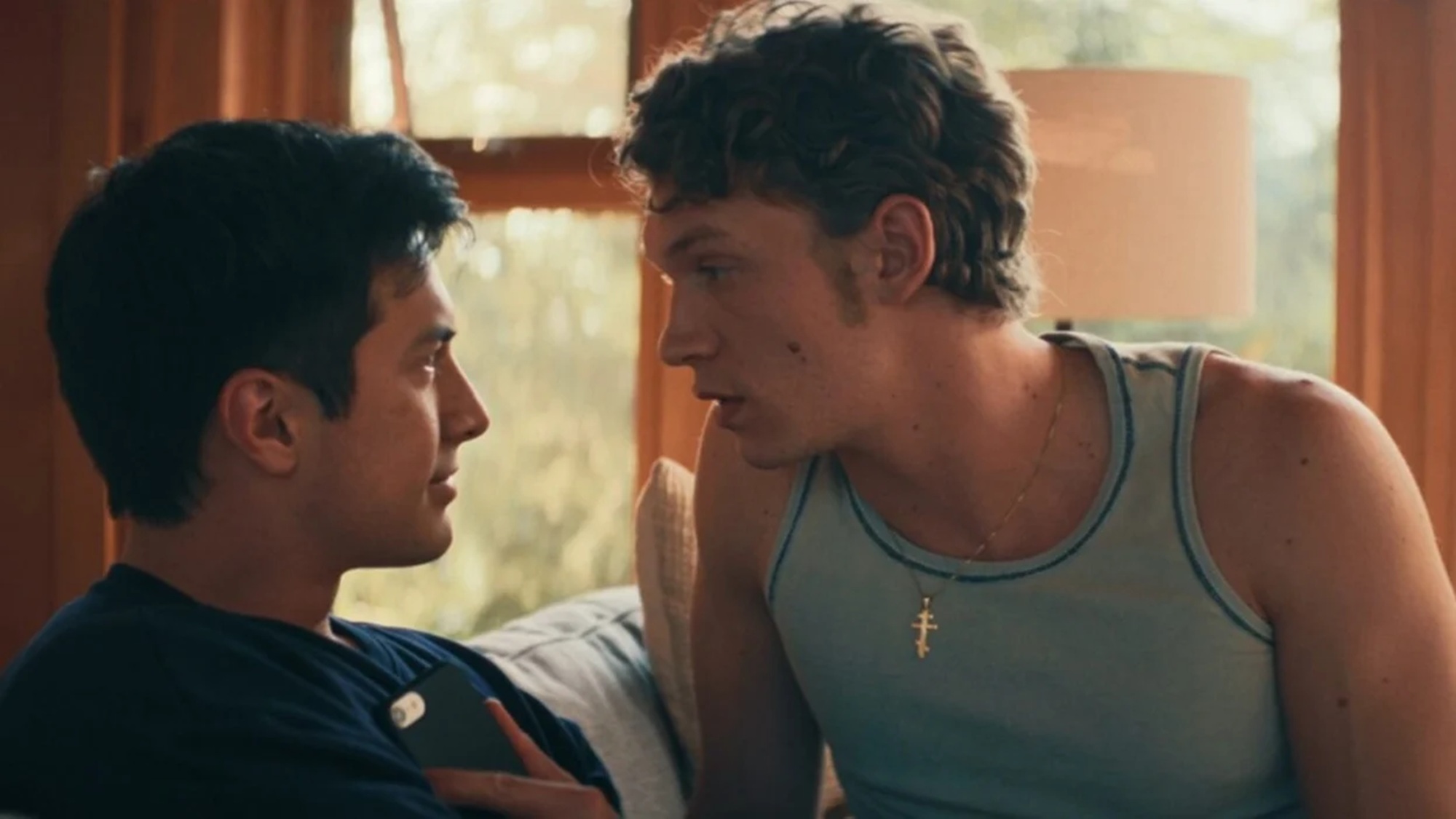
The success of Season 1 of Heated Rivalry can be attributed to its high production values and its refusal to sanitize the source material’s mature themes. Unlike traditional network dramas, the partnership with HBO Max allows the series to maintain the "steamy" reputation of the books while grounding the sex scenes in character development. Industry analysts suggest that by leaning into the "emotionally sophisticated" aspects of The Long Game, the show is positioning itself as a prestige drama rather than a standard romantic comedy. This shift is likely a response to the evolving tastes of the audience, which increasingly demands complex depictions of LGBTQ+ life that go beyond the "coming out" narrative.
Official Responses and Creative Vision
The creative team behind Heated Rivalry has been vocal about their commitment to the source material. Jacob Tierney’s remarks at BookCon were met with a mixture of excitement and patience from the "Hollanov" fanbase. Tierney addressed the pressure of adapting such beloved characters, stating, "Ilya and Shane are the heartbeat of this series… it’s always going to be about Ilya and Shane; that is the trajectory that runs through it as their world expands."
While the inclusion of characters from Role Model suggests an ensemble feel, the showrunner was quick to reassure fans that the central focus will not shift. The integration of Troy Barrett and Harris Drover is intended to serve as a foil to Shane and Ilya’s relationship, highlighting the differences between a couple that has been together for years and one that is just beginning to navigate the complexities of public life. This dual-narrative approach is expected to add layers to the show’s exploration of "the long game" of love and career.
Cast members Hudson Williams and Connor Storrie have not yet released detailed statements regarding the 2027 timeline, but sources close to the production indicate that both actors are committed to the long-term development of their characters. The physical demands of the roles—requiring both professional-level skating skills and intense emotional vulnerability—make the extended preparation time a practical necessity.
Broader Impact and Industry Implications
The decision to produce a second season of Heated Rivalry has broader implications for the representation of queer athletes in media. For decades, the "gay athlete" trope in television was often relegated to tragic subplots or brief guest arcs. By centering a multi-season big-budget drama on two gay superstars at the pinnacle of their sport, Crave and HBO Max are signaling a shift in the commercial viability of queer-led sports stories.

The 2027 release date also highlights a growing trend in the streaming era: the "prestige wait." Much like high-fantasy series or complex sci-fi dramas, character-driven romances are now receiving longer production cycles to ensure the final product meets the high expectations of a global audience. For Heated Rivalry, this means more time to perfect the hockey choreography and to script the intricate emotional beats that define Rachel Reid’s writing.
As the television landscape continues to evolve, Heated Rivalry stands as a benchmark for how modern adaptations can honor their literary roots while expanding into new, sophisticated territory. The transition from the "hotel room" phase to the "long game" reflects not just the growth of the characters, but the maturation of the genre itself. While the three-year wait for 2027 may be daunting for the "Hollanov" faithful, the promise of a more serious, deeply felt exploration of Shane and Ilya’s life suggests that the next chapter will be worth the endurance.