Samsung Galaxy S26 Ultra Sees Significant Price Drop Amidst Industry-Wide Component Cost Hikes

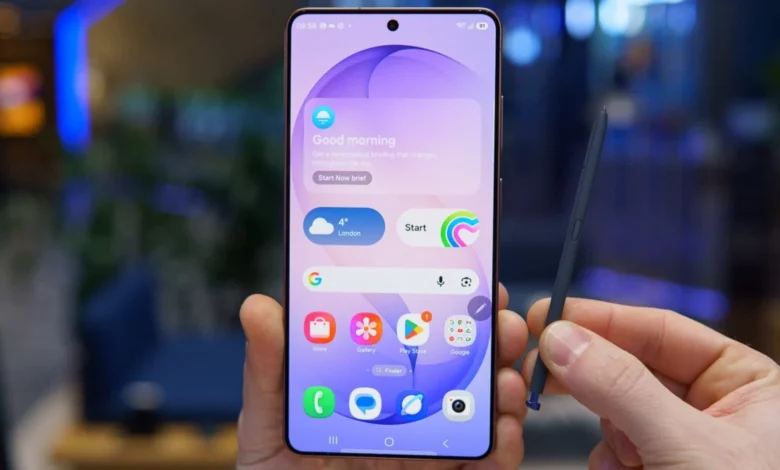
In a striking divergence from prevailing market trends, the Samsung Galaxy S26 Ultra, one of the world’s most sought-after mobile devices, is experiencing notable price reductions, primarily through online retail channels. This development comes at a time when numerous other phones and tablets, including less prominent models from diverse brands such as Samsung itself, Motorola, and Lenovo, are seeing their prices escalate. The industry-wide phenomenon of rising memory chip costs, a topic of considerable discussion in recent months, is largely cited as the primary driver behind these broader price increases. The surprising affordability of a flagship device like the Galaxy S26 Ultra, therefore, presents a fascinating case study in contemporary consumer electronics market dynamics.
The Broader Economic Landscape: Rising Component Costs
The tech industry has been grappling with a complex web of economic pressures, with the escalating cost of memory chips standing out as a significant concern. This surge in pricing for essential components like NAND flash and DRAM modules is not a sudden occurrence but rather the culmination of several factors that have been developing over the past year. Supply chain disruptions, initially exacerbated by the global pandemic and more recently by geopolitical tensions and trade restrictions, have limited the availability of raw materials and manufacturing capacity. Simultaneously, a burgeoning demand for high-performance memory, driven by advancements in artificial intelligence (AI), high-end computing, and data centers, has outstripped supply. Companies across the tech spectrum, from smartphone manufacturers to server builders, are feeling the pinch, leading to higher production costs.
This inflationary pressure on components has compelled several manufacturers to adjust their retail pricing upwards. Reports indicate that various devices from Samsung’s less popular lines, certain Motorola Moto G series phones, and a range of Lenovo Android tablets have seen price hikes. These adjustments are often incremental but reflect a necessary response to maintain profit margins in a challenging economic environment. For consumers, this translates to a higher barrier to entry for even mid-range and budget-friendly devices, making the prospect of acquiring new technology increasingly expensive.
The Samsung Galaxy S26 Ultra: A Flagship Defies the Trend
Against this backdrop of rising costs, the Samsung Galaxy S26 Ultra’s trajectory towards greater affordability is particularly noteworthy. While the term "cheap" may seem incongruous when describing a device that initially commanded a premium price tag, the reality is that its 512GB storage variant, specifically in a pristine white finish, is now available at a significantly reduced cost without any prerequisite trade-ins or complex contractual obligations. This move positions the S26 Ultra as an unexpectedly compelling option for consumers looking for top-tier performance without the full initial investment.
The Galaxy S26 Ultra launched as Samsung’s premier non-foldable smartphone for 2026, building upon a legacy of technological innovation and market leadership established by its predecessors. Its designation as a "super-flagship" is well-earned, given its cutting-edge specifications and sophisticated design. The device embodies the pinnacle of Android smartphone engineering, featuring a robust ecosystem of hardware and software designed to deliver an unparalleled user experience.
Unpacking the Deal: Amazon’s Strategic Pricing
The primary catalyst for this newfound affordability is a compelling offer initiated by Amazon.com. The e-commerce giant has slashed $250 off the stated list price of $1,499.99 for the 512GB white variant of the Galaxy S26 Ultra. This represents a substantial 17% discount, making the device more accessible than ever before. Beyond the white model, Amazon is also offering reductions on other configurations, including a $230 saving on the 512GB "sky blue" version and a $200 discount across all other color options for both the 512GB and the entry-level 256GB variants.
Amazon’s strategic pricing decisions are often influenced by a myriad of factors, including inventory management, aggressive competition with other retailers, and a drive to capture market share for high-demand products. For a device as popular and critically acclaimed as the S26 Ultra, offering a direct, no-strings-attached discount can significantly boost sales volume and attract customers who might otherwise defer their purchase or consider alternative brands. The absence of similar discounts on Samsung’s official US website further underscores the attractiveness and urgency of Amazon’s current promotion, positioning it as the most advantageous avenue for acquiring the device. This competitive stance by Amazon highlights the dynamic interplay between manufacturers and major retailers in shaping market prices and consumer accessibility.
Chronology of Price Fluctuations and Market Trends
The narrative of rising component costs has been unfolding over the course of late 2025 and early 2026. Initially, whispers of increased manufacturing expenses began circulating within industry reports, gradually materializing into official price adjustments for various consumer electronics products. Memory chip prices, which had seen periods of relative stability or even decline in previous years, began their upward trajectory, driven by the aforementioned supply-demand imbalances. This trend directly impacted the bill of materials for many devices, forcing brands like Motorola and Lenovo to re-evaluate their pricing strategies for new and existing models. Samsung, while a major player in memory chip production itself, also faces the increased costs for components sourced from other suppliers and needs to balance its internal supply with market demand, leading to price increases on some of its less premium offerings.
The Samsung Galaxy S26 Ultra, likely launched in early 2026 as part of Samsung’s annual flagship release cycle, would have entered the market with an initial price reflecting the then-current component costs and Samsung’s premium positioning. However, as the market evolved and Amazon, a key retail partner, sought to stimulate sales, the opportunity for a significant price reduction emerged. This chronological sequence suggests a proactive retail strategy designed to capitalize on market interest and maintain sales momentum, even as broader industry forces push prices in the opposite direction. Historically, flagship smartphones often see price adjustments a few months after their initial release, but the current context of rising component costs makes this particular discount more unusual and impactful.
Industry Reactions and Expert Analysis
Industry analysts have been keenly observing these contrasting pricing trends. Many believe that Samsung’s ability to offer a significant discount on its top-tier S26 Ultra, while simultaneously raising prices on other devices, showcases a sophisticated market segmentation strategy. "This isn’t just a random markdown," stated Sarah Chen, a senior analyst at Tech Insights Group. "It reflects Samsung’s commitment to maintaining its leadership in the premium segment. By making the S26 Ultra more accessible, they can capture a wider audience for their flagship, potentially offsetting lower margins with increased volume, especially in a competitive market dominated by Apple."
Other experts suggest that the timing of Amazon’s deal might also be indicative of internal inventory management or a strategic push during a period where consumer spending on high-ticket items might be constrained by broader economic uncertainties. "Retailers like Amazon often leverage their buying power to secure favorable terms, allowing them to offer aggressive discounts," explained David Miller, an e-commerce strategy consultant. "For Samsung, a strategic price drop on a blockbuster device like the S26 Ultra ensures continued market presence and reinforces its brand image as an innovator, even if some of its other lines are facing price pressures." The consensus among analysts is that this move is a calculated risk, designed to solidify Samsung’s position in the premium market while navigating the complexities of component cost inflation.
Specifications and Value Proposition of the S26 Ultra
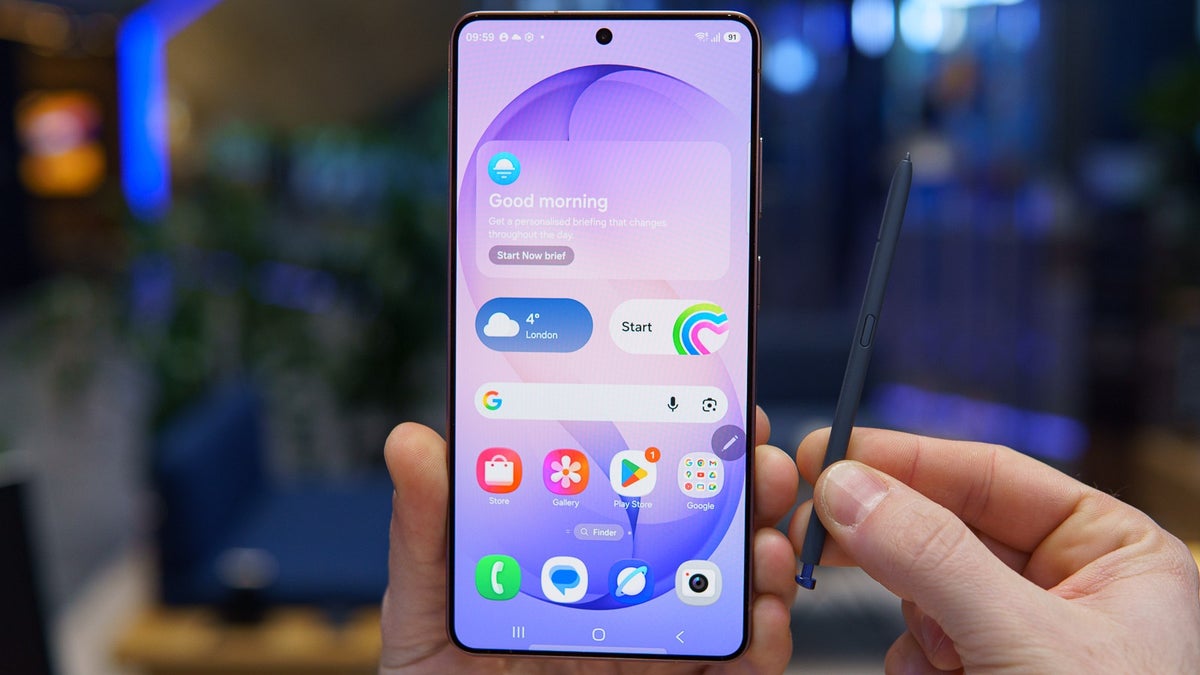
The Galaxy S26 Ultra’s enduring appeal, even at its original premium price, stems from its comprehensive suite of high-end features. The device boasts a formidable Qualcomm Snapdragon 8 Elite Gen 5 Processor, an evolution of mobile chip architecture designed for unparalleled speed, efficiency, and advanced AI capabilities. This chipset ensures seamless multitasking, demanding gaming performance, and highly efficient processing for the integrated Galaxy AI features, which offer a new dimension of smart functionalities, from real-time language translation to advanced photo editing.
Its visual prowess is delivered through a stunning 6.9-inch Dynamic LTPO AMOLED 2X Screen, offering a breathtaking 3120 x 1440 pixel resolution and a buttery-smooth 120Hz refresh rate. This display technology not only provides vibrant colors and deep blacks but also intelligently adjusts its refresh rate to conserve battery life. A groundbreaking Privacy Display feature further enhances its appeal, offering advanced visual security for sensitive content.
Durability is a key consideration, with an Armor Aluminum Frame and Corning Gorilla Armor 2 Protection providing robust resistance against drops and scratches. Running on Android 16, the S26 Ultra guarantees access to the latest software innovations and security updates.
Photography enthusiasts will appreciate the sophisticated quad rear-facing camera system, comprising a 200MP primary sensor, alongside 10MP, 50MP, and another 50MP lenses, offering unparalleled versatility for wide-angle, telephoto, and ultra-wide shots. A 12MP front-facing camera ensures high-quality selfies and video calls. Powering this technological marvel is a substantial 5,000mAh battery, supported by blazing-fast 60W wired and 25W wireless charging, ensuring users remain connected throughout their day. The device’s "White Color" option, now prominently featured in the discount, has been lauded by many as one of its most elegant finishes, adding to its aesthetic appeal.
While the S26 Ultra is not without its minor criticisms – some reviewers have noted a repetitive camera system, an annoyingly familiar battery size compared to predecessors, and the absence of MagSafe-style magnetic accessory technology – its core strengths undeniably outweigh these weaknesses. The state-of-the-art chipset, the remarkably lightweight and super-slim design for a handset of its size, rapid charging capabilities, and the innovative Privacy Display feature solidify its position as one of the best Android phones available in 2026. Our comprehensive Galaxy S26 Ultra review further elaborates on these strengths, reaffirming its status as a top-tier device worthy of its flagship title.
Consumer Impact and Market Implications
For consumers, the price drop on the Galaxy S26 Ultra is a welcome relief in an otherwise inflationary tech market. It allows a broader segment of the population to access premium technology that might have previously been out of reach. This move could stimulate demand, especially among those who prioritize performance and cutting-edge features but are also price-sensitive. The "no trade-in required" aspect of Amazon’s deal is particularly appealing, as it removes a common hurdle for many potential buyers who may not have an eligible device to exchange.
From a market perspective, this strategic pricing could have several implications. It could intensify competition in the premium smartphone segment, potentially prompting rivals to reconsider their own pricing strategies or promotional offers. For Samsung, it represents an opportunity to consolidate its market share and reinforce its brand loyalty, demonstrating flexibility and responsiveness to consumer needs. It also highlights the growing influence of major online retailers like Amazon in dictating market prices, sometimes independently of manufacturer-set pricing guidelines. This dynamic relationship between manufacturers, retailers, and market forces will continue to shape how consumers purchase and access the latest technological innovations.
The Future of Flagship Pricing
The contrasting fortunes of the Galaxy S26 Ultra and other devices amidst rising component costs paint a complex picture for the future of smartphone pricing. While component costs are likely to remain elevated in the short to medium term due to sustained demand from AI and other advanced technologies, manufacturers and retailers will continually seek strategies to balance profitability with market competitiveness. This could lead to more nuanced pricing models, with flagship devices potentially seeing more aggressive post-launch discounts to maintain sales volume, while mid-range and budget segments might bear the brunt of direct price increases.
The S26 Ultra’s current affordability through Amazon is a testament to the adaptive nature of the consumer electronics market. It demonstrates that even in an environment of escalating production costs, strategic retail partnerships and targeted promotions can create unexpected opportunities for consumers to acquire premium technology at more accessible price points. As the industry continues to evolve, such dynamic pricing strategies will likely become a more prominent feature, benefiting discerning buyers who are vigilant about market trends and promotional offers.
In conclusion, the Samsung Galaxy S26 Ultra’s recent price reduction stands as a significant anomaly against the backdrop of rising component costs affecting much of the consumer electronics industry. Driven by a compelling Amazon deal, this flagship device is now more accessible than ever, offering a blend of cutting-edge technology and enhanced affordability. This development not only provides a boon for consumers seeking a top-tier Android experience but also offers valuable insights into the intricate pricing strategies employed by manufacturers and retailers in a volatile global market.