Google Meet Elevates Video Quality for High-Resolution Displays, Responding to Evolving User Demands and Market Dynamics

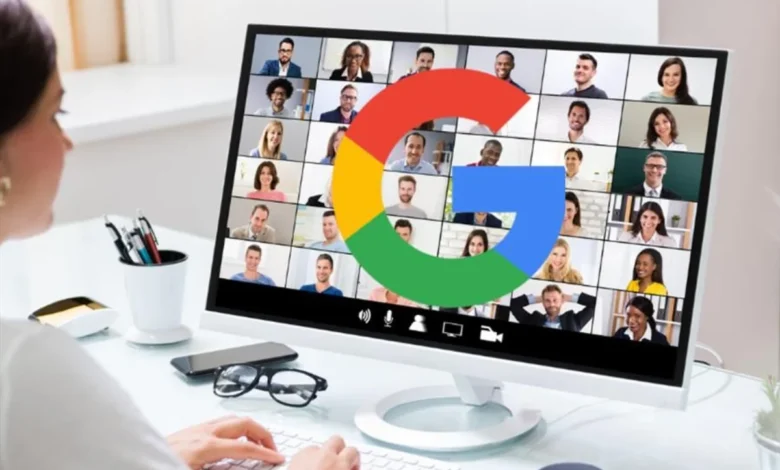
Google has announced a significant upgrade to the video quality offered within its Google Meet platform, specifically targeting users accessing the service via a web browser on high-resolution displays. This enhancement is particularly noticeable in multi-participant virtual meetings, where the increased clarity and detail are expected to profoundly impact user experience and the efficacy of remote collaboration. The global rollout of this improvement has commenced and is anticipated to reach all eligible users over the coming weeks, requiring no manual action or setting adjustments from the end-user.
The Core Enhancement: Sharper Visuals for Multi-Participant Engagements
The primary focus of Google’s latest update is to "provide higher quality video for users with high-resolution displays on the web." While all users with capable hardware and network conditions will benefit, the improvement is designed to be most impactful in calls involving three or more participants. In such scenarios, the screen real estate is divided among multiple video feeds, and even subtle increases in resolution or clarity become more discernible. This addresses a common pain point in large virtual gatherings where individual video tiles can often appear pixelated or lacking in detail, hindering non-verbal communication and overall engagement.
Historically, video conferencing platforms have prioritized stability and accessibility over peak visual fidelity, often defaulting to lower resolutions to accommodate a wide range of internet speeds and device capabilities. However, with the proliferation of high-definition and even 4K monitors in both professional and home office environments, user expectations for crisp, clear video have steadily risen. Google’s move reflects a strategic pivot towards meeting these elevated demands, acknowledging that visual quality is paramount for effective digital interaction.
Technical Underpinnings and Bandwidth Considerations
Achieving this higher visual fidelity inherently demands more network bandwidth than previous default settings. While Google has not yet specified a minimum connection speed required to fully experience the enhanced quality, or precisely defined what constitutes a "high-resolution display" for the purpose of this update (though typically 1080p Full HD, 1440p QHD, and 4K UHD fall into this category), the underlying mechanism relies on dynamic adaptation.
Crucially, the system is designed to intelligently adjust video quality based on the user’s available bandwidth. This adaptive bitrate streaming approach ensures that users on slower or less stable connections will still receive the best possible video quality their network can support, without suffering from constant buffering or dropped frames. Conversely, those with robust internet connections and high-resolution monitors will automatically experience the full benefits of the upgrade without needing to delve into complex settings. This intelligent management of resources is a cornerstone of modern streaming technologies, balancing quality with reliability across diverse network conditions.
This adaptive technology is critical in an era where internet speeds vary wildly across regions and even within individual households. According to Ookla’s Speedtest Global Index, average fixed broadband speeds have been steadily increasing, with global averages often exceeding 100 Mbps downstream in many developed nations. However, significant disparities remain, and even within high-speed environments, network congestion or Wi-Fi interference can temporarily degrade performance. Google Meet’s ability to dynamically scale video quality up or down in real-time is therefore essential for providing a consistent and optimal user experience across this spectrum.
A Chronology of Evolution: Google Meet’s Journey
Google Meet, initially launched in 2017 as "Hangouts Meet," has undergone several transformations, reflecting Google’s evolving strategy in the enterprise communication space. Its origins can be traced back to Google Hangouts, a broader messaging and video platform. The decision to brand a dedicated enterprise-focused video conferencing solution underscored the growing importance of virtual meetings, even before the global shift towards remote work.
- 2017: Google Meet officially launched, targeting business users with features like large meeting capacities, screen sharing, and integration with Google Workspace (then G Suite).
- Early 2020: With the onset of the COVID-19 pandemic, Google significantly expanded Meet’s capabilities and made it more widely accessible, including offering many premium features for free to all Google account holders. This period saw an explosion in video conferencing usage, pushing platforms like Meet to rapidly innovate and scale.
- Late 2020 – Present: Continuous updates have introduced features such as noise cancellation, background blur/replacement, live captions, enhanced security protocols, and integration with a wider array of Google services. The current video quality upgrade is a direct continuation of this iterative development, responding to user feedback and the competitive landscape.
This latest enhancement in video quality can be seen as a natural progression, building upon a foundation laid during a period of unprecedented demand for reliable and high-performing video communication tools.
Broader Context and Supporting Industry Data
The video conferencing market has witnessed explosive growth in recent years. Data from various industry analyses, such as those by Grand View Research and Statista, indicate that the global video conferencing market size, valued at billions of dollars, continues to expand at a compound annual growth rate (CAGR) well into double digits. This growth is fueled by the sustained adoption of hybrid work models, the increasing globalization of businesses, and the ongoing need for virtual education and social interaction.
One key driver for improved video quality is the prevalence of high-resolution displays. Market research firms like IDC and Gartner have reported consistent growth in the sales of monitors beyond standard 1080p, with 1440p and 4K displays becoming increasingly common in both professional and consumer segments. As users invest in better hardware, their expectation for software to leverage that hardware naturally increases. A 4K monitor displaying a pixelated 720p video feed represents a suboptimal user experience, and platforms are under pressure to close this gap.
Furthermore, studies on remote work productivity often highlight the importance of clear communication, both verbal and non-verbal. High-fidelity video enhances the ability to pick up on facial expressions, body language, and subtle cues that are crucial for effective collaboration, empathy, and building rapport in a virtual environment. Pixelated or blurry video can lead to increased cognitive load, misinterpretations, and ultimately, "Zoom fatigue" (a phenomenon now broadly applied to all video conferencing). By improving video quality, Google aims to reduce this fatigue and foster more natural and engaging interactions.
Strategic Implications and Competitive Landscape
Google’s move to enhance video quality for high-resolution displays is a strategic play in a fiercely competitive market dominated by giants like Zoom, Microsoft Teams, and Cisco Webex. Each of these platforms is constantly innovating to offer a superior user experience, and video quality remains a critical differentiator.
- Maintaining Competitiveness: Zoom, for instance, has long been lauded for its generally high video quality and reliability, especially in its early days. Microsoft Teams, deeply integrated into the Microsoft 365 ecosystem, also offers robust video capabilities. By boosting Meet’s video quality, Google ensures it remains a strong contender, preventing users from migrating to competitors solely for better visual fidelity.
- User Retention and Acquisition: A more satisfying visual experience directly translates to increased user satisfaction and loyalty. For businesses already invested in Google Workspace, this enhancement reinforces the value proposition of the entire suite. For potential new users, it removes a potential barrier to adoption if they prioritize high-quality video.
- Integration with Google Ecosystem: The improved Meet experience seamlessly integrates into the broader Google ecosystem, including Google Calendar, Gmail, and Google Drive. Enhanced video quality means better presentations, clearer document reviews, and more effective collaboration within the Workspace environment.
- Future-Proofing: As internet infrastructure continues to improve globally and display technologies advance (e.g., higher refresh rates, even higher resolutions), platforms need to be prepared to leverage these advancements. This update positions Google Meet to scale with future technological progress, ensuring its relevance for years to come.
While the current update focuses on web browser access, the implications for dedicated hardware room systems and future mobile app enhancements are significant. Although Google has not confirmed immediate plans for these platforms, a successful rollout on the web will likely inform future developments across its entire Meet ecosystem.
Impact on User Experience and Accessibility
The "no action needed" aspect of this rollout is a critical design choice, emphasizing user-friendliness and accessibility. Users are not required to update software, change settings, or perform any complex configurations. The system automatically detects display capabilities and network conditions, delivering the best possible experience transparently.
For professionals engaged in visually intensive tasks—such as designers sharing mock-ups, architects reviewing blueprints, educators presenting detailed diagrams, or medical professionals discussing imagery—the clarity offered by higher resolution video is invaluable. It reduces the need for constant screen sharing or supplemental document sharing, allowing for more fluid and direct visual communication within the video call itself.
Furthermore, the adaptive bandwidth handling ensures that the upgrade does not inadvertently disadvantage users in areas with less robust internet infrastructure. While they may not experience the absolute peak resolution, the system will still deliver the highest quality their connection can sustain, preventing a degradation of service. This balanced approach is vital for an inclusive communication platform designed for a global user base.
The Future of Remote Collaboration: Towards Immersive Experiences
This enhancement to Google Meet’s video quality is more than just a technical update; it’s a step towards more immersive and less fatiguing remote collaboration. As visual fidelity improves, the boundaries between physical and virtual presence begin to blur. While still a long way from true holographic communication, clearer video brings us closer to a more natural interaction, reducing the cognitive load associated with interpreting pixelated images.
The ongoing evolution of video codecs, like AV1 and VP9 (developed by Google), continues to push the boundaries of compression efficiency, allowing for higher quality video at lower bandwidths. These underlying technologies enable companies like Google to deliver increasingly sophisticated visual experiences. As these codecs become more widespread and hardware acceleration for them becomes standard, even higher resolutions and frame rates will become feasible in real-time video conferencing.
Beyond the immediate benefits, such improvements pave the way for future innovations in virtual collaboration, including more sophisticated virtual backgrounds, augmented reality overlays, and potentially even more advanced spatial audio that further enhances the sense of presence in a virtual meeting. Google’s continuous investment in its Meet platform underscores its commitment to remaining a leader in the evolving landscape of digital communication.
Rollout Timeline and Scope
The rollout has officially commenced, with Google anticipating full availability to all eligible users within the next few weeks. It is important to reiterate that, as of this announcement, the update is specifically for Google Meet accessed via a web browser. Google has explicitly stated that this change does not currently extend to the Google Meet mobile applications for Android or iOS, nor has it confirmed if the update applies to dedicated Meet hardware room systems. These platforms may receive similar enhancements in subsequent updates, but the current focus remains on the web experience, which is often used with larger, higher-resolution displays. The phased rollout is a standard industry practice, allowing for monitoring and adjustments based on real-world performance before full deployment.
In conclusion, Google Meet’s latest video quality upgrade represents a timely and significant enhancement, directly addressing the growing demand for clearer, more detailed visual communication in the era of hybrid work. By intelligently leveraging high-resolution displays and adaptive bandwidth management, Google is reinforcing Meet’s position as a robust and user-centric platform in the competitive video conferencing market, ultimately fostering more effective and engaging virtual interactions for its global user base.