This Monty Python-esque comedy RPG lets you improv as a band of incompetent and dangerously powerful wizards

The game is structured as a collaborative storytelling tool where players take on the roles of wizards who possess immense cosmic power but lack the basic common sense or technical precision required to use it safely. This dynamic creates a gameplay loop centered on "failing forward," a popular concept in modern TTRPG design where the failure of a character drives the story in a more interesting direction than a simple success would.
The Mechanics of Chaotic Sorcery
Hello Wizard I Have a Problem distinguishes itself from the market’s more prominent titles, such as Dungeons & Dragons or Pathfinder, by eschewing complex math and heavy rulebooks in favor of a rotating leadership structure. In this game, the responsibility of the Game Master (GM) is shared among all participants. Each scene centers on a single player’s wizard who is thrust into the "spotlight." While this active player describes their character’s intent and the spells they wish to weave, the rest of the group collectively assumes the role of the GM.
This collective GMing approach ensures that the narrative remains unpredictable. The group’s primary task is to determine exactly how the active wizard’s magic goes awry. This creates a theatrical environment where players are encouraged to outdo one another with strange, unexpected, and often absurd outcomes. The game is designed for rapid-fire scenes, ensuring that every participant has multiple opportunities to both play as a protagonist and serve as an architect of chaos for their peers.
The scoring system is equally unconventional. Eschewing traditional experience points (XP) or level-ups, Hello Wizard I Have a Problem utilizes a loose improvisation-based system. At the end of the session, players tally "points" based on the "impressiveness" of their wizards. However, given the game’s absurdist roots, the definition of "impressive" is subjective and determined by the group’s consensus, reinforcing the game’s identity as a social party game rather than a tactical simulation.
Mathematical Chaos: The Problem Generator
Central to the game’s functionality is the "Problem Generator," a tool included in the rulebook to assist players in crafting disastrous consequences for failed magic. The designer, Sam Armstrong, claims that the generator is capable of producing over 200,000 unique prompts. This is likely achieved through a series of modular tables—where players roll for a subject, an action, and a strange modifier—allowing for nearly infinite replayability.
This mechanical feature addresses one of the most common hurdles in improvisational gaming: "writer’s block." By providing a structured yet vast array of prompts, the game ensures that even players who are new to improvisational storytelling can contribute meaningfully to the narrative. The prompts are designed to lean into the surreal and the whimsical, moving the story away from mundane failure and toward the kind of high-concept comedy found in modern cult classics.
Artistic and Cultural Influences
The tone of Hello Wizard I Have a Problem is heavily influenced by a specific lineage of British absurdist comedy. The promotional materials and rulebook structure cite the works of Monty Python, particularly the group’s ability to blend high-stakes scenarios with utter silliness. Other cited influences include The Mighty Boosh, known for its surrealist imagery and "low-budget" magical aesthetic, and What We Do in the Shadows, which explores the mundane domestic lives of supernatural beings.
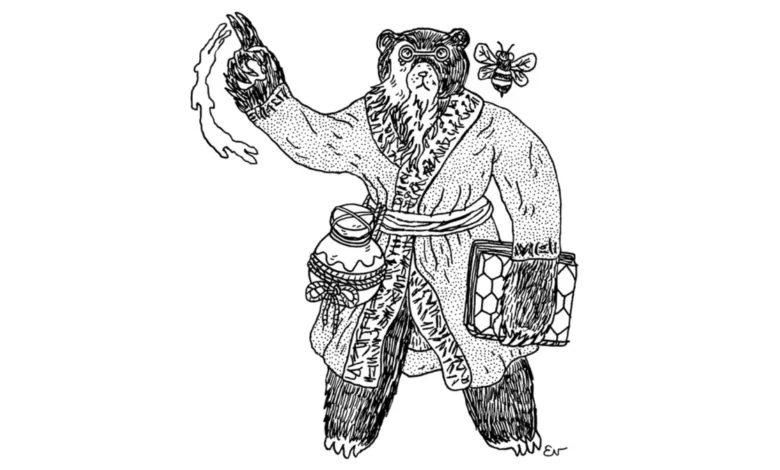
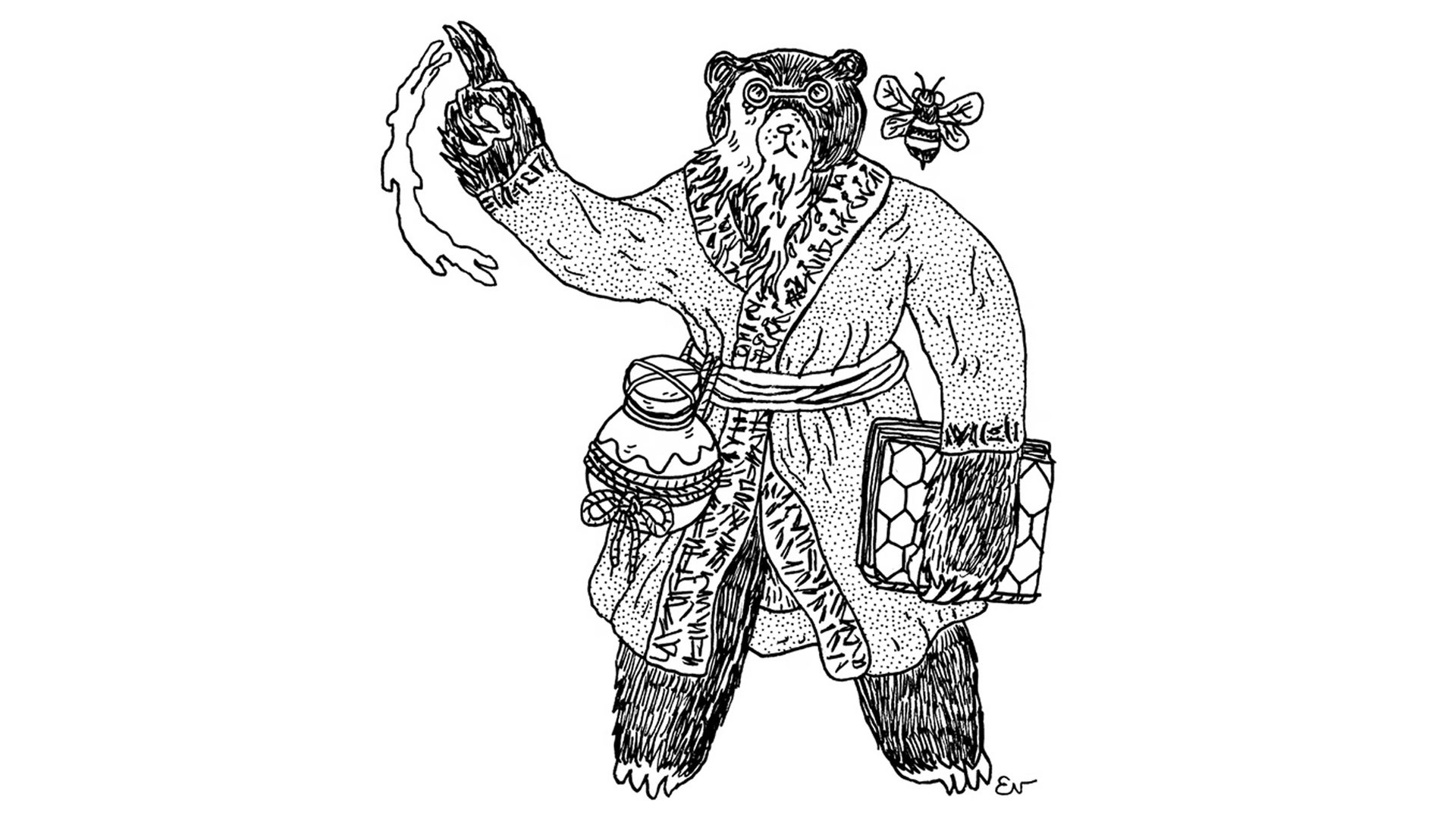
This cultural DNA is further reflected in the visual identity of the game. The artwork, provided by renowned TTRPG illustrator Evlyn Moreau, utilizes a style that is both whimsical and slightly unsettling, fitting the theme of unstable magic. Moreau, who previously gained acclaim for work on Liminal High School, brings a distinct aesthetic that separates the game from the gritty realism or "heroic fantasy" art styles that dominate the industry.
The Creative Team and Portfolio Context
The creator of the game, Sam Armstrong, has established a reputation within the indie TTRPG community for subverting traditional fantasy tropes. Armstrong’s previous work, All Bastard, allowed players to take on the roles of the defeated villains or the bragging heroes who conquered them, showcasing a career-long interest in exploring the less-than-heroic side of fantasy. Additionally, Armstrong’s work on Slasher, a horror-themed RPG, demonstrates a versatility in genre that has been condensed into the tight, accessible package of Hello Wizard I Have a Problem.
The collaboration with Evlyn Moreau is a strategic pairing. Moreau’s blog and previous credits show a deep understanding of the "OSR" (Old School Essentials) and indie zine scenes, which value unique art and streamlined mechanics over corporate polish. This pedigree suggests that while the game is easy to learn, it is built on a foundation of experienced game design and a clear artistic vision.
Crowdfunding and Market Trends
The project is currently in its final stages of funding on Kickstarter, a platform that has become the lifeblood of the independent TTRPG industry. The success of the campaign reflects a broader trend in the gaming world: the rise of "Zine-style" RPGs. These are smaller, more focused games that prioritize a specific "vibe" or mechanical hook over a massive world-building encyclopedia.

The pricing strategy for the game is notably accessible. A digital PDF version is offered at £4 (approximately $5), while a physical copy is priced at £8 (approximately $10). This low barrier to entry is a common tactic for indie developers looking to build a community and ensure their game is actually played rather than just sitting on a shelf as a collector’s item. The fulfillment timeline is also aggressive, with physical copies expected to be delivered as early as June.
Industry analysts note that the TTRPG market has seen a surge in "one-shot" games—titles designed to be played in a single three-to-four-hour session without the need for long-term commitment. Hello Wizard I Have a Problem fits perfectly into this niche, catering to adult players with limited time who still desire the social and creative outlet of roleplaying.
Broader Implications for the TTRPG Landscape
The release of Hello Wizard I Have a Problem highlights a growing divergence in the tabletop industry. On one side, massive corporations are moving toward "Games as a Service" and digital integration. On the other, a vibrant indie scene is doubling down on the "analog" and "improvisational" roots of the hobby.
By focusing on incompetence and failure, Armstrong’s game challenges the "power fantasy" trope that has defined the RPG genre since the 1970s. In many traditional games, the goal is to become an all-powerful being. In Hello Wizard, the character is already all-powerful, but the comedy—and the gameplay—comes from the fact that power is useless without control. This thematic shift aligns with a broader cultural movement toward self-deprecating humor and "relatable" character flaws in media.
Furthermore, the game’s reliance on collective GMing reflects a move toward more democratic gaming tables. By removing the "dictatorial" role of a single Game Master, the game lowers the pressure on any one individual to "perform" or "prepare" for hours before a session. This makes the hobby more inclusive for those who may be intimidated by the traditional responsibilities of running a game.
As the Kickstarter campaign draws to a close, the project stands as a testament to the enduring appeal of collaborative, low-stakes storytelling. Whether players are veteran dungeon crawlers or newcomers to the world of roleplaying, Hello Wizard I Have a Problem offers a structured environment to embrace the absurd and find the humor in total, magical catastrophe. Once the crowdfunding period concludes, the game is expected to transition to Armstrong’s Itch.io page, joining a vast library of independent titles that continue to push the boundaries of what a "game" can be.