Fitbit Air Set to Challenge Whoop with Screenless Design and Accessible Health Tracking

Google is poised to make a significant move in the competitive health and fitness wearable market with the anticipated launch of the Fitbit Air on May 16. This new device, a screenless fitness tracker, signals Google’s direct intent to compete with established players like Whoop, shifting its focus beyond the traditional smartwatch rivalry with the Apple Watch. Leaked supplier and retail data, initially reported by Droid-Life, suggests the Fitbit Air will carry an accessible price tag of approximately $99, positioning it as a potentially disruptive alternative to Whoop’s subscription-based hardware model by offering core health insights without recurring fees for basic data access.
Google’s Strategic Entry into the Screenless Tracker Niche
The unveiling of the Fitbit Air represents a strategic diversification for Google’s wearables division, particularly since its acquisition of Fitbit in January 2021 for an estimated $2.1 billion. This acquisition brought a wealth of health tracking expertise and a dedicated user base under Google’s umbrella, complementing its own Pixel Watch line. While the Pixel Watch series targets the premium smartwatch segment, competing directly with Apple Watch and Samsung Galaxy Watch, the Fitbit Air aims for a different, yet rapidly growing, niche: the minimalist, screenless health tracker. This segment prioritizes continuous, discreet monitoring of vital health metrics over interactive display functionalities, appealing to users who prefer fewer digital distractions on their wrist.
The market for health and fitness wearables has seen robust growth, with IDC reporting global shipments reaching 106.5 million units in the fourth quarter of 2023 alone, driven by increasing health consciousness and technological advancements. Within this broad category, screenless trackers, exemplified by Whoop and Oura Ring, have carved out a loyal following by emphasizing data-driven insights into recovery, sleep quality, and strain, often presented through sophisticated mobile applications. Google’s entry into this specific sub-market with the Fitbit Air is a clear indication that it recognizes the demand for focused, unobtrusive health monitoring.
A Direct Challenge to Whoop’s Business Model
Whoop has built its brand around providing a comprehensive physiological tracking experience, offering its advanced band hardware at no upfront cost to subscribers, who then pay a monthly fee (typically ranging from $30) to access their personalized health data, recovery scores, and coaching insights. This subscription-first model has been highly successful in attracting serious athletes and health enthusiasts willing to invest in continuous, detailed biometric analysis.
The Fitbit Air’s projected pricing strategy directly challenges this paradigm. At an estimated $99 one-time purchase, the device is significantly more affordable than even the cheapest long-term Whoop subscription plan. Crucially, reports suggest that users will gain immediate access to core health insights, such as recovery scores, without additional monthly payments. This approach could significantly lower the barrier to entry for advanced health tracking, making sophisticated data analysis accessible to a much broader demographic who might be hesitant about committing to ongoing subscription fees.
While Google is expected to continue promoting its Fitbit Premium service and AI-powered Health Coach for advanced metrics, personalized guidance, and deeper analytics, the availability of fundamental data post-purchase is a critical differentiator. Fitbit Premium, typically priced at $9.99 per month or $80 per year, offers features like Daily Readiness Score, detailed sleep breakdowns, guided programs, and wellness reports. The Fitbit Air’s model suggests that a baseline level of these insights, particularly the coveted recovery score, will be part of the initial device purchase, reserving only the most advanced or personalized features for the premium tier. This hybrid approach seeks to capture both the value-conscious consumer and the dedicated health enthusiast.
Design Philosophy: Minimalism Meets Customization
In line with its screenless philosophy, the Fitbit Air prioritizes a lightweight, comfortable design focused on continuous wearability. The device is expected to launch in three primary colors: Obsidian (black), Lavender, and Berry, offering users a choice of aesthetic from the outset.
Beyond the device itself, customization appears to be a significant focus, mirroring Google’s strategy with the Pixel Watch, which offers a wide array of interchangeable bands. For the Fitbit Air, several band options are rumored to be available, catering to different activities and styles:
- Performance Loop Band: Available in Obsidian, Fog, Lavender, and Berry, likely designed for active use and breathability.
- Active Band: Offered in Obsidian, Fog, Berry, and Lavender, possibly a versatile everyday option.
- Elevated SoftFlex Band: Featuring Obsidian, Moonstone, and Porcelain, suggesting a more premium or fashion-oriented choice.
- Metal Mesh Band: In Silver and Warm Gold, providing an elegant, sophisticated alternative.
While it remains unclear which band will be included as standard with the device, the Active Band in Obsidian is a likely candidate, balancing versatility with a classic aesthetic. The small detail of the charging cable being offered in Snow white also underscores a cohesive design language, suggesting a thoughtful approach to the entire user experience, even down to accessories. This emphasis on customization allows users to personalize their device to suit their individual style and activity needs, further enhancing its appeal as a lifestyle accessory rather than just a functional gadget.
Core Tracking Capabilities: The Power of Data Without a Display
Without a screen, the Fitbit Air’s utility hinges entirely on its ability to accurately collect and transmit health data to the accompanying Fitbit app. The device is expected to focus on continuous monitoring of several key metrics:
- Sleep Tracking: Comprehensive analysis of sleep stages (light, deep, REM), duration, and interruptions, providing insights into sleep quality and patterns.
- Heart Rate Tracking: Continuous monitoring of heart rate, including resting heart rate, a key indicator of cardiovascular health and recovery.
- Heart Rate Variability (HRV): A crucial metric for assessing the autonomic nervous system’s balance, directly correlating with stress levels, recovery status, and overall well-being. A higher HRV generally indicates better recovery and adaptability.
- Activity Tracking: Monitoring steps, calories burned, active zone minutes, and potentially specific exercise recognition, providing a holistic view of daily movement and exertion.
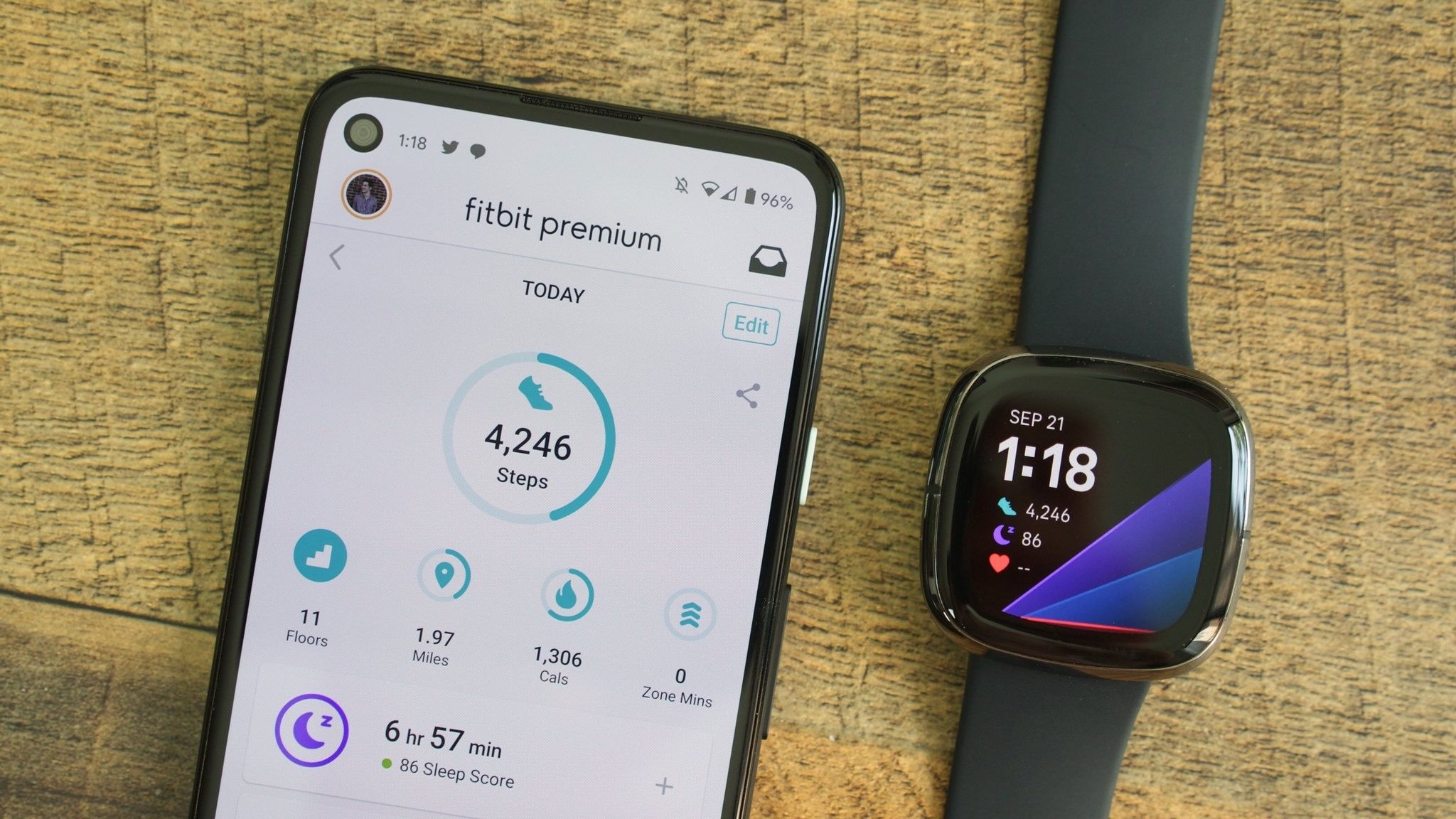
All collected data will be seamlessly synced to the Fitbit app, which serves as the primary interface for users to visualize their metrics, understand trends, and receive personalized insights. The app’s dashboard will likely be redesigned or optimized to present this screenless device’s data in an intuitive and actionable manner, emphasizing trends, recovery scores, and long-term health patterns. This reliance on a robust and user-friendly app is paramount for the success of any screenless wearable, as it transforms raw data into meaningful health intelligence.
The Broader Wearables Market and Competitive Landscape
Google’s entry with the Fitbit Air further fragments the already diverse wearables market. While Apple dominates the smartwatch segment, and Garmin holds a strong position in sports-specific and outdoor watches, the dedicated health tracker space is increasingly specialized. Whoop has cultivated a premium segment, while Oura Ring offers another discreet, data-rich experience, albeit with a focus on finger-based tracking. Traditional Fitbit devices like the Charge series have long offered a middle ground between basic trackers and smartwatches.
The Fitbit Air’s strategy of offering a screenless, data-focused device at a competitive one-time price could put pressure on Whoop to re-evaluate its subscription model or enhance its value proposition. It also validates the concept that a significant portion of the market values discreet, continuous health monitoring over the notifications and app interactions offered by smartwatches. Industry analysts suggest that this move could accelerate the trend towards more specialized wearables, where devices are designed for specific health goals rather than general-purpose utility. For example, "The market is maturing beyond just step counting," noted an analyst from TechInsight Research. "Consumers are seeking deeper physiological insights, and Google’s move with the Fitbit Air acknowledges this demand while also making it more affordable."
Implications for Consumers and the Future of Health Tracking
For consumers, the Fitbit Air presents a compelling new option. It offers a solution for those experiencing "screen fatigue" from constant digital interactions but still desire advanced health insights. The one-time payment model for core features could also appeal to a broader audience, including younger users or those on a tighter budget, who might be deterred by recurring subscription costs. This could democratize access to the kind of detailed recovery and sleep data previously reserved for more expensive, subscription-based devices.
However, the success of the Fitbit Air will depend on several factors:
- Accuracy of Sensors: Without a screen to offer immediate feedback, the reliability of the underlying sensors for heart rate, HRV, and sleep tracking is paramount.
- Battery Life: Continuous tracking demands excellent battery longevity, especially for a device designed to be worn constantly.
- App Experience: The Fitbit app must be intuitive, insightful, and responsive to effectively communicate the data collected by the screenless device.
- Premium Tier Value: Google will need to clearly differentiate the value of its Fitbit Premium subscription to encourage upgrades while ensuring the free tier remains robust enough to satisfy initial users.
This launch also highlights the ongoing evolution of Google’s health strategy. By integrating Fitbit’s hardware and software expertise more deeply into its ecosystem, Google is building a comprehensive suite of health tools, from smartwatches to minimalist trackers, designed to cater to diverse user needs and preferences. The Fitbit Air is not just a new device; it’s a statement about Google’s vision for accessible, data-driven personal health management, potentially reshaping consumer expectations for what a fitness tracker can be.
A Brief Chronology of Google’s Wearables Journey:
- 2007: Fitbit founded, pioneering consumer fitness trackers.
- 2019: Google announces intent to acquire Fitbit.
- January 2021: Google completes its acquisition of Fitbit for $2.1 billion, marking a significant entry into the health and fitness hardware market.
- October 2022: Google launches the original Pixel Watch, its first in-house smartwatch, deeply integrating Fitbit health features.
- October 2023: Google releases the Pixel Watch 2, refining its smartwatch offering with improved sensors and performance.
- April 2026 (Reported): Droid-Life uncovers supplier and retail data for the "Fitbit Air."
- May 16 (Anticipated): Google expected to officially launch the Fitbit Air.
In conclusion, the impending launch of the Fitbit Air on May 16 marks a pivotal moment for Google and the broader wearables industry. By offering a screenless, data-focused fitness tracker at an aggressive price point and with accessible core features, Google is not merely expanding its product portfolio; it is directly challenging established business models and democratizing advanced health insights. This strategic move could redefine consumer expectations for health wearables, emphasizing continuous, unobtrusive monitoring and intelligent data interpretation, all within a more financially accessible framework. The impact on competitors like Whoop, and the overall trajectory of personal health technology, will be closely watched.