Apple Deploys Third Developer Betas for iPadOS 26.5, watchOS 26.5, tvOS 26.5, and visionOS 26.5 as Major Annual Updates Loom

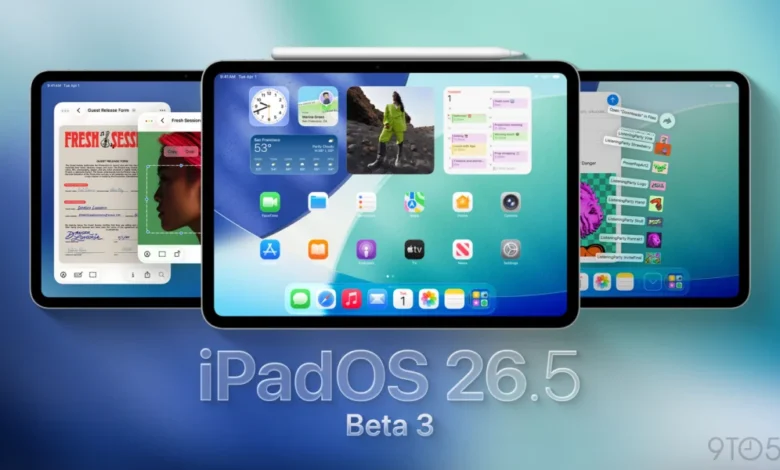
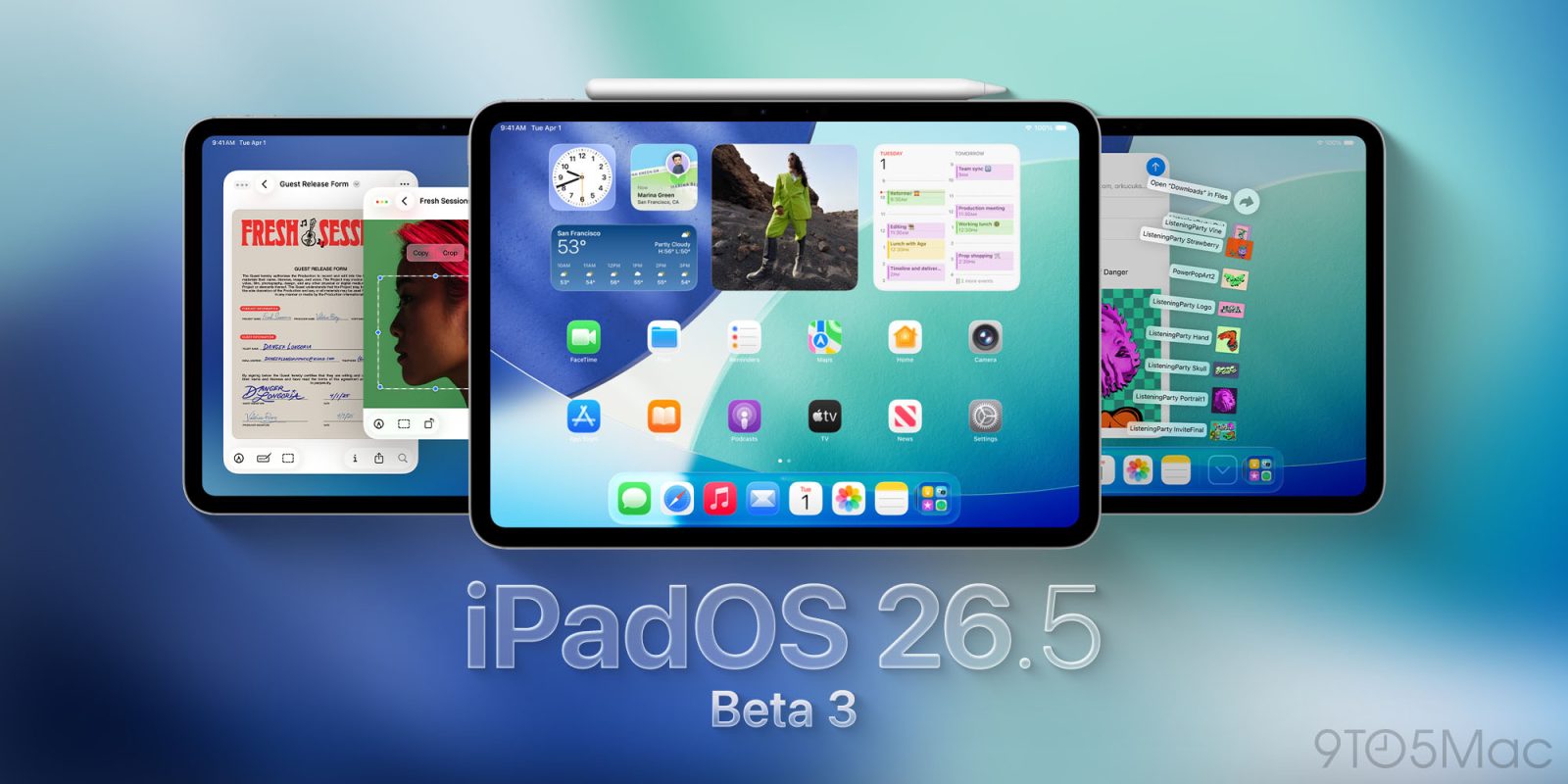
Apple has initiated another significant phase in its software development cycle, releasing the third developer betas for iPadOS 26.5, watchOS 26.5, tvOS 26.5, and visionOS 26.5. This latest round of updates signals the company’s meticulous progression towards public releases, anticipated within the coming weeks, and serves as a crucial interim step before the unveiling of its next generation of operating systems at the annual Worldwide Developers Conference (WWDC) in June. These x.5 updates typically focus on refinement, stability improvements, and the integration of select new features, rather than comprehensive overhauls, as Apple’s development teams increasingly shift focus to the major annual releases.
The Strategic Cadence of Apple’s Software Development
The release of developer beta 3 across multiple platforms underscores Apple’s structured approach to software deployment. Beta programs are a cornerstone of this strategy, allowing developers to test upcoming features, identify bugs, and ensure app compatibility well in advance of public release. This iterative process, involving several beta builds, is critical for maintaining the stability and performance expected by millions of users globally. Developer betas are typically followed by public betas, providing a broader testing pool before the final, stable version is rolled out to all compatible devices.
Apple’s software release schedule generally follows a predictable pattern: major new operating systems (e.g., iOS 26, macOS 15) are announced at WWDC in June, undergo extensive beta testing through summer, and are publicly released in the fall, often coinciding with new hardware launches. The x.5 updates, such as the current 26.5 series, are released in the spring, serving as significant mid-cycle enhancements. These updates often incorporate features that were not ready for the initial fall release, address critical security vulnerabilities, or introduce support for new services or minor hardware revisions. The current 26.5 betas, therefore, represent the culmination of features and fixes destined for the spring 2026 public rollout, bridging the gap between the major fall 2025 releases and the highly anticipated announcements at WWDC 2026.
A Closer Look at the Platforms Receiving Updates

The suite of platforms receiving developer beta 3 updates highlights Apple’s expansive ecosystem:
- iPadOS 26.5: The operating system for Apple’s tablet lineup continues to evolve, pushing the iPad further into professional and creative workflows while maintaining its accessibility for everyday use. Updates to iPadOS often focus on multitasking enhancements, improved Apple Pencil functionality, and refinements to the user interface to better leverage the larger screen real estate. Given the typical nature of x.5 updates, improvements in performance, battery life, and security patches are expected, alongside any minor feature additions. The iPad market, a significant segment of Apple’s hardware sales, relies heavily on software innovation to differentiate itself in a competitive tablet landscape. According to recent market analysis, the iPad continues to hold a dominant share in the premium tablet segment, with software updates playing a critical role in user retention and ecosystem lock-in.
- watchOS 26.5: Powering the Apple Watch, watchOS updates frequently introduce new health monitoring features, workout modes, and improvements to existing complications and watch faces. As the Apple Watch cemented its position as a leading wearable device, particularly in health and fitness, watchOS enhancements are closely watched by users and health professionals alike. For a 26.5 update, general performance optimization, stability fixes for existing features, and potentially minor new health metrics or connectivity improvements are plausible. The Apple Watch’s continuous evolution through software updates is key to its sustained market leadership in the smartwatch category, where user experience and the breadth of health features are paramount.
- tvOS 26.5: Dedicated to the Apple TV, tvOS focuses on enhancing the home entertainment experience. Updates often include refinements to the user interface, improvements in content discovery, and integration with Apple’s services like Apple Arcade, Apple Fitness+, and Apple Music. While often considered a more minor platform in terms of new features compared to iOS or iPadOS, tvOS updates are crucial for maintaining a seamless and intuitive media consumption experience. Stability, security, and compatibility with new streaming standards or accessories are typical targets for a .5 release.
- visionOS 26.5: The newest entrant to Apple’s operating system family, powering the Apple Vision Pro spatial computer, visionOS is still in its nascent stages. As such, any updates, even minor ones like a .5 release, are critical for refining the core user experience, addressing early bugs, and improving performance for a novel computing paradigm. Given the groundbreaking nature of the Vision Pro, stability, spatial interaction refinements, and developer tooling improvements are likely priorities. Each visionOS update carries significant weight as Apple builds out its vision for spatial computing, attracting developers and users to this new platform.
Anticipation Builds for WWDC 2026 and iOS 27
The 26.5 software lineup is widely considered to be the final set of noteworthy updates before Apple’s primary focus shifts entirely to the next generation of operating systems, slated for unveiling at WWDC 2026. Apple officially announced WWDC 2026 for June 8, an event that traditionally serves as the platform for revealing the company’s software roadmap for the coming year. Developers and tech enthusiasts eagerly await the keynote address, where iOS 27, iPadOS 27, watchOS 27, tvOS 27, macOS 16, and potentially visionOS 2.0 are expected to be unveiled.
WWDC is not just a showcase for new features; it’s a critical moment for the developer community. Apple provides developers with early access to the new operating systems, along with updated tools, APIs, and frameworks, enabling them to adapt their applications and innovate with the latest technologies. The insights gained from the 26.5 betas, including bug reports and performance data, will undoubtedly feed into the development of the 27 series, ensuring a more robust foundation for the next major release cycle. The period leading up to WWDC is characterized by intense speculation regarding new features, design changes, and potential hardware announcements, making the 26.5 releases a significant precursor to the main event.
Feature Spotlight: Key Enhancements in the 26.5 Lineup
While x.5 updates are generally "lighter" on groundbreaking new features, the 26.5 lineup has already revealed several notable additions that promise to enhance user experience. These include significant improvements to Apple Maps and a monumental shift in the Messages app with the adoption of end-to-end encrypted Rich Communication Services (RCS).
Apple Maps: Enhancing Navigation and Discovery
Apple Maps has been undergoing a continuous evolution since its initial, often-criticized launch. The company has invested heavily in rebuilding its underlying data, improving detail, and introducing advanced features. With iOS 26.5, a "Suggested Places" feature has been identified, further enhancing the app’s utility. This new functionality is expected to leverage user location data, search history, and potentially machine learning to offer personalized recommendations for points of interest, restaurants, shops, and other destinations.
This enhancement aligns with a broader industry trend towards personalized discovery and intelligent assistance in mapping applications. Competitors like Google Maps have long offered sophisticated recommendation engines, and Apple’s move to bolster its "Suggested Places" feature indicates a commitment to catching up and even surpassing rivals in localized content discovery. For users, this means a more proactive and intuitive navigation experience, helping them explore their surroundings more effectively. For businesses, it opens new avenues for visibility within the Apple ecosystem. The ongoing refinement of Apple Maps is crucial for Apple to maintain a competitive edge in the navigation sector, a domain critical for many users’ daily lives and integrated deeply into the overall Apple experience, from Siri to CarPlay.
The RCS Revolution: A Landmark Shift for Messages
Perhaps the most impactful change confirmed for the 26.5 lineup is the support for end-to-end encrypted RCS messaging within the Messages app. This represents a significant policy shift for Apple, which has historically resisted adopting the RCS standard in favor of its proprietary iMessage protocol. RCS, or Rich Communication Services, is a modern messaging standard designed to replace the aging SMS/MMS protocols. It offers a richer messaging experience, including high-resolution photos and videos, audio messages, typing indicators, read receipts, and improved group chats, bringing features similar to those found in iMessage or third-party apps like WhatsApp and Telegram.
For years, the distinction between iMessage (blue bubbles) and SMS/MMS (green bubbles) on iPhones has been a point of contention, particularly in cross-platform communication with Android users. The "green bubble" experience has been limited, lacking modern messaging features and often perceived as inferior. Apple’s staunch adherence to iMessage has drawn criticism from Google, which actively promotes RCS, and has even been cited in regulatory discussions, notably in the European Union, regarding digital market gatekeepers.

Apple’s decision to adopt RCS, specifically with end-to-end encryption, is a monumental development. It signifies a strategic move to improve interoperability between iPhone and Android users while addressing privacy concerns. By implementing end-to-end encryption for RCS, Apple extends a crucial security feature that has long been a hallmark of iMessage to cross-platform communications, thus enhancing user privacy regardless of the device they use. This move could alleviate pressure from regulators and improve the messaging experience for millions globally, reducing the perceived social stigma associated with "green bubbles" and fostering a more unified messaging landscape. While iMessage will continue to offer its proprietary features for Apple-to-Apple communication, the integration of encrypted RCS closes a significant gap in cross-platform messaging, potentially reshaping how users interact across device ecosystems.
The Developer Ecosystem’s Role and User Impact
The ongoing beta releases are vital for Apple’s extensive developer community. With each beta, developers gain crucial insights into the stability and performance of the upcoming software. This allows them to proactively update their applications, ensuring compatibility and leveraging new APIs or features introduced in the 26.5 updates. Early access helps prevent app crashes, optimizes performance, and provides a smoother transition for end-users once the public release arrives. Developers are actively testing these beta 3 builds, looking for any unexpected behaviors, performance regressions, or new functionalities that might not have been explicitly detailed by Apple. Their feedback, submitted through Apple’s developer channels, is instrumental in identifying and resolving issues before the software reaches a wider audience.
For end-users, these betas signify that a polished, feature-enhanced version of their device’s operating system is just around the corner. While the 26.5 updates may not introduce radical redesigns, the cumulative effect of stability improvements, performance optimizations, and targeted feature enhancements like those in Maps and Messages significantly contributes to a better daily user experience. The adoption of encrypted RCS, in particular, is poised to have a tangible and positive impact on cross-platform communication, an area where Apple has faced considerable public and regulatory scrutiny.
Looking Ahead: The Road to Major Annual Updates
As Apple finalizes the 26.5 software cycle, the focus within Cupertino will increasingly shift to the ambitious projects destined for the 27 series. The current betas serve as a testament to Apple’s continuous development philosophy, where even interim updates bring meaningful improvements and set the stage for future innovation. The impending public release of the 26.5 updates will provide users with a refined and more capable software experience, while simultaneously building anticipation for the groundbreaking announcements expected at WWDC 2026. The journey from beta 3 to a global public release is a testament to the complex, multi-faceted process of delivering world-class software across a diverse and rapidly evolving hardware ecosystem.