The Certified Re-Newed Program: A Commitment to Quality
Samsung’s "Re-Newed" program distinguishes itself from third-party refurbished markets by leveraging the company’s internal supply chain and technical expertise. Every device sold under this banner undergoes a rigorous inspection process conducted directly by Samsung engineers. According to the company’s official documentation, these units are equipped with brand-new batteries—a critical component for longevity—and replaced with authentic factory components where necessary.
Furthermore, every Re-Newed device comes with the latest version of the One UI software, factory-unlocked to ensure compatibility across major carriers. By providing a one-year manufacturer warranty, Samsung seeks to bridge the trust gap often associated with the secondary electronics market, positioning its refurbished inventory as a premium alternative to the uncertainty of private-party sales.
Pricing Structure and Market Availability
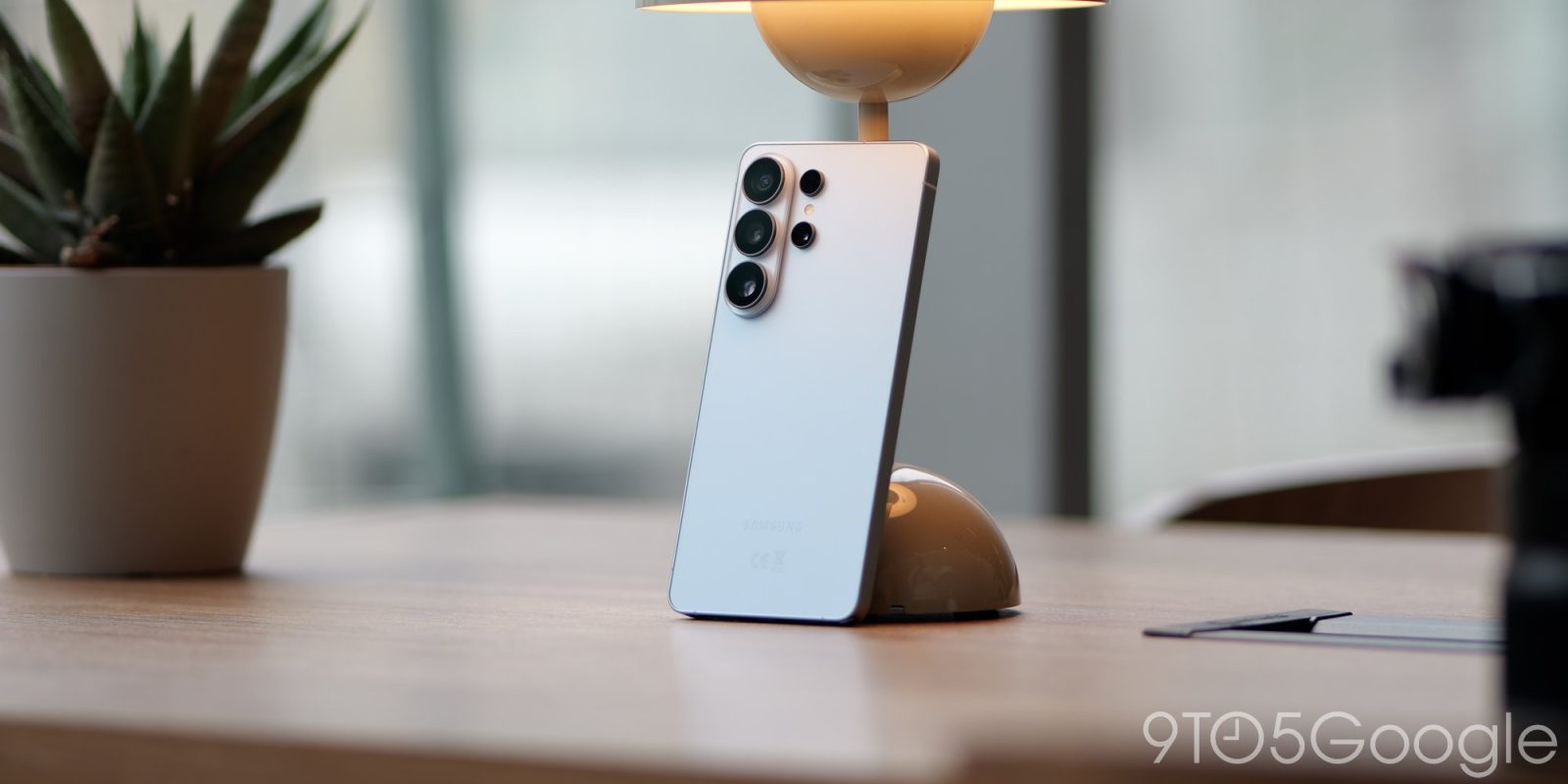
The inclusion of the Galaxy S26 series brings the latest mobile technology to a more accessible price bracket. While the standard Galaxy S26, S26+, and S26 Ultra models command premium prices upon their initial release, the Re-Newed program offers a compelling entry point for users who prioritize value without sacrificing the modern feature set of the latest generation.
The pricing for the Re-Newed Galaxy S26 starts at $699 for the 256GB model, a notable discount from the $899 launch price for a brand-new unit. The Galaxy S26 Ultra, which has garnered significant praise for its advanced camera system and display technology, is priced at $1,099 in its refurbished state, compared to its original $1,299 MSRP. These prices represent a consistent $200 savings across the board for available models. Currently, the Galaxy S26+ is notably absent from the initial rollout, though industry analysts suggest that inventory for the mid-tier model will likely be introduced to the Re-Newed store as return cycles progress throughout the year.
This expansion complements the existing portfolio of refurbished hardware on Samsung’s official website, which currently includes the Galaxy S23 and S25 series, with base models starting as low as $439. The company also maintains a robust inventory of foldable devices, such as the Galaxy Z Flip 5, with entry-level pricing starting at $649.
Contextualizing the Timing: Market Pressures and Economic Strategy
The timing of this announcement is particularly noteworthy given the broader context of the smartphone industry in 2026. The tech sector has faced increasing pressure from global supply chain fluctuations and shifting consumer spending habits. By offering refurbished flagships, Samsung is effectively segmenting its market to capture users who might otherwise turn to older, cheaper models or competing brands.
Simultaneously, reports have circulated regarding a potential price hike for the Galaxy S26 series scheduled for October 2026. If these rumors hold true, the current availability of discounted Re-Newed models serves as a strategic hedge for the company. It allows Samsung to maintain volume sales even if the cost of new manufacturing rises due to component shortages or inflationary pressures. By diversifying its offerings, the company remains relevant to both the premium early-adopter demographic and the pragmatic, value-driven consumer.
A Chronology of the Galaxy S26 Lifecycle
The lifecycle of the Galaxy S26 series has been defined by rapid innovation and a aggressive release cadence. Since the launch of the series earlier this year, the devices have been subject to several firmware updates designed to optimize the integration of artificial intelligence features and hardware performance.
- Early 2026: Samsung officially unveils the Galaxy S26, S26+, and S26 Ultra at its annual global launch event. The series receives critical acclaim for its architectural efficiency and low-light camera performance.
- Mid-2026: Following the standard market lifecycle, the volume of trade-ins and returns begins to rise as early adopters transition to the latest firmware and hardware iterations.
- Current Date: Samsung formally announces the inclusion of the S26 series into the Certified Re-Newed program, effectively recycling initial-wave units that have passed stringent quality assurance testing.
- October 2026 (Projected): Industry analysts anticipate a potential price correction or shift in retail strategy for the series, possibly coinciding with the release of secondary regional hardware variants.
Analysis: Implications for the Refurbished Market
The move by Samsung signals a shift in how major original equipment manufacturers (OEMs) perceive the secondary market. Historically, phone makers were hesitant to promote refurbished sales for fear of cannibalizing new product shipments. However, the current economic climate has forced a pivot. By controlling the refurbishment process, Samsung achieves three primary objectives:
- Brand Loyalty: It provides a pathway for customers who might be priced out of the flagship experience to join the Samsung ecosystem, creating long-term brand affinity.
- Sustainability Goals: As part of its broader environmental, social, and governance (ESG) commitments, Samsung’s promotion of refurbished devices reduces electronic waste by extending the functional life of high-performance hardware.
- Revenue Diversification: The Re-Newed program creates a recurring revenue stream that is independent of new hardware release cycles, providing the company with a more stable financial buffer during months of low consumer spending.
Industry and Consumer Reaction
While Samsung has not released specific sales figures for the Re-Newed program, market sentiment suggests that consumer confidence in manufacturer-backed refurbishment is at an all-time high. Unlike third-party retailers, which often provide limited warranties and vary in the quality of replacement parts, the Samsung "Certified" badge acts as a guarantee of performance parity.
"The expansion of the Re-Newed program is a logical response to the maturity of the smartphone market," says an analyst at a leading technology research firm. "Consumers are holding onto their devices for longer periods. By offering a high-quality, refurbished flagship, Samsung isn’t just selling a phone; they are managing the total cost of ownership for their user base, which is vital in a competitive landscape."

Broader Impact on the Ecosystem
The availability of these models through Samsung.com exclusively is a deliberate choice to maintain control over the consumer experience. By avoiding third-party marketplace markups and ensuring that all transactions occur within their own retail infrastructure, Samsung can offer direct technical support, seamless integration with their trade-in offers, and the ability to upsell services like Samsung Care+.
As the year progresses, the inclusion of the Galaxy S26 into the refurbished ecosystem will likely put downward pressure on the resale value of these devices on secondary platforms like eBay or Swappa. For the average consumer, however, the direct-from-manufacturer option provides a safer and more predictable path to owning the latest technology.
Looking Ahead
As Samsung continues to refine its Re-Newed strategy, industry observers will be watching to see if the company expands the program to include its premium tablet and wearable lines. With the market for refurbished electronics projected to grow significantly over the next three years, Samsung’s current positioning suggests a long-term commitment to this business model.
Consumers interested in the current inventory are advised to monitor the Samsung official website, as stock for specific colorways and storage capacities is subject to availability and turnover. With the potential for market-wide price adjustments on the horizon, the current availability of the Galaxy S26 Ultra at a $200 discount represents one of the most significant value propositions currently available in the flagship smartphone segment. Whether this strategy will successfully mitigate the impact of rumored upcoming price hikes remains to be seen, but it undoubtedly provides a robust solution for the current generation of mobile users.