Tim Cook to Step Down as Apple CEO in 2026; John Ternus Named Successor

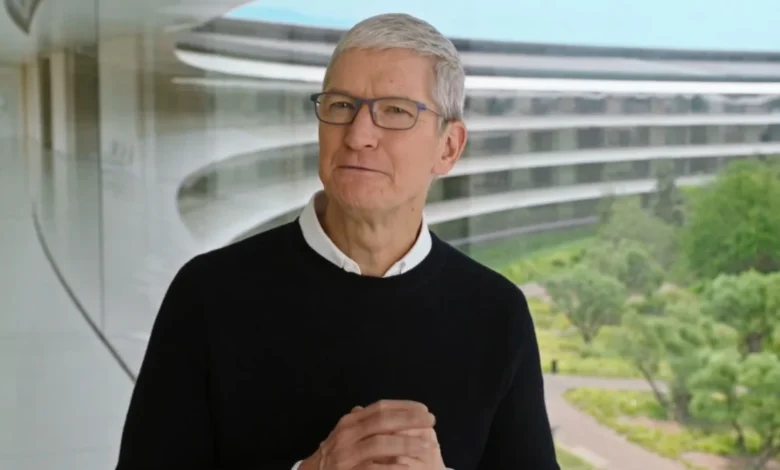
Apple Inc. has officially announced a significant leadership transition, with Chief Executive Officer Tim Cook slated to step down from his role, paving the way for John Ternus, the company’s Senior Vice President of Hardware Engineering, to assume the CEO position on September 1, 2026. This carefully planned succession marks a pivotal moment for the technology giant, signaling the end of an era defined by unprecedented growth and diversification under Cook’s stewardship and ushering in a new chapter under a leader with a deep background in hardware innovation. The announcement, which includes Cook’s initial departure from his current duties "this year" followed by a multi-year transition period leading up to Ternus’s full assumption of the CEO role, reflects Apple’s methodical approach to leadership changes, designed to ensure stability and continuity for one of the world’s most valuable companies.
A Legacy of Growth and Diversification: Tim Cook’s Tenure
Tim Cook’s ascension to CEO in August 2011, following the passing of Apple co-founder Steve Jobs, was met with widespread skepticism regarding the company’s ability to maintain its innovative edge. Jobs’s visionary leadership had become synonymous with Apple, and many questioned whether anyone could fill those shoes. However, Cook not only stabilized the company but propelled it to extraordinary new heights. Under his leadership, Apple transformed from a leading consumer electronics company into a diversified global powerhouse, boasting a market capitalization that soared from approximately $350 billion at the start of his tenure to surpassing $3 trillion at its peak, making it the first company in history to achieve such a valuation.
Cook’s strategic focus centered on operational excellence, global expansion, and a significant push into services. He meticulously optimized Apple’s supply chain, a domain where he had already proven his expertise as Chief Operating Officer, allowing the company to efficiently scale production of its flagship products like the iPhone. While no entirely new product category reached the revolutionary status of the iPhone, Cook oversaw the successful introduction and rapid growth of products such as the Apple Watch and AirPods, which became market leaders in their respective segments. More importantly, he orchestrated a dramatic shift towards services, transforming Apple’s business model from one primarily reliant on hardware sales to a robust ecosystem generating substantial recurring revenue. The App Store, Apple Music, Apple TV+, iCloud, and Apple Pay collectively grew into a multi-billion-dollar segment, providing a stable revenue stream and increasing customer loyalty. In fiscal year 2023, Apple’s services revenue alone reached over $85 billion, a testament to this strategic pivot.
Beyond financial metrics, Cook championed corporate social responsibility, placing a strong emphasis on privacy, environmental sustainability, and human rights. Apple committed to powering its operations with 100% renewable energy, invested heavily in recycling technologies, and became a vocal advocate for user data privacy, often clashing with governments and competitors over these principles. His leadership style, characterized by calm pragmatism and an unwavering commitment to Apple’s core values, has earned him respect both within the company and across the industry.
The Dawn of a New Era: John Ternus’s Ascent
The selection of John Ternus as the next CEO signals Apple’s continued emphasis on product excellence and hardware innovation. Ternus, who joined Apple in 2001, has steadily risen through the ranks, becoming Senior Vice President of Hardware Engineering in 2021. In this critical role, he has been instrumental in overseeing the development of virtually all of Apple’s core hardware products, including the iPhone, iPad, Mac, AirPods, and more recently, the groundbreaking Apple Vision Pro. His extensive experience places him at the forefront of Apple’s product development cycle, giving him an intimate understanding of the company’s technological roadmap and its capabilities.
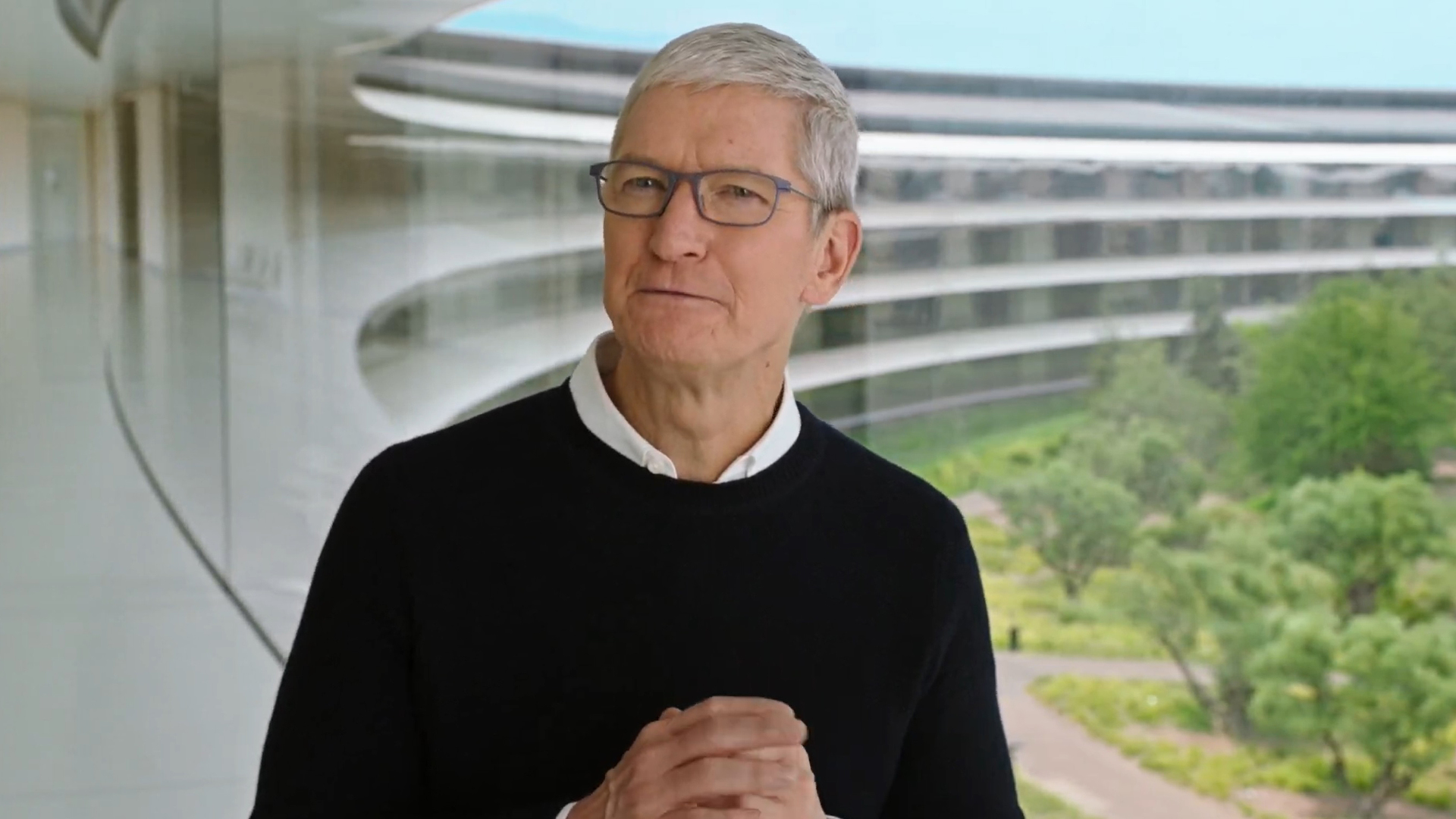
Ternus is known internally for his meticulous attention to detail, deep technical knowledge, and collaborative leadership style. He has frequently appeared at Apple’s product launch events, showcasing new Macs and other devices, demonstrating a clear ability to articulate Apple’s vision for its hardware. His background as an engineer contrasts somewhat with Cook’s operational expertise and Jobs’s visionary product intuition, suggesting a leadership that might prioritize iterative, high-quality hardware evolution combined with a strong integration of software and services. This continuity in focusing on the synergy between hardware and software is crucial for Apple’s ecosystem strategy.
The choice of an internal candidate like Ternus aligns with Apple’s historical preference for promoting from within, ensuring that the company’s unique culture and strategic direction are maintained. This approach minimizes disruption and leverages deep institutional knowledge, crucial for navigating the complexities of the global technology market.
A Deliberate Transition: The Path to September 2026
The announcement of Cook stepping down "this year" and Ternus taking over in September 2026 suggests a carefully orchestrated, multi-year succession plan. This extended transition period is highly unusual for a company of Apple’s size but offers several strategic advantages. It allows Cook to gradually hand over responsibilities, mentor Ternus, and ensure a seamless transfer of leadership without abrupt changes that could unsettle investors or employees. During this time, Cook might assume a new role, such as Chairman of the Board, or serve as a strategic advisor, providing continuity and leveraging his vast experience.
This phased approach enables Ternus to gain broader executive experience beyond hardware, immersing himself in the intricacies of Apple’s services division, global operations, finance, and marketing. It also provides ample time for the Apple Board of Directors to observe the transition, ensuring that Ternus is fully prepared to lead a company of Apple’s immense scale and complexity. Such a long lead time could also be indicative of major strategic initiatives or product launches in the pipeline that the current leadership wants to see through or prepare Ternus to manage.
For investors, a planned and extended transition period typically provides reassurance, minimizing uncertainty and demonstrating robust corporate governance. It allows the market to gradually adjust to the change rather than reacting to a sudden departure.
Broader Impact and Implications

The leadership change at Apple carries significant implications for the technology industry, the company’s strategic direction, and its competitive standing.
- Market Reaction and Investor Confidence: While initial market reactions might see some fluctuations, a planned succession usually mitigates significant negative impacts. Investors will be keen to hear more about Ternus’s specific vision for Apple, especially concerning future growth engines beyond the iPhone. The stability offered by Cook’s continued presence during the transition period is likely to be viewed positively.
- Product Strategy and Innovation: With Ternus, an engineer by trade, at the helm, there could be an even stronger emphasis on cutting-edge hardware development and the integration of emerging technologies like artificial intelligence and spatial computing. The success of the Apple Vision Pro, a product Ternus was deeply involved with, suggests a willingness to push into new, complex categories. The challenge will be to balance this hardware focus with the continued growth of Apple’s highly profitable services division.
- Competitive Landscape: Rivals will closely watch for any shifts in Apple’s strategy. A change in leadership could present opportunities for competitors if Apple falters, but a strong, internal successor like Ternus is likely to maintain Apple’s aggressive competitive stance. The ongoing battles in areas like AI, streaming services, and potentially automotive will continue to define the tech industry, and Apple’s leadership will be crucial.
- Corporate Culture and Values: While Cook diligently preserved and evolved Apple’s unique culture, Ternus will face the challenge of imprinting his own leadership style while maintaining the company’s core values of design excellence, innovation, and user experience. His deep roots within Apple suggest continuity, but every leader brings a fresh perspective.
- Global Geopolitics and Supply Chain: Tim Cook was renowned for his expertise in navigating complex global supply chains and geopolitical tensions, particularly concerning manufacturing in China. Ternus will inherit these challenges and will need to demonstrate similar acumen in managing Apple’s vast international operations and diversifying its supply chain in an increasingly fragmented world.
Official Responses and Industry Perspectives (Inferred)
While no direct statements beyond the initial announcement have been provided, the following reactions can be logically inferred:
- Apple Board of Directors: The Board is expected to issue statements expressing profound gratitude for Tim Cook’s transformative leadership, acknowledging his role in making Apple the world’s most valuable company. Simultaneously, they would voice their full confidence in John Ternus, highlighting his long tenure, deep product expertise, and proven leadership as the ideal choice to guide Apple into its next chapter of innovation and growth.
- Tim Cook: Cook would likely reflect on his privilege to lead Apple for over a decade, expressing immense pride in the company’s achievements, its commitment to innovation, and its positive impact on the world. He would undoubtedly convey his unwavering belief in Ternus’s capabilities and Apple’s future success, emphasizing the strength of the leadership team and the company’s enduring mission.
- John Ternus: Upon the formal announcement, Ternus would likely express deep honor and humility in taking on such a monumental role. He would reaffirm his commitment to Apple’s core values, its relentless pursuit of innovation, and its dedication to creating products that enrich people’s lives. His statements would likely emphasize collaboration and building upon the strong foundation laid by his predecessors.
- Industry Analysts: The news is expected to generate extensive analysis from financial and technology industry experts. Many will laud Cook’s extraordinary achievements and the strategic wisdom of a planned, internal succession. Questions will arise regarding Ternus’s vision for AI, potential new product categories, and how he plans to sustain Apple’s growth trajectory in a maturing smartphone market. Analysts will scrutinize the implications for Apple’s stock price and its long-term competitive strategy.
Chronology of Key Leadership Events at Apple
- 1997: Steve Jobs returns to Apple, initiating a remarkable turnaround.
- 1998: Tim Cook joins Apple as Senior Vice President for Worldwide Operations.
- 2001: John Ternus begins his career at Apple.
- 2007: Apple introduces the iPhone, revolutionizing the mobile industry.
- 2009: Tim Cook serves as interim CEO while Steve Jobs takes medical leave.
- August 2011: Steve Jobs resigns as CEO, recommending Tim Cook as his successor. Cook officially becomes CEO.
- October 2011: Steve Jobs passes away.
- 2014: Apple introduces the Apple Watch, marking a new product category under Cook’s leadership.
- 2016: Apple releases AirPods, quickly dominating the wireless earbud market.
- 2019: Apple launches Apple TV+ and Apple Arcade, significantly expanding its services portfolio.
- 2020: Apple announces its transition to custom-designed M-series chips for Macs, a major hardware initiative.
- 2021: John Ternus is promoted to Senior Vice President of Hardware Engineering, overseeing development of all core hardware products.
- 2023: Apple unveils the Apple Vision Pro, its entry into spatial computing, with Ternus playing a key role in its development.
- Current Year (Implied 2024): Apple announces Tim Cook will step down from CEO duties this year, initiating a transition period.
- September 1, 2026: John Ternus officially assumes the role of Chief Executive Officer of Apple Inc.
This meticulously planned succession underscores Apple’s enduring commitment to long-term vision and stability. As Tim Cook prepares to conclude his transformative tenure, the company looks to John Ternus to steer its formidable innovation engine into the next generation of technology, building upon a legacy of design, quality, and unparalleled user experience. The coming years will be crucial in defining the contours of Apple under its new leadership, as it navigates evolving technological landscapes and global market dynamics.