Project Hail Mary and Other Essential Cinematic Tests for Your Home Entertainment System


When the editorial team at What Hi-Fi? evaluates the latest in television and audio-visual equipment, a rigorous testing process is employed. This involves subjecting each system to a diverse array of content, ranging from blockbuster cinematic spectacles to intimate independent films. The goal is to ensure a comprehensive assessment, pushing each system to its limits to accurately gauge its performance across various technical and artistic merits. While the allure of revisiting established favorites like Blade Runner 2049, Civil War, and Alien: Romulus is undeniable, the continuous influx of new films and television series necessitates an open embrace of fresh content to maintain a dynamic and relevant testing methodology. These new releases not only offer novel viewing experiences but also serve as crucial benchmarks for evaluating the evolving capabilities of modern home entertainment technology.
Ghost Elephants (2025): A Deep Dive into Nature’s Mysteries
Nature documentaries have long held a special place in the hearts of enthusiasts and reviewers alike, not just for their educational and awe-inspiring content, but also for their potential as exceptional test material for home cinema systems. Historically, series produced by the BBC, such as David Attenborough’s seminal works like Planet Earth and Our Planet, have been lauded for their pioneering use of advanced filming technologies and breathtaking production values. These productions often showcase vibrant colors, intricate details, and expansive soundscapes that effectively challenge the resolution, contrast, and audio reproduction capabilities of high-end televisions and sound systems.
This month, the spotlight has shifted to Werner Herzog’s compelling documentary, Ghost Elephants. Directed by the acclaimed filmmaker, known for his distinctive directorial style and philosophical depth, the film follows the ambitious quest of South African naturalist Dr. Steve Boyes. Dr. Boyes embarks on an almost obsessive search for a previously undiscovered species of elephant, venturing into remote and unexplored territories.

While Ghost Elephants may not immediately present the cutting-edge technical spectacle found in some of its predecessors, its intrinsic value as a documentary is profound. Currently available in High Definition (HD) and featuring a 5.1 surround sound mix, the film offers a rich tapestry of visual and auditory information. Herzog’s signature approach, characterized by his ability to capture small, remarkably insightful details and his instantly recognizable, gravelly narration, imbues the documentary with a unique gravitas. The film offers an engrossing narrative that spans two hours and twenty minutes, providing ample opportunity for viewers to immerse themselves in the subject matter. For aficionados of wildlife cinema, Ghost Elephants is a highly recommended and thought-provoking experience.
The documentary is currently available for streaming on Disney Plus, offering a convenient platform for audiences to access this insightful exploration of the natural world. The availability on streaming platforms underscores the evolving landscape of content distribution, allowing for wider accessibility to documentaries that might not receive traditional theatrical releases.
Project Hail Mary (2026): A Sci-Fi Spectacle Pushing the Boundaries of Realism
The cinematic landscape was recently electrified by the premiere of Phil Lord and Chris Miller’s highly anticipated science fiction epic, Project Hail Mary. Early audiences have been captivated by the film’s unique blend of humor, heart, and scientific ingenuity, particularly noting the charming and unconventional friendship at its core. The narrative centers on Ryland Grace, portrayed by Ryan Gosling, a former science teacher thrust into the daunting role of saving Earth from an existential threat. As an interstellar parasite begins to dim the sun, Grace finds himself alone in the vast expanse of space, only to encounter an alien being, whom he affectionately nicknames Rocky. Their shared mission to avert planetary catastrophe forms the emotional and narrative backbone of the film.
Beyond its compelling character dynamics and high-stakes plot, Project Hail Mary has garnered significant praise for its exceptional audiovisual presentation. In an era where many blockbusters increasingly rely on green screen technology, this film distinguishes itself by prioritizing practical effects. This commitment to tangible artistry extends to the portrayal of Grace’s spaceship and the awe-inspiring vistas of space, lending the production a palpable sense of realism. The character of Rocky, a remarkable feat of animatronics and puppetry, was brought to life by a dedicated team of puppeteers, further enhancing the film’s grounded aesthetic.

The film’s sonic landscape is equally impressive, featuring a dynamic score composed by Daniel Pemberton, renowned for his work on the Spider-Verse films. Pemberton’s score masterfully navigates a spectrum of emotions, from ethereal and haunting melodies that convey the profound isolation of space to energetic and tension-building tracks that underscore moments of critical action. These musical elements, when experienced through a sophisticated Dolby Atmos setup, create an incredibly immersive audio environment, enveloping the viewer in the film’s cosmic journey.
While a release date for the 4K Blu-ray edition has yet to be announced, the anticipation for its physical release is palpable among cinephiles and AV enthusiasts. The film’s commitment to practical effects and its innovative sound design make it a prime candidate for rigorous testing on advanced home cinema systems, promising to reveal the full capabilities of high-resolution displays and immersive audio configurations. The visual fidelity and intricate sound mixing are expected to provide a true test for projectors, soundbars, and surround sound systems alike.
Mickey 17: Bong Joon Ho’s Visually Striking Sci-Fi Comedy
Robert Pattinson stars as the titular Mickey in Bong Joon Ho’s latest cinematic offering, Mickey 17. The film introduces the concept of "Expendables," disposable workers tasked with perilous assignments, who are cloned and their memories restored upon death. The narrative takes a peculiar turn when Mickey, in his seventeenth iteration, is presumed deceased but returns to his spaceship crew. He discovers that the eighteenth version of himself has already assumed his place, leading to an unexpected alliance between the two clones.
Instead of the usual elimination of surplus clones, Mickey 17 embraces a unique narrative twist: the two Michaels agree to impersonate each other, creating a scenario that blends elements of sci-fi horror with a darkly comedic undertone. This premise draws parallels to iconic films like Back to the Future and Groundhog Day, but with Bong Joon Ho’s distinct directorial vision.

The film is overtly comedic, infused with the director’s signature blend of sharp wit and visual flair. Mickey 17 consistently delivers a visually stunning experience, whether depicting the desolate, Hoth-like icy landscapes of the colonized planet or the stark, utilitarian interiors of the spacecraft. This meticulous attention to visual detail makes the film an excellent candidate for assessing the color accuracy, contrast, and detail rendering of high-end displays.
While the film’s runtime exceeds two hours, and certain performances, particularly those by Mark Ruffalo and Toni Collette, lean towards the theatrically over-the-top, the overall tone is refreshingly lighthearted. This approach sets Mickey 17 apart from many dystopian science fiction films that often adopt a more somber and serious demeanor. The film’s unabashed embrace of its absurd premise and its vibrant visual presentation make it a compelling choice for home cinema enthusiasts seeking both entertainment and a rigorous test of their equipment.
Mickey 17 is available for purchase on 4K Blu-ray from Amazon UK, and for streaming on HBO Max, providing multiple avenues for viewers to experience its unique blend of visual spectacle and dark humor. The availability across different formats allows for comparative analysis of picture and sound quality, offering valuable insights for consumers.
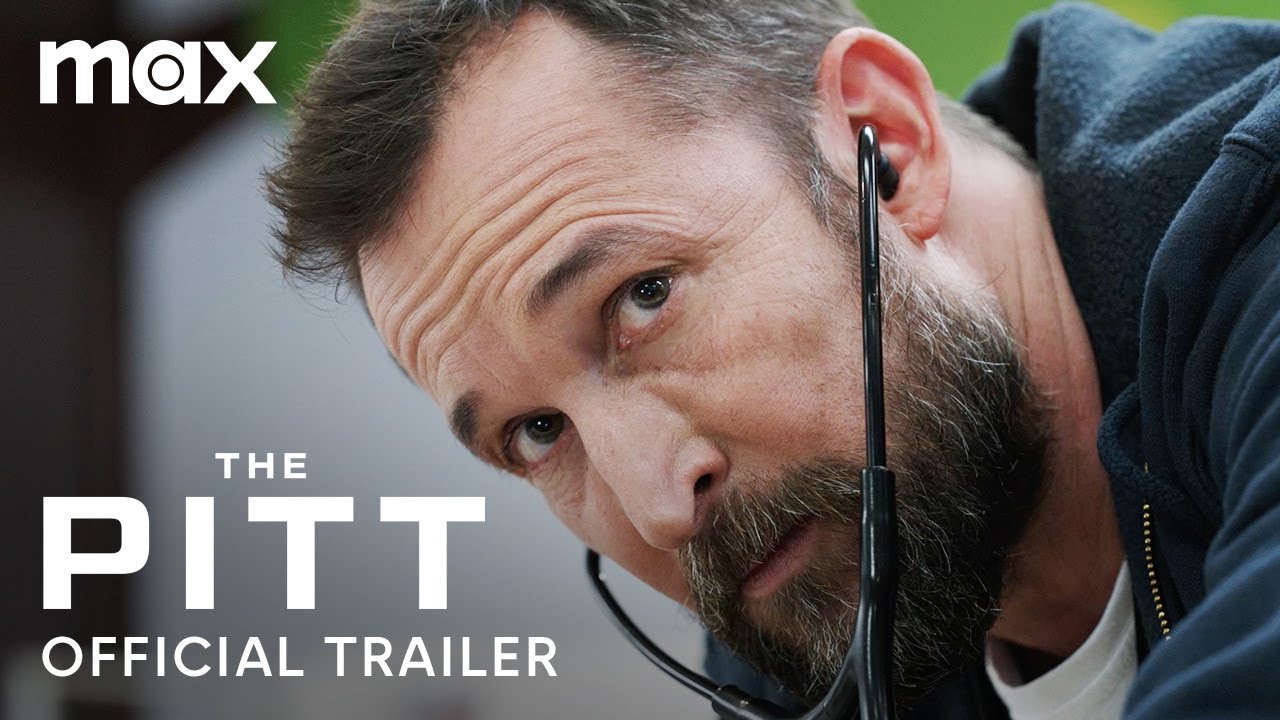
The Pitt (2025 – present): An Unflinching Look at Medical Drama
HBO’s The Pitt has emerged as a standout medical drama, lauded for its raw authenticity and gripping narrative. The series centers on the high-pressure environment of the emergency department at a Pittsburgh, Pennsylvania hospital, chronicling the daily struggles of a team of overworked doctors as they confront complex medical procedures and challenging ethical dilemmas. What distinguishes The Pitt from other medical procedurals is its innovative episode structure.

Each season meticulously chronicles a single 24-hour period within the emergency ward, with every episode dedicated to a specific hour of that day, such as "7:00 A.M." This unique format allows for a continuous overarching plot to be woven through the individual patient storylines, escalating the drama and amplifying the frantic, anxiety-inducing pacing of the show. The series effectively captures the high-stakes atmosphere of an emergency room, drawing comparisons to the intense, character-driven environment of shows like The Bear, albeit set within a medical context.
A significant aspect of The Pitt‘s appeal, and a key factor in its suitability for AV testing, lies in its unflinching and scientifically accurate depictions of medical procedures. The series does not shy away from graphic imagery, frequently showcasing detailed surgical scenes with exposed organs and intricate anatomical views. These graphic elements, when viewed in 4K resolution with Dolby Vision on HBO Max’s premium tier, are rendered with striking clarity and detail. The visual fidelity allows viewers to appreciate the nuances of the cinematography and the precision of the medical recreations. Furthermore, the Dolby Atmos audio mix enhances the immersive experience by heightening the ambient sounds of the bustling ward and the tense waiting rooms, effectively placing the viewer at the heart of the hospital’s chaos.
The recent launch of HBO Max in the UK further solidifies its position as a platform for high-quality content, and The Pitt stands as a prime example. With the second season currently rolling out and a third season already commissioned, the series demonstrates sustained critical and audience engagement. Its continued production suggests a long-term commitment from HBO, promising more compelling medical drama for subscribers. The availability of The Pitt on HBO Max offers a consistent stream of content that can challenge the dynamic range and color reproduction capabilities of modern televisions, especially those equipped for Dolby Vision.
Bullet Train (2022): A High-Octane Ride for Audiovisual Enthusiasts
Based on Kōtarō Isaka’s vibrant novel Maria Beetle, Bullet Train delivers a high-energy cinematic experience that is both derivative and undeniably entertaining. The film employs a narrative structure often described as "putting a load of ants in a jar and then vigorously shaking said jar," wherein a multitude of characters, each with their own clandestine motivations, converge in a confined space, all vying for a mysterious macguffin. This setup echoes films such as Smokin’ Aces, The Raid, and Lucky Number Slevin, among others.

Despite its familiar premise, Bullet Train offers a thoroughly enjoyable ride, particularly for those willing to embrace its kinetic energy and quirky characters. The film features standout performances, including Aaron Taylor-Johnson’s portrayal of the dapper psychopath Tangerine, and a memorable, albeit questionable, London accent from Brian Tyree Henry. Audiences can also look forward to numerous blink-and-you’ll-miss-them cameos that add to the film’s densely packed narrative.
Beyond its action-packed sequences and witty dialogue, Bullet Train serves as an excellent tool for testing home cinema systems. The film’s visual design is deliberately bold and colorful, featuring a striking palette that ranges from the neon-drenched streets of Tokyo to the vibrant all-pink ensemble of Joey King’s character and the flowing blonde locks of Brad Pitt. Subtlety is not the aim here; instead, the film opts for a maximalist aesthetic that pushes the boundaries of color saturation and contrast, making it ideal for evaluating the performance of high-dynamic-range (HDR) displays.
The soundtrack is equally noteworthy, featuring several well-chosen needle drops. Avu-chan’s Japanese rendition of "Stayin’ Alive" and Tamio Okuda’s anthemic "Kill Me Pretty" are particularly effective, providing dynamic and engaging audio experiences that can challenge the sound reproduction capabilities of home theater systems. These musical selections, combined with the film’s dynamic visual presentation, make Bullet Train a potent combination for comprehensive AV testing.
Bullet Train is available on 4K Blu-ray from Amazon, and can also be streamed on Amazon Prime Video. This accessibility across various formats allows for a thorough evaluation of its audiovisual quality, catering to both physical media collectors and streaming enthusiasts.
Malcolm in the Middle – Life’s Still Unfair (2026): A Nostalgic Return with Modern Appeal
In a television landscape increasingly dominated by retro revivals and nostalgic callbacks, the recent return of Malcolm in the Middle with the special, Life’s Still Unfair, has resonated deeply with a generation of viewers. This continuation of the beloved dysfunctional family sitcom picks up years after the original series finale, offering a glimpse into the adult lives of its eccentric characters. The special has been met with widespread acclaim for its ability to recapture the magic of the original while injecting it with a mature, yet still hilariously chaotic, sensibility.
The four-episode special masterfully reunites nearly the entire original cast, a feat that speaks volumes about the enduring appeal of the series and its characters. The premise is deceptively simple: Malcolm, now a grown man with a teenage daughter, attempts to reconnect with his estranged family. However, this seemingly straightforward setup quickly escalates into the signature brand of mayhem and heartfelt absurdity that defined the original show. Within minutes of the opening episode, viewers are treated to the familiar blend of slapstick humor, explosive family feuds, and a comically negligent disregard for Bryan Cranston’s character, Hal.
Frankie Muniz delivers a standout performance as the adult Malcolm, expertly portraying the character’s neuroses and anxieties with a raw intensity that is both poignant and riotously funny. His return to acting, after a hiatus focused on his career as a race car driver, is a testament to his dedication and talent. However, it is Bryan Cranston’s portrayal of Hal that once again steals the show. His performance is a masterclass in physical comedy, embodying the character’s goofy, adorable, and often utterly clueless nature with a nuance that is sure to be studied for years to come.
For viewers who grew up with the original series, Malcolm in the Middle – Life’s Still Unfair offers a deeply satisfying return to a cherished world. For newcomers, it serves as an excellent entry point, potentially inspiring a journey back to the original series, which has remarkably stood the test of time. The special’s availability on Disney Plus ensures it can be easily accessed by a broad audience, making it a prime candidate for lighthearted viewing and a welcome addition to any watchlist. The simple, relatable themes, coupled with the exceptional comedic performances, make it a joy to watch and a testament to the enduring power of well-crafted family sitcoms.

The Enduring Role of Content in Home Entertainment Testing
The selection of content for testing home entertainment systems is a critical aspect of the review process at What Hi-Fi?. While established favorites provide a reliable baseline, the introduction of new films and series is essential for several reasons:
- Technological Advancement: New productions often incorporate cutting-edge visual and audio technologies. For instance, films shot with advanced cameras offering higher resolutions and wider color gamuts, or those featuring immersive audio formats like Dolby Atmos or DTS:X, provide definitive tests for the capabilities of modern TVs and sound systems.
- Artistic Expression: Directors and cinematographers continually explore new ways to tell stories visually. Films with unique color grading, complex lighting scenarios, or intricate visual effects can reveal a display’s ability to reproduce subtle gradients, deep blacks, and vibrant highlights.
- Audio Immersion: Sound design plays an increasingly vital role in cinematic storytelling. Documentaries with rich natural soundscapes, action films with dynamic sound mixing, or musical pieces with intricate arrangements can effectively challenge a sound system’s clarity, separation, and bass response.
- Emerging Platforms: The proliferation of streaming services and the evolution of physical media formats mean that content is delivered in diverse ways. Testing with 4K Blu-rays, HDR10+, Dolby Vision streams, and lossless audio codecs ensures that systems are evaluated across all potential use cases.
The reviewed titles—Ghost Elephants, Project Hail Mary, Mickey 17, The Pitt, Bullet Train, and Malcolm in the Middle – Life’s Still Unfair—each offer unique qualities that make them valuable for this purpose. From the natural detail of Ghost Elephants to the practical effects and immersive sound of Project Hail Mary, the visual artistry of Mickey 17, the unflinching realism of The Pitt, the vibrant aesthetics of Bullet Train, and the nostalgic charm of Malcolm in the Middle, these films and series provide a comprehensive and engaging suite of content for discerning home cinema enthusiasts.
The ongoing dialogue between content creators and technology developers ensures that the pursuit of the ultimate home entertainment experience is a continuously evolving journey. By embracing new releases and understanding their technical and artistic merits, consumers can make informed decisions about their audio-visual purchases and unlock the full potential of their home entertainment systems.