Samsung Brings Galaxy S26 and Z8 Features to Galaxy S24 Series with One UI 9 Beta 2 Update

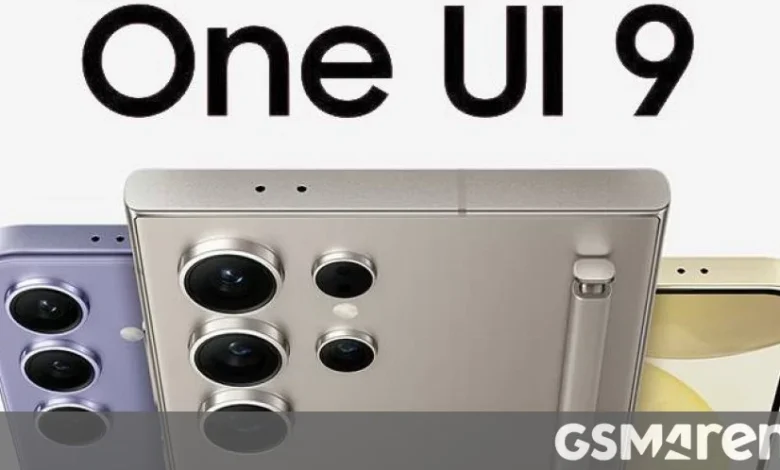
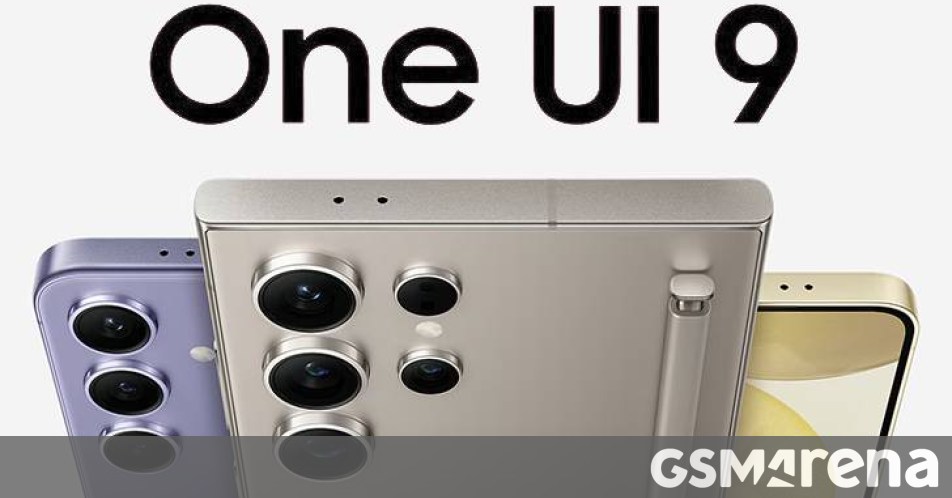
Samsung has officially commenced the rollout of the second beta update for its One UI 9 software platform, bringing advanced features previously exclusive to the newer Galaxy Z8 foldables and Galaxy S26 flagship series directly to the older Galaxy S24 lineup. Spotted initially by prominent industry tipster Tarun Vats, this secondary beta release arrives less than two weeks after Samsung initiated its initial One UI 9 testing phase for the 2024 flagship family.
As software engineering teams work to refine the upcoming stable build, participating Galaxy S24, Galaxy S24+, and Galaxy S24 Ultra owners enrolled in the beta program can look out for firmware builds concluding with the specific identifier code “ZZI4.” While pre-release software inherently carries risks regarding stability and day-to-day performance, this update offers an intriguing glimpse into how Samsung plans to bridge generational software gaps across its hardware ecosystem by leveraging advanced artificial intelligence and enhanced camera utilities.
Main Facts of the One UI 9 Beta 2 Deployment
The deployment of One UI 9 Beta 2 signifies an accelerated development cycle for Samsung’s proprietary interface layer. Rather than reserving its most headline-grabbing software upgrades exclusively for newly introduced devices, the South Korean technology conglomerate is demonstrating a commitment to supporting recent legacy flagships with modern capabilities.
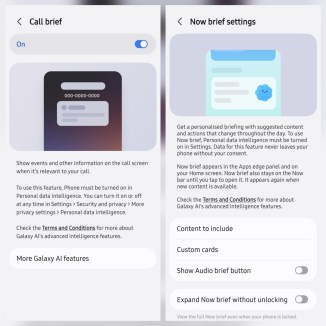
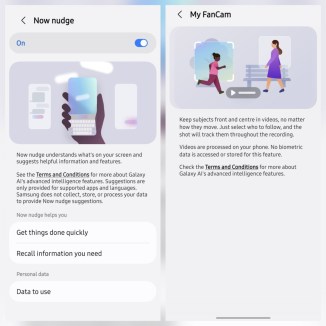
The core highlights of the ZZI4 firmware build center heavily on deeper artificial intelligence integration and intelligent camera functionalities. Among the most notable additions are the implementation of customizable "Now Brief" cards, the inclusion of "Call Brief" functionality, and the integration of the dynamic "My FanCam" video-tracking tool. These features were first popularized during the commercial launches of the Galaxy Z8 foldable devices and the Galaxy S26 product family. By porting these tools to the Galaxy S24 series, Samsung is effectively future-proofing its 2024 devices, ensuring that early adopters do not immediately miss out on software innovations simply because they did not upgrade to the latest generation of hardware.
Chronology of the One UI 9 Rollout
To understand the current trajectory of Samsung’s software distribution, it is necessary to examine the timeline of recent updates. The software development lifecycle for this generation of One UI has moved swiftly:
- Early September 2026: Samsung deploys the first public beta build of One UI 9 to registered Galaxy S24 series devices, introducing foundational UI overhauls and preliminary system optimizations.
- Mid-September 2026: Industry analysts and community trackers identify the emergence of One UI 9 Beta 2 under firmware version identifier "ZZI4."
- Present: Participating beta testers begin receiving the OTA (over-the-air) update, unlocking advanced AI features and motion-tracking camera modes.
- Future Outlook: Following an iterative beta testing phase expected to span several weeks—during which bug reports are filed and stability patches applied—Samsung is projected to release the final, stable version of One UI 9 to the general public.
This rapid cadence indicates that Samsung is keeping pace with its aggressive internal software schedules, aiming to minimize the waiting period for users eager to experience the latest Android ecosystem refinements layered with One UI.
Detailed Breakdown of New Features
Now Brief Custom Cards and Call Brief Integration
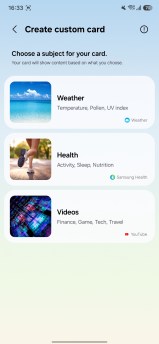
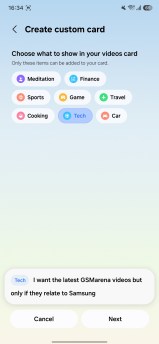
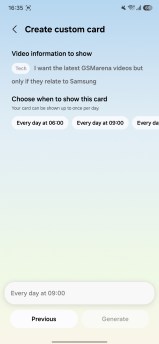
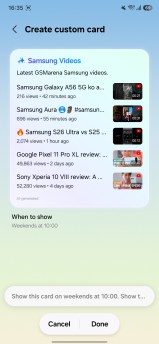
One of the standout additions in this beta build is the expansion of Samsung’s Now Brief utility. Previously limited in its configurability, the system now fully supports custom cards. Users can effortlessly generate personalized information displays simply by instructing the onboard AI regarding what specific data parameters they want highlighted. Whether tracking specific daily schedules, weather metrics, or contextual notifications, the system adapts to individual user preferences. However, due to the heavy computational processing required by these AI-driven modules, the interface currently implements a restriction capping active custom cards at a maximum of three simultaneously.
In tandem with Now Brief, the update introduces Call Brief capabilities to the Galaxy S24 series. This tool summarizes voice communications efficiently, providing users with concise, AI-generated transcriptions and key action items derived from telephone conversations, thereby reducing the need to review lengthy call logs or manual notes.
My FanCam Motion Tracking
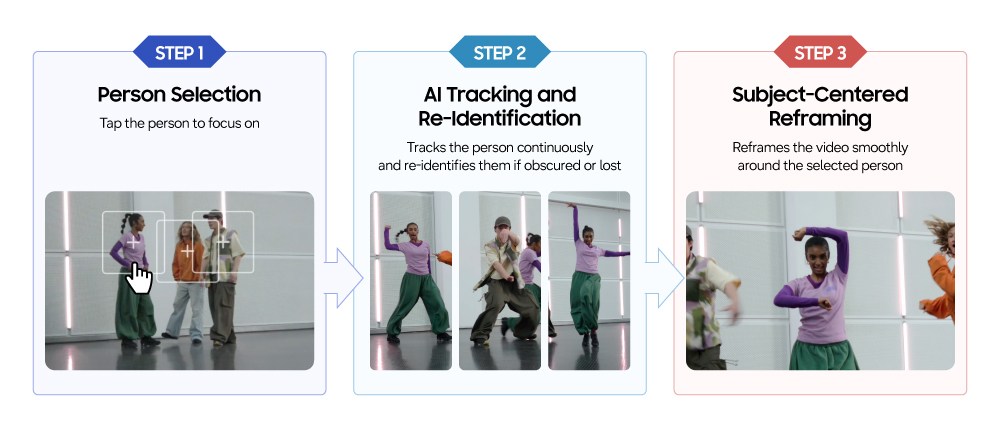
On the hardware-meets-software front, Samsung has integrated My FanCam—a feature that originally debuted alongside the Galaxy Z8 foldables. My FanCam utilizes sophisticated machine learning algorithms combined with camera sensor cropping to track a single individual moving dynamically among a crowd. By intelligently isolating and following the designated subject, the feature automatically frames and captures targeted video content without requiring manual pan-and-zoom operations from the user.
Supporting Data and Ecosystem Context
The deployment of these features highlights Samsung’s ongoing strategy to use software parity as a retention tool for high-end smartphone owners. By maintaining feature alignment between the Galaxy S24, S26, and Z8 lines, the company reassures consumers who invested heavily in its 2024 hardware ecosystem that their devices will remain relevant and feature-rich for years to come.
For consumers tracking the hardware lifecycle, the Galaxy S24 series remains widely available across global markets through major retail and e-commerce channels. Current market pricing for the lineup reflects varying regional promotions and configuration tiers:
- Galaxy S24 Ultra: Available in configurations such as 256GB/12GB RAM and 512GB/12GB RAM, with competitive retail pricing across European markets on platforms like Amazon Germany and Amazon UK.
- Galaxy S24+: Offered in 256GB and 512GB storage variants paired with 12GB of RAM, bridging the gap between standard flagship utility and phablet-grade performance.
- Galaxy S24: The compact baseline model, available in 128GB and 256GB capacities with 8GB of RAM, continuing to serve as a popular entry point into Samsung’s premium ecosystem.
These competitive pricing structures, combined with extended software support lifecycles, make the Galaxy S24 family an attractive alternative for buyers who prefer mature hardware bolstered by cutting-edge software upgrades.
Broader Impact and Implications
The inclusion of Galaxy S26 and Galaxy Z8 features in a beta update for a two-year-old device series carries significant implications for the smartphone industry at large.
First, it signals a broader shift in how manufacturers handle software longevity. Historically, major feature additions were strictly gated behind new hardware purchases to drive upgrade cycles. Today, as hardware maturation plateaus and consumers hold onto their smartphones for longer periods, companies are increasingly utilizing software as a primary value proposition. By extending advanced AI and camera tools to legacy models, Samsung encourages user loyalty and strengthens its brand reputation.
Second, the reliance on AI processing for features like custom Now Brief cards and My FanCam underscores the increasing importance of on-device neural processing units (NPUs). As these computational workloads become standard across older chipsets like those found in the Galaxy S24 series, developers gain a larger, unified base of compatible devices for testing and deploying next-generation applications.
Technical Caveats and Recommendations
Despite the excitement surrounding One UI 9 Beta 2, industry experts and Samsung representatives consistently advise caution regarding pre-release software installations. Beta builds are, by definition, works in progress. They may contain unforeseen bugs, memory leaks, battery drain issues, or application incompatibilities that can disrupt daily productivity.
Consequently, standard industry consensus strongly discourages installing beta software on a primary device—commonly referred to as a "daily driver." Users who rely heavily on their Galaxy S24 smartphones for critical communications, mobile banking, or professional tasks are encouraged to exercise patience and await the official, stable rollout of One UI 9, which will undergo rigorous quality assurance testing before its widespread public distribution.