Huawei Unveils Pura X Max: A New Era of Wide Foldable Smartphones with Enhanced Features and Performance

Huawei, a persistent innovator in the dynamic realm of foldable smartphone technology, has officially unveiled the Pura X Max, representing a significant evolution of its unique "wide foldable" form factor. This device, an intermediate size positioned between the compact flip-style and the larger book-style foldables, answers the question of what happens when the experimental Pura X concept scales up, delivering a host of enhanced features, superior performance, and a more refined design. The announcement, which follows a series of teasers, solidifies Huawei’s commitment to pushing the boundaries of mobile design and functionality, particularly within the premium segment.
The Evolution of Foldable Form Factors and Huawei’s Strategic Vision
The foldable smartphone market has rapidly matured since its nascent stages, with manufacturers largely converging on two primary form factors: the clamshell-style, reminiscent of classic flip phones, and the book-style, which unfolds to reveal a tablet-like display. Huawei has been a pioneering force in this space, having launched its first foldable, the Mate X, in 2019, followed by subsequent iterations in the Mate X series and the more fashion-forward P series foldables. The company has consistently demonstrated a willingness to experiment, a trait that led to the introduction of the Pura X.
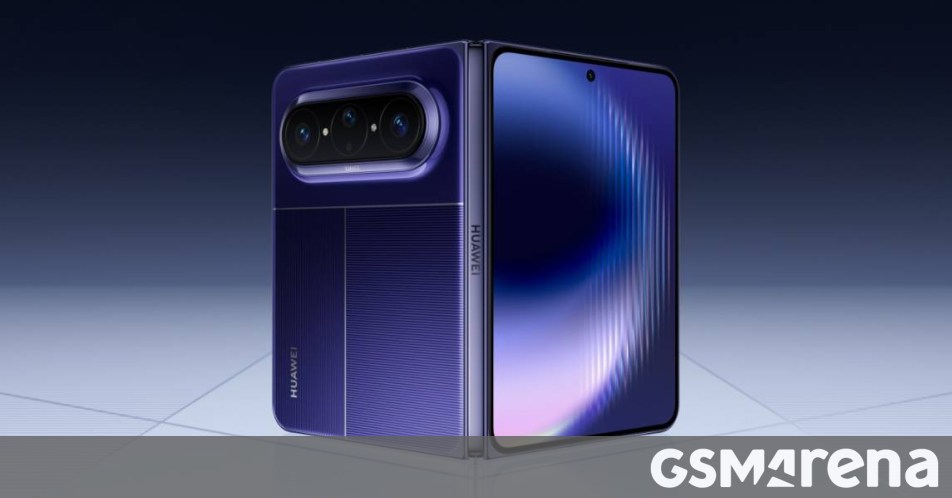
The Pura X, launched earlier, carved out a niche as a "wide foldable," aiming to offer a more expansive experience than a flip phone while retaining greater portability than a typical book-style foldable when folded. This unique approach sought to balance screen real estate with pocketability, addressing a specific user need that wasn’t fully met by existing designs. The Pura X Max is a direct, assertive evolution of this concept, signifying Huawei’s belief in the viability and potential of this distinct form factor. The recent rebranding of Huawei’s flagship "P" series to "Pura" itself underscores a renewed focus on aesthetics, purity of design, and cutting-edge innovation, a philosophy that the Pura X Max embodies comprehensively. Despite significant geopolitical challenges and supply chain restrictions, Huawei has continually invested heavily in research and development, particularly in areas like display technology, chip design, and mobile photography, allowing it to maintain a competitive edge in the high-end smartphone segment, especially within its domestic market.
Design and Display Innovations: A Closer Look
The Huawei Pura X Max distinguishes itself with substantial upgrades in its physical design and display technology, making it a truly next-generation device.
Refined Dimensions and Aesthetic Superiority
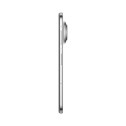
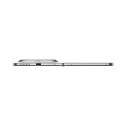
One of the most striking improvements in the Pura X Max is its dramatically thinner profile compared to its predecessor. While the original Pura X measured 15.1mm when folded and 7.2mm unfolded, the Pura X Max slims down to an impressive 11.2mm folded and a mere 5.2mm unfolded. This reduction in thickness, despite housing larger displays and a bigger battery, represents a significant engineering feat, contributing to a more comfortable and premium in-hand feel. The device’s height (folded and unfolded) increases from 91.7mm to 120mm, and width from 74.3mm to 85mm (folded) and 143.2mm to 166.5mm (unfolded), accommodating the larger displays while maintaining a balanced footprint. Weighing 229g, it is heavier than the Pura X’s 194g, a natural consequence of its larger size and battery, yet remains competitive within the foldable market. The frame is crafted from a durable aluminum alloy, enhancing both its structural integrity and aesthetic appeal.
Dual LTPO 2.0 Displays with Advanced Visuals
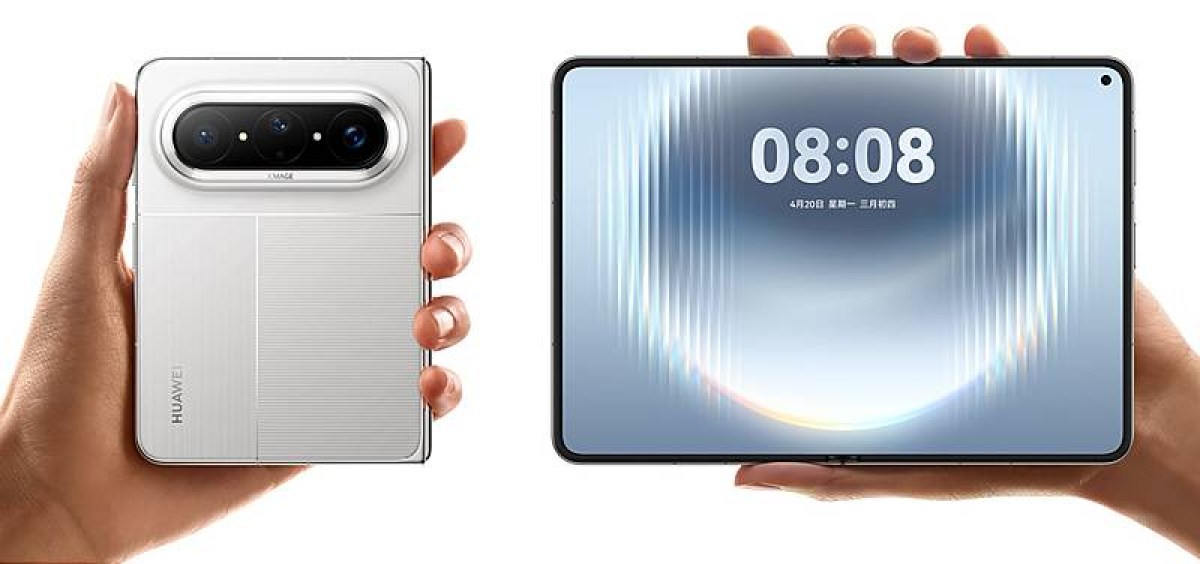
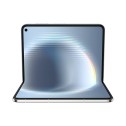
The Pura X Max features a dual-display setup, central to its foldable experience. The outer cover display measures 5.4 inches, a significant bump from the Pura X’s 3.5 inches, offering a much more usable interface for quick interactions without needing to unfold the device. The internal main display expands to a generous 7.7 inches, up from 6.3 inches. Both panels are cutting-edge 1-120Hz LTPO 2.0 (Low-Temperature Polycrystalline Oxide) panels. LTPO 2.0 technology allows for dynamic adjustment of the refresh rate from a power-saving 1Hz to a buttery-smooth 120Hz, optimizing battery life while ensuring fluid animations and responsiveness. Furthermore, both displays incorporate 1,440Hz high-frequency PWM (Pulse Width Modulation) dimming, a crucial feature for minimizing screen flickering at lower brightness levels, thereby reducing eye strain during prolonged use, a significant benefit for a device designed for extended productivity and media consumption.
The aspect ratios of the displays are particularly noteworthy. While the original Pura X featured a media-friendly 16:10 internal display, the Pura X Max adopts a more squarish aspect ratio, aligning closer to traditional book-style foldables. The internal display boasts a resolution of 2,584 x 1,828 pixels, resulting in a 14.1:10 aspect ratio, slightly wider than a classic 4:3. The outer display, with a resolution of 1,848 x 1,264 pixels, maintains nearly the same aspect ratio. This choice suggests a design philosophy geared towards productivity and multi-tasking, where a squarer screen can often accommodate more content vertically, rather than strictly widescreen media consumption. The outer screen is protected by second-generation Kunlun Glass, Huawei’s proprietary ultra-tough glass, offering enhanced durability against drops and scratches.
Performance Powerhouse: Kirin 9030 Pro and HarmonyOS
Under the hood, the Huawei Pura X Max is powered by the Kirin 9030 Pro chipset, an in-house developed processor that signifies Huawei’s continued progress in semiconductor innovation despite persistent sanctions.
Kirin 9030 Pro: A Leap in Processing Power
The Kirin 9030 Pro promises a substantial 30% performance uplift over the Kirin 9020 chip found in the original Pura X. This performance boost is critical for handling demanding applications, seamless multitasking across the large foldable display, and powering advanced AI features. The development of such a powerful chip internally underscores Huawei’s formidable resilience and its unwavering commitment to maintaining technological independence. To ensure sustained peak performance, the chipset is complemented by an advanced cooling system, combining a vapor chamber with a graphene sheet. This sophisticated thermal management solution efficiently dissipates heat, preventing throttling during intensive tasks such as gaming or prolonged video editing, and ensuring consistent user experience.
HarmonyOS 6.1: The Core of the Experience
As is now standard for Huawei’s flagship devices, the Pura X Max runs on HarmonyOS 6.1 straight out of the box. HarmonyOS, Huawei’s proprietary operating system, was developed as a strategic response to restrictions on using Google’s Android services. It has rapidly evolved into a robust ecosystem, emphasizing seamless integration across various Huawei devices, from smartphones and tablets to wearables and smart home appliances. HarmonyOS 6.1 brings enhanced fluidity, improved privacy features, and a growing app ecosystem, particularly strong within the Chinese market. For the Pura X Max, HarmonyOS is optimized to leverage the unique foldable form factor, offering intuitive multi-window management, adaptive interfaces, and a cohesive user experience across both displays. The OS represents Huawei’s long-term vision for a connected, intelligent ecosystem, and the Pura X Max serves as a prime showcase for its capabilities.
Photography Prowess: XMAGE and Advanced Optics
Huawei has long been a leader in mobile photography, and the Pura X Max continues this legacy with a significantly upgraded camera system, powered by its proprietary XMAGE imaging technology.
Versatile Triple Camera System
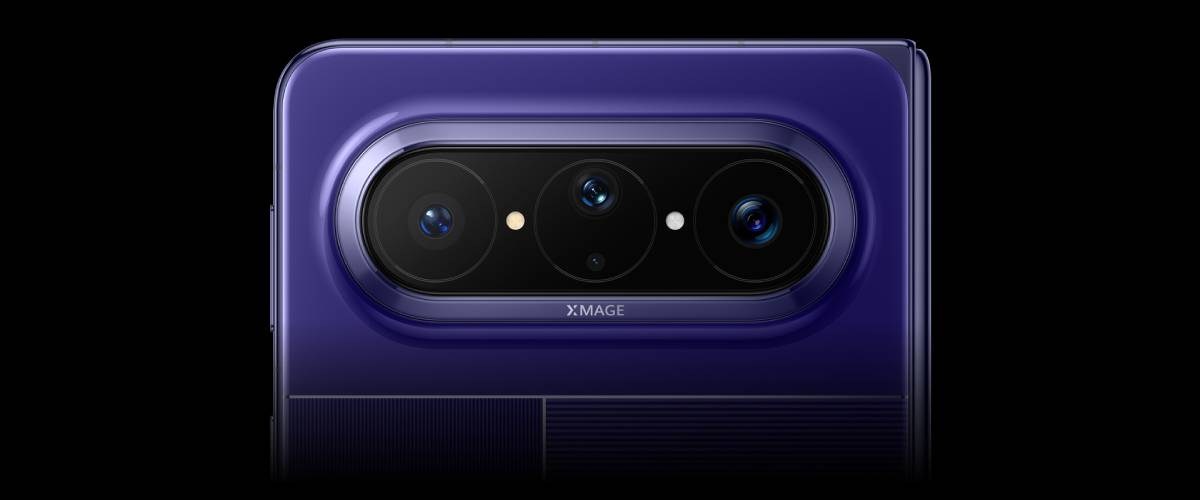
The rear camera array is headlined by a 50MP main sensor, featuring an OIS (Optical Image Stabilization)-enabled lens with a variable aperture ranging from f/1.4 to f/4.0. The variable aperture allows the camera to adapt to different lighting conditions: a wider f/1.4 aperture excels in low light, capturing more light and creating pleasing background blur (bokeh), while a narrower f/4.0 aperture increases depth of field, ideal for landscapes or group shots. This flexibility offers users greater creative control over their photography.
Complementing the main sensor is a powerful 50MP periscope telephoto lens with an f/2.2 aperture and OIS. This periscope design enables significant optical zoom capabilities, crucial for capturing distant subjects with clarity and detail, an area where many smartphones struggle. An additional 12.5MP ultra-wide-angle lens (f/2.2) rounds out the versatile triple-camera setup, perfect for sweeping landscapes and expansive architectural shots. A key differentiator for all three of these cameras is the use of RYYB (Red, Yellow, Yellow, Blue) sensors, Huawei’s unique color filter array that replaces green sub-pixels with yellow ones. This design significantly enhances light intake, particularly in low-light environments, resulting in brighter and more detailed images with improved dynamic range.
XMAGE Image Processing and Selfie Capabilities
The advanced hardware is paired with Huawei’s in-house XMAGE image processing, which leverages computational photography algorithms to optimize every shot. A second-generation color sensor further enhances color accuracy and vibrancy. This entire setup marks a substantial upgrade over the Pura X, which featured a 50MP main camera with a fixed f/1.6 aperture, an 8MP telephoto, and a 40MP ultra-wide. The increased resolution and improved optics, especially in the telephoto, provide greater detail retention, particularly when digital zooming is applied.
For selfies and video calls, the Pura X Max is equipped with two 8MP front-facing cameras, one integrated into each display. This dual-camera approach offers flexibility, allowing users to choose the most convenient screen for communication. For the highest quality self-portraits, users can leverage the superior rear camera system, utilizing the cover display as a viewfinder.
Enhanced Battery, Charging, and Durability
Understanding the power demands of larger, dual-display foldables, Huawei has equipped the Pura X Max with a significantly upgraded battery and enhanced durability features.
Robust Power Management
The device features a substantial 5,300mAh battery, a considerable increase from the Pura X’s 4,720mAh capacity. This larger battery is crucial for powering the expansive LTPO 2.0 displays and the powerful Kirin 9030 Pro chipset throughout a full day of heavy use. To minimize downtime, the Pura X Max supports Huawei’s SuperCharge technology, offering rapid charging capabilities. It supports 66W wired charging, allowing the device to quickly replenish its battery, and 50W wireless SuperCharge, providing convenient and fast cable-free power delivery. These charging speeds are competitive within the premium smartphone market, ensuring users can get back to full power swiftly.
Superior Durability and Protection
Durability is a critical concern for foldable devices, and the Pura X Max addresses this with advanced ingress protection. It boasts an IP58/IP59 rating, a significant improvement over the Pura X’s IPX8. The "5" in IP58 signifies dust protection, meaning the device is largely protected against dust ingress, though not entirely dust-tight. The "8" indicates resistance against continuous submersion in water, typically up to 1.5 meters for 30 minutes. The additional "9" in IP59 denotes resistance against high-temperature, high-pressure water jets, offering an extra layer of protection against environmental elements. This enhanced ruggedness makes the Pura X Max more resilient to everyday mishaps and extreme conditions. As mentioned, the outer display is further fortified with second-generation Kunlun Glass, Huawei’s robust glass solution engineered for superior impact and scratch resistance.
Stylus Support and Ecosystem Integration
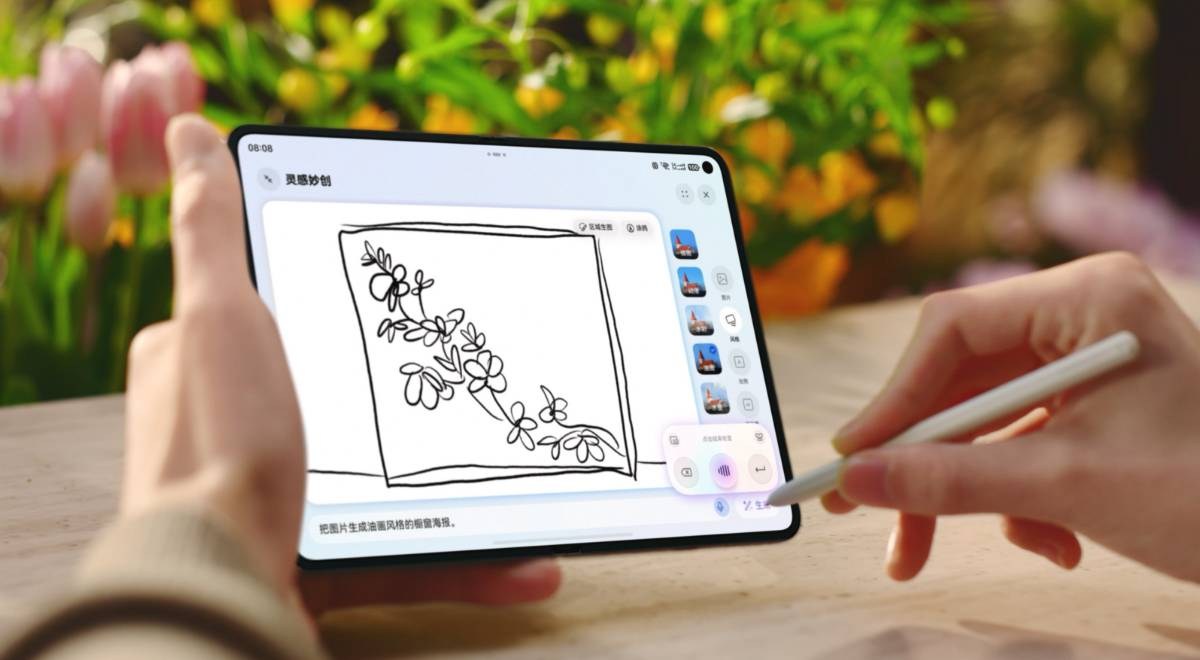
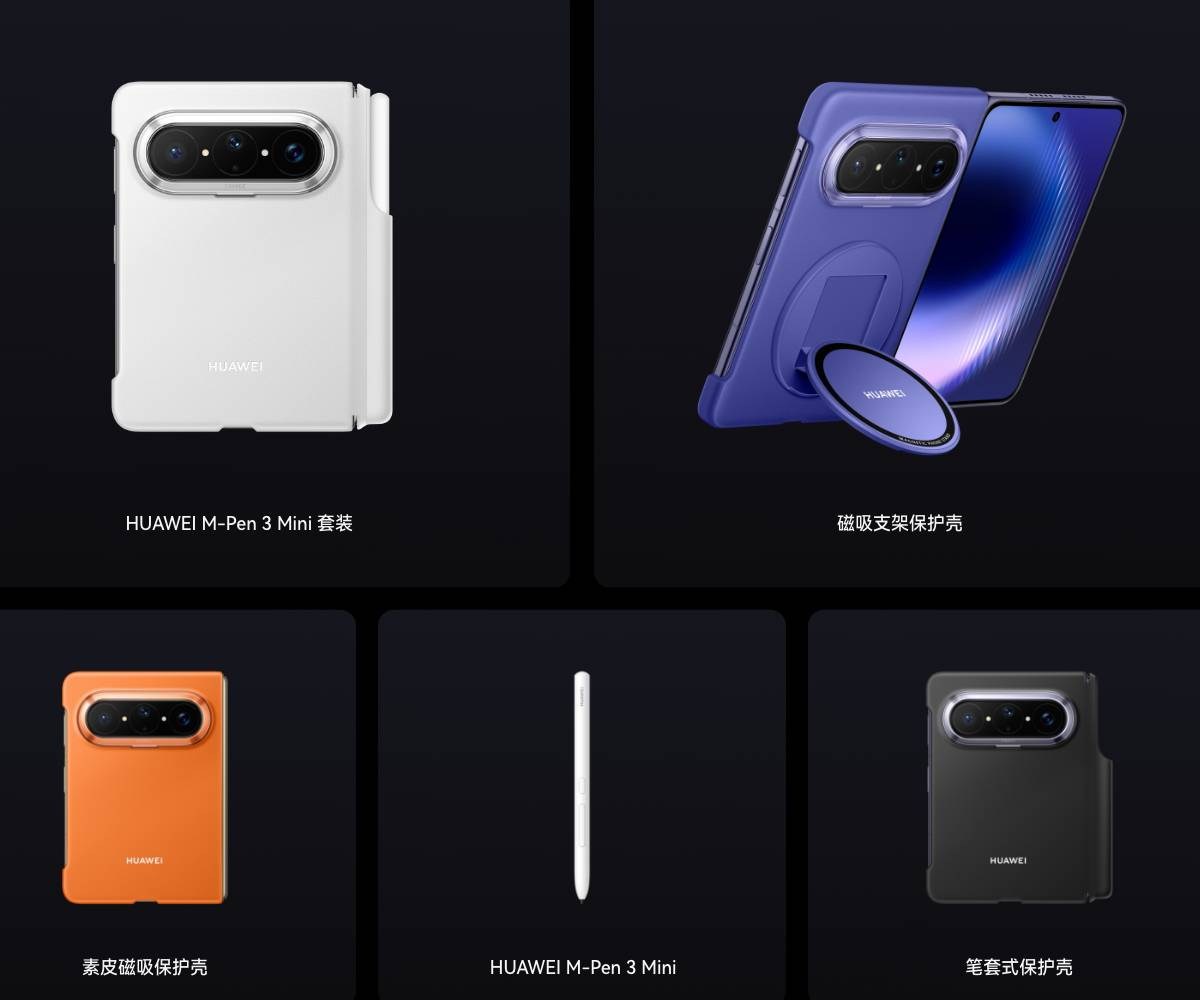
Expanding its utility for productivity and creative tasks, the Huawei Pura X Max introduces support for a dedicated stylus, the Huawei M-Pen 3 Mini.
The M-Pen 3 Mini and Smart Cases
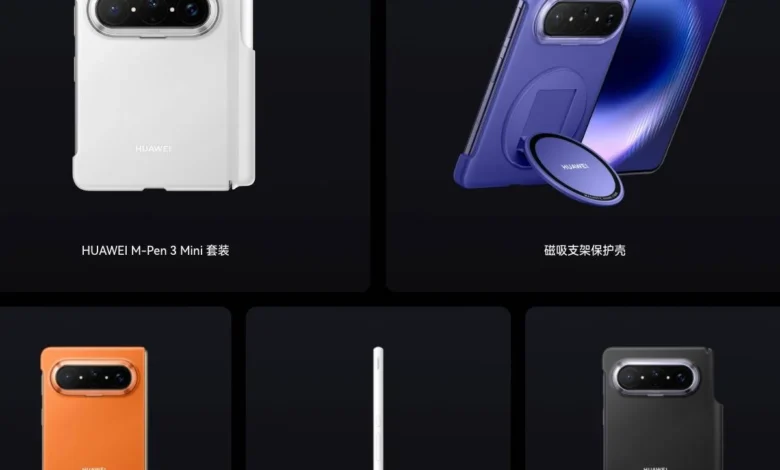
The "Mini" designation of the stylus is intentional, designed to match the reduced height of this particular foldable form factor, making it more portable and seamlessly integrated with the device’s overall design. The M-Pen 3 Mini is expected to offer precise input, low latency, and support for a range of AI-powered features, as hinted in earlier teasers. This makes the Pura X Max an attractive option for professionals, students, and creative users who require precise input for note-taking, sketching, document annotation, or detailed design work directly on the large internal display. To enhance the user experience, Huawei also offers specially designed accessories. These include a dedicated case that securely houses the M-Pen 3 Mini, ensuring it’s always at hand, and another case with a magnetic flip-out stand, providing versatile viewing angles for media consumption or hands-free video calls. These accessories underscore Huawei’s focus on creating a comprehensive and integrated user ecosystem.
Market Positioning, Pricing, and Availability
The Huawei Pura X Max is positioned squarely in the ultra-premium segment of the smartphone market, reflecting its advanced technology and innovative form factor.
China-First Launch and Pricing
The device launched immediately in China, available in a variety of sophisticated color options. The pricing structure for the Huawei Pura X Max reflects its flagship status, with multiple configurations catering to different storage and RAM needs:
- 12GB RAM / 256GB Storage: CNY 11,000 (approximately USD 1,615)
- 12GB RAM / 512GB Storage: CNY 12,000 (approximately USD 1,760)
- 16GB RAM / 512GB Storage: CNY 13,000 (approximately USD 1,905)
- 16GB RAM / 1TB Storage: CNY 14,000 (approximately USD 2,055)
These prices firmly place the Pura X Max in direct competition with other high-end foldable devices from global manufacturers, indicating Huawei’s confidence in its product’s value proposition within its primary market.
Global Outlook: Challenges and Opportunities
While the Pura X Max is available in China, its global availability remains uncertain. Due to ongoing geopolitical tensions and trade restrictions, Huawei faces significant challenges in distributing its latest devices and services outside its domestic market. The absence of Google Mobile Services (GMS) on HarmonyOS-powered devices is a major hurdle for broader international adoption, as many users outside China rely heavily on Google’s suite of applications. Despite these obstacles, Huawei continues to cultivate its HMS (Huawei Mobile Services) ecosystem and AppGallery globally, aiming to attract developers and users. The Pura X Max, with its cutting-edge design and features, could serve as a powerful statement of intent, showcasing Huawei’s technological prowess even if its reach remains predominantly localized for the foreseeable future.
Broader Implications and Future Outlook
The launch of the Huawei Pura X Max carries significant implications for both the foldable smartphone market and Huawei’s strategic trajectory.
Impact on Foldable Market Competition
By refining and scaling up its "wide foldable" concept, Huawei is carving out a distinct segment within the competitive foldable landscape. This form factor could appeal to users who find traditional flip phones too small for immersive media or productivity and book-style foldables too cumbersome when folded. The Pura X Max directly challenges established players like Samsung, Honor, Xiaomi, and Google, which primarily focus on the flip and book-style designs. Huawei’s innovation in display technology, camera systems, and proprietary chipsets ensures it remains a formidable competitor, especially in the premium segment where technological differentiation is key. The success of the Pura X Max could inspire other manufacturers to explore similar intermediate form factors, further diversifying the foldable market.
Huawei’s Resilience and Innovation
The Pura X Max stands as a testament to Huawei’s remarkable resilience and its unwavering commitment to innovation despite facing severe external pressures. The development of an advanced in-house Kirin 9030 Pro chipset, the continuous evolution of HarmonyOS, and the deployment of leading-edge display and camera technologies demonstrate Huawei’s robust R&D capabilities and its ability to overcome supply chain limitations through strategic self-sufficiency. This device reinforces Huawei’s image as a technology powerhouse capable of delivering world-class products, solidifying its position in the high-end smartphone market.
HarmonyOS Ecosystem Growth
As a flagship device, the Pura X Max will play a crucial role in driving the adoption and expansion of the HarmonyOS ecosystem. Its powerful hardware and optimized software will showcase the full potential of HarmonyOS, attracting developers to build applications for the platform and encouraging more consumers to embrace Huawei’s connected device ecosystem. The seamless integration of stylus support and dedicated accessories further enhances HarmonyOS’s appeal for productivity-focused users.
Consumer Appeal and Strategic Positioning
The Pura X Max is designed for a discerning consumer base: power users, professionals, and tech enthusiasts who value cutting-edge technology, a unique form factor, and a seamless blend of tablet-like screen real estate with smartphone portability. Its enhanced durability, superior camera system, and robust performance make it an attractive option for those seeking a premium, versatile mobile experience. Huawei’s strategy appears to be one of differentiation and technological leadership, aiming to capture market share by offering innovative solutions that address specific user needs within the premium segment.
In conclusion, the Huawei Pura X Max is more than just a new foldable phone; it represents a bold step in the evolution of mobile technology and a powerful statement of Huawei’s enduring commitment to innovation. By refining its "wide foldable" concept with enhanced features, superior performance, and a robust design, Huawei is not only pushing the boundaries of what a smartphone can be but also solidifying its position as a key player in the fiercely competitive premium smartphone market, both domestically and, potentially, globally.