Apple iPhone 18 Pro Max Hands-On Review: An Incremental Upgrade Carrying a Substantial Price Premium Amid Global Component Shortages

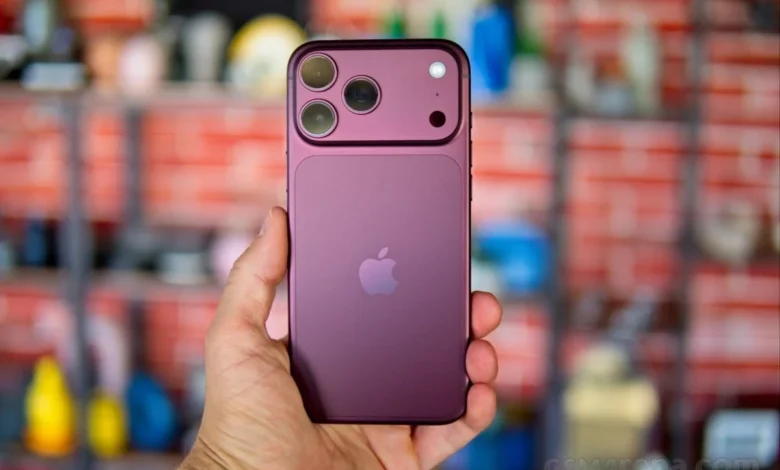
The smartphone industry has long operated on a predictable cadence of annual iteration, yet few releases in recent years have sparked as much debate regarding nomenclature and value as Apple’s latest flagship. The Apple iPhone 18 Pro Max arrives with a familiar silhouette, minor photographic adjustments, a localized processing bump, and a price hike that pushes the boundaries of consumer tolerance. Historically, the feature set embedded within this iteration would have relegated the device to an "S-series" moniker—an incremental refinement rather than a full numerical generational leap. However, defying industry convention, Apple has chosen a whole-number update while simultaneously factoring in the ongoing global memory chip shortage, resulting in a price increase of $100, €150, and £100 compared to its predecessor, the iPhone 17 Pro Max.
As review units land in testing laboratories worldwide, initial impressions point to a device that prioritizes subtle maturation over radical reinvention. While early adopters unbox the device to find the customary minimalist packaging—now featuring little more than a standard USB-C cable, a dwindling inclusion in an era of accessory stripping—the true narrative of the iPhone 18 Pro Max lies in its physical composition, mechanical adjustments, and the economic realities dictating its market entry.
Design Evolution and Ergonomics: The Heavyweight Champion
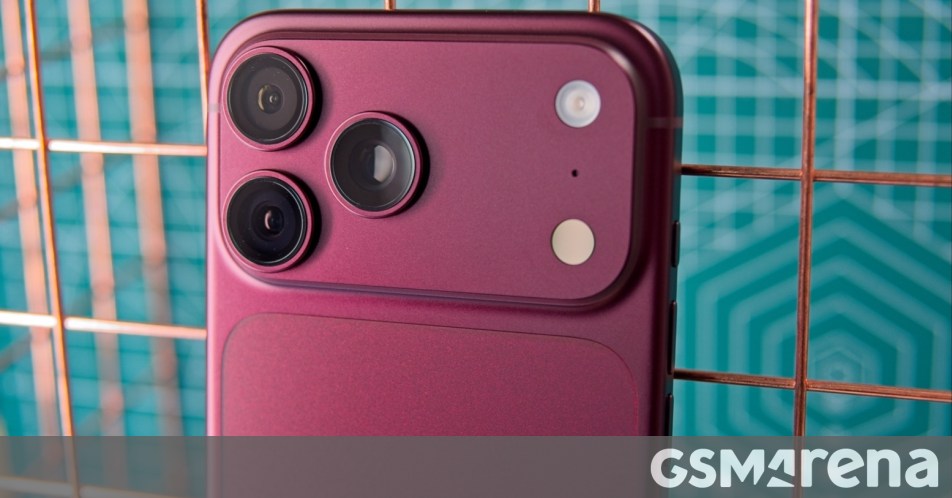
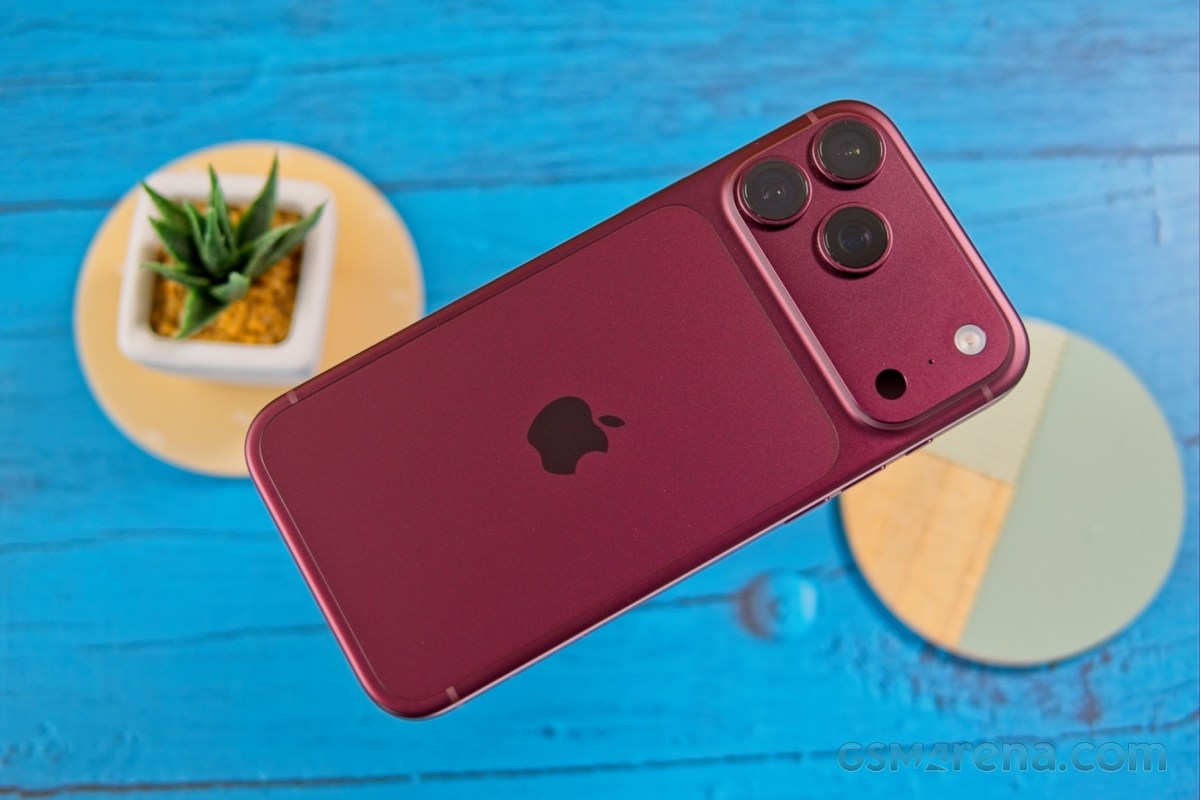
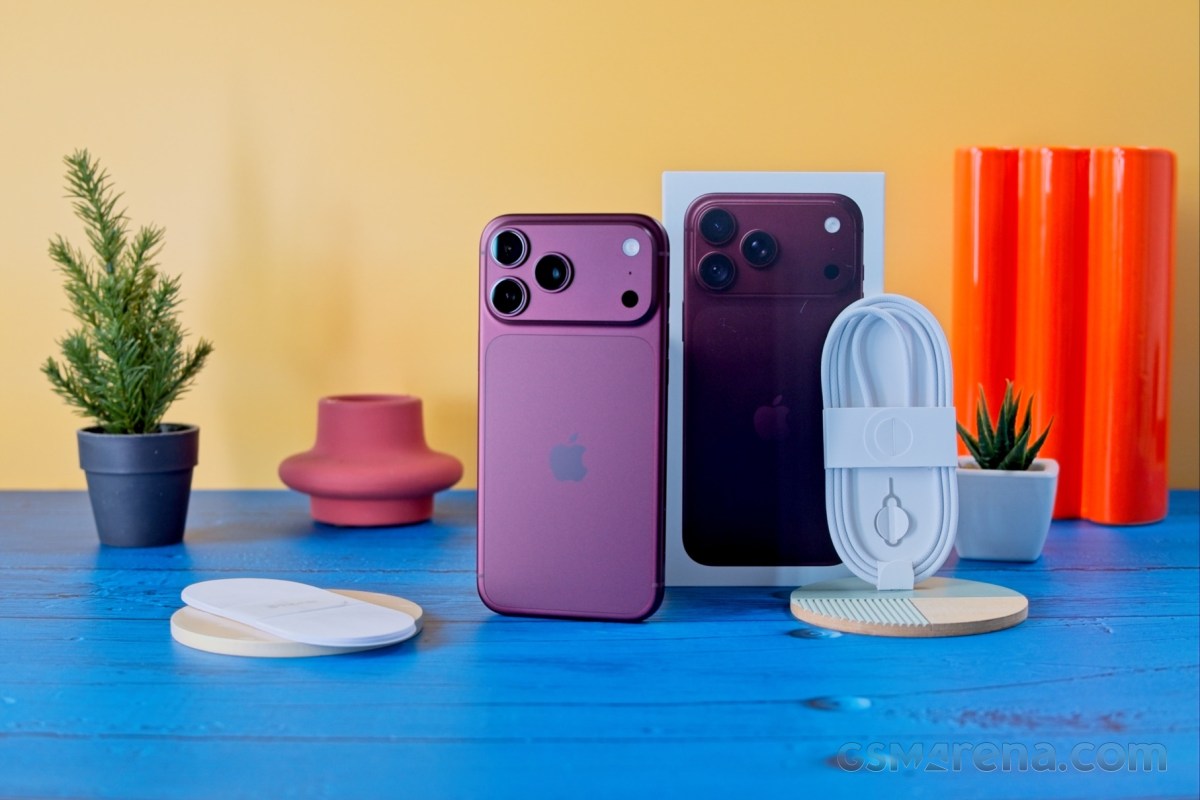
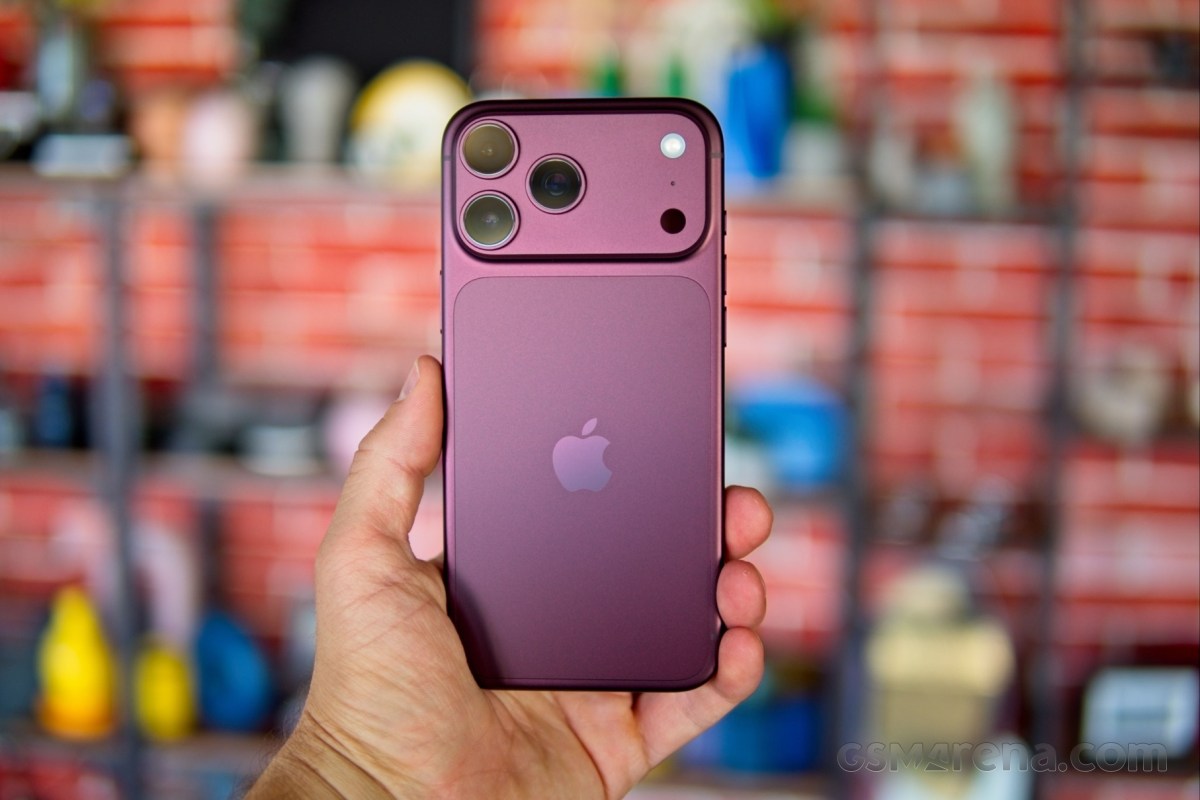
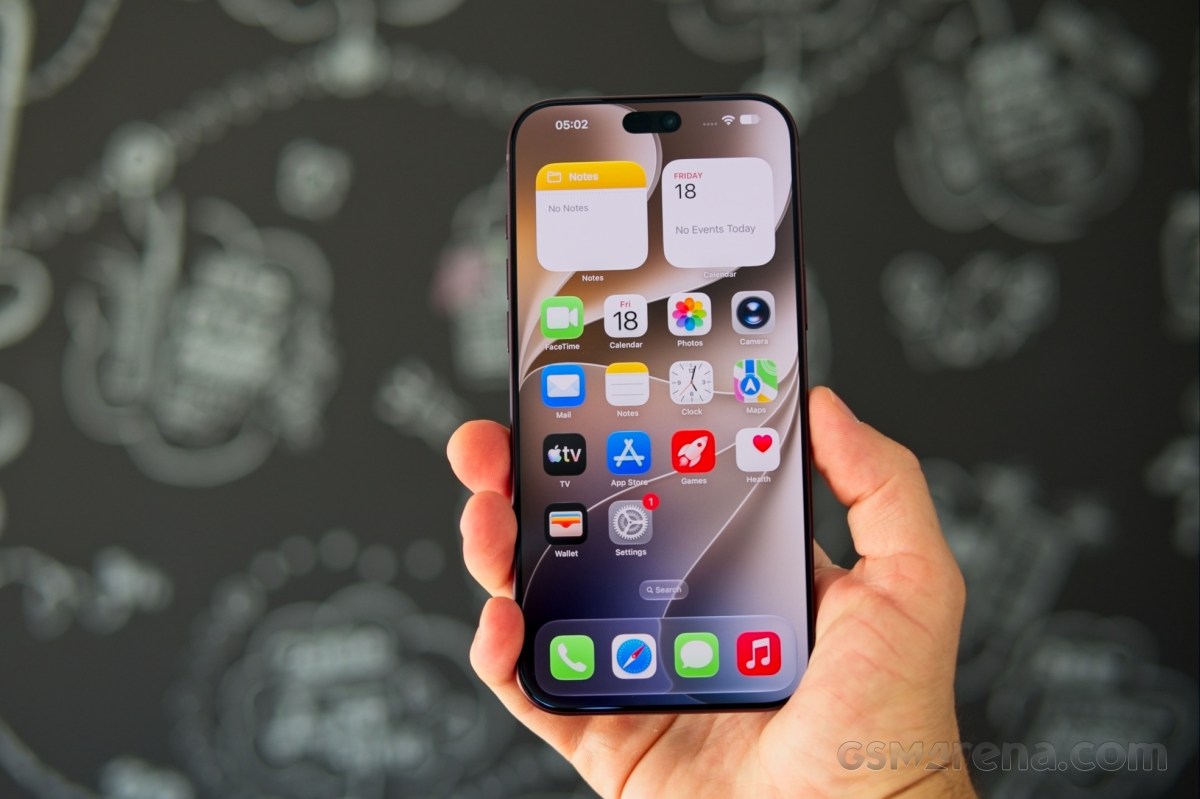
Unboxing the device reveals a striking new colorway: burgundy. This deep, sophisticated red shade exhibits a dynamic interaction with ambient lighting, shifting subtly depending on the environment. In a welcome aesthetic refinement, Apple has altered the rear glass construction to achieve a uniform color match between the back panel and the surrounding metal chassis. This seamless integration eliminates the traditional two-tone contrast of previous generations, offering a cleaner, more cohesive visual profile.
Despite these aesthetic triumphs, the physical handling of the device reveals a more polarizing characteristic: sheer mass. Tipping the scales at 249 grams, the iPhone 18 Pro Max stands as the heaviest Pro Max model ever produced by the Cupertino-based company. Users transitioning from more compact form factors, such as the standard iPhone 17 Pro, will immediately notice the substantial heft. To put this into perspective, the device weighs a mere 6 grams less than the iPhone Duo, Apple’s fully fledged foldable smartphone. Prolonged one-handed use will undoubtedly require an adjustment period for consumers accustomed to lighter daily drivers.
Examining the front of the device, the physical footprint remains largely identical to last year’s iteration, save for one minor structural modification: a slightly narrowed Dynamic Island. While the reduction in screen real estate consumed by the notification and sensor cutout is a welcome technical achievement, it does little to fundamentally alter the day-to-day user experience.
The Photographic Suite: Variable Aperture and Minor Tweaks
Imaging capabilities have perennially served as the primary battleground for ultra-premium smartphones, and the iPhone 18 Pro Max introduces a feature that has already generated considerable discussion among mobile photographers: a variable aperture main camera.
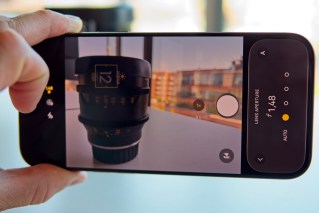
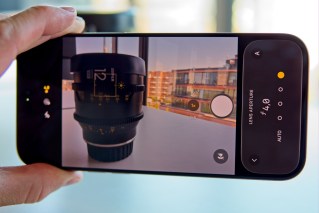
Allowing physical adjustment between extremes such as f/1.48 and f/4.0, the hardware inclusion functions as a technical marvel reminiscent of traditional digital single-lens reflex (DSLR) cameras. In theory, this mechanism grants users greater control over depth of field and light intake natively through the lens rather than relying purely on computational software. However, initial evaluations from early review phases suggest a degree of skepticism regarding its practical utility. Outside of niche, highly specific photographic scenarios, the tangible benefits over advanced computational portrait modes remain marginal. Comprehensive benchmarking and real-world testing will be required to determine whether the variable aperture represents a genuine paradigm shift or merely a sophisticated marketing novelty. Beyond this primary sensor adjustment, the remainder of the camera array receives only minor firmware and minor sensor optimizations, further reinforcing the incremental nature of the release.
Global Economic Pressures and Market Positioning
The decision by Apple to increase the retail price of the Pro Max tier cannot be analyzed in a vacuum. The consumer electronics market has spent the past several quarters grappling with a severe global memory chip shortage, driven by constrained manufacturing yields, escalating raw material costs, and surging demand for enterprise artificial intelligence infrastructure. Component suppliers have steadily raised prices across dynamic random-access memory (DRAM) and NAND flash storage, forcing original equipment manufacturers (OEMs) to either absorb the margins or pass the financial burden onto the end consumer.
Apple has elected the latter route, resulting in European starting prices of €1,599 for the 256GB / 12GB RAM configuration, scaling up to €1,849 for the 512GB tier, with corresponding UK pricing established at £1,299 and £1,499 respectively. This pricing strategy places immense pressure on the value proposition of the device. When consumers are asked to pay a premium during an inflationary macroeconomic climate, expectations for innovation skyrocket. By delivering an experience that closely mirrors the previous generation while charging more, Apple risks alienating budget-conscious upgraders who may choose to retain older hardware or explore rival Android flagships offering more aggressive hardware shifts.
Chronology of the Pro Max Lineup and Industry Context
To fully understand the positioning of the iPhone 18 Pro Max, it is instructive to review the recent trajectory of Apple’s flagship tier. Over the past four hardware cycles, the Pro Max series has evolved incrementally:
- iPhone 15 Pro Max (2023): Transitioned the chassis to lightweight titanium, introduced the 5x tetraprism telephoto zoom lens, and definitively moved the lineup to USB-C connectivity.
- iPhone 16 Pro Max (2024): Expanded display dimensions, introduced the capacitive Camera Control button, and refined thermal architecture to sustain high-performance workloads.
- iPhone 17 Pro Max (2025): Focused on display efficiency, thin-bezel manufacturing processes, and front-facing sensor consolidation.
- iPhone 18 Pro Max (2026): Introduces the variable aperture system, color-matched rear glass, a slightly narrower Dynamic Island, and an enforced price increase driven by memory supply chain constraints.
This chronological progression highlights a distinct engineering plateau. As smartphone hardware matures, the capacity for generational leaps—such as the transition to 5G or all-screen designs—has naturally given way to iterative refinements. Components are now optimized rather than reinvented, making the introduction of radical features increasingly difficult without adversely impacting battery life or structural integrity.
Implications for Competitors and the Broader Market
The launch of the iPhone 18 Pro Max sends ripples across the high-end mobile ecosystem. Competitors utilizing Qualcomm Snapdragon processors and MediaTek Dimensity platforms are closely monitoring market reception to the price hike. If consumers readily accept the higher cost despite the incremental nature of the upgrades, rival manufacturers may feel emboldened to adjust their own flagship pricing structures upward to mitigate identical supply chain pressures.
Conversely, if consumer resistance proves high, Apple may find itself forced to rely more heavily on trade-in incentives, carrier subsidies, and financing programs to maintain shipment volumes. The strategy of bundling higher memory configurations—such as the standard inclusion of 12GB of RAM across the review models—serves as a necessary justification for the higher baseline cost, catering to the growing hardware demands of on-device machine learning and generative artificial intelligence tasks.
Conclusion and Outlook
As technical laboratories complete their exhaustive testing protocols, the Apple iPhone 18 Pro Max emerges as a study in contradiction. It is undeniably a marvel of manufacturing precision, boasting exquisite build quality, a sophisticated burgundy aesthetic, and elite processing architecture. Yet, it arrives at a precarious intersection of escalating component costs and diminishing returns on traditional hardware innovation.
For users currently operating devices from two or three generations prior, the transition to the iPhone 18 Pro Max will yield noticeable performance improvements, enhanced photography controls, and modern styling. However, for owners of last year’s hardware, the justifications for an upgrade are vanishingly thin—made even more difficult to digest by the accompanying price surge. Comprehensive analysis from ongoing reviews will ultimately determine whether its internal refinements and niche mechanical additions are enough to justify carrying the heaviest, and most expensive, mantle in Apple’s historical lineup.