Dissecting Samsung’s Galaxy Unpacked Announcements
Samsung’s Galaxy Unpacked events are cornerstone moments in the annual technology calendar, serving as the primary platform for the South Korean giant to unveil its latest flagship smartphones, wearables, and other innovative devices. While the original text refers to "this week’s Galaxy Unpacked," given the typical timing of major Samsung announcements, the discussion in Pixelated Episode 109 likely centered on the profound implications of Samsung’s most recent global flagship launch, the Galaxy S24 series, which debuted in January 2024. These events are not merely product showcases; they are strategic declarations that set the tone for the mobile industry, influencing consumer expectations and competitive responses.
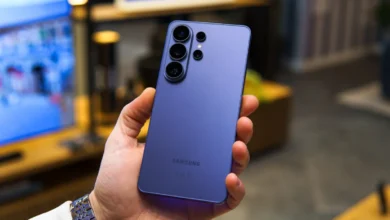
The January 2024 Galaxy Unpacked event introduced the Galaxy S24, S24+, and S24 Ultra, with a significant emphasis on "Galaxy AI" features. This marked a pivotal shift for Samsung, as it leaned heavily into artificial intelligence capabilities integrated directly into the device hardware and software experience. Features such as ‘Circle to Search with Google,’ Live Translate for real-time communication, and AI-powered photo editing tools were highlighted as transformative elements designed to enhance user interaction and productivity. The S24 Ultra, in particular, garnered attention for its titanium frame, flat display, and enhanced camera system, maintaining its position as Samsung’s premium offering.
Market analysts closely monitor these launches for several reasons. Samsung consistently holds a substantial share of the global smartphone market, often vying with Apple for the top position. The success or challenges faced by its flagship series have ripple effects across the supply chain and consumer markets. For instance, early reports indicated strong pre-order performance for the Galaxy S24 series, particularly the Ultra model, suggesting a positive consumer reception to the AI-centric enhancements. This strategic pivot towards on-device AI capabilities is seen as a direct response to the broader industry trend of integrating generative AI into consumer electronics, pushing the boundaries of what smartphones can achieve. The podcast discussion would likely have explored how these advancements challenge competitors, including Google’s own Pixel line, which has long championed AI and computational photography. The implications for Android’s ecosystem, the future of mobile software, and the ongoing race for AI supremacy in personal devices would have been central to the hosts’ analysis.

The Enduring Legacy of the Original Google Pixel Fold
The discussion then shifted to Google’s inaugural foldable device, the Pixel Fold, and its lasting impact on the nascent foldable market. Launched in June 2023, the Pixel Fold marked Google’s highly anticipated entry into the premium foldable segment, positioning itself as a direct competitor to Samsung’s established Galaxy Z Fold series. Google’s approach with the Pixel Fold was distinct, featuring a wider, shorter external display that offered a more conventional smartphone experience when closed, contrasting with the narrower aspect ratio of its primary rival. When unfolded, it presented a spacious 7.6-inch internal display, designed for enhanced multitasking and media consumption.
From a technological standpoint, the Pixel Fold showcased Google’s prowess in software optimization, particularly for the foldable form factor. Its Tensor G2 chip powered a suite of AI-driven features, including advanced computational photography and efficient performance management. The device also introduced unique software elements like a redesigned taskbar and split-screen functionality tailored for its expansive inner display, leveraging the clean Android experience Google is known for.
However, the Pixel Fold’s journey was not without its challenges. Upon release, it faced scrutiny regarding its hefty price tag, starting at $1,799, placing it firmly in the ultra-premium category. Durability concerns, a common apprehension with early foldable devices, also surfaced, particularly regarding the display’s crease and the hinge mechanism. Some reviewers noted its considerable weight and thickness compared to traditional slab phones, and battery life, while adequate, did not always meet the expectations set by its premium pricing. Despite these criticisms, the Pixel Fold was lauded for its innovative form factor, robust build quality (for a first-generation foldable), and superior camera performance, leveraging Google’s renowned image processing algorithms.
The legacy of the original Pixel Fold lies in its role as a foundational device for Google in the foldable space. It provided Google with invaluable real-world data and user feedback, essential for refining future iterations. More broadly, its existence validated the foldable category, signaling to the industry that Google, a key architect of the Android ecosystem, was committed to this innovative design. Its introduction intensified competition, pushing other manufacturers to innovate further and refine their own foldable offerings. The Pixel Fold, therefore, represents a crucial step in Google’s hardware strategy, demonstrating its ambition to shape the future of mobile computing beyond traditional smartphone designs and paving the way for potential future foldable devices that could address the initial model’s shortcomings while building upon its strengths.

The Evolving Future of Flip Phones
Perhaps one of the most intriguing segments of the podcast’s discussion revolved around the future viability and market trajectory of flip phones. This category, distinct from the larger book-style foldables like the Pixel Fold or Galaxy Z Fold, includes devices such as the Samsung Galaxy Z Flip series, Motorola Razr, and offerings from brands like OPPO and Tecno. These devices aim to combine the nostalgia of classic flip phones with modern smartphone capabilities, collapsing into a compact, pocketable form factor.
The resurgence of the flip phone began with Samsung’s introduction of the Galaxy Z Flip in 2020, followed by subsequent generations that incrementally improved durability, performance, and external display utility. Other manufacturers quickly followed suit, recognizing a niche for users seeking both portability and a touch of retro-futurism. The primary appeal of flip phones lies in their compact size when folded, making them incredibly easy to carry in small pockets or purses. The cover screen offers quick access to notifications, widgets, and even camera controls without needing to fully open the device. Furthermore, the ability to prop the phone at various angles (Flex Mode) for hands-free video calls or content consumption adds a layer of versatility not found in traditional smartphones. For many, flip phones also represent a fashion statement, a distinctive accessory that stands out in a sea of rectangular slabs.
Despite their growing popularity, flip phones face inherent challenges that could dictate their long-term future. Durability remains a concern, with the internal foldable screen susceptible to creases and potential damage over extended use. Battery life can also be a limiting factor, as the compact design often necessitates smaller battery capacities compared to non-foldable flagships. The price premium associated with foldable technology, while gradually decreasing, still makes them less accessible to a broader consumer base than conventional smartphones. Moreover, the internal specifications of many flip phones, while powerful, often lag slightly behind their bar-style counterparts in terms of raw processing power or camera prowess, due to design constraints.
However, market data suggests a strong growth trajectory for the foldable segment as a whole, with flip phones often outperforming book-style foldables in terms of unit sales due to their relatively lower price point and broader appeal. Analysts predict continued innovation in hinge design, screen durability, and battery efficiency, which could mitigate current drawbacks. The introduction of more affordable flip phone models from various brands is also expected to drive wider adoption. The podcast likely explored whether flip phones are destined to remain a niche luxury item or if they possess the potential to become a mainstream smartphone form factor, driven by technological advancements and evolving consumer preferences for design and convenience. The hosts would have weighed the ongoing trade-offs between form factor innovation and traditional smartphone capabilities, pondering the ultimate market penetration of these distinctive devices.

About Pixelated and 9to5Google Pro
Pixelated, the flagship podcast from 9to5Google, stands as a cornerstone for enthusiasts and professionals tracking the latest developments in the Android and Google ecosystem. Episode 109, featuring the insightful commentary of Damien, Abner, and Will, exemplifies the podcast’s commitment to delivering in-depth analysis and expert perspectives on critical industry topics. As seasoned tech journalists and commentators, the hosts bring a wealth of knowledge and a nuanced understanding of market trends, product strategies, and technological advancements to their discussions, making Pixelated an invaluable resource for staying informed.
For listeners seeking even deeper dives into the world of Google and Android, 9to5Google offers a premium membership, 9to5Google Pro. Subscribers gain access to exclusive content, including brand new weekly members-only Pixelated Pro bonus episodes, providing additional analysis and behind-the-scenes insights not available to the general public. This membership model supports independent tech journalism, allowing 9to5Google to continue producing high-quality, unbiased content for its dedicated audience.
The podcast itself is supported by sponsors like Proton Unlimited, a company renowned for its suite of privacy-friendly services. Proton Unlimited offers a comprehensive array of tools, including Proton VPN for secure internet browsing, Proton Mail for encrypted email communication, Proton Calendar for private scheduling, and Proton Drive for secure cloud storage. Their sponsorship highlights the increasing importance of digital privacy and security in an interconnected world, offering Pixelated listeners a 30% saving on an annual subscription through a dedicated link. This partnership underscores the podcast’s alignment with values of transparency and user empowerment in technology.
Engagement with the Pixelated community is actively encouraged, with listeners invited to provide feedback via email at [email protected] or by reaching out to the producer. Further discussions and community interaction are fostered through the official 9to5Google forums, creating a vibrant ecosystem for Android enthusiasts to connect, share insights, and debate the future of mobile technology. This multifaceted approach to content delivery and community building solidifies Pixelated’s position as a leading voice in the tech media landscape, providing both critical analysis and a platform for collective engagement.