The 2026 NFL season kicks off with a high-stakes rematch between the Seattle Seahawks and the New England Patriots.


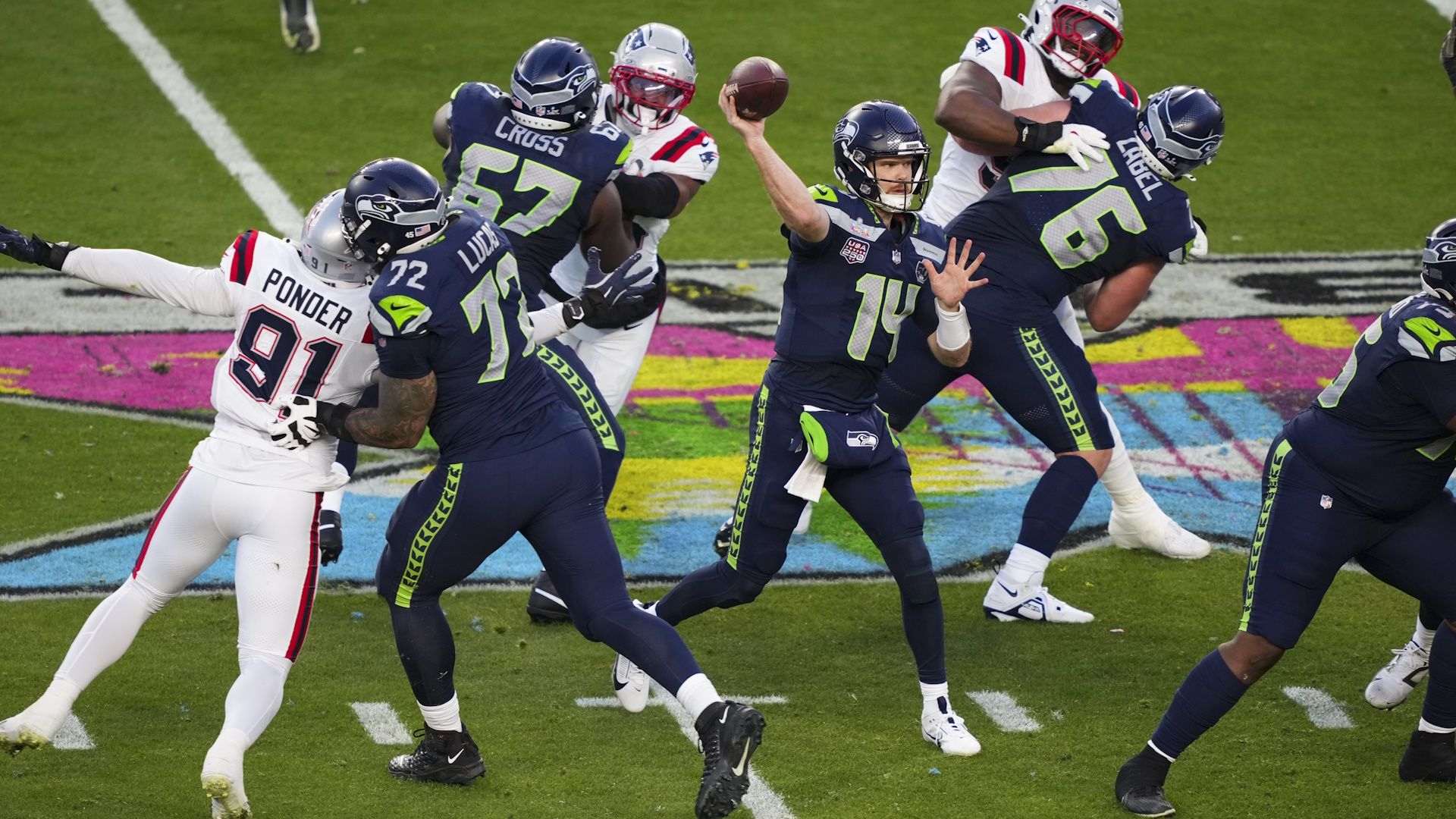
The National Football League returns to the gridiron this week, marking the official commencement of the 2026 regular season. In a scheduling decision that mirrors the climax of the previous year, the reigning champions, the Seattle Seahawks, will host the New England Patriots at Lumen Field on Wednesday, September 9. This opening encounter serves as a direct sequel to the most recent Super Bowl, where Seattle secured a decisive victory in Santa Clara to claim their second Lombardi Trophy in franchise history.
A Championship Rematch and the Road to 2026
The narrative arc of this opening game is centered on the contrast between a team looking to solidify a nascent dynasty and a storied franchise attempting to recapture its former glory. For the Seahawks, led by head coach Mike Macdonald and starting quarterback Sam Darnold, the goal is to build upon the momentum generated by their dominant postseason performance last February. Despite a winless streak during their three-game preseason slate, the Seahawks organization remains focused on their defensive depth and the consistency of their offensive scheme.
The New England Patriots arrive in Seattle under different circumstances. Nearly a decade has passed since the Patriots last hoisted the Vince Lombardi Trophy, a period marked by the end of the legendary Tom Brady-Bill Belichick era and a subsequent transition phase. However, the 2025 season provided evidence of a significant turnaround, with the team finishing with an impressive 14-3 record. Under the guidance of Mike Vrabel, the Patriots have revamped their offensive roster, featuring playmaker A.J. Brown and versatile lineman Alijah Vera-Tucker, all anchored by the development of quarterback Drake Maye.
The Logistics of the Kickoff Game
The contest is scheduled for a Wednesday night prime-time slot, with kickoff slated for 8:20 p.m. ET. As the league continues to expand its international reach, global viewership options have been standardized to accommodate fans in various time zones.
For viewers within the United States, the game will be broadcast nationwide on NBC. The NFL’s ongoing digital expansion ensures that the game is also available via simulcast on the Peacock streaming service. For cord-cutters, services such as Sling TV, Fubo, YouTube TV, and Hulu + Live TV provide access to local network broadcasts. Additionally, NFL+ remains an option for fans looking for out-of-market coverage.
In international markets, accessibility varies. New Zealand viewers have the benefit of free-to-air coverage via the Duke channel and the TVNZ+ platform. In the United Kingdom, the broadcasting rights are held by Sky Sports, with additional coverage available via the NFL Game Pass on DAZN. Canadian audiences can access the game through CTV, TSN, and RDS, with streaming available via the Crave platform. Australian fans are directed toward ESPN, accessible through Foxtel, Kayo Sports, and Disney Plus.
Roster Management and Injury Concerns
As both teams enter the regular season, roster stability remains a primary concern for the coaching staffs. Head coach Mike Macdonald has publicly expressed frustration regarding recent injury setbacks in the secondary, specifically the loss of safety options Ty Okada and Bud Clark. These absences may force the Seahawks to adjust their defensive packages during the opening week to prevent the high-powered Patriots passing attack from exploiting gaps in the secondary.

Conversely, the Patriots are entering the season with a relatively healthy starting lineup. The integration of high-profile acquisitions like A.J. Brown suggests that New England’s offensive strategy will be more aggressive than in previous years. Analysts have pointed to the 2025 win-loss record as a barometer for success; the challenge for the Patriots in 2026 is to prove that their success was not a statistical anomaly but a structural improvement under the current coaching regime.
Chronology of the 2026 NFL Kickoff Week
The scheduling of the NFL Kickoff Game on a Wednesday is a departure from the traditional Thursday night opener, a decision influenced by unique broadcast considerations and the desire to maximize global viewership. The league office has indicated that this specific date allows for a more cohesive opening week of football, ensuring that the momentum from the opener flows directly into the Sunday slate of games.
- September 9: Official start of the 2026 Regular Season.
- September 9, 8:20 p.m. ET: New England Patriots vs. Seattle Seahawks at Lumen Field.
- September 10: Regular training and preparation for Week 2 fixtures begins for both teams.
Implications for the Competitive Landscape
This matchup serves as an early indicator of the power dynamics within the NFL for the 2026 season. For the Seahawks, a win would reinforce their status as the team to beat in the NFC. A victory would validate the team’s off-season adjustments and signal to the rest of the league that the loss of key personnel has not diminished their championship aspirations.
For the Patriots, a victory in Seattle would be a massive psychological boost. Defeating the reigning champions on their home turf would provide instant credibility to the “new era” in Foxborough. Furthermore, it would place immediate pressure on the rest of the AFC East, establishing an early lead in the divisional standings.

The Role of Technology in Modern Fan Engagement
As the NFL continues to prioritize digital access, the reliance on Virtual Private Networks (VPNs) has become a secondary topic of discussion among global sports fans. Because broadcasting rights are geographically locked, fans traveling internationally often utilize VPN services to maintain access to their domestic sports subscriptions. While this practice is common, it highlights the ongoing tension between globalized sports fandom and localized broadcasting rights.
Industry experts note that the increased reliance on streaming services like Peacock and DAZN marks a permanent shift in how professional sports leagues distribute content. The NFL’s strategy to prioritize digital simulcasts aims to capture a younger, more mobile-first demographic that is less likely to rely on traditional cable television.
Official Perspectives and Future Outlook
Neither organization has released extensive commentary on the specific tactical plans for the opener, as is standard procedure during the week leading up to a game. However, the general sentiment from league analysts is that this game will be decided by the effectiveness of the Patriots’ new offensive core against the established Seahawks defensive system.
The NFL’s commitment to high-profile openers is designed to maximize ratings and establish the narrative for the season. By pitting the champions against a formidable contender, the league creates a high-stakes environment that captures public interest from the first whistle. As the sun sets on the off-season, the focus shifts to the field, where the Seahawks and Patriots will provide the first data points of what promises to be a highly competitive 2026 campaign.

While the preseason results for the Seahawks were lackluster, historically, championship-caliber teams often prioritize internal development and injury mitigation over preseason wins. The true measure of their current form will only become apparent when the clock starts on Wednesday night. For New England, the path to reclaiming a Super Bowl title starts with proving they can compete with—and overcome—the current standard-bearers of the league. The stage is set at Lumen Field for what is expected to be a defining moment in the early season schedule.