Samsung S95H OLED TV Review: A New Benchmark for Flagship Displays with Enhanced AI and Dazzling Brightness

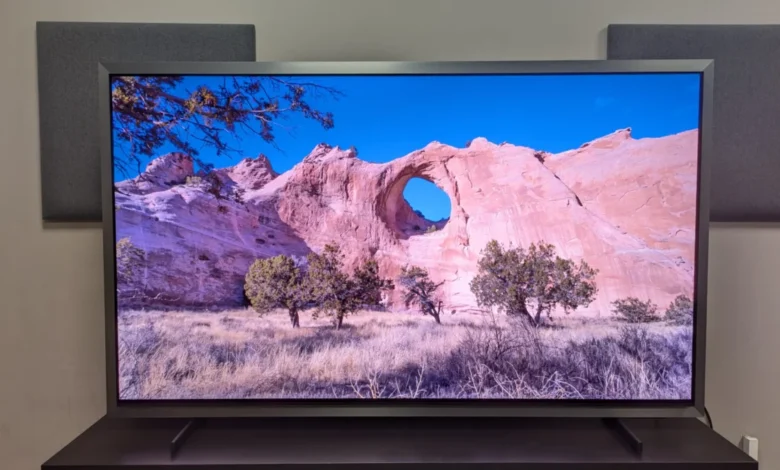
Samsung has officially solidified its position at the pinnacle of the premium television market with the release of the S95H, its flagship OLED offering for the 2026 lineup. Representing the fourth generation of the company’s foray into Quantum Dot OLED (QD-OLED) technology, the S95H is not merely an incremental update but a bold reimagining of what a high-end display can achieve in terms of peak luminance, color fidelity, and artificial intelligence integration. Designed to cater to cinephiles, professional gamers, and those with bright, sun-drenched living spaces, the S95H introduces the new "FloatLayer" design philosophy and the NQ4 AI Gen 3 processor, marking a significant technological leap over its predecessor, the S95F.
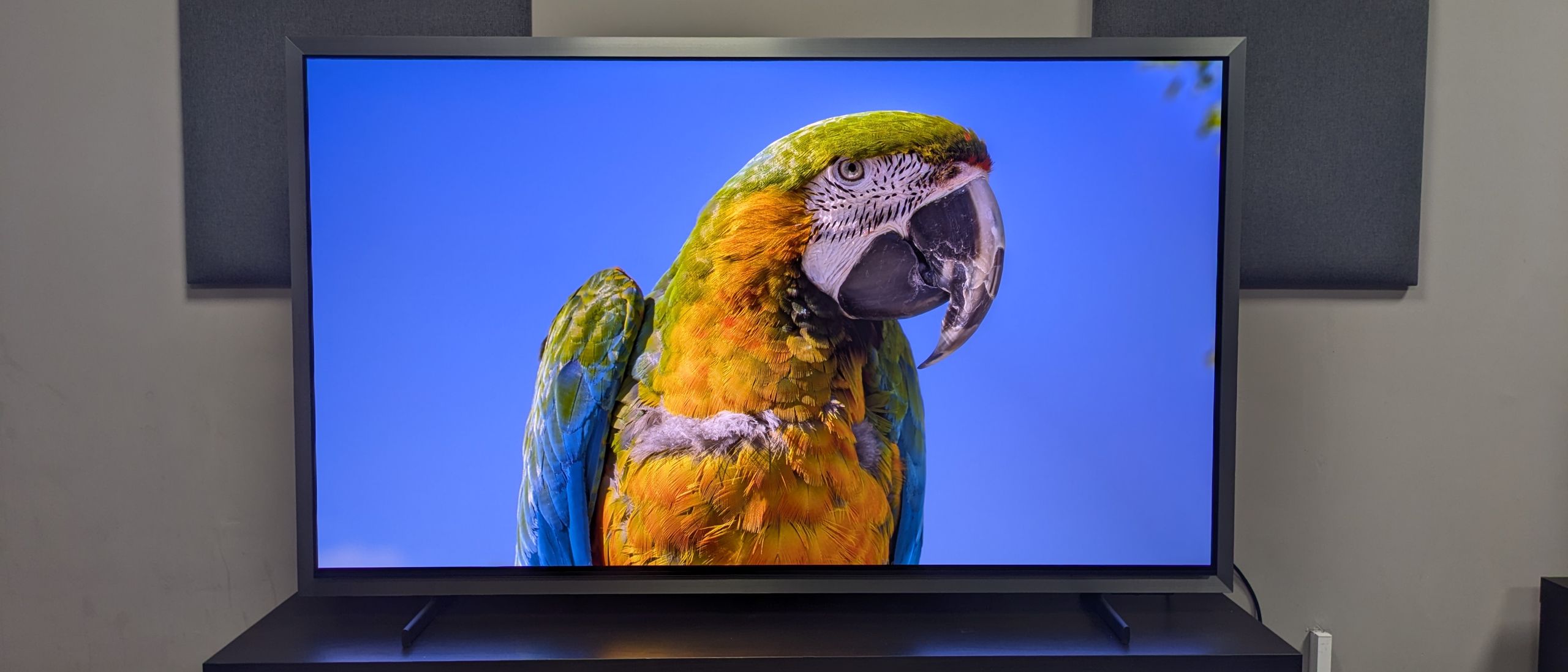
The launch of the S95H comes at a critical juncture in the "OLED wars," as Samsung continues to compete fiercely with LG’s traditional W-OLED panels. By pushing the boundaries of QD-OLED, Samsung aims to address the historical weaknesses of the format—specifically peak brightness and reflection handling—while maintaining the infinite contrast and ink-like blacks that have made OLED the preferred choice for home cinema enthusiasts.
Technological Evolution and Chronology of the S95 Series
The journey to the S95H began in 2022 with the introduction of the S95B, Samsung’s first QD-OLED TV, which disrupted a market long dominated by LG. Since then, the series has followed a trajectory of rapid improvement. The 2023 S95C introduced the One Connect Box to the OLED line, while the 2025 S95F focused on refining the "Glare Free" matte screen technology.
Released in June 2026, the S95H represents the culmination of these efforts. It arrived on the market alongside the mid-range S90H and the entry-level S85H, providing a tiered approach to Samsung’s OLED strategy. While the 55-inch, 65-inch, and 77-inch models utilize Samsung’s proprietary QD-OLED panels, the 83-inch variant reportedly utilizes a W-OLED panel sourced through a partnership with LG Display, as QD-OLED production has not yet scaled to that specific size. This hybrid sourcing strategy allows Samsung to offer a flagship experience across all major large-format sizes while maintaining the premium NQ4 AI Gen 3 processing across the entire range.
Unparalleled Picture Quality and Performance Data
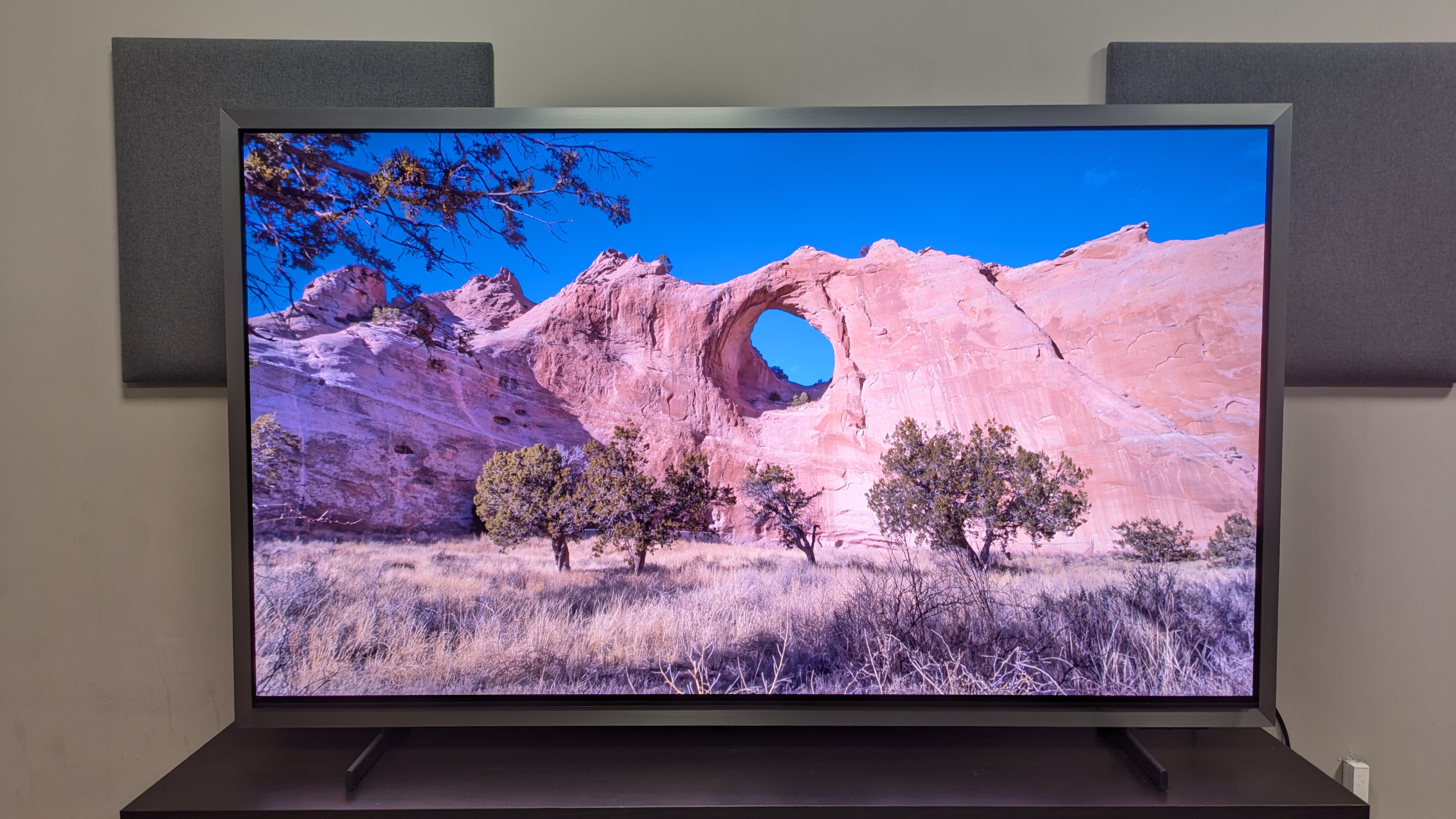
The defining characteristic of the S95H is its extraordinary brightness, which effectively bridges the gap between traditional OLEDs and high-end Mini-LED displays. In rigorous benchmark testing, the S95H achieved a peak HDR brightness of 2,739 nits in Filmmaker Mode on a 10% window. When pushed in Standard Mode, that figure climbed to 2,831 nits. This represents a nearly 30% increase over the S95F, which averaged approximately 2,132 nits in similar conditions.

Fullscreen brightness has also seen a substantial boost. The S95H registered 449 nits on a 100% white window in Filmmaker Mode, surpassing the 390 nits of its predecessor. This improvement is vital for maintaining HDR impact in scenes with high average picture levels, such as snowy landscapes or bright daylight sequences.
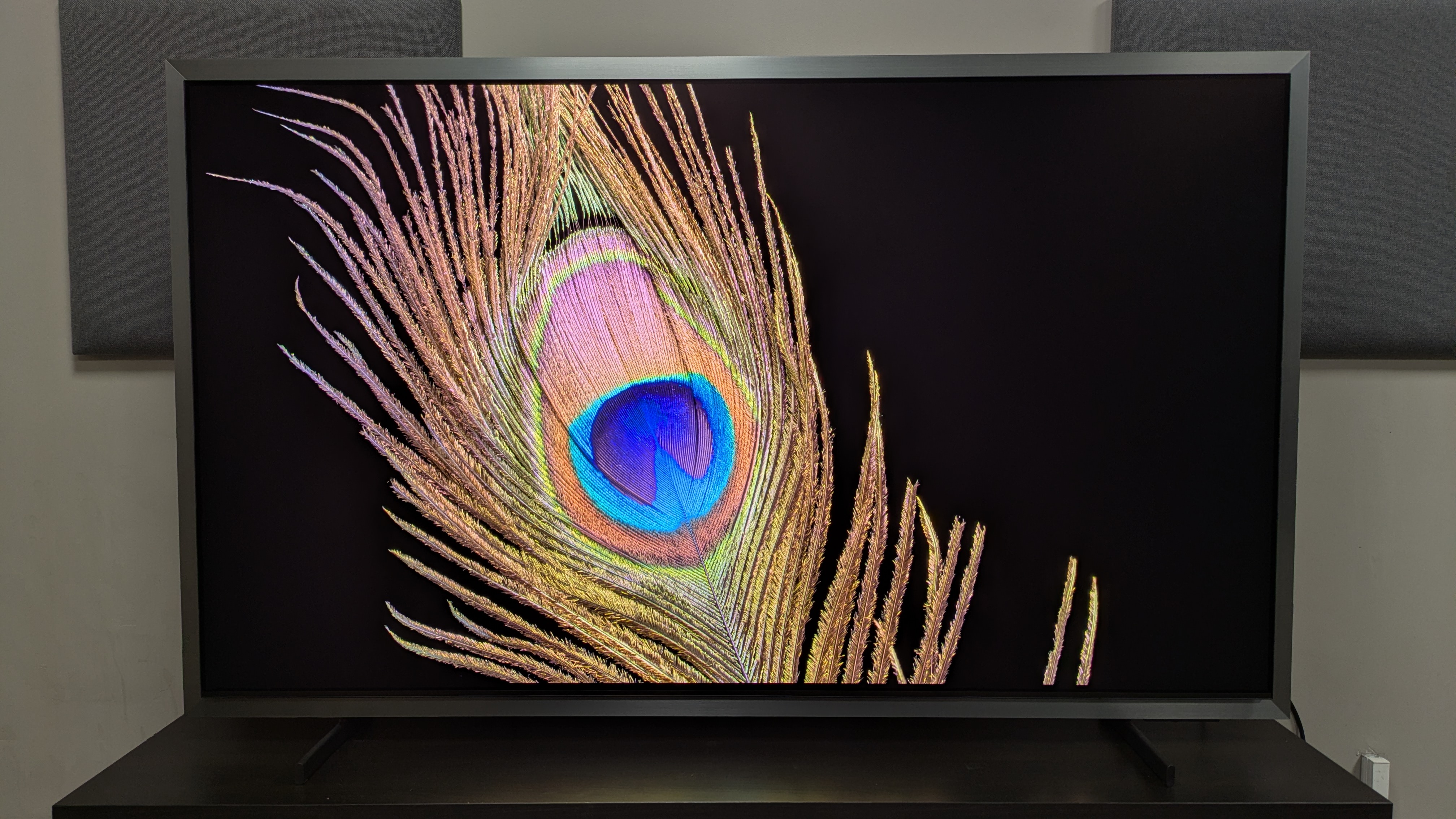
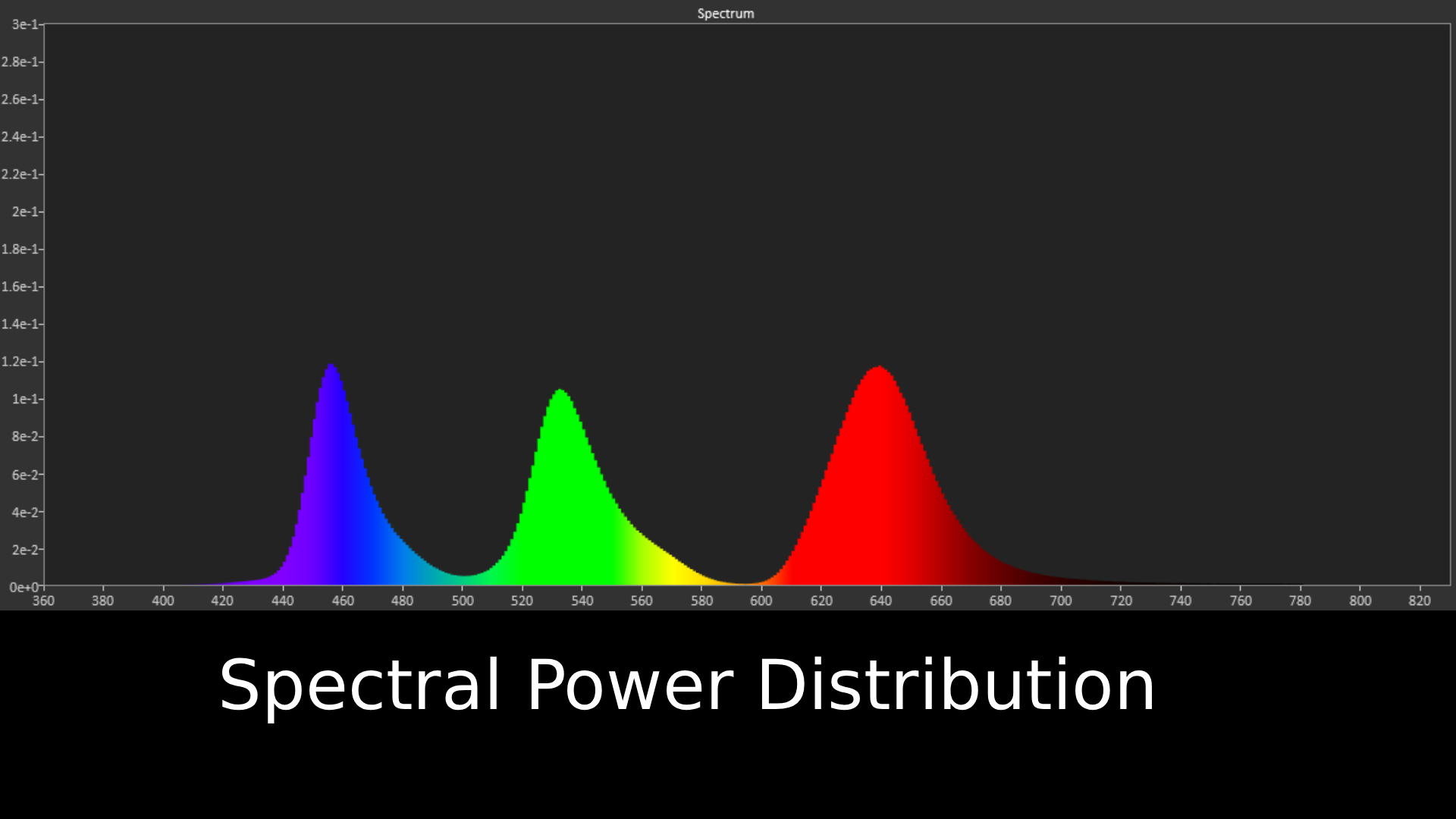
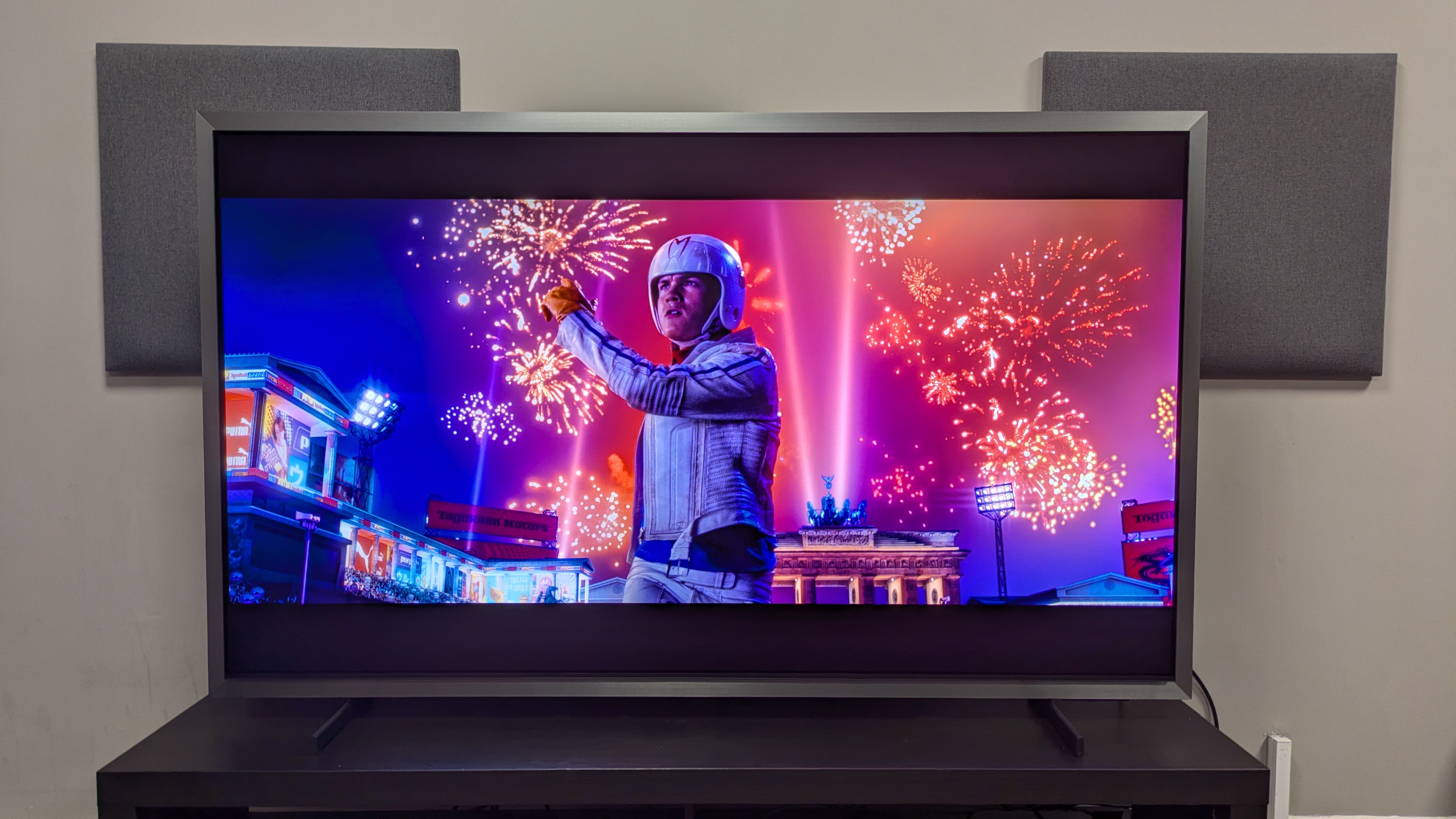
Color reproduction remains a hallmark of the QD-OLED experience. The S95H covers 99.97% of the DCI-P3 color space and an industry-leading 89.2% of the BT.2020 color space. These metrics translate to a level of color volume that traditional OLEDs struggle to match, particularly in the brightest parts of the image where colors usually begin to wash out. In cinematic tests using 4K Blu-ray transfers like Speed Racer and La La Land, the S95H demonstrated a dazzling ability to render vibrant primaries without sacrificing natural skin tones or subtle gradients.
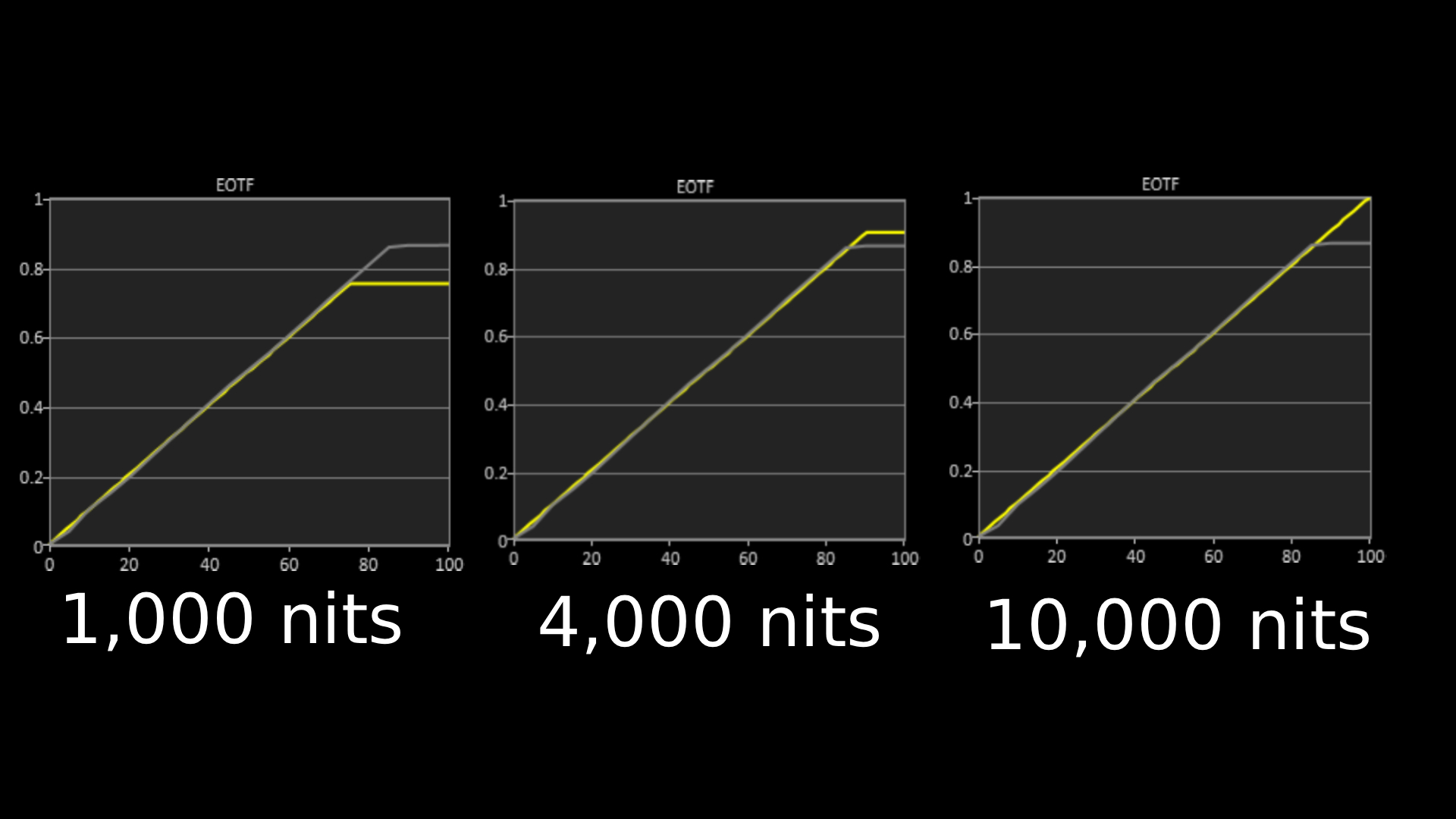
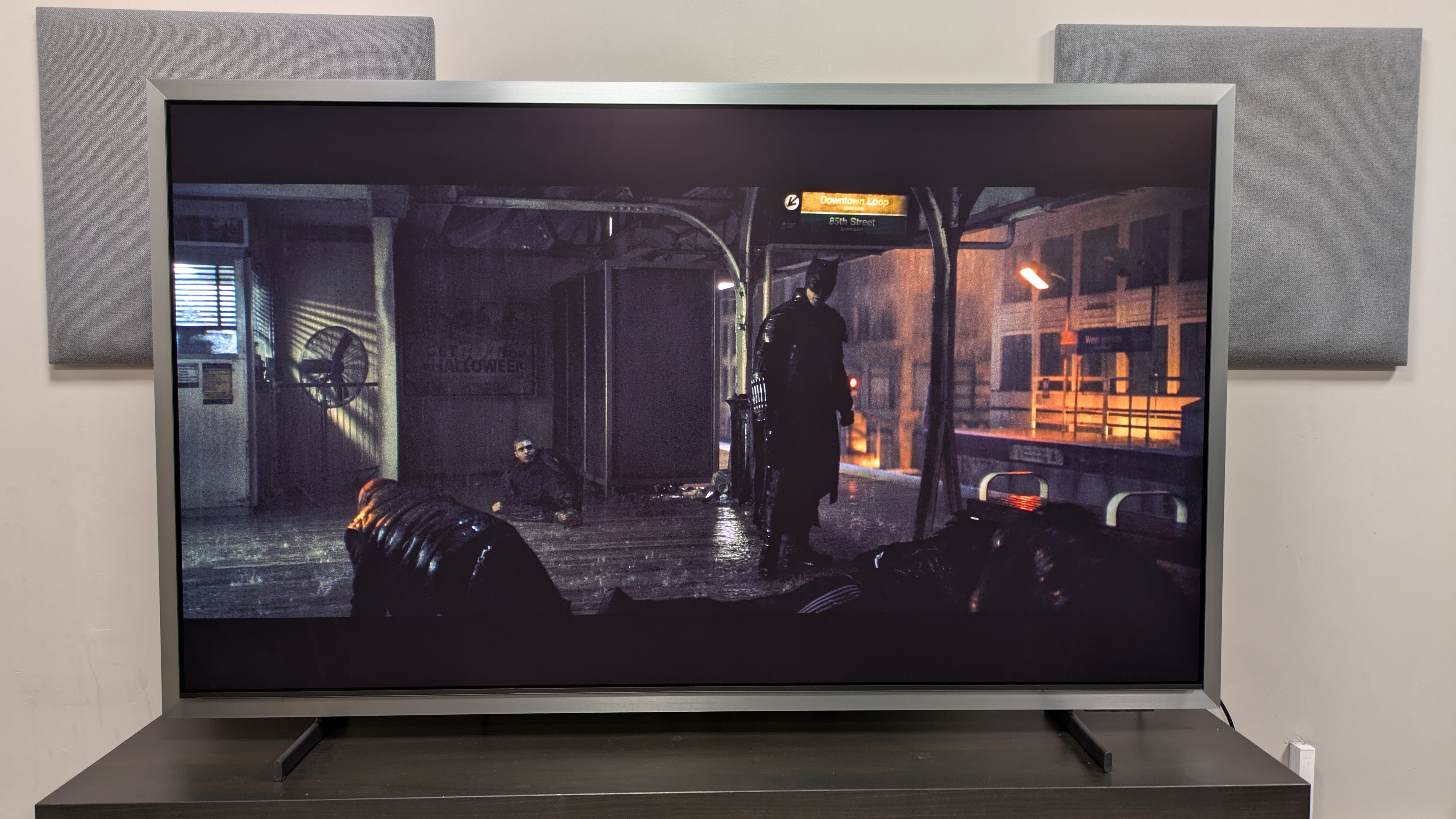
However, the pursuit of high contrast has led to some minor trade-offs. Testers noted instances of "black crush" in highly demanding dark scenes, such as those found in The Batman. While the TV delivers perfect blacks, it occasionally prioritizes those black levels at the expense of shadow detail, leading to a loss of texture in dark clothing or dimly lit environments. This can largely be mitigated by switching from Filmmaker Mode to Movie Mode in rooms with ambient light, though purists may find the slight loss of detail a point of contention.
The NQ4 AI Gen 3 Processor and Vision AI Suite
Central to the S95H’s performance is the NQ4 AI Gen 3 Processor. Samsung has shifted its marketing focus heavily toward "Vision AI," a suite of tools designed to optimize the viewing experience in real-time. Key features include:
- AI Motion Enhancer Pro: Designed to eliminate judder in fast-moving content like sports without creating the "soap opera effect."
- 4K AI Upscaling Pro: A sophisticated algorithm that cleans up low-resolution SDR content, making broadcast television and older streaming titles appear remarkably close to native 4K.
- AI Soccer Mode Pro: A specialized setting that optimizes green tones of the pitch and enhances the clarity of the ball while boosting crowd noise for a more immersive stadium feel.
- Vision AI Companion: An integrated AI assistant that can answer questions about the content on screen or provide recommendations based on viewing habits, with support for Microsoft Copilot.
Design Innovations and Controversy: The FloatLayer Aesthetic
Samsung has taken a significant risk with the physical design of the S95H. The new "FloatLayer Design" introduces a wide, silver frame that surrounds the panel, intended to give the screen a 3D, floating appearance when wall-mounted. This aesthetic choice is a departure from the "Infinity One" design of previous years, which focused on minimizing bezels.
Early reactions to the FloatLayer Design have been polarized. While it lends the TV a premium, gallery-like presence—fitting for its new "Art Mode" capabilities—the added width and height may create installation challenges for users with tight spaces. Furthermore, the silver frame can be reflective under certain lighting conditions, which some users find distracting during immersive movie sessions.
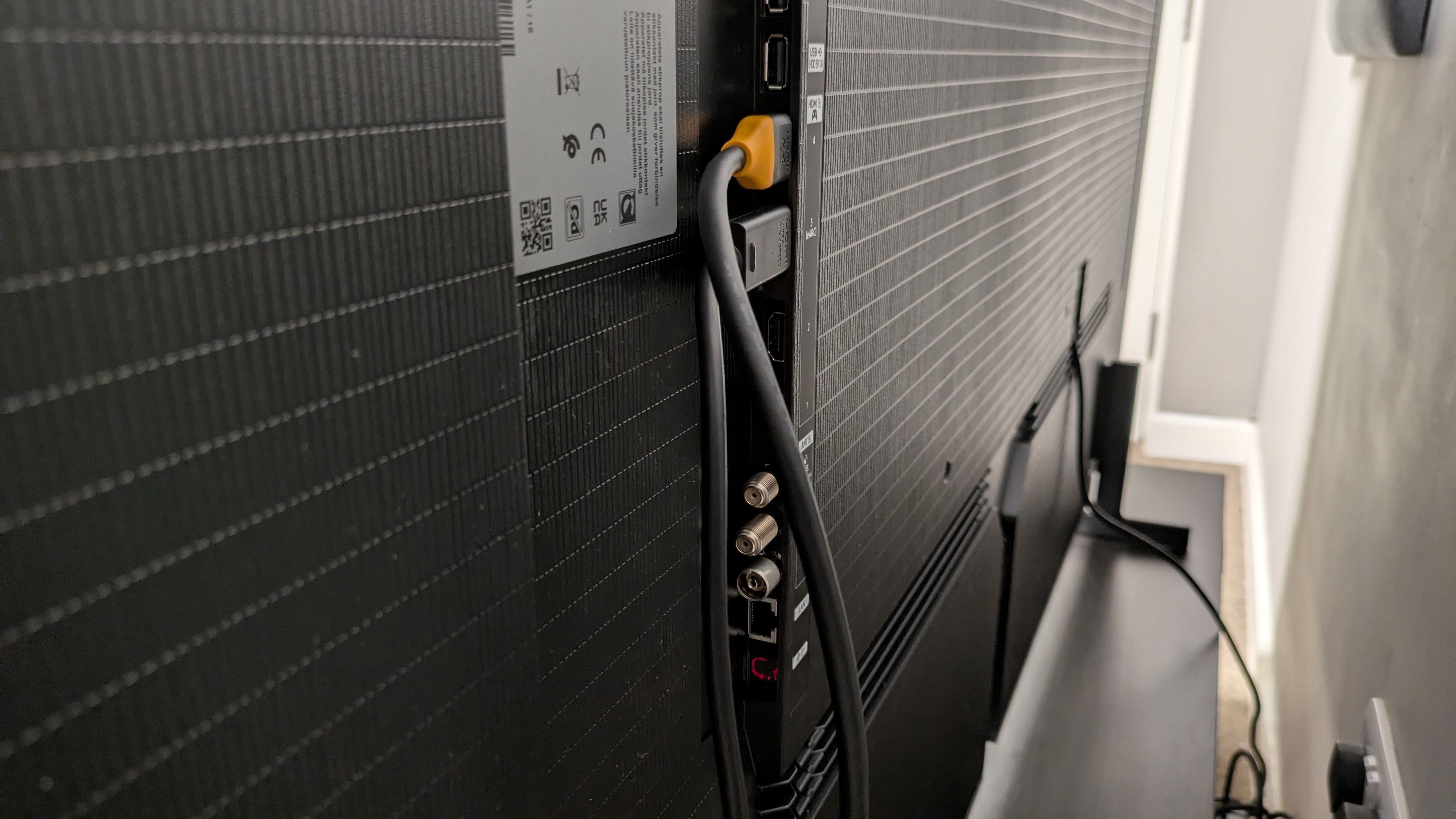
In another major shift, Samsung has moved away from the external One Connect Box for the 65-inch model, returning the ports to the rear of the chassis. While this simplifies the setup for those who do not wish to manage an external box, Samsung offers a "Wireless One Connect Box" as an optional accessory. Interestingly, this box can work in tandem with the built-in ports, potentially allowing for up to eight HDMI 2.1 connections, a feature currently unmatched in the consumer market.
A Powerhouse for Next-Gen Gaming
The S95H continues Samsung’s tradition of being the premier choice for gamers. All four built-in HDMI ports are 2.1-certified, supporting 4K resolution at refresh rates up to 165Hz. This makes the S95H one of the few televisions capable of taking full advantage of high-end PC gaming rigs as well as the PlayStation 5 and Xbox Series X.
Input lag is measured at a lightning-fast 9.5ms at 60Hz, dropping even further at higher refresh rates. The TV supports a comprehensive list of gaming technologies, including:
- AMD FreeSync Premium Pro and Nvidia G-Sync: Ensuring tear-free gameplay across all platforms.
- HGiG (HDR Gaming Interest Group): For accurate HDR tone mapping in games.
- Samsung Gaming Hub: A dedicated interface providing access to cloud gaming services like Xbox Cloud Gaming, Nvidia GeForce Now, and Luna without the need for a console.
Market Positioning and Competitive Analysis
With a launch price of $3,299 / AU$5,299 for the 65-inch model, the S95H is positioned firmly in the "ultra-premium" segment. Its primary competitor is the LG G6, which carries a similar price tag.
The choice between the two often comes down to viewing environment. The S95H features a matte "OLED Glare Free" coating that is exceptionally effective at diffusing direct light, making it the superior choice for rooms with large windows. However, the LG G6’s glossy screen often maintains better perceived black levels in moderately lit rooms, as matte screens can sometimes cause blacks to look slightly grey when hit by bright light.
Sony’s Bravia 8 II also remains a competitor, utilizing the same QD-OLED panel technology but focusing more on acoustic performance and "as-intended" cinematic accuracy. While the Sony might offer a more "natural" out-of-the-box calibration, the Samsung S95H wins on raw brightness and gaming features.
Broader Impact and Future Implications
The Samsung S95H represents a turning point where OLED technology has effectively neutralized the brightness advantage once held exclusively by LED-LCD TVs. By achieving nearly 3,000 nits, Samsung has proved that QD-OLED is a maturing technology with significant headroom for future growth.
Furthermore, the integration of "Art Mode" and "Generative Wallpaper" into the flagship OLED line suggests that Samsung is looking to merge its lifestyle "The Frame" series with its high-performance displays. This reflects a broader industry trend where televisions are no longer viewed merely as screens for entertainment but as integrated pieces of home decor.
As 2026 progresses, the S95H is expected to remain a top contender for "TV of the Year" awards. While the design changes may be divisive, the sheer technical prowess of the display—from its record-breaking brightness to its sophisticated AI processing—sets a high bar for the rest of the industry. For consumers seeking an elite viewing experience that excels in both dark-room cinema and bright-room casual viewing, the Samsung S95H is a formidable, albeit expensive, achievement in engineering.