The Unbundling of Ownership: How Subscription Models Are Redefining Our Relationship with Physical Products

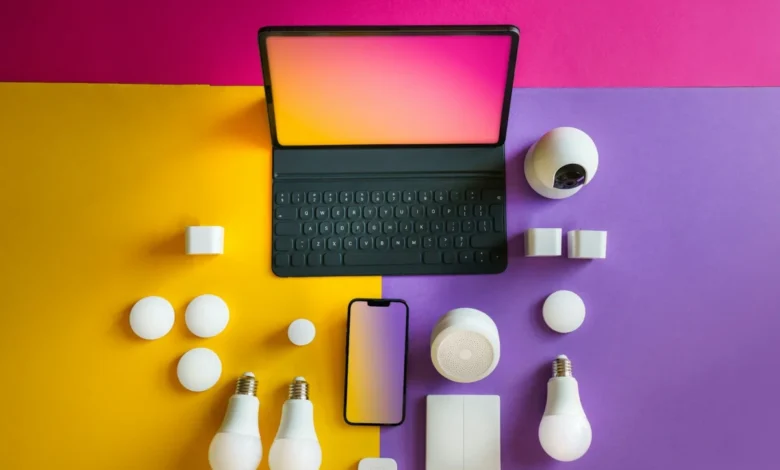
For generations, the act of purchasing a product inherently meant acquiring its full functionality. A new laptop arrived with its operating system and features fully accessible; a car’s hardware components were integral to its one-time cost; even a notoriously temperamental printer, once acquired, offered its full, albeit frustrating, capabilities without further recurring charges. This foundational understanding of ownership, deeply ingrained in consumer psychology, is now undergoing a profound transformation, particularly evident in the rapidly evolving landscape of smart home technology and other physical goods. The shift began subtly, with digital media and cloud storage adopting subscription models, but has since permeated into tangible assets like vehicles, fitness equipment, and an array of smart devices, where the initial purchase price increasingly represents merely an entry ticket to an ecosystem of recurring payments for core features.
The fundamental change in how consumers interact with their purchases has become strikingly apparent with incidents such as the smart bed that lost crucial functionality during an Amazon Web Services (AWS) outage. This event, which saw users unable to access features they had paid for due due to an external cloud service disruption, underscored the vulnerability and conditional nature of modern ownership. The CEO of the affected company, Matteo Franceschetti, publicly apologized on October 20, 2025, acknowledging the significant disruption to users’ sleep and outlining steps to restore features as AWS services recovered. Such an incident highlights a growing trend where products, once considered complete upon purchase, now arrive with implicit asterisks: the hardware is paid for, but critical features, remote access, cloud backup, AI tools, or advanced controls often require ongoing subscriptions to unlock their full potential, fundamentally altering the perceived value proposition and consumer rights.

The Evolving Definition of Ownership
The vision for the smart home was one of seamless integration and background operation, where technology would subtly enhance daily life without demanding constant attention or additional financial outlays. Instead, this ecosystem is increasingly mirroring the monetization strategies of traditional media businesses, albeit with more sophisticated hardware and polished branding. Devices such as wall-mounted screens, countertop speakers, and central dashboards are no longer mere hardware components; they act as curated gateways, influencing what content, services, and features are prominently displayed, effortlessly accessible, or, conversely, subtly obscured. This strategic control over the user interface (UI) transforms these devices into powerful gatekeepers, dictating the user experience and shaping consumer behavior.
Supporting data underscores the pervasiveness of these interfaces. Parks Associates reported that 61% of U.S. internet households utilize their smart TV as their primary streaming device. Roku, a leading smart TV platform provider, announced in January 2025 that it had surpassed 90 million streaming households, penetrating nearly half of all U.S. broadband homes. Similarly, Google confirmed in late 2024 that its Google TV and Android TV platforms collectively reached 270 million monthly active devices. These figures illustrate the immense reach and influence of these platforms, solidifying their position as central conduits for digital consumption and interaction within the home.
The Interface as the New Gatekeeper
The contemporary battleground in the smart home arena has shifted from the physical device itself to the underlying software layer. This battle centers on who controls the interface that determines feature visibility, content recommendations, and the seamless integration of services. This software layer is also where a significant portion of ongoing monetization resides. While hardware sales remain a one-time transaction, access, prominent display, and premium features can be monetized repeatedly through subscriptions, microtransactions, and data harvesting.

This strategic control has not gone unnoticed by regulators. In March 2026, European broadcasters lodged a pointed complaint, urging regulatory bodies to classify smart TV platforms and virtual assistants—operated by tech giants such as Google, Amazon, Apple, and Samsung—as potential "gatekeepers" under the European Union’s stringent tech regulations, specifically the Digital Markets Act (DMA). Their concerns were less about the physical appeal of the hardware and more about issues of access, discoverability, and whether consumers could freely navigate between services without being implicitly or explicitly steered back into a dominant company’s proprietary ecosystem. This echoes historical concerns in industries like cable television, where control over the "box" or distribution channel granted immense power over content delivery and consumer choice.
Convenience as a Mechanism for Coercion
The enduring appeal of the smart home rests on its promise of unparalleled convenience: reduced friction, less clutter, and minimized effort. The ability to command devices with a voice prompt or a tap on a screen epitomizes this allure. However, this convenience can subtly morph into a form of soft coercion. The path of least resistance often leads directly to the platform owner’s services, default settings, recommended content, or paid premium features.
The strategy is nuanced but effective. A system doesn’t need to explicitly block alternatives to narrow consumer choice; it merely needs to render one path exceptionally smooth and intuitive, while making others mildly inconvenient or less visible. Basic functionalities might remain free, but users are consistently nudged towards subscription tiers, add-ons, or deeper integrations that enhance the experience. Over time, this subtle guidance can erode genuine consumer choice, leading to a state where users passively drift into a company’s preferred ecosystem rather than actively selecting it. What initially appears as a neutral, user-friendly interface can, upon closer inspection, reveal a carefully constructed pathway designed to maximize recurring revenue.

The Inevitable March of Soft Fees
The cable television industry masterfully perfected a business model: control the central conduit, package convenience as a service, and subtly influence what viewers discover, pay for, and ultimately retain. The smart home ecosystem is now revitalizing this proven logic, repackaged with sleek hardware and modern aesthetics. The traditional cable box has been replaced by sophisticated TV operating systems, ubiquitous voice assistants, or comprehensive home dashboards. The role of the middleman persists, but with a more user-friendly, almost benign, presentation.
While there is a clear rationale for paying for software licenses, cloud storage, or services that incur genuine operational costs, the increasing expectation to pay recurring "permission slips" for hardware already purchased is generating significant consumer friction. The promise of the smart home was one of seamless integration and enhanced living; its current trajectory, however, often feels like a polite but persistent demand for double payment, extracting ongoing tribute for functionalities that many consumers believe should be inherent to their purchased devices.
When major industry players converge on this unified subscription-driven approach, convenience can act as a powerful set of blinders for consumers. It keeps their attention focused squarely on the immediate ease and speed of interaction, diverting their gaze from the underlying implications: the creeping subscription fees, the erosion of true ownership and agency, and the steady, often invisible, extraction of personal data and attention. Regulatory bodies may eventually intervene to determine the acceptable boundaries of these practices. In the interim, consumers are increasingly finding themselves in a position where they must pay extra to unlock the full, "best version" of the hardware they believed they already owned outright. This ongoing redefinition of ownership necessitates a broader societal conversation about consumer rights, digital access, and the future of product consumption in an increasingly connected, subscription-centric world.