The boundary between midrange and premium home entertainment technology has become increasingly porous as 2026 begins, and the Hisense U7SG stands as a primary exhibit of this industry-wide shift. For years, the U7 series has served as the "sweet spot" in the Hisense lineup, offering a balance of performance and affordability that has consistently challenged established giants like Samsung and Sony. However, with the release of the U7SG, Hisense has integrated several design cues and hardware specifications previously reserved for its flagship models, signaling an intent to capture a larger share of the enthusiast market. While the television introduces significant upgrades in industrial design and peak brightness, it arrives at a time of unprecedented technological transition, as the company simultaneously prepares to launch its revolutionary RGB LED backlighting in higher-tier models.
A Strategic Shift in Design Aesthetics
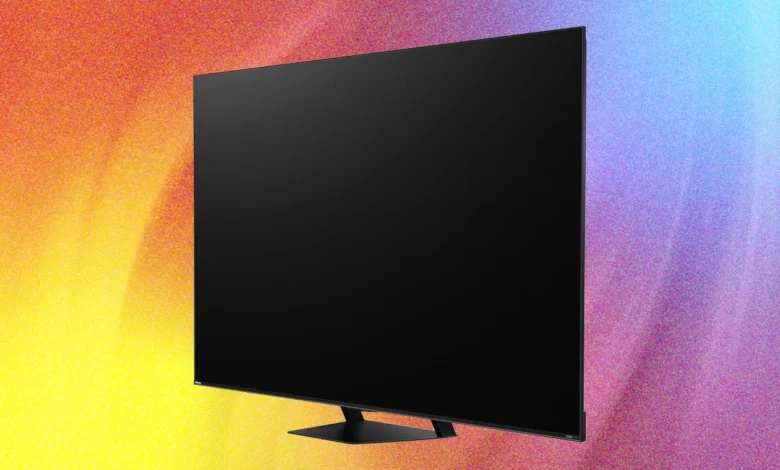
The physical profile of the Hisense U7SG reflects a departure from the utilitarian plastic finishes of previous generations. The most immediate change is the inclusion of a rugged, industrial-grade metal stand. The base plate is notably heavy, adding approximately 10 pounds to the weight of the 65-inch model, which brings the total assembly to over 53 pounds. This design choice is not merely cosmetic; the added mass provides a level of stability that is often lacking in the midrange segment, where wobbly feet are a common complaint.
.jpg)
In addition to the revised stand, Hisense has implemented an anti-reflective matte screen finish. This feature, historically found in premium lifestyle sets like Samsung’s "The Frame" or high-end QLEDs, is designed to diffuse ambient light rather than reflect it. This makes the U7SG a viable candidate for bright living rooms with multiple windows, addressing one of the primary criticisms of high-gloss LED panels. The rear of the unit also sees an upgrade in audio hardware, featuring dual woofers designed to provide a more robust soundstage than the standard downward-firing speakers found in competing budget models.
The Technical Architecture of Mini-LED Backlighting
At the core of the U7SG’s performance is its Mini-LED backlighting system. This technology utilizes thousands of microscopic LEDs to illuminate the screen, allowing for more precise control over local dimming zones. By shrinking the light source, the television can achieve deeper black levels while maintaining high peak brightness in localized areas—a feat that traditional LED-LCD TVs struggle to replicate.
.jpg)
In laboratory and real-world testing, the U7SG demonstrates a significant leap in luminance. The panel is capable of reaching brightness levels approximately three times higher than the standard requirements for compressed streaming content. This overhead is crucial for High Dynamic Range (HDR) performance, allowing the TV to render specular highlights—such as sunlight reflecting off water or the glow of a lightsaber—with a level of intensity that adds a sense of realism to the image.
However, the pursuit of brightness comes with technical challenges. The U7SG utilizes a sophisticated local dimming algorithm, which Hisense sets to "High" by default. While this maximizes contrast in most scenes, it can occasionally produce a "haloing" or "blooming" effect around bright objects on dark gray backgrounds. Industry analysts note that while Mini-LED has narrowed the gap between LCD and OLED technology, the former still relies on software processing to manage light leakage, a factor that remains a point of contention for videophiles.

Software Integration and the Google TV Interface
The U7SG continues Hisense’s partnership with Google, utilizing the Google TV smart platform. The 2026 iteration of this interface is noted for its responsiveness, powered by an upgraded chipset that eliminates the lag often associated with built-in smart TV software. The system allows users to aggregate content from various streaming services into a single, cohesive "For You" tab, and it offers deep integration with the Google ecosystem, including the ability to use Google Photos as a high-resolution screen saver.
Despite the snappy performance of the on-screen menus, the setup process has encountered minor hurdles due to updates in the Google TV mobile application. Unlike previous years where the "Google Home" app facilitated a seamless transition of credentials from phone to TV, the new dedicated app has shown inconsistencies in device discovery. This necessitates a more manual setup process via the remote control, though the total time to reach a functional state remains under ten minutes for most users.

High-Performance Gaming and Future-Proofing Connectivity
One of the strongest arguments for the U7SG is its comprehensive support for modern gaming hardware. The television features a native 4K resolution with a variable refresh rate (VRR) that can reach up to 165 Hz. This is a notable increase from the 120 Hz or 144 Hz standards found in many 2025 models, making it particularly attractive to PC gamers utilizing high-end NVIDIA or AMD graphics cards.
For console gamers on the PlayStation 5 or Xbox Series X, the U7SG supports Auto Low Latency Mode (ALLM) and Dolby Vision Gaming. Crucially, Hisense has equipped the unit with four HDMI ports that support the latest gaming features, a move that places it ahead of several premium competitors that often limit high-bandwidth HDMI 2.1 features to only two of their four ports. The inclusion of an on-screen "Game Bar" allows players to monitor frame rates and adjust HDR settings in real-time without exiting their game, a feature that has become a requirement in the competitive gaming landscape.

Comparative Market Analysis and the RGB LED Factor
The U7SG arrives in a complex market environment. Its release coincides with Hisense’s announcement of the UR8 series, which will debut the company’s RGB LED technology. Traditional Mini-LED TVs use blue or white LEDs passed through a color filter; RGB LED technology uses clusters of red, green, and blue LEDs as the backlight itself. This promises a massive leap in color volume and accuracy.
The existence of the UR8 creates a "fear of missing out" (FOMO) for potential U7SG buyers. While the U7SG is a highly capable television, it represents the refinement of existing technology rather than the introduction of the next generation. For consumers, the decision hinges on the value proposition. The U7SG is positioned as a high-performance budget-friendly option, whereas the UR8 is expected to carry a significant price premium upon its release later in 2026.

Calibration and Real-World Visual Limitations
While the hardware of the U7SG is impressive, its out-of-the-box software calibration has drawn criticism from technical reviewers. A specific feature known as "Dynamic Tone Mapping," set to a "Details Preferred" mode by default, has been observed to alter the appearance of cinematic content significantly. In high-bitrate 4K Blu-ray tests, such as Mad Max: Fury Road, the setting can make live-action footage appear overly processed, almost resembling high-end animation.
Furthermore, the U7SG continues to struggle with off-angle viewing, a common limitation of the VA (Vertical Alignment) panels typically used in this series to achieve high contrast. When viewed from more than 20 to 30 degrees off-center, colors begin to desaturate, and the "dirty screen effect"—unevenness in the backlight—becomes more apparent. These issues are less noticeable in dark room environments or when sitting directly in front of the screen, but they remain a factor for large family rooms with wide seating arrangements.

Industry Implications and the 2026 Consumer Outlook
The trajectory of Hisense in 2026 reflects a broader trend in the consumer electronics industry: the commoditization of high-end features. Features that were considered revolutionary three years ago—Mini-LED, 165 Hz refresh rates, and matte anti-reflective coatings—are now being integrated into midrange models. This pressure from Chinese manufacturers has forced market leaders like Samsung and Sony to pivot toward even more expensive display technologies, such as Micro-LED and QD-OLED, to maintain their premium status.
Chronologically, the U7SG represents the first phase of Hisense’s 2026 rollout. It serves as a bridge between the reliable performance of the 2025 U75QG and the experimental frontier of the upcoming RGB LED sets. For the average consumer, the U7SG offers a "premium-lite" experience. It provides the brightness and gaming features necessary for a high-quality home theater without the four-figure price tag associated with flagship OLEDs.

In conclusion, the Hisense U7SG is a formidable contender in the 2026 television market, though its success may ultimately depend on its retail pricing strategy. Historically, Hisense models see significant price reductions a few months after launch. As the industry moves toward larger screen sizes—exemplified by the U7SG’s availability in sizes up to 116 inches—the value of a high-brightness, Mini-LED panel becomes even more apparent. While it may not be the "ultimate" display in a year defined by the arrival of RGB LED technology, it offers a refined, powerful, and aesthetically pleasing option for those looking to upgrade their viewing experience today.