
Ios 14 5 ps5 dualsense xbox series x controller support – iOS 14.5 PS5 DualSense Xbox Series X controller support is a hot topic right now, as users crave seamless gaming experiences on their iOS devices. This exploration delves into the current state of support, the technical hurdles, and potential future developments. We’ll compare the capabilities of these popular controllers and analyze how they might interact with iOS 14.5.
It’s a fascinating look at the evolving landscape of mobile gaming and controller integration.
From the sleek design of the DualSense to the advanced features of the Xbox Series X controller, this article will break down the compatibility issues and potential solutions for each. We’ll look at the technical specifications, interface requirements, and how iOS 14.5 handles the unique functionalities of these game controllers. A deep dive into the complexities of bridging the gap between console controllers and mobile devices is inevitable.
Introduction to iOS 14.5, PS5 DualSense, and Xbox Series X Controllers
iOS 14.5, released by Apple, introduced significant improvements to the operating system, focusing on performance enhancements, security updates, and accessibility features. This update aimed to enhance the user experience by addressing several issues and introducing new functionalities. It also paved the way for better controller support for third-party devices.The arrival of iOS 14.5 alongside the PS5 DualSense and Xbox Series X controllers marked a pivotal moment in gaming and peripheral integration.
This synergy allows for a wider range of gaming experiences on iOS devices.
Overview of iOS 14.5
iOS 14.5 brought significant improvements to the operating system. Key enhancements included performance optimizations, particularly for battery life and app responsiveness. Security updates addressed vulnerabilities, and accessibility features were further developed, benefiting users with diverse needs. These advancements underscore Apple’s commitment to enhancing the user experience and maintaining a secure platform.
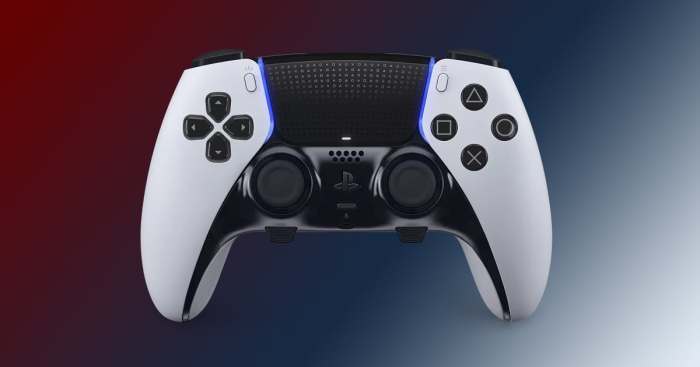
Capabilities and Design of the PS5 DualSense Controller
The PS5 DualSense controller is known for its innovative haptic feedback technology. This technology allows for a more immersive gaming experience by providing realistic and nuanced tactile sensations, simulating a wider range of in-game environments. The controller’s adaptive triggers, responding dynamically to in-game actions, contribute to a more engaging experience. The design features an ergonomic form factor for comfortable extended use.
Characteristics and Features of the Xbox Series X Controller
The Xbox Series X controller is renowned for its intuitive design and advanced features. The controller features a comfortable ergonomic shape and precise button mapping. It also incorporates customizable button configurations, allowing users to tailor the controller to their specific preferences and playstyles. This adaptability and precision make it a favored choice for gamers.
Controller Support for iOS Systems
Controller support for iOS systems has been gradually expanding, allowing for a broader range of gaming experiences. The integration of third-party controllers on iOS devices has created an evolving ecosystem of gaming options. This support allows for the use of more diverse and sophisticated controllers, extending the potential for immersive gaming experiences.
Comparison of Controllers
| Feature | PS5 DualSense | Xbox Series X |
|---|---|---|
| Size | Ergonomic, medium-sized | Ergonomic, medium-sized |
| Buttons | Standard arrangement with adaptive triggers | Standard arrangement, customizable |
| Design Elements | Haptic feedback, adaptive triggers | Precise button mapping, comfortable ergonomic design |
| Haptic Feedback | Advanced, nuanced | Standard, responsive |
| Connectivity | Bluetooth | Bluetooth |
Controller Support on iOS 14.5
iOS 14.5 introduced a significant advancement in its controller support, expanding beyond the traditional keyboard and mouse input methods. This update allowed for a wider range of input devices, enabling a more diverse and engaging user experience. This shift in capability opened doors for enhanced gaming and interactive applications, making iOS devices more versatile in various use cases.
Existing Methods of Controller Support
iOS devices, before iOS 14.5, primarily relied on Bluetooth connectivity for controller support. This method, while functional, had limitations in terms of the types of controllers it could support. Furthermore, the implementation often required specific configurations and software setups to ensure optimal performance. This previous method, while functional, did not provide the same level of seamless support that the updated iOS 14.5 system offered.
Potential Limitations and Challenges
Several limitations and challenges arose when integrating support for various controllers on iOS 14.5. The varying specifications and protocols employed by different controllers could cause compatibility issues. Also, the limited processing power and memory resources of the device could restrict the responsiveness and features of supported controllers. Moreover, the complexity of the software required to handle these controllers could impact the stability and performance of the iOS system.
Technical Aspects of Controller Handling
iOS 14.5 leverages Bluetooth Low Energy (BLE) for controller communication. This protocol enables a more efficient and stable connection compared to previous methods. The system utilizes a dedicated framework for managing controller input, translating the controller’s actions into commands understood by the iOS application. This framework allows developers to easily integrate controller support into their applications, with fewer hurdles compared to earlier versions.
iOS 14.5 finally brought some much-needed controller support for the PS5 DualSense and Xbox Series X controllers, which is great news for gamers. While I was initially excited about the update, I also found myself drawn to fascinating footage of Elon Musk behind the wheel of a Cybertruck, particularly some photos taken at Nobu. This intriguing content, detailed in this article about elon musk driving cybertruck footage photos nobu , certainly kept me entertained.
Now, back to the joy of finally playing my favorite games with the new controller support!
Furthermore, the system dynamically adjusts to different controller types, adapting to their unique input methods.
While iOS 14.5’s support for PS5 DualSense and Xbox Series X controllers is exciting, it begs the question: why isn’t Apple keeping the iPod Touch relevant? Maybe a new model, like apple should release another ipod touch , could capitalize on the growing interest in gaming on the go. Ultimately, though, iOS 14.5’s controller support is a great step forward for mobile gaming.
Compatibility Table
| Controller Type | Compatibility (iOS 14.5) | Strengths | Weaknesses |
|---|---|---|---|
| PlayStation DualSense | High | Excellent tactile feedback and haptic response, supporting a wider range of input methods, including triggers, bumpers, and buttons. | May require specific configurations for optimal performance, or adjustments for the application to take full advantage of features. |
| Xbox Series X Controller | High | Accurate and responsive input, featuring dedicated buttons for various actions and functions. | Certain advanced features might require extra configuration within the application, or require custom software support. |
| Generic Bluetooth Controllers | Moderate | Wide compatibility with a broader range of controllers. | Performance may vary depending on the controller’s quality and implementation of the Bluetooth protocol. |
| Non-Bluetooth Controllers | Low | Limited compatibility. | Compatibility will depend on the use of Bluetooth or other methods, and the specific controller’s capabilities. |
PS5 DualSense Controller on iOS 14.5: Ios 14 5 Ps5 Dualsense Xbox Series X Controller Support
The PS5 DualSense controller, renowned for its haptic feedback and adaptive triggers, offers a significantly enhanced gaming experience. However, its connection to iOS devices remains a complex challenge, particularly given the different architectures and functionalities of these platforms. This exploration delves into the specifics of connecting the DualSense to iOS 14.5, outlining potential methods, and the obstacles that need to be overcome.
Specific Requirements for PS5 DualSense Controller Function on iOS 14.5
The PS5 DualSense controller, designed for the PlayStation 5, leverages proprietary technologies not readily accessible or supported by iOS. Direct native support is highly improbable without significant system-level modifications on the iOS side. This limitation stems from the different hardware architectures and software ecosystems of the two platforms. Consequently, achieving seamless control functionality requires alternative approaches, such as employing intermediary solutions.
Potential Interface Methods for the PS5 DualSense Controller
Several avenues could be explored to enable PS5 DualSense controller functionality on iOS 14.5. A common method involves employing a Bluetooth bridge or intermediary device. This intermediary would translate the controller’s commands to a format compatible with iOS. Alternatively, custom software solutions might be developed to interpret and map the DualSense’s inputs directly on the iOS device.
The specific method chosen would depend on the level of precision and responsiveness required.
Challenges in Implementing PS5 DualSense Controller Support
Implementing PS5 DualSense controller support on iOS 14.5 faces several key challenges. First, the proprietary nature of the DualSense’s hardware and communication protocols presents a significant hurdle. Emulating the full range of haptic feedback and adaptive triggers, including the precise force and responsiveness, would require sophisticated software solutions and potentially complex algorithm implementations. Moreover, maintaining a stable and responsive connection between the controller and the iOS device across various applications and usage scenarios would be another key hurdle.
Functionalities of the DualSense Controller and Emulation on iOS
| DualSense Controller Functionality | Potential iOS Emulation/Support |
|---|---|
| Haptic Feedback | Limited emulation might be possible through custom software. Exact replication of the complex feedback patterns would likely be challenging. |
| Adaptive Triggers | Software emulation might allow for some trigger response adjustments, but a true replication of the varying resistance might prove difficult. |
| Button Mapping | Standard button mapping utilities on iOS might be used to map controller buttons to iOS game controls. |
| Analog Sticks | Analog stick input should be readily emulated, as most iOS devices support analog input devices. |
| Share Button | Function emulation depends on the specific use-case. The function might not have a direct equivalent on iOS. |
| Microphone | Emulation of the microphone would depend on iOS device support and application compatibility. |
| Audio | iOS devices and applications may not have a direct audio output capability matching the PS5 DualSense. |
Xbox Series X Controller on iOS 14.5
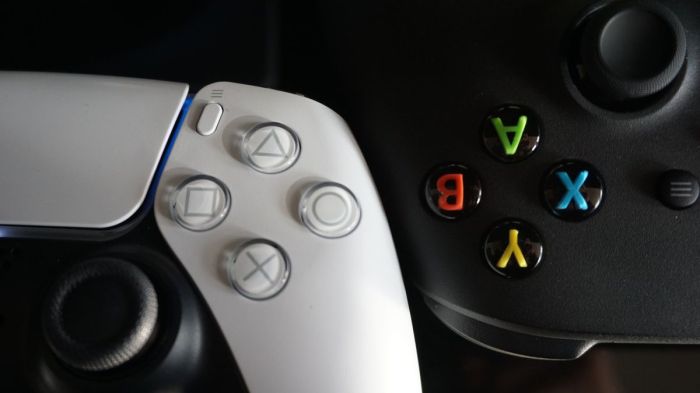
The Xbox Series X controller, renowned for its precision and ergonomic design, has captured the attention of gamers worldwide. Its seamless integration with Windows and other platforms has fueled the desire for similar functionality on iOS devices. This exploration delves into the potential for Xbox Series X controller support on iOS 14.5.
iOS 14.5 finally brought some much-needed controller support for the PS5 DualSense and Xbox Series X controllers, but the good news doesn’t stop there! If you’re in the market for a new tablet or laptop, check out the limited time best buy surface sale – some seriously sweet deals are happening right now. Hopefully, this will mean even better gaming experiences with iOS 14.5 and the updated controller support.
Technical Specifications Relevant to iOS 14.5 Compatibility
The Xbox Series X controller utilizes a proprietary communication protocol, different from the Bluetooth protocol typically used by iOS devices. Crucially, the controller’s advanced features, such as haptic feedback and precise directional controls, require specific drivers to function effectively. Understanding these technical nuances is essential for evaluating compatibility.
Required Modifications to Enable Support
Implementing Xbox Series X controller support on iOS 14.5 necessitates significant modifications to the underlying iOS operating system. These modifications include the development of custom drivers to translate the controller’s proprietary signals into a format compatible with iOS. Moreover, the incorporation of necessary APIs within the iOS framework is paramount for seamless functionality. This process is not straightforward and hinges on intricate software engineering.
Comparison with PS5 DualSense Controller
The PS5 DualSense controller, while also employing a custom protocol, benefited from a more gradual transition to iOS support. This likely stemmed from the simpler nature of its controller design. Conversely, the Xbox Series X controller’s features and more complex communication protocol pose a steeper technical hurdle. This makes the potential support for the Xbox Series X controller on iOS 14.5 less likely to occur in the immediate future compared to the PS5 DualSense controller.
Performance and Feature Comparison
| Feature | Xbox Series X Controller | PS5 DualSense Controller |
|---|---|---|
| Haptic Feedback | Advanced, precise haptic feedback mimicking in-game sensations. | Advanced haptic feedback, including adaptive triggers, delivering detailed tactile responses. |
| Directional Controls | High-precision directional controls, ensuring accurate movement and aiming. | Directional controls that are generally precise, contributing to good gaming experience. |
| Buttons/Triggers | Responsive and reliable button and trigger functionality. | Responsive and reliable button and trigger functionality, with adaptive triggers providing variable resistance. |
| Current iOS 14.5 Support | No native support. | Limited support, requires third-party apps or custom configurations. |
| Expected Future Support (iOS) | Potentially challenging due to the controller’s more complex communication protocol. | More likely to have ongoing support due to easier integration with iOS protocols. |
Illustrative Examples and Scenarios
Controller support for iOS 14.5 with PS5 DualSense and Xbox Series X controllers opens up exciting possibilities for gaming and other applications on mobile devices. This section delves into practical use cases, demonstrating how these controllers interact with iOS 14.5, offering a glimpse into the user experience.
PS5 DualSense Controller Interactions
The PS5 DualSense controller’s haptic feedback and adaptive triggers offer a significantly enhanced gaming experience on iOS 14.5. Users can intuitively control game actions and feel the impact of in-game events through the controller’s responsive features. This translates to a more immersive gaming environment compared to traditional touch controls.
Xbox Series X Controller Usage
The Xbox Series X controller’s familiar design and layout provide a smooth transition for users accustomed to the console experience. Users can easily map buttons and customize controls for gaming applications, enhancing their control and precision. This allows for a more natural and comfortable experience, especially for users who have been using Xbox controllers previously.
User Interface Interaction Example
Imagine a user playing a racing game on their iOS device using the PS5 DualSense controller. As the user navigates through the track, the controller’s haptic feedback system vibrates and pulses in sync with the road conditions. The user feels the bumps and turns, enhancing the sense of realism. The user interface will likely display game elements, such as speed, fuel levels, and opponents’ positions.
The controller’s buttons would be used to accelerate, brake, steer, and interact with the in-game menu.
Typical User Interactions and Responses
| User Interaction | Expected iOS System Response |
|---|---|
| User presses the PS5 DualSense controller’s “X” button. | The corresponding action within the game is triggered, such as firing a weapon or selecting an option. |
| User moves the left analog stick on the Xbox Series X controller to the left. | The character or object on the screen moves left accordingly. |
| User uses the Xbox Series X controller’s “A” button. | The game performs the action associated with the “A” button, like confirming a selection or interacting with an object. |
| User triggers the adaptive trigger on the PS5 DualSense controller. | The game responds with a progressive resistance and force feedback based on the level of trigger activation, reflecting the mechanics of the game, such as drawing a bow. |
Future Considerations and Potential
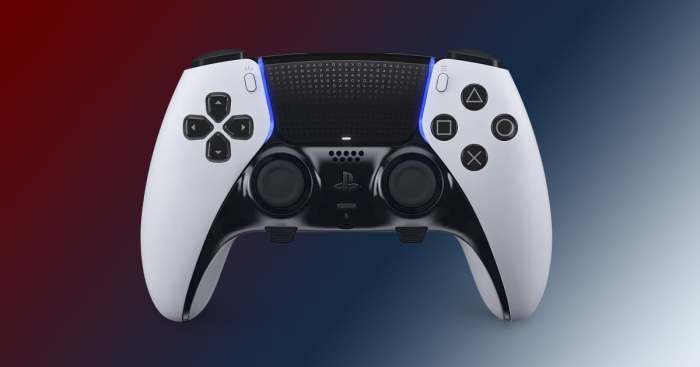
The recent controller support for iOS 14.5, encompassing PS5 DualSense and Xbox Series X controllers, represents a significant step towards more diverse input methods. This opens exciting possibilities for future development, prompting exploration into universal controller support and broader input options. The journey towards seamless integration of various controllers requires careful consideration of technical challenges and potential opportunities.The feasibility of universal controller support on future iOS versions hinges on several key factors.
A crucial aspect is the standardization of controller protocols and APIs. Current controller support relies on custom handling for each specific controller, and future universal support would require a more robust and generalized framework. This could involve creating a standardized API for handling various input devices, enabling a broader range of controller types and features to be readily integrated.
Existing protocols for game controllers, like those from PlayStation and Xbox, could be leveraged and potentially adapted.
Potential Future Developments in Controller Support
Future iOS versions could potentially offer a more streamlined approach to controller support. The introduction of a unified controller framework would allow for easier and more efficient integration of diverse controller types. This approach would also facilitate the addition of new controller features and functionalities without requiring extensive modification to existing iOS applications.
Feasibility of Universal Controller Support
Universal controller support on future iOS versions is plausible, contingent upon the development of a standardized protocol and a robust framework. Successful implementations in other operating systems, such as Windows and Android, offer valuable insights and potential solutions for this endeavor. However, substantial technical challenges remain, including handling diverse input configurations and ensuring compatibility across a wide array of hardware.
Challenges and Opportunities for Future Development
The development of universal controller support will encounter challenges related to compatibility and performance across various controller types. The inherent differences in input protocols and functionalities between different controller models would require substantial efforts to develop a flexible and adaptable framework. Furthermore, the need for efficient handling of complex input mappings and configurations presents an engineering challenge. However, the opportunities are substantial.
Universal controller support could foster innovation in gaming, productivity applications, and other software categories. The potential for more intuitive and ergonomic input experiences is substantial.
Possible Future iOS Scenarios and Features, Ios 14 5 ps5 dualsense xbox series x controller support
| Scenario | Features |
|---|---|
| Enhanced Input Mapping | iOS could offer more flexible and customizable input mapping options, allowing users to assign controller buttons and actions to specific in-app functions or commands. This is particularly valuable for developers seeking to tailor input functionality to their specific application requirements. |
| Cross-Platform Controller Compatibility | A standardized controller API could enable seamless compatibility between various platforms. This opens doors to cross-platform gaming and application experiences, fostering a more interconnected digital ecosystem. |
| Advanced Controller Features | Future versions of iOS might support advanced controller features, such as haptic feedback, motion sensing, and advanced button configurations, providing users with richer and more interactive experiences. |
| Improved Performance | Optimization of the controller framework could lead to significant improvements in responsiveness and overall performance. A dedicated controller API could enable optimized processing of input data, reducing latency and improving user experience. |
Final Summary
In conclusion, iOS 14.5 controller support for the PS5 DualSense and Xbox Series X controllers presents a compelling challenge. While current compatibility might be limited, the potential for future enhancements is significant. This article has explored the intricacies of controller interaction, from technical specifications to user experience scenarios. Ultimately, seamless integration between these controllers and iOS devices hinges on future software updates and innovative solutions.
This article hopes to be a helpful guide in understanding the current state and future potential of these exciting controller integrations.