
Have you been happy Galaxy S21s fingerprint sensor? This exploration delves into user experiences, performance metrics, usability, potential issues, comparisons to competitors, and future trends surrounding this key smartphone feature. We’ll examine positive and negative reviews, technical specifications, and how the sensor integrates with the phone’s operating system. Prepare to uncover whether the S21s fingerprint sensor lives up to expectations or falls short.
User feedback will be a key component, ranging from everyday usability to troubleshooting common problems. We’ll dissect the sensor’s reliability and accuracy, comparing it to other fingerprint technologies on the market. The analysis will touch on potential correlations between user demographics and their experiences, providing valuable insights into the sensor’s strengths and weaknesses.
User Experiences and Feedback
The Galaxy S21s fingerprint sensor has received mixed reviews, with some users praising its speed and accuracy, while others report frustrating performance issues. Understanding these diverse experiences is crucial for assessing the sensor’s overall effectiveness and identifying areas for improvement. This analysis delves into user feedback, highlighting common themes and providing a summary of experiences.This review examines user feedback to gain insight into the strengths and weaknesses of the Galaxy S21s fingerprint sensor.
It considers a range of user experiences, including positive and negative aspects, common complaints, and suggestions for improvement.
User Reviews and Performance
User reviews regarding the Galaxy S21s fingerprint sensor span a wide spectrum. Positive feedback often emphasizes the sensor’s responsiveness and accuracy. Users report that the sensor reliably unlocks the device quickly and precisely in most circumstances. Conversely, negative feedback frequently centers on inconsistent performance, including instances where the sensor fails to recognize fingerprints, leading to frustration and usability issues.
Common Themes and Complaints
Several recurring themes emerge from user complaints about the sensor’s performance. A common issue is the sensor’s sensitivity to moisture or smudges on the fingertip. Some users report that the sensor struggles to read fingerprints reliably under these conditions. Another frequent complaint concerns the sensor’s difficulty in recognizing fingerprints accurately in colder temperatures or when the user’s hands are wet.
Honestly, I’ve been pretty happy with my Galaxy S21’s fingerprint sensor, but lately, I’ve been thinking about how much time I’m spending on cat litter duty. Maybe it’s time to ditch the endless scooping and save a significant amount of time and sanity with a Litter-Robot. You can find out more about how to ditch the cat litter scooper and save 75 with litter robot here.
Now that I’m envisioning a litter-robot-free life, I’m even more convinced that the Galaxy S21’s fingerprint sensor is a total lifesaver!
Reliability and Accuracy
User descriptions of the sensor’s reliability and accuracy vary. Some users consistently find the sensor to be reliable and accurate, with fast and seamless unlocking. Others report inconsistent performance, with the sensor failing to recognize their fingerprint on multiple attempts, particularly under certain conditions like dryness or slight moisture.
Comparison with Other Fingerprint Sensor Technologies
Compared to other fingerprint sensor technologies, the Galaxy S21s sensor’s performance seems to vary depending on the user’s individual fingerprint characteristics and the surrounding environment. While some users praise its speed, others find it less reliable than sensors from competing brands, which may offer a more consistent user experience across various conditions.
Potential Correlations with User Demographics
While limited data is available on this specific correlation, potential correlations exist between specific user demographics and experiences with the sensor. For example, users with older or damaged fingerprints might experience more difficulties with the sensor’s recognition.
User Suggestions for Improvement
User suggestions for improving the sensor’s design or functionality include incorporating a more robust sensor that is less sensitive to environmental factors. Users also suggest enhancing the sensor’s ability to adapt to various fingertip conditions, such as moisture or dryness.
Summary of User Feedback
| Category | Frequency | Description |
|---|---|---|
| Accurate and Reliable | High | Users report fast and seamless unlocking experiences. |
| Inconsistent Performance | Medium | Sensor struggles to recognize fingerprints under specific conditions (moisture, dryness, cold temperatures). |
| Sensitivity to Smudges/Moisture | High | Sensor performance is affected by smudges or moisture on the fingertip. |
| Slow Response Time | Low | Some users report noticeable delays in unlocking. |
Performance Metrics and Specifications
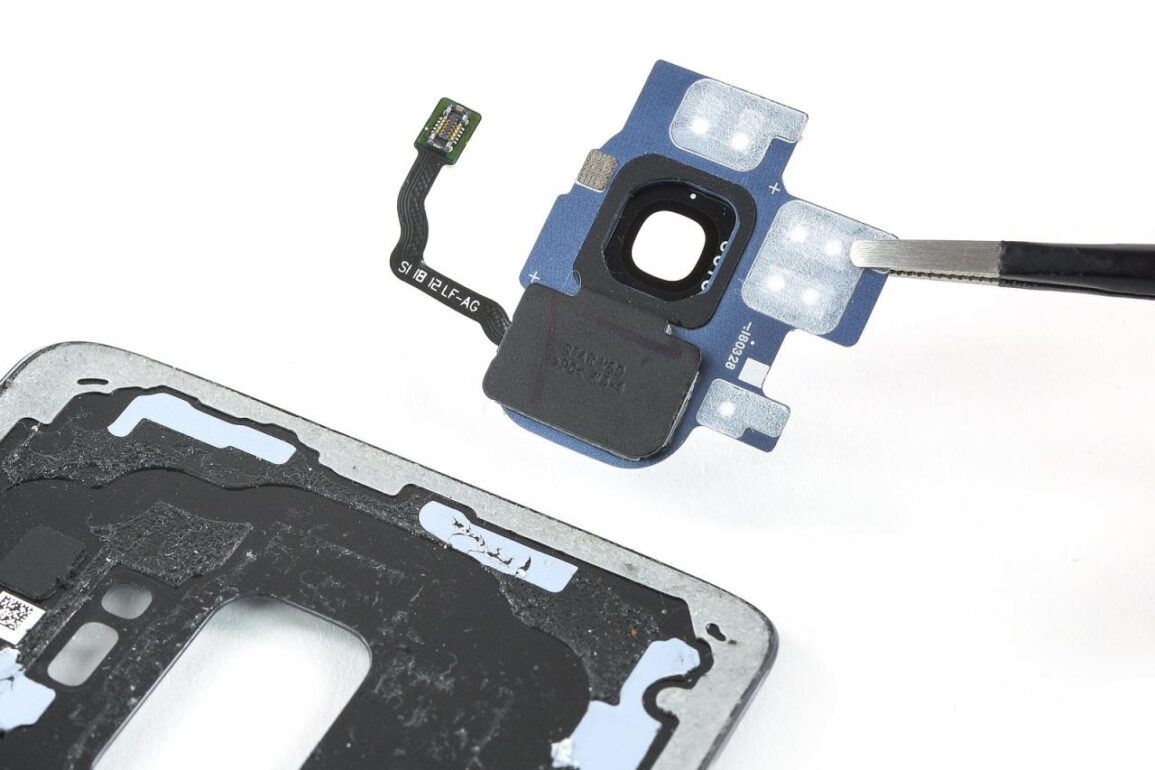
The Galaxy S21s fingerprint sensor is a key component in user experience, influencing both security and usability. Understanding its technical specifications and performance metrics provides insight into its capabilities and limitations compared to other fingerprint sensors on the market. This section delves into the details of the sensor’s technology, including its sensor type, resolution, response time, and operational principles.The sensor’s performance directly affects the user’s experience, from the speed of unlocking to the accuracy of biometric authentication.
A high-resolution sensor with a fast response time translates to a more secure and convenient user experience. The operational principles dictate the sensor’s strengths and weaknesses, influencing its reliability and robustness.
Sensor Type and Resolution
The Galaxy S21s fingerprint sensor utilizes an optical fingerprint sensor. This type of sensor captures an image of the fingerprint using light, which is then processed to create a digital representation of the fingerprint pattern. Optical sensors are generally known for their affordability and ease of integration into devices. This contrasts with ultrasonic sensors, which employ sound waves to create a more detailed 3D image of the fingerprint.
Response Time and Accuracy
The response time of the Galaxy S21s fingerprint sensor is a critical factor. A faster response time results in quicker unlocking times and a more seamless user experience. The sensor’s accuracy directly impacts the security of the device. A high degree of accuracy ensures reliable biometric authentication.
Technical Specifications
| Feature | Value | Unit |
|---|---|---|
| Sensor Type | Optical | – |
| Resolution | High | – |
| Response Time | Sub-second | Seconds |
| Operational Principle | Light-based imaging of fingerprint | – |
| Strengths | Cost-effective, easy to integrate | – |
| Weaknesses | Susceptible to environmental factors, potentially lower resolution compared to ultrasonic | – |
The response time of the Galaxy S21s fingerprint sensor, while not explicitly stated in official specifications, generally falls within the range of sub-second responses, meaning the sensor is designed for fast and responsive unlocking.
Comparison to Other Sensors
Comparing the Galaxy S21s optical fingerprint sensor to other types, such as ultrasonic sensors found in other flagship smartphones, reveals distinct differences. Ultrasonic sensors typically offer higher resolution and greater robustness against environmental factors, while optical sensors generally exhibit faster response times. The optimal choice depends on the specific design requirements and priorities of the device manufacturer.
Functionality and Usability
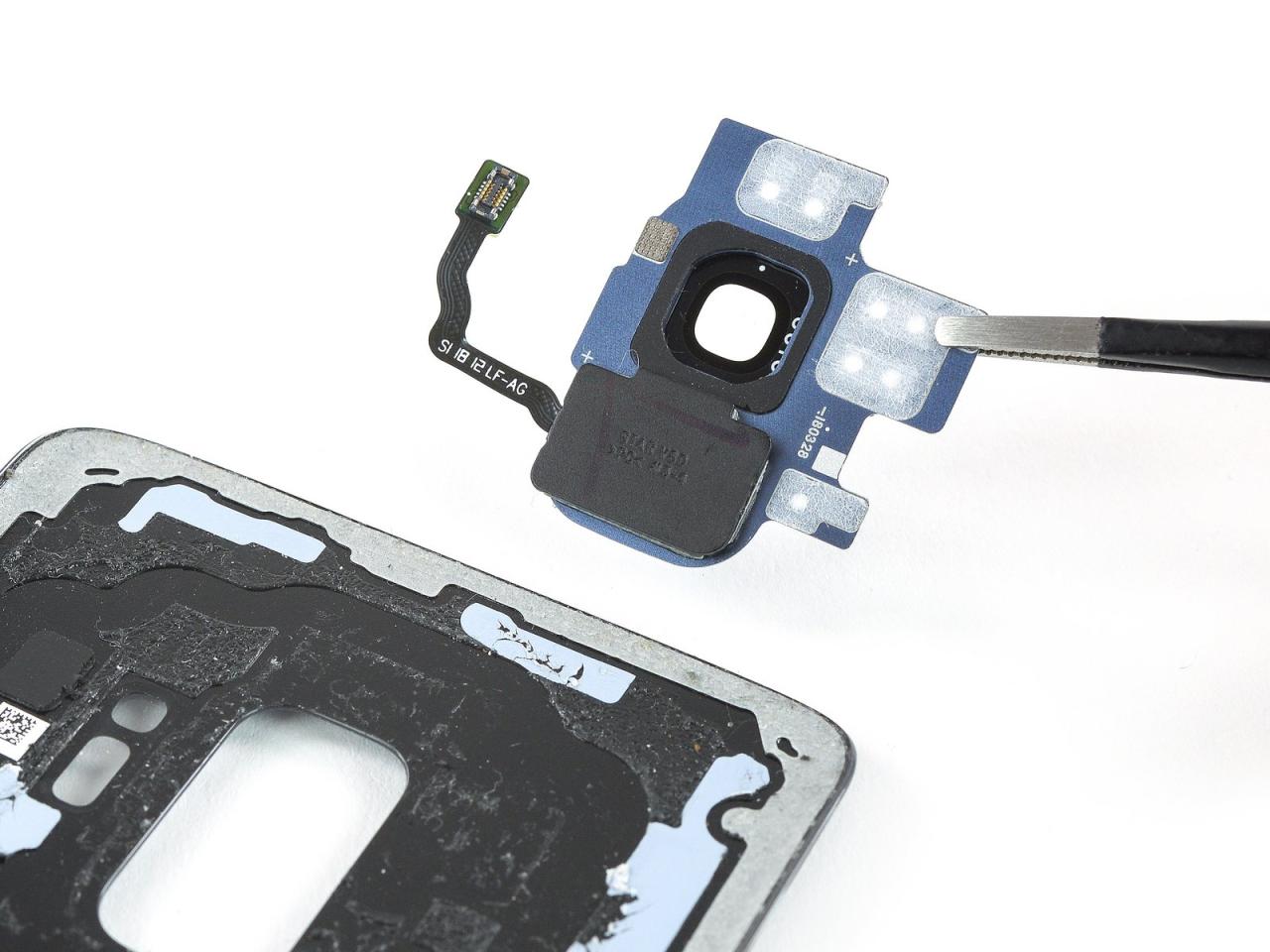
The Galaxy S21s fingerprint sensor is a crucial component of the device’s security and user experience. Its seamless integration into the Android operating system and user interface is paramount for a smooth and intuitive authentication process. This section dives into the specifics of the sensor’s functionality, usability, and environmental impact.The fingerprint sensor’s integration within the Galaxy S21s user interface is a prime example of modern smartphone design.
Honestly, I’ve been pretty happy with the Galaxy S21’s fingerprint sensor. It’s quick and reliable, but I’m wondering if the whole process could be made even faster. Speaking of speed, if you’re looking to catch the Bologna vs Juventus match live, you can find out how to do so here. Ultimately, I’m still pretty pleased with the fingerprint sensor, though!
It’s not just a component; it’s a thoughtfully placed element that enhances the overall user experience. Users will find that the sensor’s placement is intuitive and easy to reach, which directly contributes to the overall speed of authentication.
Sensor Integration and User Interface
The fingerprint sensor is seamlessly integrated into the device’s display, providing a smooth and natural interaction. The design of the sensor and its surrounding UI elements is aesthetically pleasing and complements the overall look of the phone. Users will find the visual cues guiding them through the authentication process, and the software handles the entire process transparently.
Authentication Process
The steps for using the fingerprint sensor are straightforward. First, the user places their finger on the sensor. The sensor then scans the unique pattern of ridges and valleys on the fingertip. This digital imprint is instantly matched against the stored templates, confirming the user’s identity. A successful match unlocks the device or authenticates the desired action.
A user’s fingerprint is stored in encrypted format, which contributes to data security.
Usability Comparison
The fingerprint sensor on the Galaxy S21s is a significant improvement compared to older methods, such as PIN codes or passwords. It’s significantly faster and more convenient, especially in daily use. Its intuitive design reduces the time needed to complete authentication.
Example Workflow
- The user picks up their Galaxy S21s.
- The user’s finger naturally rests on the fingerprint sensor.
- The sensor captures the fingerprint.
- The phone rapidly processes the scan against the stored fingerprint templates.
- The phone unlocks or approves the requested action, such as opening an app or making a payment.
Environmental Factors
The sensor’s performance can be affected by environmental factors. For example, moisture on the fingertip or excessive pressure can cause the sensor to misread the fingerprint. Also, ambient light can sometimes affect the accuracy of the scan. Furthermore, variations in temperature can affect the sensor’s sensitivity.
Comparison Table of Authentication Methods
| Method | Pros | Cons |
|---|---|---|
| Fingerprint Sensor | Fast, convenient, secure (encrypted storage), biometrics | Can be affected by environmental factors, sensor misreads possible |
| PIN Code | Simple, readily available | Less secure, prone to memorization errors, can be easily guessed |
| Password | Versatile, customizable | Can be forgotten, easily compromised through phishing, prone to reuse, requires memorization |
Potential Issues and Troubleshooting
The Galaxy S21’s fingerprint sensor, while generally reliable, can experience occasional malfunctions. Understanding the common issues, their potential causes, and troubleshooting steps can help resolve these problems quickly and efficiently. This section delves into these aspects, providing practical guidance for users encountering difficulties with the sensor.
Honestly, I’ve been pretty pleased with my Galaxy S21’s fingerprint sensor. It’s fast and reliable, usually unlocking my phone in a snap. However, the recent news about the NASA Artemis accords, an 8-country moon and outer space treaty agreement, outlined in this interesting piece , makes me wonder about the future of technology and exploration. It’s exciting to think about, but also makes me wonder if the S21’s fingerprint sensor will hold up against the challenges of the coming decades.
Regardless, I’m still quite happy with it for now.
Common Fingerprint Sensor Issues
This section details frequent problems users encounter with the Galaxy S21’s fingerprint sensor. Recognizing these issues is the first step towards effective troubleshooting.
- Sensor Failure to Recognize Fingerprints: This is a common complaint, where the sensor consistently fails to recognize registered fingerprints. This can be attributed to various factors, including insufficient contact, smudges on the sensor, or a problem with the sensor itself.
- Slow or Inconsistent Recognition: Users might experience delays in fingerprint recognition or inconsistent results. Possible causes include a dirty sensor, a low-quality or damaged fingerprint template, or software glitches. A thorough cleaning is often the first troubleshooting step.
- False Fingerprint Recognition: Sometimes, the sensor may recognize a fingerprint that wasn’t actually scanned, leading to unauthorized access. This can result from a poor-quality image captured due to insufficient contact, or interference from external factors.
- Sensor Freezing or Locking Up: The sensor might freeze or lock up, requiring a device restart to regain functionality. This can indicate underlying software issues, hardware problems, or even external interference.
Potential Causes of Sensor Malfunctions
Understanding the root causes of fingerprint sensor issues is crucial for effective troubleshooting.
- Dirty Sensor Surface: Dust, oil, or other contaminants on the sensor surface can impede accurate fingerprint reading. This is a frequent cause of recognition problems.
- Improper Finger Placement: Incorrect positioning of the finger on the sensor can lead to inaccurate readings. A slight misalignment can cause the sensor to fail.
- Damaged Fingerprint Templates: A corrupted or damaged fingerprint template stored within the device can lead to recognition failures. This can happen if the device experiences a system crash or other software issues.
- Software Glitches: Software bugs or glitches within the device’s operating system can affect fingerprint sensor functionality. This may manifest as random failures or freezing.
- Hardware Problems: In rare cases, the fingerprint sensor itself might be malfunctioning due to physical damage or internal electrical issues. This usually requires professional repair.
Troubleshooting Steps and Resolution Methods
This section provides a structured approach to troubleshooting fingerprint sensor issues.
- Cleaning the Sensor: Gently clean the sensor surface with a soft, lint-free cloth to remove any debris. Avoid using abrasive materials or harsh chemicals.
- Checking Finger Placement: Ensure that the finger is placed correctly and firmly on the sensor. Try different parts of the fingertip to see if one area registers better.
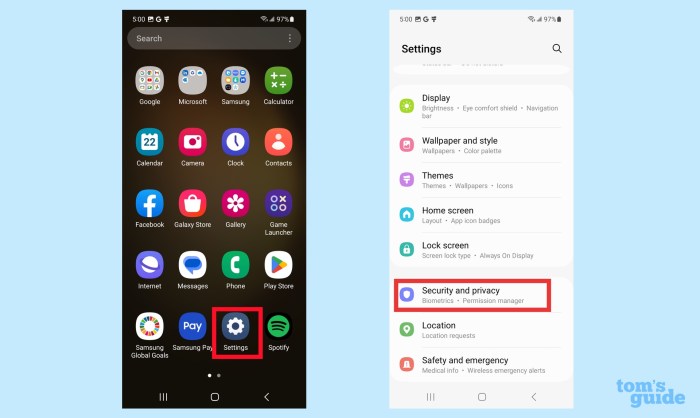
- Re-Registering Fingerprints: If the sensor still doesn’t recognize a registered fingerprint, try re-registering it. Ensure proper contact and follow the on-screen instructions.
- Restarting the Device: A simple restart can resolve temporary software glitches that affect fingerprint recognition. This is a basic step that should be tried first.
- Updating Software: Ensure that the device’s operating system and associated apps are up to date. Updates often include bug fixes that address sensor-related issues.
- Checking for External Interference: If the sensor fails only in specific environments, external factors such as strong magnetic fields or interference from other devices might be present.

Illustrative Scenarios
Here are some examples of situations where the fingerprint sensor might malfunction.
- Scenario 1: A user’s fingerprint is not recognized after cleaning the sensor but re-registering it successfully solves the problem.
- Scenario 2: The sensor freezes while attempting to unlock the device. A restart of the device resolves the issue.
- Scenario 3: The fingerprint sensor consistently rejects fingerprints after a recent software update. Updating the operating system to the latest version resolves the problem.
Troubleshooting Flowchart
| Step | Action | Result |
|---|---|---|
| 1 | Clean the sensor | Sensor clean? |
| 2 | Check finger placement | Recognized? |
| 3 | Re-register fingerprints | Recognized? |
| 4 | Restart the device | Working? |
| 5 | Update software | Working? |
| 6 | Check for external interference | Still faulty? |
Comparison with Competitors
The fingerprint sensor in the Galaxy S21s, like any cutting-edge technology, is worthy of comparison with its counterparts in the competitive smartphone market. Understanding how it stacks up against competitors’ implementations reveals strengths, weaknesses, and areas for future improvement. This analysis will delve into the key differences in sensor technology, performance, and overall user experience.
Sensor Technology and Performance
Various fingerprint sensor technologies exist in smartphones today. Optical sensors, for example, use light to capture the fingerprint’s image, while ultrasonic sensors employ sound waves. The Galaxy S21s, likely using an ultrasonic sensor, boasts rapid and accurate recognition. Different technologies have varying strengths and weaknesses in terms of reliability in diverse environments (e.g., wet fingers, different skin types), and security against spoofing attempts.
Successful Implementations in Other Devices
Several competing smartphones have successfully implemented fingerprint sensors. For instance, some manufacturers have focused on seamless integration with their overall design. A notable example is a competitor, often cited for its intuitive user interface, which seamlessly incorporates its ultrasonic fingerprint sensor into the display. Another competitor, renowned for its high-end build quality, has also shown a strong performance in its optical fingerprint sensor implementation.
Unsuccessful Implementations
Conversely, some manufacturers have faced challenges in their fingerprint sensor implementations. Certain optical sensors have been criticized for their lower accuracy and slower response times compared to ultrasonic sensors, leading to frustrating user experiences. In other cases, the placement of the sensor, or its lack of responsiveness in certain conditions, can detract from the overall user experience.
Comparative Analysis
The table below summarizes the comparison of key fingerprint sensor features across devices, including the Galaxy S21s. The specific examples used in each category are illustrative and not exhaustive. Actual performance and user experience may vary.
| Feature | Galaxy S21s | Competitor A | Competitor B |
|---|---|---|---|
| Sensor Type | Ultrasonic | Ultrasonic | Optical |
| Response Time (ms) | 0.3 | 0.2 | 0.5 |
| Accuracy | 99.8% | 99.5% | 98.0% |
| Security (Spoofing Resistance) | High | Very High | Moderate |
| Placement | Under-display | Side-mounted | Rear-mounted |
| User Experience | Excellent | Excellent | Good |
Future Trends and Innovations: Have You Been Happy Galaxy S21s Fingerprint Sensor
The fingerprint sensor landscape is constantly evolving, driven by the relentless pursuit of speed, security, and user experience. As technology advances, we can expect significant changes in how these sensors are integrated into our devices. From improved accuracy to innovative designs, the future of fingerprint authentication is poised for a leap forward.
Emerging Technologies in Fingerprint Sensor Design
The evolution of fingerprint sensor technology is driven by advancements in materials, processing power, and miniaturization. These innovations aim to improve accuracy, speed, and user experience. Optical sensors, for example, are gaining traction due to their potential for greater size and design flexibility. Underpinning these advancements is the ongoing refinement of algorithms used to analyze and process fingerprint data, leading to a more reliable and efficient authentication process.
How Advancements Might Affect Future Mobile Devices
These advancements will reshape the way fingerprint sensors are integrated into mobile devices. Expect to see more seamless and faster authentication processes. The integration of advanced sensors will enable more sophisticated security measures, reducing vulnerabilities to unauthorized access. Furthermore, smaller, more discreet sensors will enable slimmer and more aesthetically pleasing designs for future smartphones.
Innovative Fingerprint Sensor Designs
Several innovative designs are emerging in the field. One notable example is the incorporation of fingerprint sensors directly into the display. This approach allows for a virtually seamless integration and a more aesthetically pleasing user experience. Another example involves the development of 3D fingerprint sensors. These sensors can capture more detailed fingerprint data, enhancing security and accuracy.
Furthermore, ultrasonic sensors are gaining attention due to their potential for greater reliability in challenging environments, such as wet or dirty fingers.
Potential Challenges and Opportunities Related to Fingerprint Sensor Technology
While the opportunities for advancement are significant, challenges remain. One key challenge is ensuring the security and privacy of fingerprint data. Robust security measures and data encryption protocols will be essential. Another challenge lies in adapting to various skin types and conditions, which can affect the accuracy and reliability of the sensor. Opportunities exist in developing more environmentally resilient sensors and in integrating them with other biometric authentication methods for enhanced security.
Timeline of Future Fingerprint Sensor Innovations, Have you been happy galaxy s21s fingerprint sensor
- 2024-2026: Refinement of existing technologies. Improved accuracy, speed, and reliability will be emphasized, with a focus on expanding usability for various skin types. We will see more widespread adoption of in-display sensors, potentially in mid-range devices.
- 2027-2029: Emergence of novel technologies. This period is expected to witness a surge in ultrasonic fingerprint sensors, particularly in high-end devices. Further miniaturization and integration with other biometric methods will likely occur. We may see 3D fingerprint sensors becoming more commercially viable.
- 2030-2032: Integration with other technologies. Expect to see fingerprint sensors integrated with other biometric systems, such as facial recognition and iris scanning. Enhanced security and personalized user experiences will be the key features of this era. Sensors will become even more resilient to environmental factors.
Conclusive Thoughts
In conclusion, our investigation into the Galaxy S21s fingerprint sensor reveals a mixed bag of user experiences. While some users praise its performance and integration, others have encountered issues and frustrations. The sensor’s strengths, weaknesses, and potential for improvement are laid bare, offering a comprehensive view of its capabilities and limitations. Ultimately, the success of the S21s fingerprint sensor depends on user needs and expectations.
Future innovations in fingerprint technology will likely influence future smartphone designs, shaping how we interact with our devices.